The Rise of Claire Kelly: How a Festival Discovery in Wisconsin Sparked a Nashville Breakthrough

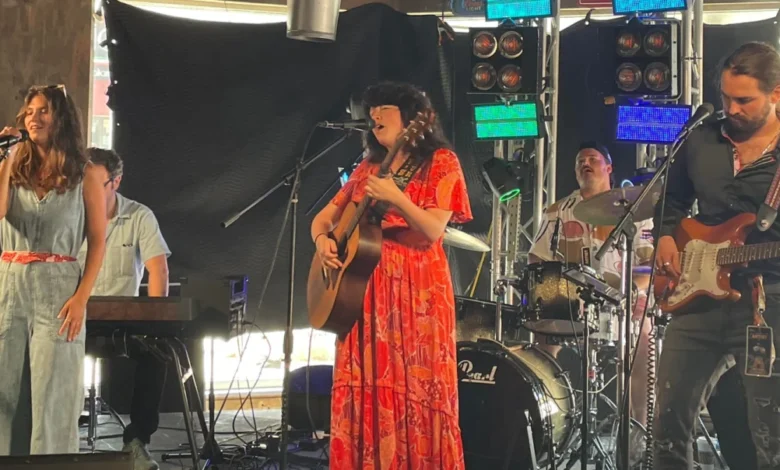
Music discovery often happens in the most unexpected corners of the cultural landscape, far away from the polished boardrooms of major record labels and the heavily guarded gates of commercial radio. Last summer, during an excursion to the upper Midwest for the annual Mile of Music Festival in Appleton, Wisconsin, attendees and critics alike were introduced to a talent operating on the vibrant fringes of the Nashville music scene: singer-songwriter Claire Kelly. Backed by a red-hot ensemble that commanded the stage with precision and organic energy, Kelly delivered a series of standout performances that instantly shifted the attention of industry observers. That fateful weekend set the stage for the release of her latest album, Be Careful Who You Kiss In Nashville, a project that anchors a broader, women-dominated musical roundup celebrating independent artistry, sonic authenticity, and meticulous craftsmanship.
The Main Facts: Uncovering the Underground Nashville Sound
While Nashville remains globally synonymous with the high-stakes, big-time machinery of mainstream country music, a parallel ecosystem continually bubbles beneath the surface. This underground community is populated by deserving talents who work the fringes, relying on artistic integrity, grueling touring schedules, and word-of-mouth momentum to break through a crowded marketplace. Prior to her breakout appearances in Wisconsin, Kelly was a relatively hidden gem outside of her immediate local circuit. However, her live performances at the Mile of Music Festival quickly rectified that oversight, revealing a sophisticated blend of country, folk, and pop sensibilities that demanded wider national attention.
The recorded translation of those live sets has arrived in the form of Be Careful Who You Kiss In Nashville, an album that captures the raw electricity of Kelly’s touring outfit while benefiting from pristine, high-definition studio engineering. The project features production work by Grammy-winning engineer Brandon Bell, whose impressive resume includes collaborations with industry heavyweights such as Brandi Carlile, The Highwomen, and Sarah Jarosz. Bell’s stewardship ensures that the record maintains an immaculate acoustic balance, allowing the intricate instrumentation of Kelly’s core backing band—guitarist Michael Murphy, bassist Luke Sands, drummer Bobby Frank, and backing vocalist Kayla Lunden—to shine without ever overpowering the lyrical narrative.
Chronology of a Breakthrough: From Festival Stages to the Recording Studio
The trajectory of Be Careful Who You Kiss In Nashville is deeply rooted in a summer timeline of intense live performance and real-time audience testing.
During her multiple sets at the Appleton festival, Kelly previewed nearly the entirety of the new record. By the time the weekend concluded, festival-goers were already intimately familiar with the material, singing along to hooks that had only been introduced days prior. This unusual release strategy—testing an entire album’s worth of unreleased material on a live festival audience—provided Kelly and her team with immediate feedback, sharpening the arrangements before the final master tracks were cemented.
Following the summer festival circuit, the project moved into its final production phase. Unlike many contemporary country and pop records that rely on digital stitching, quantized tracking, and isolated multi-track recording sessions, Kelly and her band opted to record primarily live in the studio. This methodology preserved the kinetic interplay and spontaneous chemistry that made their live shows so arresting. Tracks like “Holy Cowboy,” “Just Add Wine,” and “Longer Without You” capture this approach, hitting a wonderfully melodic country-folk-pop groove that feels both timeless and thoroughly modern.
Supporting Data and Track-by-Track Analysis
A closer examination of Be Careful Who You Kiss In Nashville reveals a deeply cohesive record where sequencing plays a critical role in the listening experience. Industry analysts examining the current state of independent country music note a growing consumer appetite for authentic instrumentation and stripped-down vocal delivery, a trend that Kelly’s album capitalizes on effectively.
Mid-album highlights such as “Cash Only” and “Get Over It” introduce a soulful, blues-inflected dimension to the tracklist. The latter song, in particular, offers a memorable lyrical philosophy underscored by a pragmatic, inspirational hook: “Build yourself a bridge and get over it.” This blend of emotional resilience and wry observational humor forms the thematic backbone of Kelly’s songwriting.
Vocal arrangements also play an indispensable role in defining the album’s sonic identity. The rich, interlocking vocal harmonies between Kelly and backing vocalist Kayla Lunden establish an immediate emotional tone from the opening notes of the exquisite track “All On You.” Musicologists reviewing the project have highlighted these vocal pairings as a primary differentiator in a crowded field of emerging Americana acts.
As the album progresses toward its conclusion, Kelly deliberately strips away the heavy instrumentation. The gentle, contemplative closing numbers, “Paris” and “Sleep Tight Cowgirl,” feature only her voice and acoustic guitar. These final tracks demonstrate her undeniable viability as a solo acoustic performer, proving that she commands the stage just as effortlessly with a solitary instrument as she does with a full electric backing band.
Official Responses and Industry Perspectives
While formal corporate press statements from major Nashville conglomerates regarding independent artists are rare, the critical reception and industry chatter surrounding Be Careful Who You Kiss In Nashville speak volumes about the changing tide of music consumption. Independent promoters, regional festival organizers, and boutique booking agencies have increasingly turned their attention toward artists who bypass traditional radio pipelines in favor of direct-to-consumer engagement and high-impact live touring.
Peers and collaborators have similarly praised the collaborative nature of Kelly’s creative ecosystem. Studio insiders note that the seamless integration of veteran musicianship—ranging from Michael Murphy’s nuanced guitar phrasing to Bobby Frank’s steady, driving percussion—reflects a high degree of mutual trust within the touring lineup. Industry observers have pointed out that retaining a consistent, high-caliber backing band is a significant financial and logistical hurdle for independent artists, making Kelly’s commitment to her ensemble a notable strategic advantage in building a loyal, recurring fanbase.
Broader Impact and Market Implications
The release of Be Careful Who You Kiss In Nashville arrives at a pivotal moment for the Americana and independent country genres. For years, industry analysts have debated the sustainability of the Nashville major-label model, which often prioritizes algorithmic streaming trends and homogenized radio formats over artistic idiosyncrasy. Breakout successes from independent artists challenging this paradigm suggest a decentralization of power within the country music capital.
By relying on festival circuits like the Mile of Music Fest, grassroots touring, and organic word-of-mouth endorsement, artists like Kelly demonstrate that a viable career path exists outside the conventional Nashville star-making apparatus. Furthermore, the involvement of elite production talent like Brandon Bell indicates that top-tier industry professionals are increasingly eager to lend their expertise to independent projects that prioritize artistic vision over commercial compromise.
Although the calendar year still has several months remaining, early critical consensus places Be Careful Who You Kiss In Nashville near the top of year-end critical lists. For Kelly, the challenge will now lie in translating underground critical acclaim into sustained commercial momentum as she takes her red-hot backing band to larger stages across the country. Whether she continues to rock packed festival tents or eventually transitions to headline amphitheaters, one conclusion remains unequivocally clear: the music industry’s best-kept secrets rarely stay hidden for long once the amplifiers are turned on.