The Mole Announces Expansive Fifth Solo Album ‘High Hopes’ Set for November Release via Circus Company

Colin de la Plante, known to the electronic music world as The Mole, is poised to release his fifth solo studio album, "High Hopes," next month. This eagerly anticipated record marks his second full-length offering for the esteemed French imprint Circus Company, following the critically acclaimed "The River Widens" in 2023. Comprising an ambitious 17 tracks, "High Hopes" is described as a significant sonic departure from his recent "High Dreams" EP, promising a rich tapestry of sounds and ideas that reward attentive listening.
An Ambitious Sonic Tapestry
"High Hopes" is heralded as a profound journey through diverse sonic landscapes, presented as "a collection of moments posing as ideas posing as a narrative stuffed with oddities and surprises that reward the close listen." This descriptor suggests an album that prioritizes conceptual depth and intricate arrangement over straightforward genre adherence, inviting listeners into a multifaceted auditory experience. The scope of the album’s sound is notably broad, reportedly ranging "from ambient sound bath and hip-hop sludge, up to micro-boogie and almost house before tumbling back down and forth again." This eclectic blend underscores The Mole’s reputation as an artist unafraid to traverse and blend various electronic subgenres, continually pushing the boundaries of his established sound.
The expansive tracklist, featuring titles such as "Sing a Storm," "Deeper Filth," "Heart of a Canary," "JP Ate Culture," and "Don’t Wake Me Up Bro," hints at a narrative progression or at least a series of distinct vignettes designed to captivate. The inclusion of "Heart of a Canary" as the album’s lead single, available for streaming ahead of the official release, provides an initial glimpse into the album’s unique character and thematic undertones, setting the stage for the broader sonic exploration to come.
The Evolution of The Mole: Colin de la Plante’s Distinguished Career
Colin de la Plante, a Canadian artist whose career spans over two decades, has carved out a distinctive niche within the global electronic music scene. Emerging in the early 2000s, The Mole quickly gained recognition for his idiosyncratic approach to house and techno, characterized by a soulful depth, playful experimentation, and a keen ear for intricate grooves. His early releases on labels such as Musique Risquee, Wagon Repair, and Slices of Life established him as a consistent innovator, often infusing elements of jazz, funk, and dub into his productions.
His discography reflects a steady evolution, moving from the more dancefloor-oriented tracks of his early days to increasingly complex and emotionally resonant compositions. Albums like "The Mole" (2008) and "Careful With That Axe" (2010) showcased his ability to craft cohesive narratives across long-form releases, cementing his status as a respected album artist in a genre often dominated by single and EP releases. These earlier works were often praised for their organic feel, meticulous sound design, and ability to evoke a sense of warmth and intimacy, qualities that have become hallmarks of his sound.
"The River Widens," released in 2023, marked a significant chapter in The Mole’s career, being his first album for Circus Company. That album was widely lauded for its contemplative nature and refined production, demonstrating his continued growth and willingness to explore more introspective territories. The swift follow-up with "High Hopes" less than a year later suggests a period of intense creative output and a robust artistic vision, further solidifying his partnership with the French label.
Beyond his solo endeavors, Colin de la Plante has been a pivotal figure in various collaborative projects, most notably as part of Cobblestone Jazz alongside Mathew Jonson and Danuel Tate. This trio’s improvisational, live-PA approach to minimal techno earned them widespread acclaim, showcasing de la Plante’s versatility as a musician and his ability to contribute to dynamic group efforts. His contributions to the XLR8R podcast series, specifically Podcast 627, offered fans and industry peers alike a deeper insight into his creative process, influences, and the philosophical underpinnings of his music, further enriching the understanding of his artistic persona.
A Deep Dive into Sonic Exploration: Unpacking "High Hopes" Genre Diversity
The press materials for "High Hopes" paint a picture of an album that defies easy categorization, promising a genre-bending experience that spans "ambient sound bath, hip-hop sludge, micro-boogie and almost house." This multifaceted approach is a testament to The Mole’s refusal to be confined by stylistic boundaries and his continuous quest for fresh sonic textures.
The concept of an "ambient sound bath" suggests moments of deep immersion and meditative sonic environments. Ambient music, popularized by artists like Brian Eno, focuses on atmosphere and texture rather than traditional melodic or rhythmic structures. In the context of "High Hopes," these sections could serve as interludes, palate cleansers, or even entire tracks designed to transport the listener into introspective states, contrasting sharply with the more rhythmically driven segments. This inclusion highlights a growing trend among electronic artists to incorporate more contemplative, non-dancefloor elements into their albums, reflecting a broader interest in music for focused listening.
Conversely, "hip-hop sludge" points towards a grittier, more experimental rhythmic dimension. This could imply slower tempos, heavy, distorted basslines, intricate and often off-kilter drum programming reminiscent of abstract hip-hop or instrumental beat music. The term "sludge" itself evokes a sense of density and perhaps a lo-fi aesthetic, suggesting a raw, unpolished edge that could provide a compelling counterpoint to the more refined house and boogie elements. This fusion hints at a sound that is both challenging and deeply grooving, drawing from the rich history of experimental beat-making.
"Micro-boogie" is an intriguing descriptor, suggesting a nuanced take on disco and funk influences. "Boogie" typically refers to the post-disco, funk-infused dance music of the late 1970s and early 1980s, characterized by syncopated basslines, soulful vocals, and catchy melodies. The "micro" prefix implies a scaled-down, perhaps more minimalistic or intricately detailed interpretation of this style. This could manifest as subtle funk grooves, delicate synth work, and a focus on small, intricate rhythmic and melodic details that collectively create a warm, infectious feel without necessarily relying on overt maximalism.
Finally, "almost house" indicates a close proximity to the genre that has been a cornerstone of The Mole’s career, yet with a twist. This could mean tracks that employ house rhythms and structures but incorporate elements from other genres, or perhaps deconstruct and reassemble traditional house tropes in unconventional ways. It suggests a familiarity with the genre’s conventions while simultaneously striving to subvert or expand upon them, keeping the listener engaged with unexpected turns and inventive arrangements. This careful balance between familiarity and innovation is often what defines The Mole’s most compelling work.
Collaborative Spirit: The Contributions of Rick May and Sophie Trudeau
"High Hopes" is not solely a product of The Mole’s singular vision; it also benefits from the creative input of esteemed collaborators, enriching its sonic palette. Rick May, a seasoned bassist, lends his instrumental prowess to several tracks. May’s involvement suggests a desire to imbue the electronic compositions with the organic warmth and rhythmic complexity that live instrumentation, particularly bass guitar, can provide. In electronic music, live bass can add a crucial layer of depth, groove, and human feel, grounding the synthetic elements with a tangible, resonant quality. While details of May’s specific contributions remain under wraps, his presence is a strong indicator of the album’s multifaceted approach to rhythm and texture.
Another significant collaborator is Sophie Trudeau, who contributes and arranges violins for the album. Trudeau is a highly respected figure in experimental and post-rock circles, best known as a member of the iconic Canadian band Godspeed You! Black Emperor, as well as her work with Set Fire to Flames and other projects. Her distinctive violin playing is often characterized by its evocative, melancholic, and sometimes abrasive qualities, capable of conveying profound emotional depth. The integration of violins into The Mole’s electronic framework promises to introduce a classical yet experimental dimension, potentially adding sweeping atmospheric textures, poignant melodic lines, or even dissonant, avant-garde flourishes. Trudeau’s expertise in orchestral arrangements further suggests that the violins will be thoughtfully woven into the fabric of the album, enhancing its narrative and emotional impact rather than merely serving as an embellishment. Her collaboration highlights The Mole’s commitment to pushing genre boundaries and incorporating diverse musical traditions into his electronic soundscapes.
Visual Narrative: Antonio Carrau’s Collages
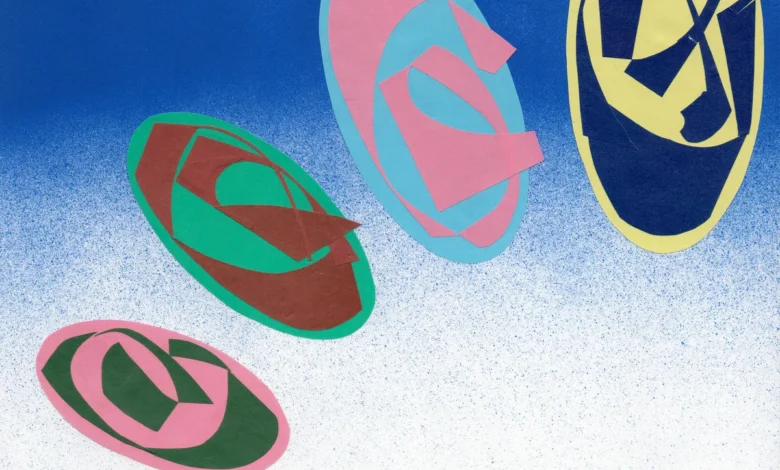
The aesthetic experience of "High Hopes" extends beyond its auditory components, with the physical vinyl release enveloped by original collages from artist Antonio Carrau. In an era dominated by digital streaming, the visual artwork of an album remains a crucial element, particularly for artists who value the holistic experience of music consumption. Carrau’s involvement suggests a visual language that complements the album’s intricate and diverse sonic themes.
Collage art, by its very nature, involves assembling disparate elements into a new, cohesive whole, mirroring The Mole’s musical approach of blending various genres and ideas. Carrau’s collages could offer a visual interpretation of the album’s described "collection of moments posing as ideas posing as a narrative," providing a tangible representation of its conceptual depth and unexpected juxtapositions. The tactile nature of vinyl, combined with bespoke artwork, elevates the album from a mere collection of tracks to a complete artistic statement, inviting listeners to engage with the music on multiple sensory levels. This emphasis on physical art speaks to a broader appreciation for the enduring value of physical media in the electronic music community, where collectors often seek out releases that offer a rich, immersive experience.
Circus Company: A Home for Innovation
The release of "High Hopes" on Circus Company further solidifies the label’s reputation as a bastion for innovative and emotionally resonant electronic music. Founded in Paris, France, Circus Company has been a consistent force in the underground electronic scene for well over two decades, known for its discerning curation and its commitment to artistic integrity over transient trends. The label has been instrumental in shaping the sounds of deep house, minimal techno, and experimental electronica, fostering a roster of artists who consistently deliver thoughtful, high-quality productions.
Artists like dOP, S. Moscou, Dave Aju, and Vlada Asanin have found a home at Circus Company, each contributing to the label’s diverse yet cohesive sound signature. The label’s ethos revolves around nurturing artists who possess a unique voice and a willingness to explore the expressive potential of electronic music. Their releases often blend dancefloor functionality with intricate musicality and emotional depth, aligning perfectly with The Mole’s artistic vision. The relationship between The Mole and Circus Company, now extending to a second album, appears to be a symbiotic one, providing the artist with a platform that understands and champions his nuanced approach to music-making. This partnership allows The Mole the creative freedom to explore ambitious concepts like "High Hopes," knowing he has the full support of a label renowned for its artistic integrity.
Anticipation and Release: A November Highlight
"High Hopes" is scheduled for release on November 22nd, positioning it as a significant highlight in the autumn music calendar. The lead-up to the album’s release includes the streaming of the single "Heart of a Canary," which serves as an early indicator of the album’s atmospheric and intricate qualities. This strategic release of a single allows listeners to begin forming expectations and familiarizing themselves with the album’s unique sonic fingerprint.
Pre-orders for "High Hopes" are currently available, catering to dedicated fans and vinyl enthusiasts eager to secure their copy of what promises to be a landmark release. The album’s availability across digital platforms and physical formats ensures broad accessibility, allowing a wide audience to engage with The Mole’s latest creation. Given the detailed descriptions and the pedigree of the artist and label, "High Hopes" is expected to be a critically acclaimed work, further cementing The Mole’s legacy as one of electronic music’s most consistently compelling and inventive figures.
Tracklisting
- Sing a Storm
- Que Rico
- Heart of a Canary
- Deeper Filth
- Just Another Kid
- Arp on a Table
- Boulevard
- Vessel Plans
- JP Ate Culture
- Mountain Range
- nEw fAme
- That Old Fuck
- Burger Time
- Umpah Band
- Don’t Wake Me Up Bro
- Not Lost
- GoinF4er
The extensive tracklist and intriguing titles suggest a narrative arc or a series of distinct sonic chapters, inviting listeners to embark on a comprehensive journey through The Mole’s latest creative outpouring. Each title, from the evocative "Sing a Storm" to the playful "Burger Time" and the enigmatic "GoinF4er," hints at the diverse moods and themes explored within the album, promising an engaging and unpredictable listening experience that lives up to the album’s ambitious conceptual framework. As the release date approaches, anticipation within the electronic music community continues to build for what promises to be one of the year’s most significant and boundary-pushing albums.
Related posts: