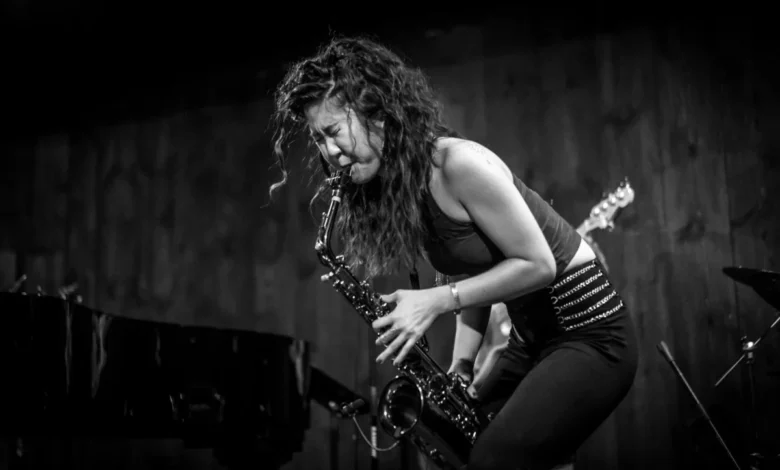
The narrative of the child prodigy is a recurring theme in the history of jazz, yet few artists have navigated the treacherous transition from teenage sensation to mature, multi-faceted innovator with the grace and longevity of Grace Kelly. For two decades, the saxophonist, singer, and composer has not only occupied a space within the traditional jazz canon but has actively sought to dismantle the barriers surrounding it. From her earliest recordings as a pre-teen to her current status as a digital-era powerhouse, Kelly’s trajectory represents a unique case study in how a modern instrumentalist can balance technical virtuosity with mainstream accessibility and entrepreneurial savvy.
The Genesis of a Prodigy: 2004–2009
Grace Kelly’s entry into the professional music world was nothing short of precocious. Born Grace Chung in Wellesley, Massachusetts, her musical journey began with the piano at age six, but it was the saxophone that eventually became her primary voice. By the age of 12, when most of her peers were navigating middle school, Kelly had already released her debut album, Dreaming (2004). This initial foray into recording was not merely a novelty; it showcased a young artist with an intuitive grasp of phrasing and a tonal maturity that caught the attention of the jazz establishment.
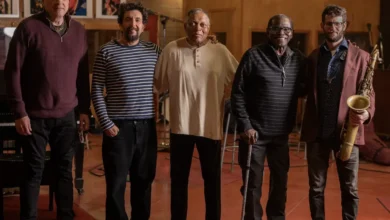
The mid-2000s saw Kelly rapidly integrated into the highest echelons of the genre. Her mentorship under the legendary Phil Woods serves as a cornerstone of her early career. Woods, a standard-bearer of the alto saxophone, recognized in Kelly a kindred spirit. Their collaboration culminated in the 2006 album Man with the Hat, a project that functioned as a symbolic passing of the torch. It was during this period that Kelly also performed with jazz titans such as Wynton Marsalis, Dave Brubeck, and Hank Jones. These interactions were instrumental in grounding her in the "Great American Songbook" and the bebop tradition, providing a rigorous foundation for the stylistic experimentation that would follow.
Educational Foundations and the Transition to Vocals
While her professional career was already in high gear, Kelly prioritized a formal education that would broaden her musical vocabulary. She attended the New England Conservatory’s Preparatory School before enrolling at the Berklee College of Music. At Berklee, Kelly was not just a student but a working professional, balancing rigorous coursework with an international touring schedule. She graduated at the age of 19, having already released several albums and earned significant critical acclaim.
The turn of the decade marked a pivotal shift in Kelly’s artistic identity. While her early work focused almost exclusively on her prowess as an instrumentalist, she began to incorporate her voice into her performances. This transition was met with both curiosity and acclaim. Critics noted that her singing voice possessed a natural, soulful quality that complemented her lyrical saxophone playing. This "triple-threat" capability—saxophonist, singer, and songwriter—allowed her to reach beyond the specialized jazz audience and tap into the burgeoning "jazz-pop" and "indie-jazz" movements.
Breaking the Mold: The 2010s and The Late Show
As the 2010s progressed, Grace Kelly’s music began to reflect a wider array of influences, including soul, funk, and contemporary pop. Albums such as Trying to Figure It Out (2016) demonstrated a willingness to experiment with electronic textures and more structured, song-oriented compositions. This era was characterized by a desire to make jazz "fun" and "accessible" without sacrificing the complexity that defines the genre.
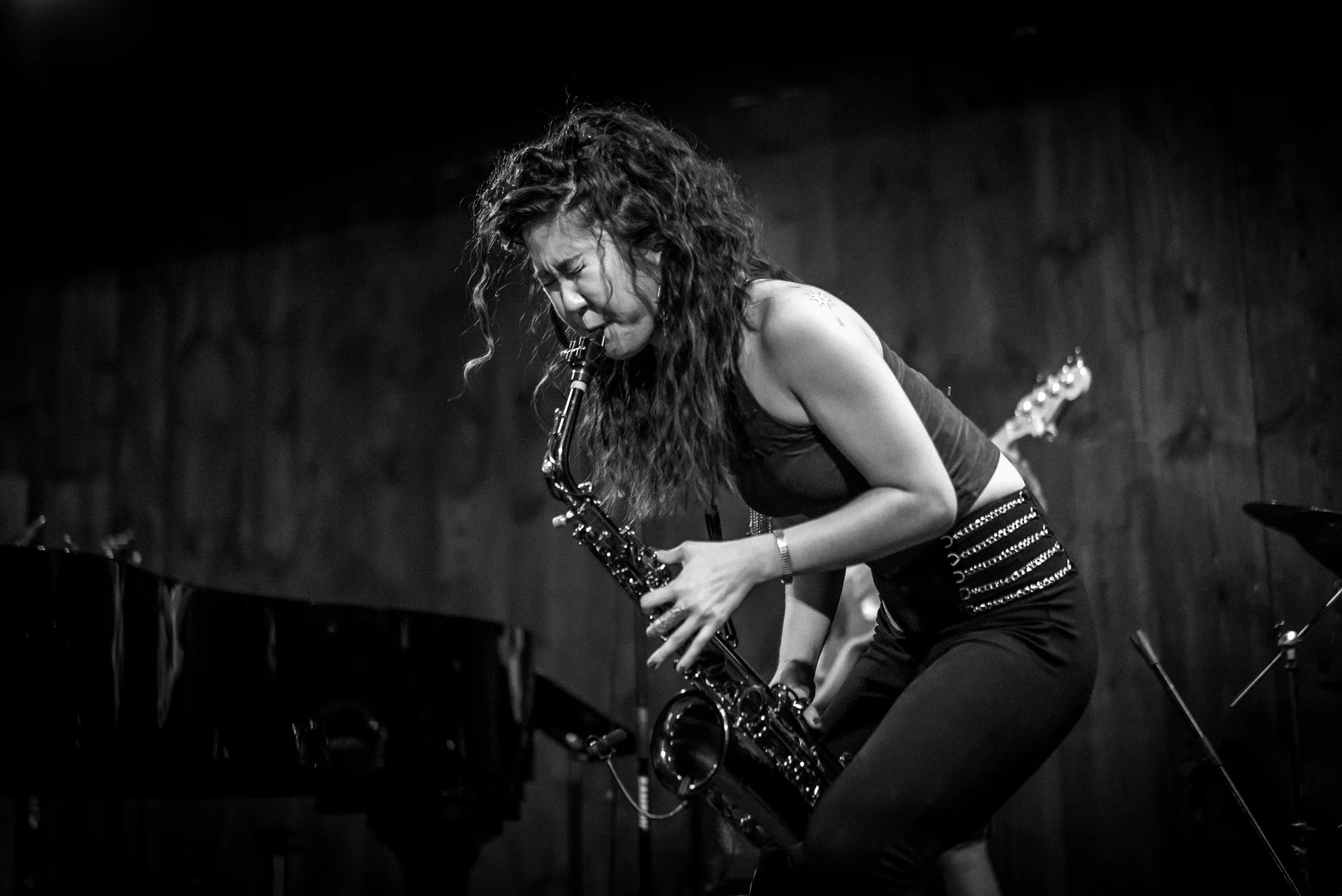
A significant catalyst for Kelly’s mainstream recognition was her association with Jon Batiste and his band, Stay Human. As a regular member of the house band for The Late Show with Stephen Colbert, Kelly was introduced to millions of viewers nightly. This experience was transformative, not only for the exposure it provided but for the collaborative environment it fostered. Performing in a high-pressure, televised setting required a level of versatility and showmanship that further refined her stage presence. It was during this tenure that Kelly’s persona as a high-energy, charismatic performer truly solidified.
Digital Innovation and the "GO TiME" Era
The latter half of the 2010s and the early 2020s saw Kelly embracing the digital landscape with unprecedented vigor. Recognizing the changing nature of the music industry, she became a pioneer in using social media and digital platforms to engage with her audience. Her "GO TiME" series—a collection of live-recorded albums and videos—emphasized the energy of live performance and the spontaneity of jazz, often featuring her signature "Saxy School" educational components and behind-the-scenes content.
During the global pandemic, when live venues were shuttered, Kelly’s digital-first approach allowed her to maintain a thriving career. She hosted virtual concerts, launched an online saxophone school, and continued to release music that resonated with a homebound audience. This period underscored her resilience and her ability to adapt to a rapidly shifting economic model for musicians. By leveraging platforms like Instagram and YouTube, she bypassed traditional gatekeepers, building a direct relationship with a global fanbase that now numbers in the hundreds of thousands.
Chronology of Major Milestones and Discography
To understand the breadth of Kelly’s twenty-year evolution, one must look at the steady output of her recorded work and her accolades:
- 2004: Releases Dreaming at age 12.
- 2006: Releases Times Two, winning her first ASCAP Foundation Young Jazz Composer Award.
- 2008: Man with the Hat (with Phil Woods) is released, garnering international attention.
- 2011: Performs as a soloist with the Boston Pops Orchestra.
- 2012: Named "Jazz Artist of the Year" at the Boston Music Awards.
- 2015–2018: Becomes a regular member of the Late Show with Stephen Colbert house band.
- 2016: Releases Trying to Figure It Out, which reaches #2 on the Jazz Album Charts.
- 2018: Launches the GO TiME: Brooklyn project, highlighting her fusion of jazz and pop.
- 2022: Releases All That I Need, an album that leans heavily into her singer-songwriter sensibilities.
- 2024: Celebrates two decades in the industry with the At the Movies project, reimagining classic cinematic themes through a contemporary jazz lens.
Technical Analysis: The Kelly Sound
Technically, Grace Kelly is known for a bright, assertive tone on the alto saxophone, reminiscent of the "West Coast" jazz sound but infused with a modern edge. Her improvisational style is melodic rather than purely mathematical, often drawing on blues scales and rhythmic motifs that invite the listener in. As a vocalist, her range is modest but her delivery is highly emotive, often using her voice to double her saxophone lines, creating a unique "unison" effect that has become a stylistic hallmark.

Industry analysts have pointed out that Kelly’s success is also rooted in her "genre-fluid" approach. In an era where streaming algorithms often reward specific genre tags, Kelly has defied categorization. She has successfully marketed herself to jazz purists through her collaborations with legends, while simultaneously appealing to younger demographics through high-production music videos and collaborations with viral sensations like Leo P (of Too Many Zooz).
Broader Implications for the Jazz Industry
The career of Grace Kelly offers several insights into the state of the modern jazz industry. First, she represents the shift toward the "artist-entrepreneur." In the current landscape, talent alone is often insufficient; artists must also be content creators, educators, and brand managers. Kelly’s "Saxy School" and her active social media presence are examples of how instrumentalists can diversify their income streams and build long-term career stability.
Second, Kelly’s journey highlights the evolving role of women in jazz. While the genre has historically been male-dominated, particularly in the instrumental realm, Kelly has become a visible role model for a new generation of female saxophonists. Her success proves that there is a significant market for female-led jazz projects that are both musically rigorous and commercially viable.
Finally, her evolution suggests that the "boundary-crossing" nature of her music is not a dilution of jazz but a necessary expansion. By integrating elements of pop, funk, and electronic music, Kelly is helping to ensure that jazz remains a living, breathing art form that can communicate with contemporary audiences.
Future Outlook and Continued Exploration
As Grace Kelly enters her third decade as a professional artist, her momentum shows no signs of waning. Her recent project, At the Movies, demonstrates a continued interest in thematic exploration and high-concept production. The project features lush arrangements of iconic film scores, blended with her signature groove-heavy arrangements. This ability to reinterpret existing cultural touchstones through a jazz lens ensures her relevance in a crowded media environment.
Statements from peers and critics suggest that Kelly’s greatest contribution may yet be ahead of her. While she has already achieved more than many artists do in a lifetime, her restless creativity suggests a continued desire to push the boundaries of what a "jazz artist" can be. Whether through further technological integration, new collaborative ventures, or continued educational outreach, Grace Kelly remains a central figure in the ongoing story of 21st-century music. Her twenty-year evolution is not just a personal milestone; it is a roadmap for the future of the genre itself, proving that tradition and innovation are not mutually exclusive, but are rather two sides of the same brilliant, soulful coin.