Bathing Suits Join Forces With Mandy Indiana Vocalist Valentine Caulfield For Reworked Single I Can Be A Freak

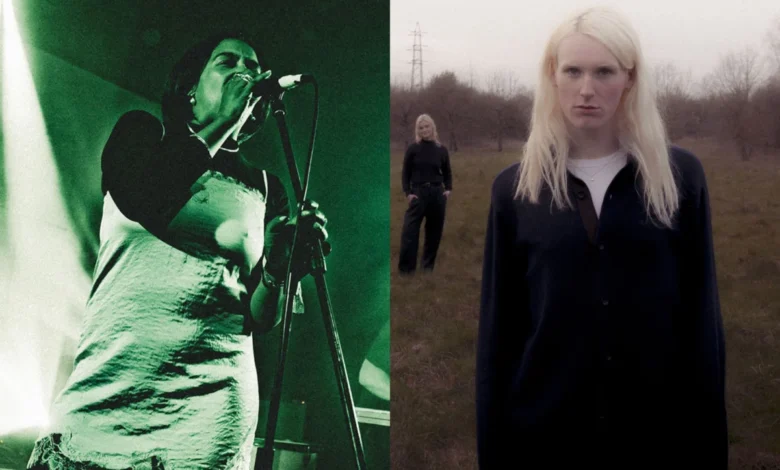
Rising Leeds indie-punk outfit Bathing Suits have officially joined creative forces with Valentine Caulfield, frontwoman of the acclaimed noise-rock outfit Mandy, Indiana, for an explosive new iteration of their breakout single, I Can Be A Freak. The collaborative track fuses the raw, visceral energy that has rapidly positioned Bathing Suits as one of the UK’s most promising new acts with the industrial-edged intensity synonymous with Caulfield’s vocal delivery. While maintaining the core sonic architecture of the original recording—characterized by aggressive yet charismatic guitar riffs and intricate electronic production—this newly reimagined version injects a fresh surge of adrenaline, elevating the song’s provocative, danceable ethos to new heights.
The partnership stems from an organic meeting of minds earlier this year when Bathing Suits vocalist Freyja Blevins crossed paths with Caulfield at a live performance. What began as mutual artistic admiration quickly evolved into a formal collaboration, highlighting a burgeoning cross-pollination within the contemporary underground alternative scene.
A Mutual Artistic Appreciation Rooted in Live Performance
Reflecting on the collaboration, Valentine Caulfield shared insight into how the cross-generational pairing came to fruition. She detailed her initial discovery of the Leeds-based group and expressed profound enthusiasm for their nascent career trajectory.
"I discovered Bathing Suits after meeting Freyja at one of our shows earlier this year, and it was love at first listen," Caulfield stated. "Their music is exciting, provocative, danceable, and—something quite rare for a band so young—they know exactly who they are."
Caulfield further noted the reciprocity of the studio session, playfully downplaying her contribution while elevating the status of her collaborators. "When they asked me if I would be open to recording a verse for them, the answer was obviously yes. Little do they know that they are the ones who did me a favour: in 10 years, when Bathing Suits are filling up arenas around the world, I can say I loved them before it was cool."
The single serves as a strategic bridge between two distinct yet complementary corners of modern British and European underground music. By pairing Bathing Suits’ emergent electro-punk dynamism with Caulfield’s commanding, industrial-soaked presence, the track underscores a shared commitment to challenging conventional genre boundaries.
A Monumental Breakthrough Year for Bathing Suits
The release of the reworked I Can Be A Freak arrives amid a transformative breakout period for Bathing Suits. Earlier this year, the Leeds group formally introduced themselves to a broader international listenership with the release of their debut EP, KILL BATHING SUITS, distributed via Underplay Recordings. The EP served as a definitive statement of intent, showcasing the band’s ability to seamlessly merge the urgency of traditional punk with the pulsating mechanics of electronic dance music.
Momentum reached a critical peak for the quartet during their appearances at The Great Escape festival, widely regarded as Europe’s premier showcase event for emerging musical talent. Performing a series of high-profile, electrifying sets across Brighton’s most intimate venues, Bathing Suits captured the attention of critics and industry professionals alike.
Their festival run was punctuated by a major accolade when they were officially named the winners of the prestigious Steve Strange Award, recognizing them as the most exciting act at The Great Escape. Furthermore, both Bathing Suits and NME cover stars Mandy, Indiana were highlighted by critics as delivering some of the absolute standout performances of the entire 2026 event.
Reviewing their late-night performances at the festival, critics highlighted the band’s magnetic stage presence and acute suitability for packed, sweat-drenched club environments. "Late night is when The Great Escape really comes alive, inhibitions loosened and everyone ready to have a good time as they pack into Brighton’s intimate venues," one festival dispatch noted. "Bathing Suits are a band perfectly suited to that environment. Their brand of electro-punk holds nothing back and each song in their short set encourages you to cut a little looser, whether in the elastic bass of ‘Empathy’ or thumping, liberatory ode ‘I Can Be A Freak’."
Mandy, Indiana and the Pursuit of Unconventional Rhythms
For Mandy, Indiana, the collaboration with Bathing Suits aligns with their own ongoing artistic exploration of industrial textures and atypical dance rhythms. The French-Mancunian collective, who recently graced the cover of NME, have carved out a distinct niche by marrying abrasive noise elements with compelling, club-ready grooves.
Speaking on the creative philosophy behind their unique industrial dance sound, guitarist Scott Fair explained the band’s attraction to unconventional time signatures and dynamic live arrangements. "I think what we were noticing when we were touring and playing festivals was that we were attracted to unexpected rhythms," Fair shared during their cover feature interview. "It’s something that you can dance to, but that you don’t normally dance to."
Fair expanded on the intersection between avant-garde noise and physical movement, noting, "You can dance to some experimental noise artist hitting a snare drum at really weird intervals and throwing things around a room—that’s really exciting to dance to."
This shared philosophy regarding the physical, visceral nature of live music forms the bedrock of the creative synergy between Mandy, Indiana and Bathing Suits, making Caulfield’s feature on I Can Be A Freak a natural extension of both bands’ sonic explorations.
Live Implications and Upcoming Tour Itinerary
With the release of the revamped single now public, Bathing Suits are preparing to translate their studio momentum into an extensive live schedule. The group is gearing up to embark on a comprehensive UK tour supporting Man/Woman/Chainsaw, a trek that will take them through a series of key regional venues and cultural hubs.
A notable highlight of the upcoming routing includes a high-profile performance at London’s historic Electric Ballroom on October 7. In addition to the support dates, Bathing Suits have scheduled a dedicated run of intimate in-store appearances to promote their debut EP, KILL BATHING SUITS, allowing fans direct access to physical releases and stripped-down performances.
Tickets for the upcoming tour dates and in-store appearances are currently available through major ticketing platforms, including Ticketmaster UK.
Broader Industry Impact and Future Outlook
The partnership between Bathing Suits and Valentine Caulfield highlights a broader trend within the contemporary alternative landscape: the increasing fluidity of collaboration across micro-genres. By bridging the gap between emerging electro-punk and established industrial noise-rock, both acts demonstrate a mutual commitment to community-building and cross-promotion within the underground touring circuit.
For Bathing Suits, the endorsement from an established artist like Caulfield—coupled with critical validation from major tastemakers and festival awards—positions the group advantageously as they eye post-EP developments. As the band transitions from regional upstarts to nationally recognized touring artists, strategic artistic crossovers such as I Can Be A Freak serve to expand their demographic reach while anchoring them firmly within the vanguard of modern British guitar music.
The reworked single is available now across all major streaming platforms, accompanied by official promotional material and digital distribution via Underplay Recordings.
Related posts: