The Production Environment and the Clarksdale Connection
The decision to record at Clarksdale Soundstage is a critical element of the album’s sonic identity. Located in the heart of the Mississippi Delta, Clarksdale is historically regarded as the birthplace of the blues. By tracking the album in this geographic and cultural epicenter, Barath and his ensemble have tapped into a specific lineage of American music. Gary Vincent, the engineer and producer behind the board, is noted for his ability to capture a "warm" and "organic" sound that avoids the sterile pitfalls of modern digital over-production.
The recording sessions aimed to preserve the "live" feel of a band in a room, a feat that requires both high-level musicianship and a sophisticated understanding of microphone placement and room acoustics. The result is a record that feels immediate and intimate, as if the listener is sitting in the studio alongside the performers. This approach highlights the nuance in Barath’s harmonica tone and the subtle interplay between the two-guitar attack provided by Johnny Burgin and Andrew Sherer.
Collaborative Dynamics and the Ensemble Cast
While Barath is the titular lead, Issaquena Getaway is fundamentally an ensemble achievement. The backing band consists of a "who’s who" of high-caliber blues professionals. Johnny Burgin, often known by his stage name "Rockin’ Johnny," brings a Chicago-inflected guitar style that provides a sharp, rhythmic counterpoint to Barath’s melodic lines. Andrew Sherer complements Burgin’s work, creating a dual-guitar landscape that is rare in modern blues, where one guitar often dominates the mix.
The rhythm section is equally distinguished. Bassist Mike Law and drummer Danny Banks—the latter known for his extensive work with various blues legends—provide a foundation that is both flexible and unwavering. Their ability to shift from a standard shuffle to a Cuban-influenced groove or a jazz-inflected swing is central to the album’s pacing. Mark Yacovone rounds out the sound on piano and organ, adding layers of texture that evoke the golden era of mid-century blues and R&B.
The vocal duties are handled primarily by Barath, whose voice carries a seasoned, conversational quality that fits the "down-home" authority of the material. However, the inclusion of Shari Richards on the track "Honey I Got No Money" introduces a sultry, soulful dimension to the record, diversifying the vocal palette and providing a effective foil to Barath’s delivery.
A Deep Dive into the Tracklist and Songwriting
The album comprises twelve original compositions by Barath and two meticulously chosen covers. The opening track, "I Gets Around," establishes the record’s mission statement: a nonchalant but infectious shuffle. This track introduces the listener to the synergy between Barath and Burgin, setting a high bar for the instrumental conversations that follow.

In "The Weekend Song," the ensemble leans into a swinging tempo that allows for extended soloing. Here, Sherer, Yacovone, and Barath each take turns in the spotlight, demonstrating a "service to the song" mentality where no individual ego overshadows the collective groove. This track highlights Barath’s generosity as a bandleader, as he frequently steps back to allow his collaborators to shine.
Barath’s songwriting often employs clever metaphors and classic blues tropes to explore human relationships and morality. In "Waiting’ For The Queen," he utilizes the imagery of a card game to describe the search for a romantic partner. The lyrics—“They dealt me a King, then they gave me a Jack. I didn’t like them other cards, so I threw them back”—echo the tradition of gambling metaphors found in the works of early 20th-century blues poets, updated with a modern sensibility.
The track "The Best Thing That You Can Do" pivots toward a more philosophical tone. Barath offers a gentle moral compass, singing, “Ain’t never right to do the wrong thing. Ain’t never wrong to do the right. That won’t make you rich and famous, but at least you can sleep at night.” This type of straightforward, plainspoken wisdom is a hallmark of the folk-blues tradition, emphasizing integrity over material gain.
Humor also plays a significant role in Barath’s writing. "I Might Fall In Love" is a tongue-in-cheek list of things the narrator refuses to do—such as buying dinner or being polite to parents—out of a mock fear of becoming emotionally attached. This levity prevents the album from feeling overly academic or reverent, maintaining a sense of "joyful exuberance" throughout its hour-long runtime.
Reinterpreting the Masters: The Covers
The two cover songs on Issaquena Getaway serve as pivotal moments that bridge the gap between blues and other genres. The first, Ike Turner’s "Cuban Getaway," allows the band to explore Afro-Cuban rhythms. In this version, Barath takes the melody line originally performed on guitar by Turner and translates it for the harmonica. This transition requires a high degree of breath control and precise note-bending to replicate the staccato, percussive nature of the original guitar part.
The second cover is Stanley Turrentine’s "Sugar." Originally a jazz standard dominated by Turrentine’s soulful saxophone, Barath reimagines the piece as a harmonica showcase. This choice is particularly revealing of Barath’s technical range; the harmonica must mimic the fluid, legato phrasing of a woodwind instrument while maintaining the "grit" associated with the blues harp. The success of this track demonstrates that the harmonica, in the right hands, is a versatile lead instrument capable of handling sophisticated jazz harmonies.
Technical Analysis of Harmonica Styles
Throughout the album, Barath demonstrates a mastery of both the diatonic and chromatic harmonica. In the blues-heavy shuffles, he utilizes "second position" (cross-harp) playing to achieve the soul-stirring "blue notes" and bends that define the Chicago sound. However, on more swing-oriented or jazz-inflected tracks, he moves into higher positions or utilizes the chromatic harmonica to navigate complex chord changes.

His tone is characterized by a "fat" acoustic sound, likely achieved through a combination of traditional hand-cupping techniques and vintage-style amplification. This avoids the overly distorted "crunch" that some modern players favor, opting instead for a clarity that allows the listener to hear the nuances of his vibrato and tongue-blocking techniques.
Broader Implications for the Blues Industry
The release of Issaquena Getaway as a self-published project reflects a broader trend in the music industry where established artists are bypassing traditional labels to maintain creative control and a larger share of equity. In the blues genre, where niche audiences are dedicated and knowledgeable, this model has proven increasingly viable.
The album also reinforces the importance of "destination recording." By traveling to Clarksdale, Barath has participated in a form of cultural pilgrimage that adds a layer of marketing authenticity to the project. This "Delta-born" pedigree is a significant selling point in the international blues market, particularly in Europe and Japan, where American blues traditions are studied and celebrated with academic fervor.
Furthermore, the collaboration between Barath (based in the Pittsburgh region) and Chicago-based musicians like Johnny Burgin highlights the interconnectedness of regional blues scenes. This cross-pollination ensures that the genre remains a living, breathing entity rather than a static historical artifact.
Conclusion and Assessment
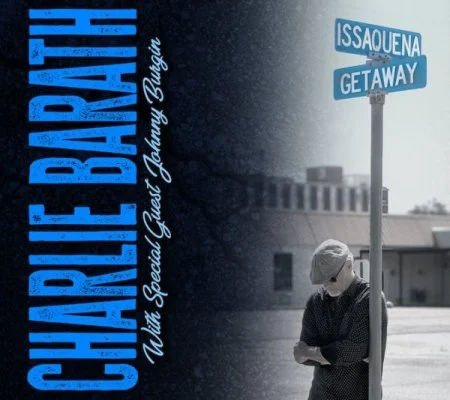
Issaquena Getaway stands as a definitive entry in Charlie Barath’s discography. It is an album that balances technical virtuosity with a relaxed, approachable atmosphere. By blending the raw energy of the Mississippi Delta with the sophisticated swing of jazz and the lyrical wit of folk, Barath has created a work that appeals to both the purist and the casual listener.
The 60-minute runtime is substantial, yet the variety in arrangements and the high level of instrumental interplay prevent the material from feeling repetitive. The contributions of the backing band—Burgin, Sherer, Yacovone, Law, and Banks—are indispensable, providing a professional polish that elevates the self-released project to the level of a major label production. As the blues continues to evolve in the 21st century, records like Issaquena Getaway serve as a reminder that the genre’s strength lies in its ability to adapt and swing while remaining true to its soulful foundations.