Anna McLuckie Redefines the Cultural Legacy of the Clàrsach with New Album The Little Winters


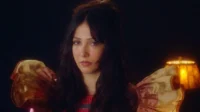
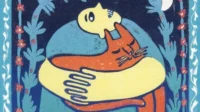
Edinburgh-born musician and songwriter Anna McLuckie has announced the release of her second studio album, The Little Winters, scheduled for April 24, 2026, under the Hudson Records label. This project marks a significant evolution in McLuckie’s career, moving beyond the traditional boundaries of the clàrsach—the Scottish harp—to integrate contemporary folk-pop sensibilities with deep-rooted historical and botanical themes. Following her critically acclaimed 2021 debut, Today, Everyday, this new body of work represents a sophisticated maturation of her songwriting, blending the ancient resonance of her instrument with modern lyrical narratives. The album arrives at a time of renewed interest in Gaelic cultural heritage, positioning McLuckie as a central figure in the contemporary British folk landscape.
The Historical and Political Evolution of the Clàrsach
To understand the significance of McLuckie’s work, one must consider the instrument that anchors her sound. The clàrsach, or Celtic harp, occupies a unique position in the history of Northern European music. While the eighth century is frequently characterized by advancements in agriculture—such as the heavy plough and the horse collar—or military innovations like the Viking sword, historical evidence suggests a parallel flourishing of the arts. Pictish decorated stones, some dating back thirteen centuries, provide the earliest depictions of harp-like instruments in what is now Scotland. These archaeological records indicate that the clàrsach was not merely a peripheral curiosity but a central element of social and ceremonial life.
The instrument’s journey from ancient courts to modern concert halls is marked by periods of decline and intense political reclamation. During the late nineteenth century, the clàrsach emerged as a potent symbol of Gaelic identity during the Celtic cultural revival. In both Scotland and Ireland, nationalists sought to distance their cultural output from English influences. The clàrsach was championed as a purely indigenous alternative to the large, sophisticated pedal harps manufactured in London and Paris. This revival transformed the instrument into a vehicle for political expression and a symbol of resistance against cultural homogenization. Today, the sound of the clàrsach remains inextricably linked to the wild landscapes of the Highlands and the broader concept of Gaelic freedom.
Anna McLuckie and the Modernization of Tradition
While the clàrsach has enjoyed a surge in popularity, contemporary players often find themselves confined by the weight of its traditional repertoire. Anna McLuckie has distinguished herself by treating the instrument not as a museum piece, but as a versatile tool for modern storytelling. Her debut album, Today, Everyday, established her ability to pair complex melodic structures with a pop-inflected vocal delivery. Industry analysts noted that her approach bypassed the "cloying" sentimentality sometimes associated with harp music, offering instead a "birds-of-prey" precision that commanded attention.
In The Little Winters, McLuckie pushes this experimentation further. The album is characterized by a "refreshing economy," where every note and lyric serves a specific thematic purpose. Her mastery of the instrument allows her to harness its inherent nostalgia while grounding it in sharply observed poetic detail. This balance is particularly evident in the lead single, "Bitten Winter Skin," which explores the Gaelic concept of cianalas. Similar to the Welsh hiraeth, cianalas describes a profound sense of longing or homesickness for a place that may no longer exist as one remembers it. By translating this abstract emotion into the delicate plucking of strings, McLuckie bridges the gap between ancient sentiment and modern experience.
The Botanical Narrative of The Little Winters
The title of the album refers to an American agricultural concept: the "little winters." These are the late, unexpected frosts that occur in spring, often catching the landscape in a vulnerable state of transition. In traditional farming lore, these frosts are named after the plants they affect or coincide with, such as the "Redbud Winter," "Dogwood Winter," or "Blackberry Winter." While these cold snaps can be damaging, they are also considered a necessary part of the seasonal cycle, toughening the plants that survive them.
McLuckie uses this metaphor to structure the album’s narrative. The opening track, "Blackberry Love," serves as a lyrical incantation, listing five specific plants—Redbud, Dogwood, Locust, Blackberry, and Britches—as if casting a spell over the listener. This "practical magic" permeates the record, suggesting that there is a quiet power in the resilience required to survive unexpected hardships. Other tracks, such as "I Promise To Linger," utilize the harp’s swooping flourishes to mimic the feeling of a "love charm," further blending botanical reality with folklore.
Collaborations and Sonic Architecture
The Little Winters is not a solitary effort; it features a rich tapestry of sounds contributed by key figures in the UK folk scene. Cellist Awen Blandford provides a "billowing" foundation to several tracks, most notably on "Jay Bird," a song that departs from the album’s more somber moments to offer a "joyous romp" through an urban setting. The addition of Sean Rogan’s banjo on this track highlights McLuckie’s willingness to look toward American folk traditions, creating a transatlantic dialogue within her music.
The album also explores experimental sonic territories. The track "Winterlude" acts as a bridge to "Jay Bird," utilizing field recordings and low-level drones to create an atmospheric "spoken word" introduction. This willingness to incorporate non-traditional sounds—including distorted field recordings and "spooky" textures—demonstrates McLuckie’s commitment to expanding the clàrsach’s sonic palette.
One of the most poignant moments on the album is "New Northern Lullaby," a near-instrumental piece dedicated to the city of Manchester. McLuckie lived in the city for eight years, a period that significantly influenced her musical development and her exposure to the broader UK indie and folk scenes. The track captures the essence of a "rainy backdrop," using the cello and harp to navigate a spectrum of emotions ranging from gratitude to the quiet melancholy of departure.
Reinterpreting the Folk Canon: The Dark Island
The album concludes with its only non-original composition, "The Dark Island." This track serves as a case study in how folk music evolves over time. Originally written as an instrumental tune in the 1950s by Iain MacLachlan, it gained lyrics in 1963 by David Silver for a BBC television series of the same name. Since then, it has become a staple of the Scottish folk tradition, often performed with a sense of straightforward longing.
McLuckie’s interpretation, however, leans into the song’s darker, more "gothic" possibilities. She alternates between yearning verses and "darkly insistent" instrumental sections, ending the album on a mysterious note filled with distorted sounds and field recordings. This choice reflects the overarching theme of the album: that the past is never truly static, but is constantly being reshaped by the present.
Chronology of Release and Tour Schedule
The rollout for The Little Winters is supported by an extensive tour across the United Kingdom, focusing on intimate venues that complement the album’s atmospheric nature.
Project Timeline:
- 2021: Release of debut album Today, Everyday.
- 2024-2025: Writing and recording of The Little Winters with Hudson Records.
- April 24, 2026: Official release of The Little Winters.
- May-June 2026: UK Album Tour.
Confirmed Tour Dates:
- May 08: Sussex – Singing With Nightingales
- May 17: Cambridge – Fae Folk Sessions
- May 23: The Late Spring Folk Festival – Drummer Down Farm
- May 24: Manchester – The Carlton Club
- May 26: Bristol – Greenbank Folk Club
- May 27: London – Jamboree Venue
- May 28: Leominster – The Rankin Club
- May 29: Bewdley – St Anne’s Church
- May 30: Bridgnorth – St Leonard’s Church
- May 31: Much Wenlock – Much Wenlock Abbey
- June 03: Glasgow – The Old Hairdressers
- June 04: Helensburgh – Cove Park
- June 05: Oban – The Rockfield Centre
- June 06: Edinburgh – Pianodrome
Broader Impact and Implications for British Folk
The release of The Little Winters arrives at a critical juncture for the British folk industry. In recent years, there has been a notable shift toward "alt-folk" artists who utilize traditional instruments to explore contemporary themes such as climate change, urban isolation, and identity politics. McLuckie’s work fits squarely within this movement, yet it remains distinct due to her specific focus on the clàrsach’s historical and cultural weight.
By integrating American botanical lore with Gaelic concepts like cianalas, McLuckie is participating in a globalization of folk music that respects local roots while seeking universal resonance. Critics argue that her ability to deliver "heavy themes lightly" makes her work accessible to a broader audience without sacrificing intellectual or emotional depth. As she moves from the "pensive, exploratory" harp work of her Manchester years to the "formidable talent" displayed on this new record, McLuckie is not just playing an ancient instrument; she is ensuring its relevance for a new century.
The Little Winters is more than a collection of songs; it is a meticulously crafted exploration of place, time, and the resilience of the natural world. For Hudson Records and the wider folk community, the album serves as a testament to the enduring power of the clàrsach when placed in the hands of a musician capable of bridging the thirteen-hundred-year gap between its Pictish origins and the complexities of the modern era.
Related posts: