Beatrice Dillon Announces New Double-Single "Seven Reorganisations" on New Label HI, Marking a Significant Acoustic Evolution

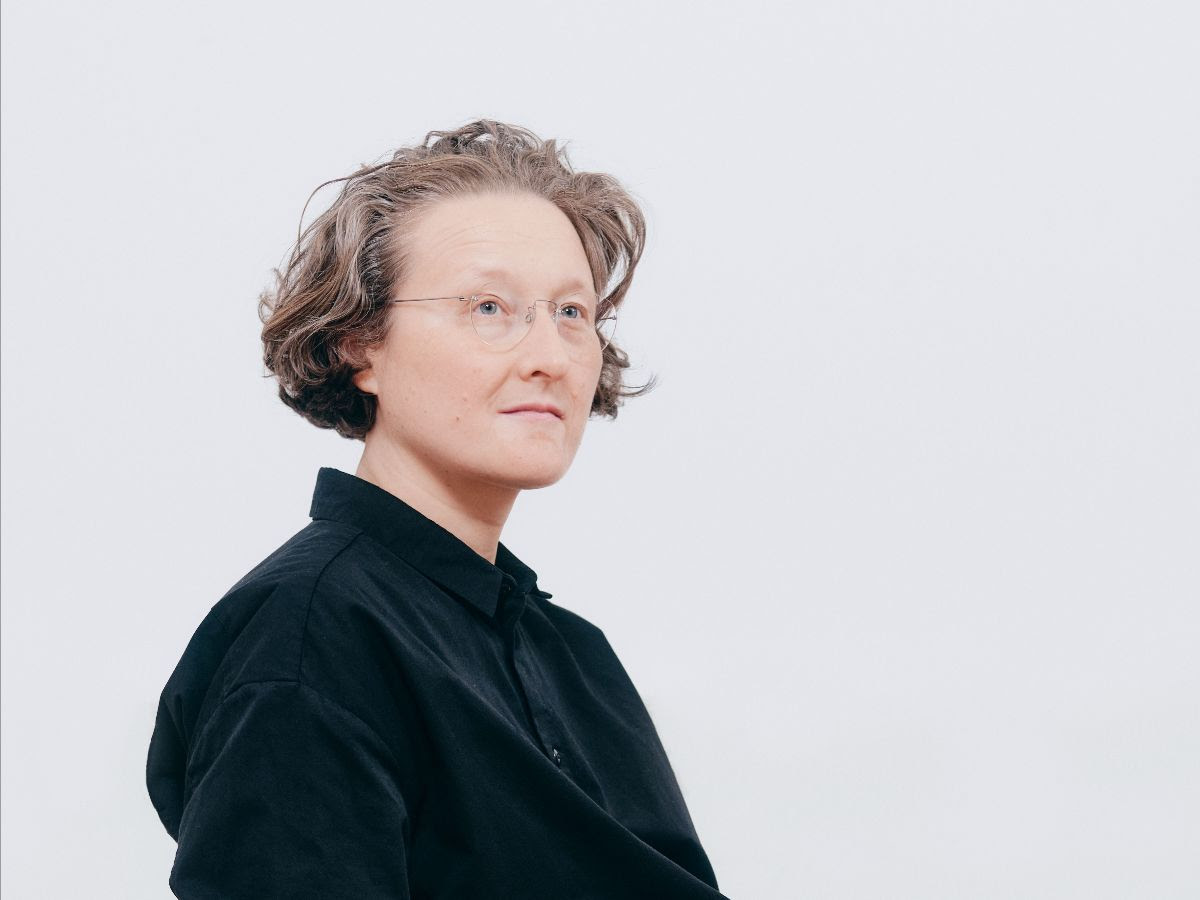
Beatrice Dillon, the acclaimed British artist and producer renowned for her meticulous and often rhythmically complex electronic compositions, is poised to release a new double-single titled Seven Reorganisations next month. This forthcoming work, scheduled for November 1, 2024, represents not only the inaugural release on Dillon’s newly established label, HI, but also a profound artistic pivot towards an entirely acoustic soundscape. The project, which diverges significantly from the distinct electronic textures of her critically lauded 2020 album, Workaround, has been described by those familiar with her extensive discography as less a radical departure and more an organic evolution, wherein the subtle acoustic elements previously woven into her electronic tapestries are now brought to the forefront and embraced in their totality.
Beatrice Dillon: An Overview of an Evolving Artist
Beatrice Dillon has carved out a singular niche within contemporary electronic music, earning widespread recognition for her innovative approach to rhythm, space, and timbre. Her artistic practice is characterized by a precise, almost architectural construction of sound, often employing intricate percussive patterns, subtly shifting textures, and a keen sense of spatial dynamics. Before the release of Workaround, Dillon had built a formidable reputation through a series of EPs and collaborations, including her highly regarded 2017 collaboration with Rupert Clervaux, Studies for a Deconstructed Turntable, and various contributions to compilations on labels like Hessle Audio, The Trilogy Tapes, and Where To Now?. Her work consistently challenges conventional genre boundaries, drawing influences from minimalist composition, dub, techno, and various forms of experimental music, yet always filtered through her distinctive sonic lens. Her meticulous sound design and academic rigor have positioned her as a thought leader in the experimental electronic sphere, often prompting listeners to re-evaluate their understanding of rhythm and sonic texture.
Workaround, released on PAN in 2020, was a landmark album that solidified her status as a vital voice in experimental electronic music. It garnered widespread critical acclaim for its hypnotic rhythms, intricate sonic details, and a sound design that felt both alien and deeply immersive. The album’s production was notable for its fusion of digital precision with organic-sounding elements, often blurring the lines between synthesized and real-world textures. Its success underscored Dillon’s mastery of creating compelling narratives through abstract sound, often leaving listeners to ponder the interplay of pattern, repetition, and subtle variation. The album’s meticulousness and conceptual rigor set a high bar, making any subsequent release from Dillon a subject of considerable anticipation within the global experimental music community. The critical consensus praised Workaround for its originality and its ability to construct complex emotional landscapes from seemingly sparse elements, a hallmark of Dillon’s unique artistry.
The Genesis of "Seven Reorganisations": A Commission’s Journey
The conceptual and compositional journey of Seven Reorganisations began in 2022 when Dillon received a commission from artist Mark Fell for Sheffield’s No Bounds Festival. No Bounds, an annual event held in the UK city of Sheffield, has established itself as a premier platform for cutting-edge electronic music, club culture, and digital art. Known for its adventurous programming and its embrace of multidisciplinary approaches, the festival frequently commissions new works that push artistic boundaries, fostering a dynamic environment for experimentation. Mark Fell himself is a highly influential figure in experimental electronic music and contemporary art, recognized for his algorithmic compositions, explorations of rhythm and perception, and his deep theoretical engagement with sound. His own work often involves complex systems and a rigorous, almost academic, approach to musical structure, making him an ideal collaborator and commissioner for an artist of Dillon’s intellectual caliber. Their shared interest in the underlying mechanics of sound and perception likely facilitated this unique collaboration.
The decision by Fell to commission an entirely acoustic piece from Dillon for a festival largely associated with electronic music speaks volumes about their shared artistic sensibilities and their willingness to explore unexpected territories. It suggests a mutual understanding of sound as a malleable medium, transcending the specific tools used for its creation. This commission provided Dillon with a unique opportunity to delve into an entirely different palette, moving away from the electronic instruments and digital processing that characterized much of her previous output, and instead focusing on the unamplified resonance of traditional orchestral instruments. This initial impetus at No Bounds Festival laid the groundwork for what would become Seven Reorganisations, allowing the embryonic ideas to germinate and evolve into a fully realized recording. The festival context also provided a live performance setting, which proved crucial for the development of the work, as evidenced by the inclusion of live versions on the final release.
HI: A New Platform for Artistic Autonomy
The launch of HI, Beatrice Dillon’s own record label, with Seven Reorganisations as its debut offering, signifies a crucial step in her career towards greater artistic autonomy and control. In an increasingly complex and competitive music industry, artists establishing their own imprints is a growing trend, driven by a desire to curate their output, maintain creative integrity, and often to provide a platform for like-minded artists. For an artist of Dillon’s reputation, known for her precise vision and uncompromising standards, launching HI appears to be a natural progression. It grants her complete control over the presentation, distribution, and future direction of her work, free from the constraints or commercial pressures that might arise from external labels. This move is indicative of a broader trend among established experimental artists who seek to bypass traditional industry gatekeepers and foster a more direct relationship with their audience and collaborators.
While details about HI’s broader mission or future roster remain to be fully unveiled, its inaugural release provides strong indicators of its likely artistic ethos. By choosing a deeply conceptual and acoustically focused project as its first statement, HI immediately signals a commitment to experimentalism, artistic rigor, and a willingness to explore sounds that might not fit neatly into established categories. This move positions HI not merely as a vanity project, but as a serious venture dedicated to fostering unique and challenging sonic explorations, potentially becoming a significant new outlet for contemporary experimental music. The label’s name itself, a simple, almost unassuming monosyllable, perhaps reflects Dillon’s aesthetic of minimalism and directness, allowing the music to speak for itself without elaborate branding, focusing purely on the sonic content.
The Explore Ensemble: Crafting Acoustic Intricacy
To realize the intricate acoustic vision of Seven Reorganisations, Beatrice Dillon collaborated with the UK contemporary classical sextet, Explore Ensemble. Founded in 2012 by composer and conductor Nicholas Peters, Explore Ensemble has rapidly established itself as one of the leading new music ensembles in the UK, dedicated to performing challenging contemporary repertoire and commissioning new works. They are celebrated for their virtuosic playing, deep interpretive understanding, and their commitment to pushing the boundaries of acoustic performance. The ensemble typically features a flexible lineup, but for this project, Dillon utilized a specific configuration: piano, violin, viola, cello, flute, and bass clarinet. This particular instrumentation offers a rich tapestry of timbral possibilities, ranging from the crystalline clarity of the flute to the resonant depth of the cello and bass clarinet, all grounded by the percussive and harmonic potential of the piano. The diverse timbres of these instruments provided Dillon with a vast sonic palette to explore the subtle nuances she is known for.
Dillon’s choice of Explore Ensemble was undoubtedly deliberate. Her compositions, even in their electronic form, often possess a structural clarity and a delicate interplay of voices that align well with the interpretive skills of classically trained musicians. Working with an ensemble like Explore allowed her to translate her meticulous rhythmic and textural ideas into the nuanced language of acoustic instruments, where subtle variations in attack, decay, intonation, and articulation become paramount. Dillon herself expressed profound gratitude for their contribution, stating, "So grateful to Explore Ensemble for their delicate playing," a testament to their ability to capture the subtle, slowly shifting patterns central to her new work. Their expertise in navigating complex scores and their sensitivity to dynamic and timbral detail were evidently crucial in bringing Seven Reorganisations to life with the required precision and expressiveness, allowing the natural resonance and imperfections of acoustic sound to contribute to the overall texture.
Conceptual Depth: W.R. Bion and the Philosophy of Space
At the core of Seven Reorganisations lies a profound conceptual underpinning, rooted in the psychoanalytic theories of Wilfred Bion. The project is described as an exploration of W.R. Bion’s belief that "the inability to tolerate empty space limits the amount of space available." Wilfred Bion (1897-1979) was a highly influential British psychoanalyst, known for his groundbreaking work on group dynamics, thought processes, and the nature of mental experience. His quote, often interpreted in a psychological context, suggests that our internal resistance to ambiguity, uncertainty, or the unknown (metaphorical "empty space") can paradoxically constrict our capacity for growth, understanding, and the acceptance of new possibilities. This concept is particularly relevant in artistic creation, where the fear of the blank canvas or the silent score can stifle innovation.
Translating this psychological insight into a musical framework, Dillon appears to be exploring the sonic implications of presence and absence, density and sparseness. In music, "empty space" can refer to silence, rests, or passages with minimal instrumentation. Many composers use silence as a dramatic device, but Dillon’s interpretation seems to delve deeper, treating silence and spaciousness not merely as a contrast to sound, but as an active, generative force. Her previous electronic work often utilized judicious amounts of space, allowing individual sonic events to breathe and resonate. In Seven Reorganisations, this concept is amplified through the inherent characteristics of acoustic instruments, where the decay of a note, the resonance of a piano string, or the breath between phrases creates its own distinct "space." By consciously embracing and allowing these acoustic spaces to unfold, Dillon challenges both the performers and the listeners to "tolerate" and ultimately appreciate the richness that emerges from apparent emptiness, thereby expanding the perceived sonic "space available." This intellectual rigor applied to musical composition elevates Seven Reorganisations beyond mere sound art into a contemplative artistic statement, inviting a deeper, more mindful engagement with the act of listening.
From Electronics to Acoustics: An Artistic Evolution
The shift from the distinct electronics of Workaround to the entirely acoustic composition of Seven Reorganisations marks a significant phase in Beatrice Dillon’s artistic trajectory. While superficially appearing as a drastic change, the prevailing narrative, as hinted at by the artist’s close circle, suggests this is an evolution rather than a complete departure. This perspective is crucial for understanding the continuity in Dillon’s artistic philosophy. Even in her most electronically dense pieces, there has always been a meticulous attention to the acoustic qualities of sounds, whether sampled, synthesized, or digitally manipulated. Her rhythms often possess a humanistic, almost percussive feel, and her textures frequently evoke organic materials, suggesting an underlying interest in the fundamental properties of sound, regardless of its source.
Dillon herself acknowledges this transition, calling it "a major shift in direction for me… exploring quieter, slowly shifting patterns within the acoustic realm of the sextet." This indicates a deliberate decision to apply her established compositional methodologies—her fascination with pattern, rhythm, and subtle transformation—to a new medium. The challenge lies in translating the precise control and infinite sonic possibilities of electronic production into the more physically constrained, yet richly expressive, world of acoustic instruments. Where Workaround might have used digital synthesis to create shimmering overtones or microtonal shifts with absolute control, Seven Reorganisations relies on the natural harmonics, sympathetic resonances, and the skilled articulation of the Explore Ensemble to achieve similar effects. The description of the recordings encouraging listeners to "revel in vibrant overtones and microtonal, timbral intricacy" reinforces this point, highlighting that these sophisticated sonic characteristics, previously achieved electronically, are now manifest through the inherent properties and careful arrangement of acoustic sound sources. This evolutionary step showcases Dillon’s versatility and her fundamental commitment to exploring sound itself, irrespective of its origin. It expands her artistic palette while retaining the core intellectual and aesthetic principles that define her work, demonstrating a remarkable fluency across different musical languages.
Track Breakdown and Listening Experience
The double-single Seven Reorganisations is structured across four distinct tracks, offering listeners both studio and live interpretations of the core compositions. The tracklisting is as follows:
- Seven Reorganisations I
- Seven Reorganisations II
- Seven Reorganisations I (Live version)
- Seven Reorganisations II (Live version)
This presentation strategy, providing both studio-recorded and live performance versions, is particularly insightful. Studio recordings typically allow for meticulous layering, precise editing, and an optimized sonic environment, enabling the composer to present their work in its most refined and controlled form. These versions are likely to emphasize the intricate microtonal shifts and timbral details that Dillon meticulously crafted, offering a pristine window into her compositional intent. Conversely, the live versions offer a different, equally valuable perspective. They capture the immediacy, dynamic range, and subtle imperfections inherent in human performance, often imbuing the music with an added layer of vitality and spontaneous interpretation from the Explore Ensemble. The differences between the two sets of recordings will undoubtedly provide a fascinating study for listeners, revealing how the same compositional material can manifest differently under varying conditions, and how the inherent qualities of live performance can reshape the listener’s experience of space and time within the music. The emphasis on "vibrant overtones and microtonal, timbral intricacy" suggests a listening experience that rewards close attention, unfolding slowly and revealing new sonic dimensions with each engagement, encouraging repeated listening to uncover its depths.
Visual Storytelling: Artwork and Aesthetic
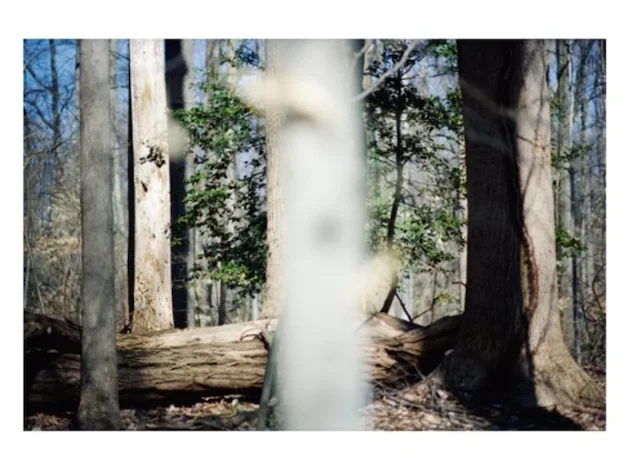
Complementing the profound musical and conceptual depth of Seven Reorganisations is its thoughtfully curated visual aesthetic. The cover photograph, captured by Emile Holba, is taken from the series "Woods" by US fine-art photographer Terri Weifenbach. Weifenbach is celebrated for her evocative and often painterly photographs of natural landscapes, particularly her ability to capture the ephemeral beauty and intricate details of the natural world. Her "Woods" series, from which this image is drawn, is characterized by its soft focus, rich textures, and a sense of quiet contemplation, often blurring the lines between reality and abstraction. Weifenbach’s work frequently invites viewers to slow down and observe the subtle shifts and hidden intricacies within seemingly ordinary natural scenes.
The choice of this specific artwork is highly congruent with the themes explored in Dillon’s music. Weifenbach’s photographs often evoke a sense of spaciousness, delicate shifts in light and shadow, and an appreciation for the subtle intricacies of natural forms—parallels to Dillon’s musical exploration of "empty space," "slowly shifting patterns," and "timbral intricacy." The visual softness and organic feel of the photograph stand in stark contrast to the often stark, digital aesthetics associated with electronic music, further emphasizing Dillon’s artistic pivot towards a more natural and resonant sound world. The artwork thus serves not merely as a decorative element but as an integral part of the overall artistic statement, guiding the listener into the contemplative and subtly