Dave Grohl: “It’s Hard Not to Feel Political Living in America… There Needs to Be Change”

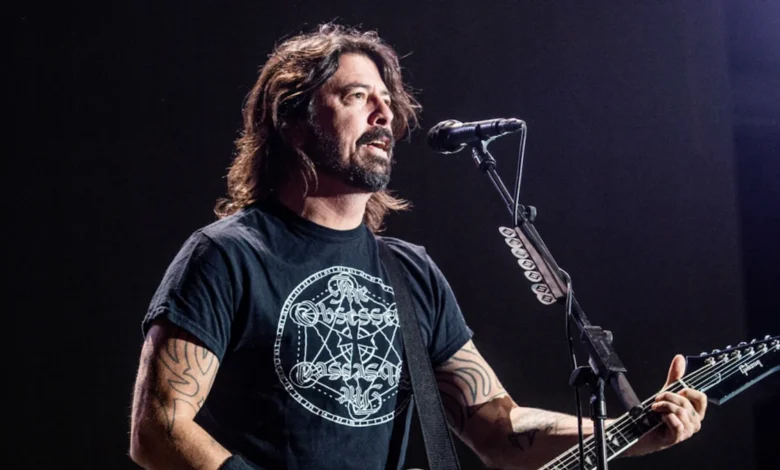
In a notable departure from his typically apolitical public persona, rock icon Dave Grohl recently articulated a profound sense of political disquiet regarding the state of the United States. During an interview with the Irish Times, the frontman for the Foo Fighters expressed that it has become increasingly challenging to remain detached from the political landscape, citing deep divisions, pervasive injustice, and an environment rife with hate and fear. This uncharacteristic candor from Grohl, known for his affable demeanor and focus on music over partisan commentary, has drawn significant attention, particularly as his band prepares to release their new album, Your Favorite Toy, on April 24th.
A Shift in Public Stance: Grohl’s Unprecedented Candor
Grohl’s comments during the Irish Times interview represent a significant moment for an artist who has largely cultivated an image of universal appeal, often steering clear of the polarizing rhetoric that can accompany political engagement. His statement, "Fucking Neil Young is angrier than ever — jeez, Louise… But, yeah, of course, it’s hard not to feel political living in America, where we’re deeply divided. And there’s injustice, and there’s so much hate and fear, and it’s such a drag," underscored a personal weariness with the prevailing societal atmosphere. He further elaborated on his philosophy, adding, "I try to love everyone, because I think that’s what you’re supposed to do — and I do. But there needs to be change in that direction, and it’s been hard to find in the States."
This sentiment, while expressed with Grohl’s characteristic earnestness, signals a notable evolution in his public discourse. For decades, Grohl has been celebrated as one of rock music’s most genuinely beloved figures, admired for his relentless work ethic, humility, and an ability to connect with audiences across diverse demographics. His journey from the drumming powerhouse of Nirvana to the charismatic leader of the Foo Fighters has been marked by a conscious effort to embrace life and foster community through music, a philosophy famously adopted after the tragic loss of Kurt Cobain. This "chose life" ethos has often translated into a preference for unity and positivity, making his recent remarks on national division all the more impactful.
The Context of Growing Political Engagement Among Artists
Grohl’s willingness to speak out aligns him with a long tradition of musicians using their platforms to address societal and political issues, a practice that has seen a resurgence in recent years. Historically, artists like Bob Dylan, John Lennon, Nina Simone, and Marvin Gaye bravely challenged the status quo, their music becoming anthems for social change. In more contemporary times, bands like U2, Pearl Jam, and Rage Against the Machine have maintained overtly political stances, weaving their activism into their artistic output and public statements.
The specific comparison to Neil Young is particularly illuminating. Young has been an unwavering voice of protest and social commentary throughout his career, from his anti-war anthem "Ohio" to his more recent criticisms of digital misinformation and political figures. Grohl’s observation that "Neil Young is angrier than ever" suggests that the current socio-political climate is so fraught that even artists who typically eschew direct political commentary are finding it increasingly difficult to remain silent. It implies a shared frustration that transcends individual political leanings, rooted in a broader concern for the nation’s well-being. This convergence of sentiment between artists of differing public personas highlights the intensity of the current political moment in America, where the pressure to engage, even for those who prefer not to, has become palpable.
Chronology of Grohl’s Evolving Political Expression
While Grohl has generally maintained an apolitical public image, there have been sporadic instances that hinted at his underlying convictions. The most prominent example prior to his Irish Times interview occurred during the 2024 election cycle. Reports emerged that former President Donald Trump was using the Foo Fighters’ iconic track "My Hero" at his political rallies. In response, the band issued a clear statement, demanding that Trump cease using their music and unequivocally distancing themselves from his campaign. Further demonstrating their stance, the band reportedly donated proceeds derived from the song to Kamala Harris’s campaign.
This action, though less direct than a verbal political endorsement, was a significant step for Grohl and the Foo Fighters. It moved beyond a generic request for political figures to stop using their music without permission (a common complaint from many artists) to an explicit alignment with one political candidate over another through financial contribution. This indicated a growing discomfort with the political landscape and a willingness to act, albeit through official band channels, to express their values.
Other, more subtle instances of Grohl’s social consciousness can be inferred from his involvement in various charitable initiatives and his consistent messaging about empathy and community. While these efforts rarely carried explicit political labels, they consistently promoted values often associated with progressive social thought, such as compassion, unity, and support for marginalized communities. His current statement, however, marks a clear escalation, moving from reactive measures to a proactive, direct verbal articulation of political frustration.
The American Political Landscape: A Nation Divided
Grohl’s comments about America being "deeply divided" resonate with a broad consensus regarding the current state of U.S. politics. Data from various polling organizations consistently illustrates a stark partisan divide on numerous issues, including economic policy, social justice, climate change, and cultural values. Research from the Pew Research Center, for instance, has documented a widening ideological gap between Democrats and Republicans over the past several decades, leading to increased political polarization and decreased bipartisan cooperation.
This division extends beyond policy debates, manifesting as deep cultural rifts and mutual distrust between different segments of the population. Social media platforms, while facilitating communication, have also been criticized for amplifying echo chambers and contributing to a highly charged, often vitriolic, public discourse. Issues such as racial injustice, LGBTQ+ rights, reproductive rights, and immigration have become flashpoints, fueling widespread protests and intense political debates. The perception of "injustice," "hate," and "fear" that Grohl articulated is a direct reflection of these societal tensions, which have created an environment where many public figures feel compelled to address the broader malaise, even if it means stepping outside their traditional roles.
Implications of Grohl’s Statement
Grohl’s public foray into political commentary carries several potential implications, both for his own career and the broader cultural sphere.
For Dave Grohl and the Foo Fighters:
- A Potential Shift in Persona: This statement could signal a more outspoken future for Grohl, challenging his long-held image as a universally palatable, apolitical rock star. While unlikely to transform him into an overt political activist, it may open the door for more frequent, albeit measured, expressions of his social and political views.
- Fan Reception: The Foo Fighters boast a diverse fanbase, encompassing various political leanings. While many fans will likely applaud Grohl’s courage and candor, some may express disappointment, preferring that their beloved artist remain focused solely on music. This is a common challenge for artists who venture into political territory, risking alienating segments of their audience.
- Artistic Influence: It remains to be seen if Grohl’s heightened political awareness will subtly influence the lyrical themes or underlying messages of future Foo Fighters’ music. While the band’s songs are typically anthemic and emotionally resonant, they rarely delve into explicit political narratives. However, themes of unity, resilience, and overcoming adversity – often present in their work – could take on new layers of meaning in the context of his recent statements.
For the Broader Cultural Landscape:
- Encouraging Other Artists: When a widely respected, mainstream figure like Grohl speaks out, it can embolden other artists who may have been hesitant to share their political views. His stature and the general goodwill he commands lend weight to his words, potentially fostering a more open environment for artistic political expression.
- Impact on Public Discourse: Grohl’s call for "change" in a nation "deeply divided" adds a significant voice to the growing chorus of public figures advocating for unity and addressing societal fractures. While not offering specific policy solutions, his appeal for a more loving and less hateful society resonates on a fundamental human level, potentially influencing public dialogue.
- Media Focus: This rare moment of direct political commentary from Grohl will undoubtedly be a point of discussion in music journalism and broader news outlets, highlighting the increasing pressure on cultural figures to engage with the political realities of their time.
The New Album: Your Favorite Toy
The timing of Grohl’s interview, coinciding with the impending release of Foo Fighters’ new album, Your Favorite Toy, on April 24th, adds another layer of intrigue. While it is common for artists to conduct extensive interviews as part of their promotional cycles, it is rare for an artist like Grohl to use such a platform for direct political commentary without a clear thematic link to the album itself.
Historically, Foo Fighters’ albums have explored themes of loss, hope, perseverance, and human connection, often drawing from Grohl’s personal experiences. There is no immediate indication that Your Favorite Toy is an overtly political album, but the emotional landscape described by Grohl – division, injustice, hate, and fear – could subtly inform the lyrical content or the overall mood of the record. Listeners may now approach the album with an added lens, searching for echoes of Grohl’s expressed concerns within the new songs. The album’s reception will be closely watched, not only for its musical merit but also for any perceived reflection of the socio-political climate that has prompted Grohl to break his long-standing silence.
In conclusion, Dave Grohl’s recent statements to the Irish Times mark a significant moment in his illustrious career, representing a clear departure from his carefully maintained apolitical public image. His articulation of frustration with America’s deep divisions and his call for change underscore a growing sentiment among public figures that silence on critical societal issues is no longer a viable option. As the Foo Fighters prepare to release Your Favorite Toy, the conversation surrounding Grohl’s political candor is likely to continue, adding a compelling new dimension to the legacy of one of rock music’s most enduring and respected figures. This development highlights the intensifying pressure on artists to engage with the complex realities of the modern world, even those who have historically preferred to let their music speak for itself.