Matthew Stevens Announces Self Titled Album Representing Midcareer Mission Statement on Candid Records


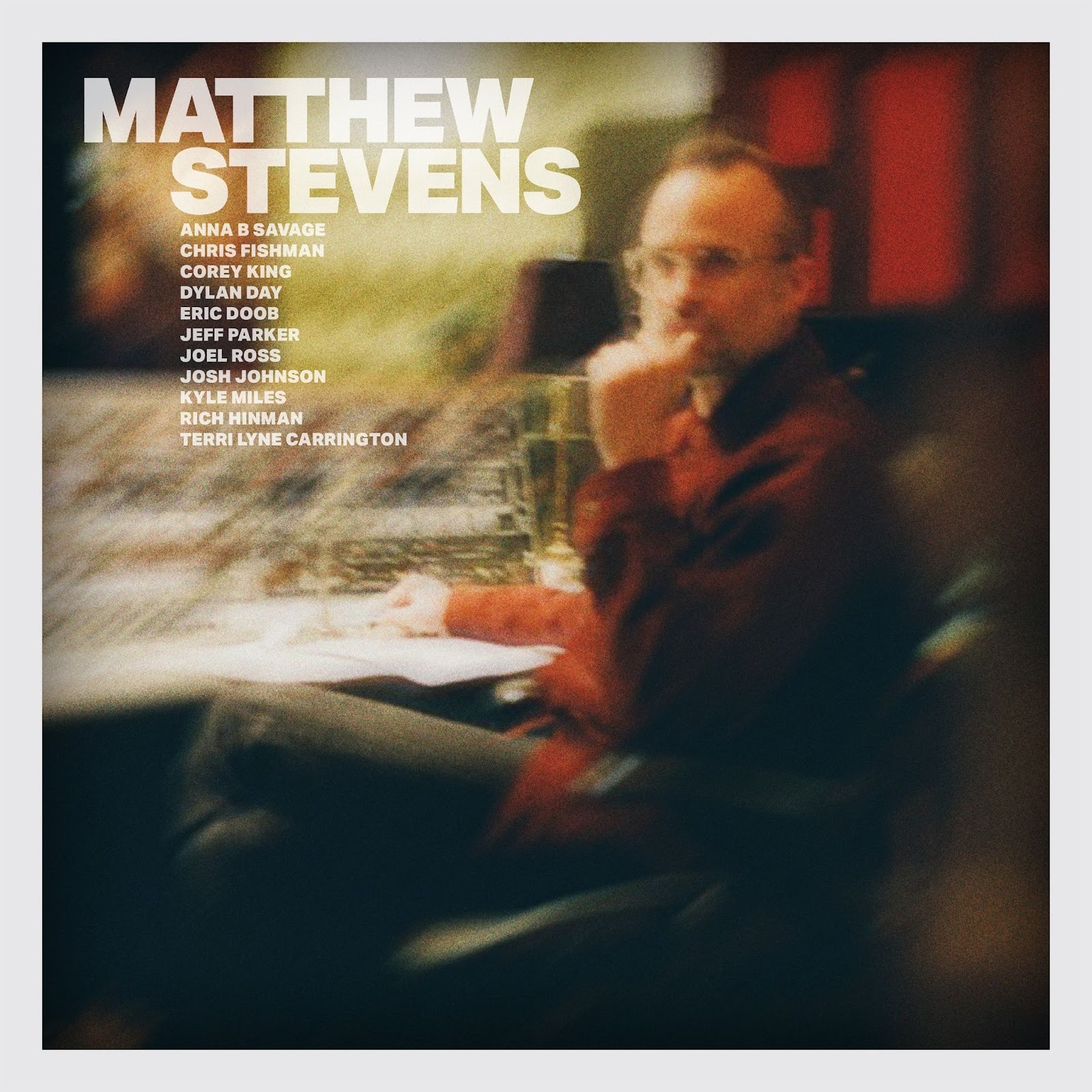
Guitarist, producer, and songwriter Matthew Stevens is set to release his self-titled album, Matthew Stevens, on May 8 via Candid Records, marking a significant milestone that the artist describes as a "midcareer mission statement." This forthcoming project serves as a definitive summary of Stevens’ artistic journey to date, synthesizing the diverse sonic palettes he has explored over the last decade into a singular, cohesive narrative. Co-produced with longtime collaborators saxophonist Josh Johnson and percussionist Eric Doob, the album is positioned to be a landmark release in the contemporary jazz and improvised music landscape, blending acoustic intimacy with electric experimentation.
The announcement comes at a time when Stevens has solidified his reputation as one of the most versatile and sought-after musicians of his generation. By choosing a self-titled moniker for this release, Stevens signals a moment of self-actualization, moving beyond the experimental phases of his earlier solo discography to present a fully realized version of his musical identity. The project is characterized by a set of genre-spanning originals and deeply personal reinterpretations, reflecting a career spent at the intersection of traditional jazz, indie rock, and avant-garde exploration.
A Definitive Statement of Artistic Identity
The decision to label an album as a "mission statement" often implies a period of reflection and consolidation. For Matthew Stevens, this record represents the convergence of his various roles as a performer, composer, and producer. Since his emergence on the New York scene, Stevens has been recognized for a guitar style that eschews clichés, favoring linear phrasing, complex rhythmic structures, and a sophisticated use of texture.
This new self-titled work is designed to highlight the evolution of that voice. According to preliminary details regarding the release, the album balances the raw, unprocessed energy of his live performances with the meticulous detail of his studio production work. The inclusion of both acoustic and electric textures is not merely a stylistic choice but a reflection of Stevens’ dualistic approach to the instrument—using the acoustic guitar for harmonic clarity and the electric guitar for atmospheric and rhythmic density.
The Evolution of a Modern Guitar Voice: A Chronological Perspective
To understand the weight of the upcoming self-titled album, it is necessary to examine the trajectory of Stevens’ previous solo releases. Each record has functioned as a building block toward this midcareer synthesis.
In 2015, Stevens released Woodwork, his debut as a leader. The album was praised for its organic warmth and the seamless integration of the guitar within a quintet setting. It established his ability to write melodies that felt both modern and timeless. Following this, the 2017 release Preverbal saw Stevens leaning into more aggressive, electronic-tinged textures. This period was marked by an exploration of how digital processing and high-gain amplification could coexist with jazz improvisation, challenging the boundaries of the genre.
In 2021, Stevens took a drastic turn with Pittsburgh, a solo acoustic album recorded during a period of isolation. The record stripped away all ornamentation, focusing on the purity of the instrument and the vulnerability of the performer. Critics noted that Pittsburgh revealed a different side of Stevens—one that was deeply introspective and technically masterful in a traditional sense.
The upcoming album, Matthew Stevens, is described as a synthesis of these three distinct eras. It incorporates the ensemble writing of Woodwork, the sonic adventurousness of Preverbal, and the intimate clarity found in Pittsburgh. By merging these elements, Stevens provides a comprehensive look at his capabilities, effectively closing one chapter of his career while opening another.
Collaborative Dynamics and Multigenerational Synergy
One of the defining features of the new album is its impressive guest list, which reflects the breadth of Stevens’ influence and his standing within the global music community. The project features a multigenerational lineup of innovators, including:
- Terri Lyne Carrington: An NEA Jazz Master and multi-Grammy-winning drummer whose presence adds a layer of rhythmic sophistication and historical weight to the project.
- Joel Ross: The preeminent vibraphonist of his generation, known for his lyrical approach and rhythmic precision.
- Jeff Parker: A fellow guitarist and member of the band Tortoise, whose work in the "post-rock" and experimental jazz spheres has been a significant influence on Stevens.
- Anna B Savage: A London-based singer-songwriter whose inclusion suggests that the album will venture into vocal-led, atmospheric territories.
- Corey King: A trombonist and singer whose work bridges the gap between jazz and contemporary R&B.
The participation of these artists suggests a collaborative environment where Stevens acts as both a focal point and a facilitator. The chemistry between Stevens, Johnson, and Doob—the core production team—serves as the foundation upon which these guest contributions are layered. This "community-first" approach to recording has become a hallmark of Stevens’ work, particularly in his high-profile collaborations outside of his solo career.
Contextualizing Stevens Within the Contemporary Music Landscape
Beyond his solo output, Matthew Stevens has spent the last fifteen years as a vital contributor to some of the most influential jazz recordings of the 21st century. His work with bassist and vocalist Esperanza Spalding is perhaps his most visible collaboration. Stevens served as a key collaborator and producer on Spalding’s Grammy-winning projects, including 12 Little Spells and Songwrights Apothecary Lab. His ability to translate complex conceptual ideas into tangible musical arrangements was instrumental in the success of these works.
Furthermore, his long-standing partnership with saxophonist Walter Smith III and his contributions to the music of Chief Xian aTunde Adjuah (formerly Christian Scott) have positioned him as a central figure in the "New York Sound"—a movement characterized by a rejection of strict genre labels and an emphasis on rhythmic innovation and social consciousness.
The release of Matthew Stevens on Candid Records is also significant. Candid, a label with a storied history dating back to the 1960s, was recently revitalized under the leadership of Exceleration Music. The label’s roster now includes a mix of legendary figures and contemporary trailblazers. Stevens joining the Candid family places him in a lineage of artists who prioritize creative freedom and artistic integrity over commercial trends.
Production Aesthetics and Technical Sophistication
The technical aspects of the album’s production are expected to be a focal point for critics and audiophiles alike. Co-producers Josh Johnson and Eric Doob are both known for their modern approach to sound design. Johnson, who has worked with artists ranging from Leon Bridges to Jeff Parker, brings a keen ear for melodic phrasing and textural depth. Doob, a drummer with a deep understanding of groove and percussion, ensures that the album’s rhythmic foundation is both solid and fluid.
The "acoustic and electric textures" mentioned in the album’s announcement suggest a sophisticated layering process. In contemporary jazz, the challenge often lies in making electronic elements feel organic rather than tacked on. Given Stevens’ history with pedals, modeling amps, and studio processing, the album is likely to showcase a highly integrated sound where the line between a "natural" guitar tone and a "produced" sound is intentionally blurred.
Broader Impact and Industry Implications
The release of Matthew Stevens is more than just a new collection of songs; it is a signal of the shifting role of the "jazz guitarist" in the modern era. Stevens represents a generation of musicians who are equally comfortable in the role of a sideman, a leader, and a producer. This versatility is becoming increasingly necessary in an industry where artists are expected to manage multiple facets of their creative output.
Industry analysts suggest that self-titled albums at the "midcareer" mark often serve to re-establish an artist’s brand in an oversaturated digital market. By distilling his various influences into a single project, Stevens is creating a clear entry point for new listeners while rewarding long-time followers with a deeper exploration of his core sound.
Furthermore, the album’s blend of genres—spanning jazz, indie-folk, and experimental music—reflects the broader trend of "genre-fluidity" in the streaming age. As listeners move away from rigid category-based consumption, artists like Stevens, who can move seamlessly between different musical worlds, are finding larger and more diverse audiences.
Conclusion: A New Chapter
As the May 8 release date approaches, the anticipation surrounding Matthew Stevens continues to grow. The album promises to be a rigorous exploration of what it means to be a creative musician in the 2020s. It is a project shaped by "artistic growth and personal transformation," suggesting that the music is informed not just by technical practice, but by the lived experiences of the artist.
By synthesizing the "Woodwork," "Preverbal," and "Pittsburgh" eras, Stevens is not looking backward, but rather using his history as a springboard for future innovation. The result is an album that underscores an evolving voice—one that balances the spontaneity of improvisation with the craftsmanship of songwriting. For Matthew Stevens, this self-titled release is not just an album; it is a definitive declaration of where he has been and a clear indication of where he is headed next.
Related posts: