Ye’s Tumultuous Live Comeback: SoFi Stadium Triumph Collides with Wireless Festival Cancellation and Industry Reckoning

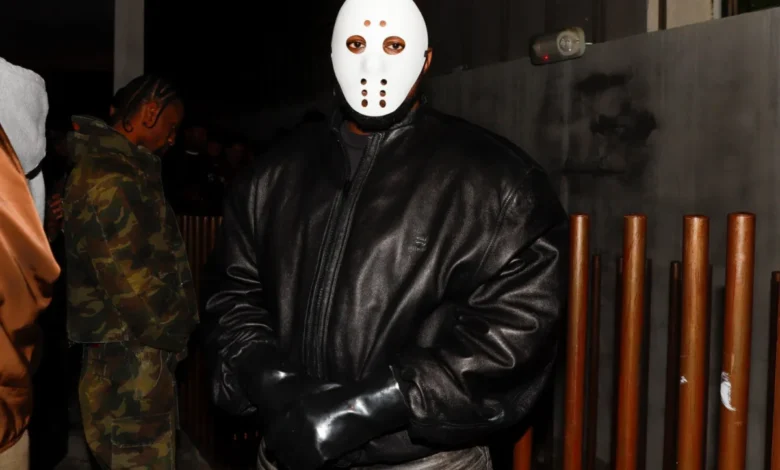
Earlier this month, Ye, the artist formerly known as Kanye West, demonstrated an undeniable and formidable drawing power in the live music market, staging two highly successful concerts at Los Angeles’ SoFi Stadium. These events, held on April 1 and 3, collectively grossed an astounding $32.6 million from 149,000 tickets sold, according to Billboard Boxscore. This impressive financial showing signaled a potential end to his years-long industry exile, largely stemming from a series of highly publicized antisemitic statements and controversial actions that had alienated many fans, corporate partners, and industry professionals. The immediate aftermath of these triumphant SoFi dates saw a major announcement from Wireless Festival on March 31, proclaiming Ye as the headliner for all three nights of their prestigious U.K. event, setting the stage for what appeared to be a full-scale return to the global touring circuit. However, this promising trajectory was swiftly interrupted by an intense wave of public and corporate backlash, ultimately leading to the festival’s cancellation and raising profound questions about the viability of his future in mainstream live entertainment.
The SoFi Stadium Resurgence: A Staggering Financial Display
The twin performances at SoFi Stadium marked Ye’s first U.S. shows since his collaborative "Free Larry Hoover benefit" concert with Drake on December 9, 2021. The overwhelming financial success of these recent Los Angeles dates cannot be overstated. A gross of $32.6 million from just two performances places them among the highest-earning single-artist engagements in recent memory, underscoring the fervent loyalty and significant demand that still exists within his fanbase. Each show, therefore, pulled in an average of $16.3 million and attracted nearly 75,000 attendees, a testament to his enduring cultural impact and artistic allure, irrespective of his controversies. These figures immediately fueled speculation within the industry that a larger, multi-city tour was not only feasible but potentially imminent.
The production behind the SoFi shows was a collaborative effort, presented by Rod Wave’s Live Nation-backed promotion company, Mainstay Touring. Christian Rainwater of Creatable Inflatables played a crucial role in bringing Ye’s ambitious stage designs to life, including a colossal inflatable globe upon which the artist dramatically walked during his performance. Rainwater, when contacted, admitted to initial hesitations, primarily due to Ye’s notorious pursuit of perfection and the tight timeline for a project that would typically demand several months. However, he emphasized that his concerns were purely logistical, not rooted in Ye’s public controversies. For Rainwater, the project represented a significant economic boon: "Because of this [project], he definitely helped 60 of my employees [who worked on it], if that makes any sense," Rainwater stated. "I’ve got to look out for my people, and that’s what we did. It definitely helped us a lot." This perspective highlights a recurring theme: while some industry players are hesitant due to Ye’s past, others prioritize the economic opportunities his projects create.
A Brief Window of Opportunity: The Wireless Festival Announcement
The SoFi Stadium triumph quickly paved the way for the Wireless Festival announcement. On March 31, the renowned U.K. music festival, known for its focus on hip-hop and urban music, revealed that Ye would be headlining all three nights of its upcoming June event. For many, this appeared to be the definitive sign that Ye was successfully navigating his return to the global stage. Wireless Festival is a major fixture in the European festival calendar, attracting hundreds of thousands of attendees annually, and securing a headliner of Ye’s caliber, particularly for three nights, is a significant booking. The announcement was initially met with excitement from a segment of his international fanbase, eager to witness the artist perform live after a period of limited appearances and intense public scrutiny.
The Unraveling: Public Outcry and Corporate Retreat
The celebratory mood, however, was short-lived. Just days after the final SoFi date, the booking ignited a fierce public backlash that quickly escalated into a full-blown crisis for Wireless Festival and for Ye’s comeback aspirations.
Background to Controversy: Ye’s Industry Exile
To understand the intensity of the blowback, it is essential to revisit the period preceding his attempted comeback. Throughout late 2022, Ye engaged in a series of highly inflammatory and antisemitic remarks. These included wearing a "White Lives Matter" shirt at Paris Fashion Week, making antisemitic comments on social media and in interviews (such as stating he would go "death con 3 on Jewish people"), and praising Hitler during an appearance on Alex Jones’ InfoWars. These actions led to the termination of lucrative partnerships with major brands like Adidas, Gap, and Balenciaga, costing him billions and effectively ostracizing him from significant portions of the fashion and music industries. His public image plummeted, and he became a pariah for many, creating a deep reservoir of public distrust and anger. This history formed the immediate context for the negative reaction to the Wireless Festival booking.

The Apology Attempt and Album Release
In an apparent effort to mend fences and pave the way for his return, Ye took out a full-page advertisement in The Wall Street Journal in January, offering an apology for his past actions. In the letter, he attributed some of his behavior to a 2002 car accident and revealed he had been diagnosed with bipolar type-1 disorder. This apology preceded the release of his most recent album, Bully, which debuted on March 28 and notably reached No. 2 on the Billboard 200 chart. While the apology and album release showed an intent to re-engage, for many, the sincerity and timing were viewed with skepticism, particularly given the severity of his prior statements.
Wireless Festival Blowback and Sponsor Exodus
The Wireless Festival booking brought Ye’s controversial past back to the forefront. Public pressure mounted rapidly, with social media campaigns and calls for the festival to drop him. Major sponsors of the event, including Diageo (parent company of Guinness and Smirnoff), Pepsi, and Rockstar Energy, began to pull their support. This corporate retreat underscored the increasing sensitivity of brands to align with figures deemed problematic, especially concerning issues of hate speech and discrimination. The financial implications of losing key sponsors for a major festival are substantial, placing immense pressure on organizers to reconsider their decisions.
Governmental Intervention: Visa Denial
The situation escalated further when the British government announced it had denied Ye a visa to enter the country. While specific reasons for visa denials are often not publicly detailed, it is understood that governments can deny entry based on an individual’s past conduct, particularly if there are concerns about public order, national security, or if their presence might incite hatred or discord. Given Ye’s history of antisemitic remarks, the U.K. government’s decision effectively rendered his headlining slot impossible, regardless of the festival’s wishes or the public outcry. This intervention highlighted the power of sovereign states to influence major cultural events and the touring prospects of controversial artists.
Cancellation Confirmed: A Setback for a Comeback
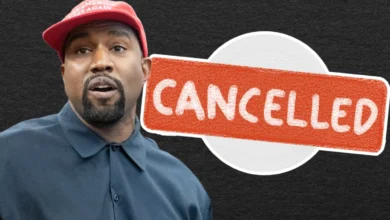
Following the withdrawal of sponsors and the definitive visa denial, Wireless Festival had no choice but to cancel Ye’s scheduled performances. This decision sent ripples through the music industry, leaving fans and professionals alike to ponder the implications for the once-untouchable star’s touring career.
Interestingly, even as the cancellation became inevitable, Melvin Benn, managing director of Wireless Festival parent Festival Republic, initially rushed to Ye’s defense. In a statement at the time, Benn wrote, “Forgiveness and giving people a second chance are becoming a lost virtue in this ever-increasing divisive world and I would ask people to reflect on their instant comments of disgust at the likelihood of him performing (as was mine) and offer some forgiveness and hope to him as I have decided to do.” Benn’s comments reflected a broader internal debate within the industry about balancing artistic freedom, commercial opportunity, and the moral responsibility to address an artist’s controversial past. While Benn expressed a desire for forgiveness, the practical realities of sponsor withdrawals and government intervention ultimately dictated the outcome.
Industry Perspectives: Demand vs. Feasibility
Billboard reached out to numerous industry professionals to gauge their perspectives on Ye’s touring prospects. While most declined to comment on the record, those who spoke provided a nuanced view of the challenges ahead. Prior to the Wireless Festival fallout, the consensus, fueled by the staggering SoFi grosses, was that a larger tour was absolutely "on the table." However, the U.K. cancellation prompted a significant reconsideration of that stance.
Jarred Arfa, executive vice president and head of global music at Independent Artist Group (IAG), articulated the prevailing sentiment after the Wireless Festival cancellation. "It’s still raw to a lot of people," Arfa told Billboard, acknowledging that while fan demand is undeniably present, the various entities required to mount a full-scale tour—venues, promoters, governmental authorities, and corporate partners—may simply need more time. "If he had tried to do this next year in London, and it had been two years with no incident, I think people are more forgiving over time."

Arfa continued, "I think it might be a little too quick for him. What did he have, ‘Heil Hitler’ out a year ago? You need a little time for people to forget that. Not the fans – the fans are there. But the authorities, the venues, the business side of it." His comments underscore the difference between an artist’s direct fanbase, who may separate the art from the artist or simply forgive quickly, and the institutional gatekeepers whose decisions are influenced by broader public sentiment, corporate responsibility, and regulatory frameworks.
Marcie Allen, co-owner of Nashville venue Anzie Blue, echoed the sentiment that while she personally could not support an artist "whose creativity has allowed hate towards women and the Jewish community to enter the chat alarmingly," Ye’s huge L.A. concert grosses indicate that many others would likely continue to support him. "Even if brands no longer sponsor his career or the events he is involved in, Kanye will still be successful – his revenue at SoFi Stadium proves me right," Allen asserted. "If brands cannot resist the appeal of that achievement, they must understand that choosing to do business with hate will have consequences." Her statement highlights the moral dilemma faced by the industry: the immense commercial appeal of Ye often clashes with ethical considerations.
The "pop-up model," similar to the impromptu SoFi dates, emerged as a potential viable path for Ye. This approach minimizes long-term commitments and avoids the complexities of large-scale festival bookings, relying instead on quick, high-impact events in specific venues where promoters and local authorities might be more amenable. Arfa further noted the steadfast loyalty of Ye’s fanbase, comparing it to a "Trump-like effect," where supporters remain committed regardless of his actions, as long as he continues to deliver compelling performances. "He’s showing up, he’s playing his greatest hits. I think if he does more of that, it’ll only encourage fan confidence… there’s no shortage of demand. There are some who will not be able to separate the art from the artist, but I think there’s enough fans who don’t care."
Navigating European Waters: Further Challenges Abroad
Despite the Wireless Festival setback, Ye has several other European dates remaining on his calendar, including shows in Istanbul (May 30), Arnhem, Netherlands (June 6), Reggio Emilia, Italy (July 18), Madrid (July 30), and Algarve, Portugal (August 7). However, the precedent set by the U.K. visa denial looms large. Just as with the London shows, the governments of these respective countries retain the final say on his entry and performance.
This was starkly illustrated by the situation surrounding his concert scheduled for June 11 at Marseille’s Stade Vélodrome in France. An insider close to the French Interior Minister Laurent Nuñez reportedly told AFP that the politician was actively looking to ban Ye from taking the stage. In response to this potential governmental intervention, Ye preemptively postponed the Marseille date. He addressed the situation on X (formerly Twitter), stating, “I know it takes time to understand the sincerity of my commitment to make amends. I take full responsibility for what’s mine but I don’t want to put my fans in the middle of it. My fans are everything to me. Looking forward to the next shows.” This proactive postponement suggests a recognition of the ongoing challenges and a strategy to manage potential government-led cancellations.
Broader Implications for the Music Industry
Ye’s tumultuous comeback attempt serves as a powerful case study for the music industry, highlighting the complex interplay between artistic expression, commercial viability, public accountability, and governmental oversight.
Firstly, it underscores the delicate balance between artistic freedom and social responsibility. While artists are often celebrated for pushing boundaries, there is a clear line where controversial statements, particularly those deemed hateful or discriminatory, can lead to severe professional consequences, even for a superstar like Ye. The industry is grappling with how to address artists who command massive audiences but have also engaged in deeply offensive behavior.

Secondly, the episode demonstrates the growing power of public opinion and the increasing influence of corporate social responsibility. Brands are no longer willing to silently associate with controversial figures, fearing damage to their own reputation and consumer boycotts. This shift places significant pressure on promoters and festival organizers to vet artists not only for their musical appeal but also for their public conduct.
Thirdly, the role of governmental bodies in regulating live events and controlling artist entry is becoming more pronounced. Visa denials, once a relatively rare occurrence for major artists, are now a tangible threat for those with controversial public profiles, effectively creating a "moral barrier" to entry that transcends commercial demand.
Finally, the discussion around "separating the art from the artist" continues to be central. While some fans and industry figures are willing to overlook personal transgressions for the sake of the music, a substantial and growing segment of the public, along with corporate and governmental entities, are increasingly unwilling to do so. This division creates a fragmented landscape for artists like Ye, where success in one area (like ticket sales) does not guarantee universal acceptance or smooth sailing through all institutional channels.
In conclusion, Ye’s recent live performances present a complex paradox. His SoFi Stadium shows undeniably reaffirmed his colossal drawing power and the unwavering loyalty of a significant portion of his fanbase. However, the immediate and decisive cancellation of his Wireless Festival headlining slot, driven by corporate withdrawals and governmental intervention, signals that the path to a full-scale, mainstream touring comeback remains fraught with significant hurdles. While the financial allure of his performances is undeniable, the systemic barriers erected by his past actions – particularly the memory of his antisemitic statements – are proving formidable. For Ye, a sustained period of incident-free conduct, coupled with genuine efforts to rebuild trust, may be necessary to overcome these institutional challenges and fully re-establish his presence in the global live music landscape. Until then, his touring career will likely continue to be characterized by uncertainty, limited engagements, and a constant negotiation with public sentiment and regulatory bodies.
Related posts: