Lightning and Logistics Impact Opening Night of Under The Big Sky Festival as Cody Jinks Navigates Stormy Headlining Set

The 2026 edition of the Under The Big Sky Festival in Whitefish, Montana, commenced on Friday, July 17, with an ambitious slate of performances that drew thousands of country, Americana, and bluegrass enthusiasts to the Big Mountain Ranch. While the opening day featured a robust lineup including Kaitlin Butts, Benjamin Tod, Rattlesnake Milk, Old Crow Medicine Show, Marcus King Band, Of Monsters and Men, and Chance Peña, the narrative of the evening was ultimately defined by a volatile weather system that forced a temporary suspension of the headlining set by independent country icon Cody Jinks. The intersection of severe weather protocols and festival logistics created a night of high tension, punctuated by a spirited performance from Jinks and a challenging exit for attendees navigating the rural grounds during a thunderstorm.
A Day of Extreme Meteorological Contrast
The festival began under conditions typical of mid-July in the Flathead Valley: intense heat and direct sun. Early attendees faced searing temperatures as they gathered to see rising stars like Kaitlin Butts and the gritty songwriting of Benjamin Tod. These early sets established a high musical standard for the weekend, with Rattlesnake Milk and the Old Crow Medicine Show providing a high-energy transition into the late afternoon.
However, the meteorological landscape began to shift as the sun dipped lower. The clear, punishing blue skies were gradually replaced by threatening cloud formations. While occasional drops of rain provided a brief respite from the heat, the weather largely cooperated through the mid-evening performances of the Marcus King Band and the atmospheric indie-rock of Iceland’s Of Monsters and Men. It was only as the primary headliner, Cody Jinks, took the stage that the environmental situation deteriorated into a safety concern.
Chronology of the Weather Interruption
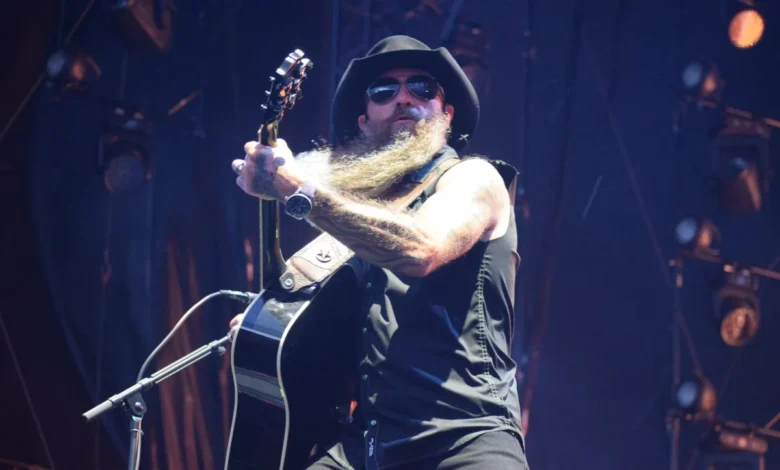
Cody Jinks began his set to a roar of approval from the Montana crowd, but the arrival of his band coincided with a steady downpour. The situation escalated rapidly; only three songs into the performance, festival officials moved to suspend the set. The decision was prompted by lightning strikes detected within the immediate vicinity, a standard safety trigger for large-scale outdoor events.
The communication to the crowd during this period was marked by a degree of ambiguity. Fans were instructed to "hang tight" rather than being directed to evacuate to their vehicles or designated hard-shelled structures—a common protocol in severe lightning events. This led to a period of uncertainty as the stage remained dark and Jinks and his band retreated to the backstage area.
A point of significant confusion for those at the main stage was the continued operation of the "Big Mountain Stage," the festival’s secondary performance area. While Jinks was sidelined, singer-songwriter Chance Peña, whose set had begun 30 minutes prior, continued to perform. This discrepancy in safety enforcement—where one stage was shuttered while another remained active despite visible lightning streaking across the sky—became a primary topic of discussion among disgruntled fans.
The Resumption and the "Hippies and Cowboys" Finale
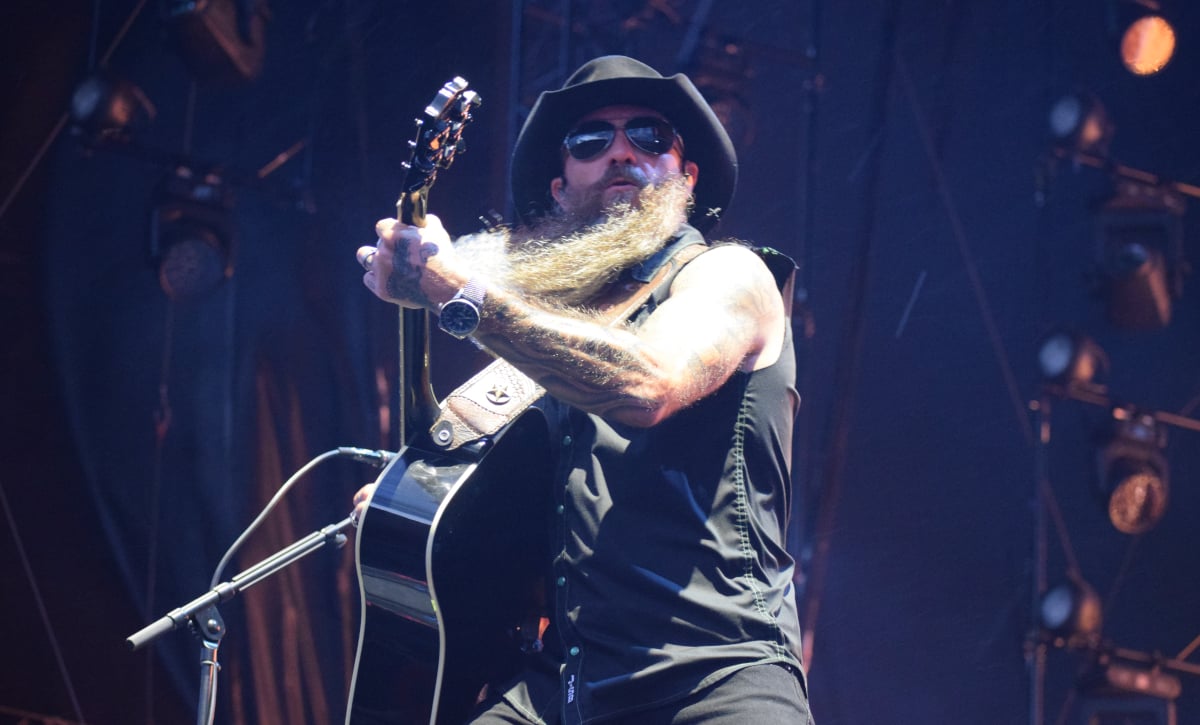
As the delay stretched on, rumors began to circulate among the rain-soaked audience that the headlining set had been canceled entirely. This led to a noticeable exodus, with a significant portion of the crowd opting to head for the parking lots and shuttle lines to avoid the worsening conditions. However, those who remained were rewarded when Cody Jinks re-emerged to reclaim the stage.
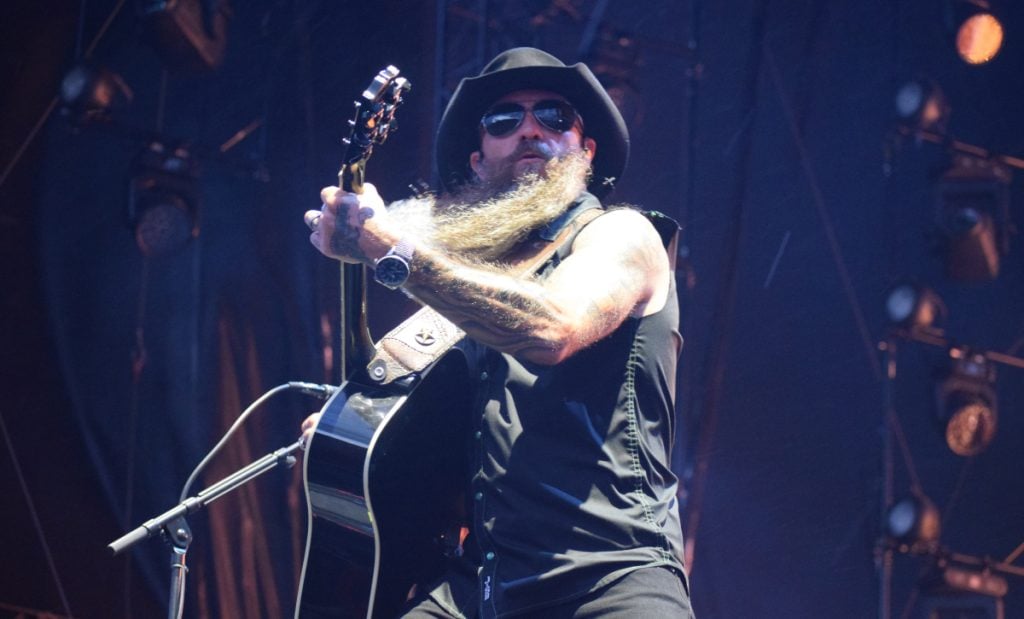
Jinks, who noted during his set that he has been performing fewer live dates recently, appeared energized by the challenge of the weather. Despite the thinned crowd, the atmosphere was described as "spirited" and "rare," with Jinks delivering a vocal performance that resonated across the ranch. His rare appearances in 2026 have made his festival slots highly anticipated, and the resilience shown by both the artist and the remaining fans created a sense of shared camaraderie.
By approximately 10:37 p.m. local time, the weather reached a critical threshold. Festival organizers informed Jinks that he had time for only one final song before the arrival of a more severe cell of the storm. The lightning, which had previously been relegated to the distance, was now nearly overhead. In a moment of democratic showmanship, Jinks asked the remaining crowd to choose the final number. The response was a resounding demand for his signature anthem, "Hippies and Cowboys."
As the final chords of the song faded, the light rain transformed into a heavy deluge. Jinks concluded his performance having played approximately two-thirds to three-quarters of his scheduled set, which was originally slated to run until 11:00 p.m.
Logistical Challenges and Post-Show Gridlock
The conclusion of the music did not mark the end of the night’s difficulties. The combination of a mass departure during the weather delay and the final surge of fans leaving after the "Hippies and Cowboys" finale created a significant logistical bottleneck. The Big Mountain Ranch, while a scenic venue, relies on a complex system of shuttles and grass parking lots that are highly susceptible to the effects of heavy rain.
Reports from the grounds, including observations from the Saving Country Music Mobile Command Unit, indicated a total standstill in the "Blue Lot" parking area. Vehicles remained stationary for over an hour as the mud and the volume of traffic overwhelmed the exit routes. For many fans, the frustration of the shortened set was compounded by the difficulty of vacating the premises in a thunderstorm. This incident highlights the ongoing challenges faced by "destination" festivals located in rural areas with limited infrastructure, particularly when faced with unpredictable mountain weather patterns.
Supporting Context: Safety Protocols and Economic Impact
The decision to pause a performance for lightning is typically governed by the "8-mile rule." Most modern festivals employ professional meteorologists who monitor radar in real-time. When a lightning strike is detected within an 8-mile radius, outdoor stages are generally required to shut down for a minimum of 30 minutes from the last strike. The fact that the secondary stage remained active suggests either a difference in the specific orientation of the stages or a lapse in uniform safety communication.
Under The Big Sky has become a cornerstone of the summer economy in Whitefish and the greater Flathead County area. With a capacity that rivals the population of the town itself, the festival brings in millions of dollars in tourism revenue but also places immense pressure on local resources. The 2026 event is no exception, with hotels and short-term rentals booked months in advance.
Looking Ahead: Saturday and Sunday Outlook
Despite the turbulent start, the festival is set to continue through the weekend with high expectations. Saturday’s lineup is bolstered by the presence of Zach Top, a traditionalist who has seen a meteoric rise in the country music scene over the last two years. Sunday will culminate with a headlining performance by Chris Stapleton, one of the most bankable names in the industry.
Organizers will likely be monitoring weather reports closely for the remainder of the weekend. The Flathead Valley is prone to "monsoonal" moisture during July, where heat during the day builds up into evening thunderstorms. If the weather patterns of Friday repeat, adjustments to the schedule or more stringent evacuation protocols may be necessary to ensure fan safety and prevent a repeat of the parking lot gridlock.
Analysis of Implications for Outdoor Festivals
The events of July 17 at Under The Big Sky serve as a case study for the increasing frequency of weather-related disruptions in the live music industry. As climate patterns become more volatile, festival promoters are being forced to invest more heavily in sophisticated weather monitoring and more robust communication systems.
For an artist like Cody Jinks, who maintains a fiercely loyal independent following, the ability to pivot and deliver a truncated but high-quality set is essential for maintaining brand integrity. However, the discrepancy between the two stages’ operations on Friday night suggests that there is still room for improvement in how festivals manage safety protocols across sprawling grounds.
For the attendees, the takeaway is the inherent risk of the "outdoor experience." While the setting of Whitefish provides a breathtaking backdrop for country music, it also demands a level of preparedness for the elements that indoor venues do not. As the Saving Country Music Mobile Command Unit remains embedded on-site, the focus shifts to whether the "Big Sky" will remain clear for the arrival of Top and Stapleton, or if the weekend will continue to be a battle between the artists and the elements.
Related posts: