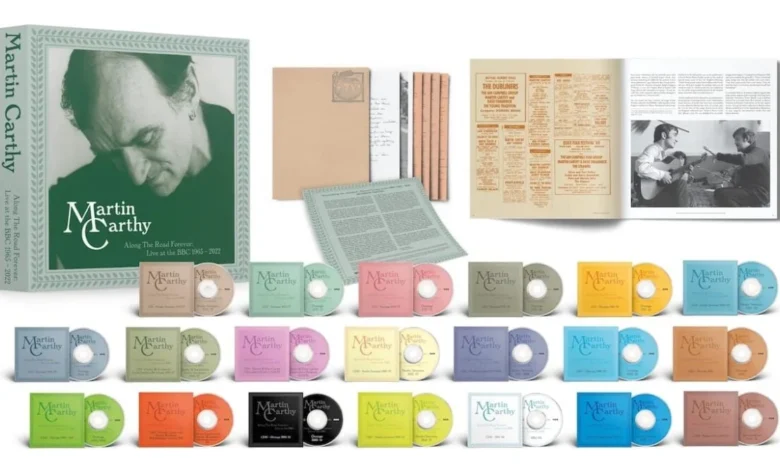
The sheer scale of the project distinguishes it from typical archival releases. Spanning over 22.5 hours of audio, the set includes 237 unique repertoire performances. Approximately two-thirds of these recordings have been sourced directly from master tapes, ensuring an audio fidelity that often surpasses previous bootleg or secondary-source versions of these sessions. The physical presentation mirrors the significance of the audio; the set is housed in a large, vinyl-sized box and includes an 80-page book. This volume features rare photographs, reproductions of original posters, tickets, and advertisements, alongside a comprehensive new essay by the acclaimed music biographer Clinton Heylin. Additionally, the set provides meticulous session notes compiled by Kevin Boyd, offering listeners a scholarly level of detail regarding the provenance of each recording.
The Historical Significance of Martin Carthy and the BBC
Martin Carthy’s influence on the landscape of contemporary music is difficult to overstate. Emerging in the early 1960s, his percussive guitar style and commitment to traditional song structures influenced global icons, most notably Bob Dylan and Paul Simon. His relationship with the BBC began in 1965, a period when the corporation was instrumental in providing a platform for the burgeoning folk scene through programs hosted by figures like John Peel and various folk-centric radio blocks.
The archival tracks highlighted in this release focus heavily on a transformative period for Carthy: the 1970s. During this decade, Carthy balanced a solo career with high-profile collaborations, including his work with the electric folk pioneers Steeleye Span and the Watersons. The box set features pivotal recordings from this era, including a 1977 performance at the Cambridge Folk Festival, a John Peel Session from 1976, and a rare 1973 recording from the St Albans Folk Club. These sessions capture Carthy at the height of his technical powers, demonstrating his ability to reinterpret centuries-old ballads with a modern, rhythmic urgency.
The inclusion of ABC TV recordings alongside the BBC material provides an even broader view of his media presence during the mid-20th century. For musicologists and fans alike, the box set serves as a chronological map of the folk revival’s evolution, from the intimate acoustic sessions of the 1960s to the more experimental and diverse performances of the 21st century.
Contemporary Folk and the Expansion of the Genre
While the Martin Carthy release serves as the historical anchor of the current musical landscape, a diverse array of contemporary artists is also making significant contributions to the folk and alternative genres. The current weekly highlights include new work from Jake Xerxes Fussell, an American singer and folklorist known for his deep excavations of Southern traditional music. Fussell’s new single, a rendition of "Rock Island Line," offers a stark departure from the versions popularized by Lead Belly or Lonnie Donegan. His interpretive style emphasizes the narrative grit and rhythmic complexity of the source material, reinforcing his reputation as a vital voice in modern traditional music.
Complementing these veteran and traditional perspectives are emerging artists who blend folk sensibilities with contemporary production. Elanor Moss, whose vocal clarity has drawn widespread critical attention, has released new material that further establishes her as a significant talent in the UK indie-folk scene. Similarly, Hana Stretton has released an "AA" single titled "Before This," which has been noted for its atmospheric and repetitive melodic structures, signaling a move toward more experimental, ambient-inflected folk.
The international reach of the genre is further evidenced by the inclusion of Seu Jorge, the Brazilian artist who gained international fame for his Portuguese-language covers of David Bowie in the film The Life Aquatic with Steve Zissou. His latest project involves a collaboration with Beck on a cover of a Nick Drake song, bridging the gap between British folk-rock history and contemporary global pop.
Deep Dives: Biita Houdei and Max Subar
Two of the most anticipated releases in the current cycle come from Biita Houdei and Max Subar, both of whom are preparing to release debut albums that have already garnered significant industry buzz. Biita Houdei’s forthcoming album, This Bed Was Made For Me, was produced by the acclaimed songwriter Haley Heynderickx. The lead single, "Life Inside the Hourglass," suggests a record that balances intimacy with sophisticated arrangements, positioning it as a strong contender for year-end critical lists.
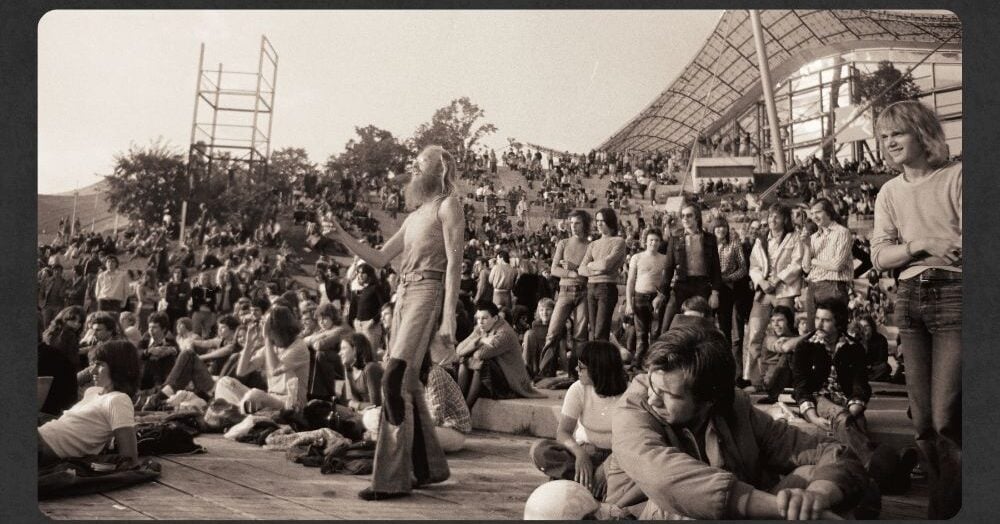
Max Subar’s debut, Anything Could Be, released today on Merge Records, represents a different approach to the creative process. Subar recorded the album over a ten-day period in a secluded house overlooking a frozen lake in Wisconsin. The environmental isolation is reflected in the music, which has been described as possessing a "radical stillness." Drawing inspiration from the poetry of Adrienne Rich—specifically the concept of "wild patience"—Subar’s work focuses on consciousness and self-awareness, moving away from the frantic pace of modern indie-rock toward something more contemplative and grounded.
Archival Continuity and Experimental Collaborations
The current musical landscape is also defined by a renewed interest in "top-drawer" archival and experimental works. This includes the return of Sairie, a group whose upcoming full-length album is highly anticipated following their recent single "Harder Than It Seemed." Additionally, the Irish ensemble Trá Pháidín continues to push the boundaries of traditional structures with their latest offerings, while the duo Two Runner explores the intersections of Americana and old-time music.
The Australian duo Luluc has also contributed to this week’s releases with their album Sweet Thief. Critics have praised the record as an exercise in quiet isolation, characterized by its reflective tone and minimalist execution. This trend toward introspection is a recurring theme among the contemporary artists featured alongside the Carthy retrospective, suggesting a broader movement in the folk genre toward "slow music" and deep-listening experiences.
Further enriching the current selection are older or previously unreleased tracks from C Joynes and the Dead Rat Orchestra, as well as live recordings from Alasdair Roberts. Roberts, a Scottish folk musician known for his extensive knowledge of traditional balladry, appears both as a solo artist and in collaboration with Tartine de clous. These inclusions provide a necessary bridge between the foundational work of artists like Martin Carthy and the more avant-garde explorations of the modern era.
Implications for the Music Industry and Archival Standards
The release of Along The Road Forever by Madfish sets a high bar for future archival projects. In an era where digital streaming often prioritizes singles and algorithmic playlists, the production of a 20-CD physical box set is a bold statement on the value of physical media and the importance of comprehensive documentation. By providing high-quality audio restoration and scholarly context, the label ensures that Carthy’s contributions are preserved for future generations in a format that respects the integrity of the original performances.
The logistical undertaking of such a project—securing rights from the BBC, locating master tapes, and synthesizing sixty years of session notes—reflects a significant investment in musical heritage. It also highlights the role of independent labels in doing the heavy lifting of cultural preservation, often surpassing the efforts of major corporations in their dedication to niche but historically vital genres.
As listeners engage with the 22.5 hours of Carthy’s history, they are also invited to explore the "Mixtape" of modern artists who are carrying the torch. From the Wisconsin lakeside sessions of Max Subar to the reimagined American standards of Jake Xerxes Fussell, the folk tradition remains a living, breathing entity. The juxtaposition of Carthy’s 1970s sessions with today’s releases illustrates a continuous thread of storytelling and musical innovation that remains resilient despite the shifting dynamics of the global music industry.
In summary, this week marks a significant milestone for the folk community. The dual availability of Martin Carthy’s massive archival collection and a wealth of new, experimental folk music provides a comprehensive look at the genre’s past, present, and future. Whether through the meticulously restored tapes of the 1976 John Peel Sessions or the debut singles of rising stars like Biita Houdei, the commitment to "top-drawer" quality remains the defining characteristic of this week’s musical output.
Related posts: