Exploring the Definitive Soundtrack of 1974 Through Three Essential Summer Soft Rock Classics

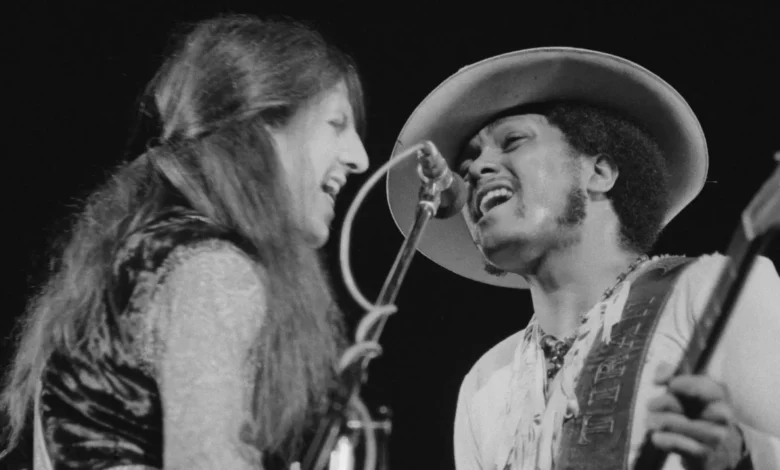
The year 1974 stands as a pivotal moment in the evolution of American popular music, marking a definitive shift from the gritty, psychedelic experimentation of the late 1960s toward a more polished, melodic, and production-heavy aesthetic known as soft rock. This era, often characterized by the "mellow sound," provided a sonic backdrop to a nation navigating the aftermath of the Vietnam War and the political upheaval of the Watergate scandal. In this landscape, three specific tracks—"Another Park, Another Sunday" by The Doobie Brothers, "Call On Me" by Chicago, and "Tin Man" by America—emerged as quintessential summer anthems. These songs not only dominated the airwaves during the warmer months of 1974 but also exemplified the sophisticated songwriting and intricate studio arrangements that would define the decade’s musical legacy.
The Cultural and Musical Landscape of 1974
To understand the resonance of these tracks, one must consider the broader context of the mid-1970s. The music industry was undergoing a massive expansion, with the FM radio dial becoming the primary destination for high-fidelity recordings. The "soft rock" genre, often referred to as "mellow gold" or later "yacht rock," focused on high production values, lush vocal harmonies, and a blend of folk, jazz, and pop influences. By 1974, listeners were increasingly drawn to music that offered a sense of escapism and emotional introspection.
The summer of 1974 was particularly significant. It was a season of transition; while the Billboard charts still saw the influence of soul and glam rock, the ascent of singer-songwriters and jazz-inflected pop groups indicated a change in public taste. The three tracks highlighted here represent different facets of this transition: the country-rock roots of the California sound, the brass-heavy sophistication of jazz-fusion, and the whimsical, harmony-laden folk-pop of the British-American tradition.
The Doobie Brothers: Another Park, Another Sunday
Released in the spring of 1974 as the lead single from their fourth studio album, What Were Once Vices Are Now Habits, "Another Park, Another Sunday" is a masterclass in mid-tempo melancholia. Written by the band’s founding member Tom Johnston, the song captures the essence of a quiet, perhaps lonely, summer afternoon. Unlike the driving boogie-rock of their previous hits like "China Grove," this track utilized acoustic guitars and a more restrained vocal delivery to convey a sense of seasonal drift.
Technical Composition and Reception
The song is built on a foundation of shimmering acoustic strumming and a steady, laid-back percussion line that evokes the feeling of a Sunday drive. Despite its high quality, the song faced unexpected hurdles on the radio. According to historical accounts and a 1974 interview with Cashbox, the track’s momentum was stalled by a specific lyrical choice. The line "And the radio just seems to bring me down" was reportedly taken personally by several influential radio programmers of the time. This perceived slight against the medium led to a decrease in airplay, causing the song to peak at a relatively modest No. 32 on the Billboard Hot 100.
However, the track’s "failure" to reach the Top 10 did not diminish its long-term impact. It remains a fan favorite and a staple of classic rock radio, praised for its evocative atmosphere and the Doobie Brothers’ signature vocal blending. The song’s legacy is tied to its ability to capture a specific mood—the bittersweet realization that summer is passing, and with it, perhaps a moment of personal significance.
Chicago: Call On Me and the Evolution of Jazz-Rock
While the Doobie Brothers were exploring country-rock textures, the band Chicago was further refining its blend of rock and jazz. By 1974, Chicago was one of the most successful acts in the world, and their album Chicago VII showcased a band at the height of its creative powers. The single "Call On Me," released in June 1974, became the definitive sound of that summer’s high-heat months.
Chart Dominance and Production Excellence
"Call On Me" was written by trumpet player James Pankow and featured the unmistakable lead vocals of Peter Cetera. The track is notable for its sophisticated Latin-esque rhythm, driven by the addition of percussionist Laudir de Oliveira, who would soon after become a full member of the group. The breezy brass arrangements and the "balmy" feel of the production allowed the song to bridge the gap between hard-hitting jazz-fusion and accessible pop.
The data supports the song’s massive popularity:
- Billboard Hot 100: Peaked at No. 6.
- Adult Contemporary Chart: Reached No. 1.
- International Reach: The song performed strongly in Canada and Japan, cementing Chicago’s status as a global phenomenon.
The success of "Call On Me" signaled a shift for Chicago. While their early work was often political and experimental, "Call On Me" leaned into the romantic, smooth-sounding ballads that would eventually define their 1980s output. For the 1974 listener, the song offered a sophisticated, rhythmic escape that felt both modern and timeless.
America: Tin Man and the George Martin Influence
The third pillar of the 1974 summer soundtrack is "Tin Man" by the band America. Following the massive success of their self-titled debut and the hit "A Horse With No Name," the trio of Dewey Bunnell, Gerry Beckley, and Dan Peek sought to elevate their sound. For their 1974 album Holiday, they enlisted the legendary George Martin—best known for his work with The Beatles—as their producer.
Lyrical Inspiration and Studio Craft
"Tin Man," written by Dewey Bunnell, is a surrealist folk-pop track inspired by the 1939 film The Wizard of Oz. Bunnell’s lyrics, featuring the famous refrain "Oz never did give nothing to the Tin Man / That he didn’t, didn’t already have," touched on themes of self-reliance and inner strength. Under George Martin’s guidance, the song achieved a level of sonic clarity and harmonic depth that was rarely matched in the era. The use of a 12-string acoustic guitar and the meticulously layered "Wall of Sound" vocal harmonies created a lush, expansive feeling that resonated perfectly with the open-air vibe of summer festivals and beach outings.
The performance of "Tin Man" on the charts was formidable:
- Peak Position: No. 4 on the Billboard Hot 100 in November 1974 (after building momentum throughout the summer).
- Adult Contemporary: No. 1 for three consecutive weeks.
- Album Success: The parent album, Holiday, was certified Gold by the RIAA, largely on the strength of this single.
Bunnell has noted in retrospective interviews that the song was intended to be "enigmatic," allowing listeners to project their own meanings onto the lyrics. This ambiguity, paired with the pristine production, ensured that "Tin Man" became a permanent fixture of the 1974 musical landscape.
Comparative Analysis: The "Summer Vibe" Factors
When examining these three tracks collectively, several common threads emerge that explain their enduring association with the summer of 1974.
1. Acoustic Foundations: All three songs rely heavily on acoustic guitar work. Whether it is the rhythmic strumming in "Another Park, Another Sunday" or the intricate picking in "Tin Man," the organic sound of wood and strings provided a "natural" feel that suited the outdoor-oriented lifestyle of the 1970s.
2. Harmonic Complexity: The use of multi-part vocal harmonies is a defining characteristic of this era. The Doobie Brothers, Chicago, and America all employed harmony not just as a background element, but as a primary instrument to create a sense of warmth and communal experience.
3. The Role of the Adult Contemporary Chart: In 1974, the "Easy Listening" (now Adult Contemporary) chart was a powerhouse. Both Chicago and America reached the No. 1 spot on this chart, indicating that these songs appealed to a broad demographic—from teenagers to older adults. This cross-generational appeal is what allowed these tracks to become the "ambient noise" of the American summer.
Chronology of Key Releases in 1974
To contextualize these songs, a timeline of the year’s musical milestones provides a clearer picture of the environment in which they competed:
- February 1974: The Doobie Brothers release What Were Once Vices Are Now Habits.
- March 1974: Chicago releases the double album Chicago VII.
- April 1974: "Another Park, Another Sunday" is released as a single, beginning its climb on the charts.
- June 1974: America releases Holiday, produced by George Martin.
- July 1974: "Call On Me" reaches its peak on the charts, becoming a staple of summer radio.
- August 1974: "Tin Man" is released as a single, capturing the late-summer and early-autumn transition.
Broader Impact and Legacy
The influence of these 1974 tracks extends far beyond the year of their release. This specific style of soft rock laid the groundwork for the "West Coast Sound" that would dominate the late 70s, influencing artists like Steely Dan, Fleetwood Mac, and Christopher Cross. The emphasis on high-fidelity recording and session-musician precision became the industry standard for the next decade.
Furthermore, the "summer vibe" established by these songs created a template for seasonal marketing in the music industry. Record labels began to strategically time the release of "breezy" or "mellow" tracks to coincide with the warmer months, a practice that continues to this day.
In retrospect, the summer of 1974 was a period where the artistry of the studio met the accessibility of the pop hook. "Another Park, Another Sunday," "Call On Me," and "Tin Man" remain more than just nostalgic relics; they are masterclasses in the art of the soft rock single. For those who lived through the era, these songs are inextricable from the memories of sun-drenched afternoons and the crackle of a car radio. For new listeners, they offer a window into a time when music was crafted with a focus on melody, harmony, and a timeless sense of ease.