Splice Unveils Generative AI Tools for Sound Manipulation, Prioritizing Creator Compensation

The renowned sample platform Splice has officially launched a suite of three innovative generative AI tools designed to empower music creators by enabling them to extensively "reshape and reimagine" sounds from its vast library of millions of samples. Crucially, Splice has underscored its commitment to ensuring that the original creators of these foundational sounds are fairly compensated for any derivative works generated through these new AI-powered features. This strategic move marks a significant evolution in how digital audio assets can be utilized and monetized within the music production ecosystem.
Revolutionizing Sample Manipulation with AI
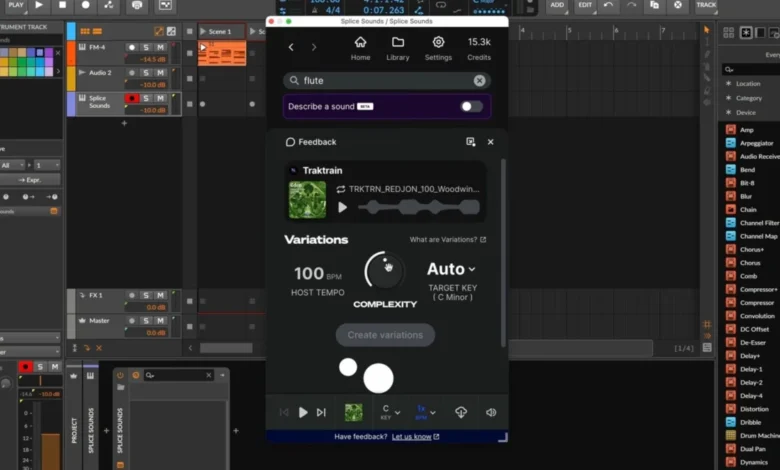
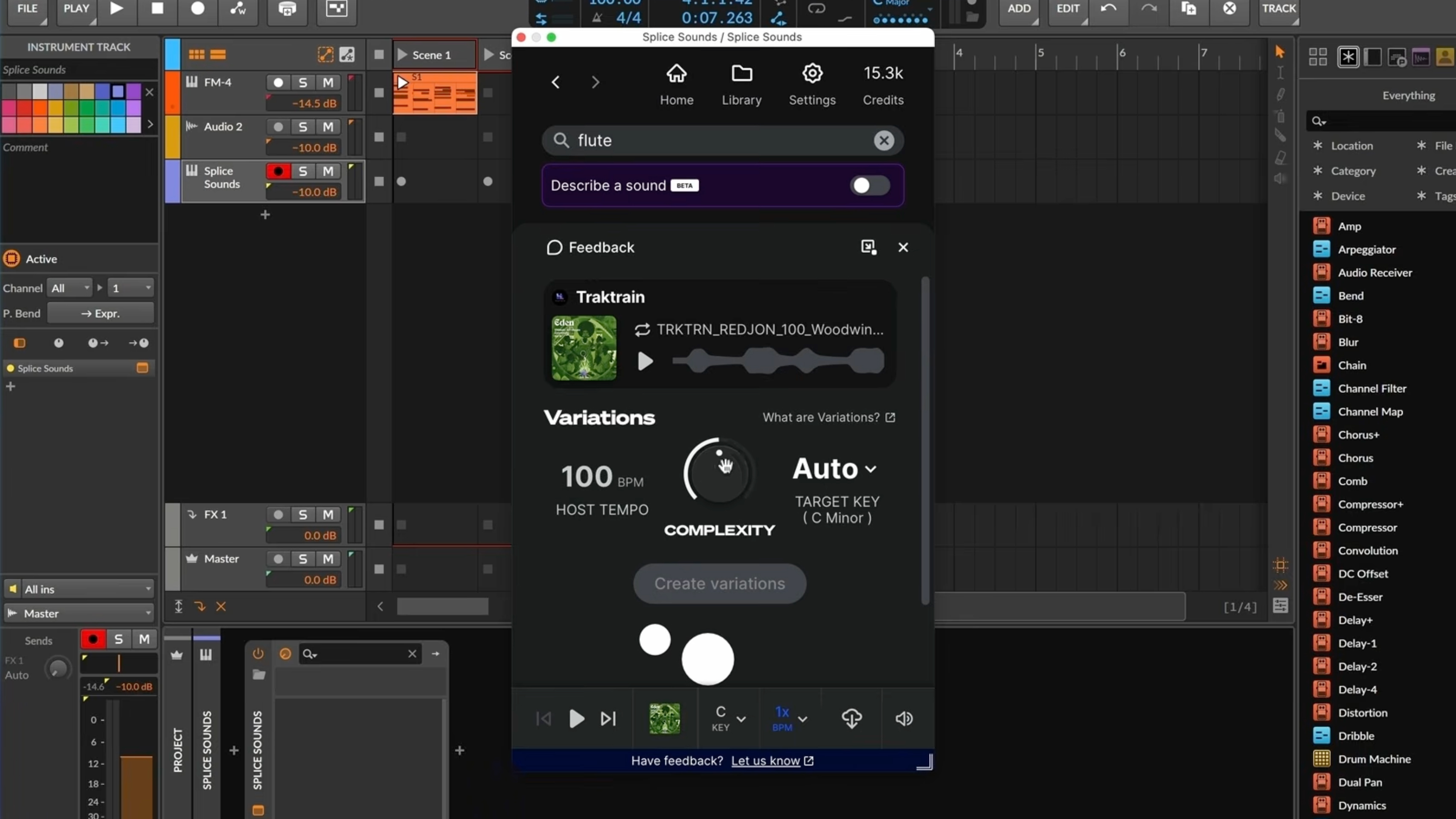
At the forefront of Splice’s new offerings is the "Variations" tool. This feature allows users to generate multiple distinct versions of any existing Splice sample while meticulously preserving the core identity of the original audio. Users can request up to five unique variations of a chosen sound, with the flexibility to specify desired key and tempo for the output. Furthermore, a "complexity dial" allows for fine-tuning the degree of transformation applied to the original sample, offering a spectrum from subtle alterations to more radical reimagining.
A cornerstone of the Variations tool is its transparent lineage tracking. Every sample edited using this AI-powered function remains fully traceable back to its original source. Splice has implemented a compensation model where the creator of a sound receives equitable remuneration based on the usage of its AI-generated variations. This ensures that the AI-driven creative process does not diminish the value of the original artistic contribution. For the end-user, these AI-generated variations are royalty-free and are covered by the same licensing terms as the original sample, providing creative freedom within a clear legal framework.
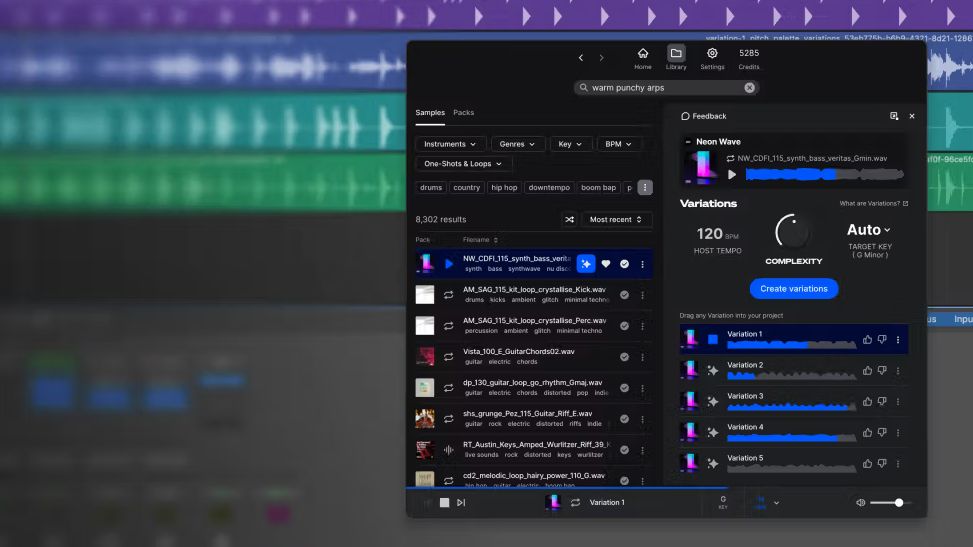
The Variations tool is now integrated into the Splice Sounds plugin, which itself debuted in beta earlier this month. This plugin streamlines the workflow for producers by allowing them to browse Splice’s extensive sound library directly within their Digital Audio Workstation (DAW). Users can audition samples in sync with their ongoing projects and seamlessly drag and drop them into their sessions, significantly accelerating the creative process.
Crafting Playable Instruments from Samples
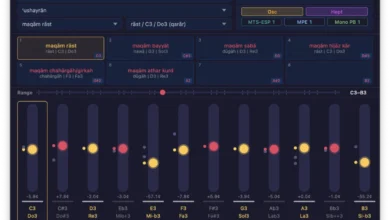
Expanding its AI capabilities, Splice has introduced "Craft," a new feature within its INSTRUMENT plugin. Craft transforms individual samples into fully playable virtual instruments. The INSTRUMENT plugin itself is a cloud-connected platform that grants users access to a rich library of multi-sampled presets. Notably, many of these presets are derived from the extensive catalog of British sample library developer Spitfire Audio, a company that Splice acquired last year in a deal reportedly valued at $50 million. This acquisition positions Splice to leverage Spitfire’s deep expertise in acoustic sampling and instrumental creation, now augmented by AI.
The integration of Craft suggests a future where producers can not only manipulate existing samples but also build entirely new instrumental palettes from the ground up, drawing from Splice’s vast sonic resources. This opens up new avenues for sonic exploration and custom instrument design, moving beyond traditional sample slicing and arrangement.
Magic Fit: Harmonizing and Rhythmic Adaptation
The third AI tool announced by Splice, "Magic Fit," is slated for release this summer. While specific details are currently limited, Splice indicates that this tool will possess the capability to musically adapt any Splice sound to seamlessly align with any given harmonic and rhythmic context. This implies a sophisticated understanding of musical theory and timing, allowing for automatic pitch correction, tempo synchronization, and potentially even stylistic adjustments to make a sample fit perfectly within a new musical arrangement. If successful, Magic Fit could significantly reduce the time producers spend on tedious tasks like time-stretching, pitch-shifting, and key matching, allowing them to focus more on the artistic aspects of composition.
A Strategic Shift in AI Philosophy
Splice CEO Kakul Srivastava, in a released statement, emphasized the company’s vision: "Producers have always used samples as a foundation for new ideas; these tools extend that tradition, enabling sounds to be reshaped and reimagined. Grounded in deep, long-standing relationships with producers and sound creators, they reflect real creative workflows and reinforce the value of original work."
This statement is particularly noteworthy given Srivastava’s previous reservations about generative AI. In an interview with MusicRadar in early 2024, he expressed a nuanced perspective, stating, "I think there is power in these [AI] tools. But, I don’t think the power in these tools is, ‘oh, we can generate a sample.’ I think there’s power in the human-generated samples that our users really appreciate." He further elaborated, "I do think that generative AI can be used to build better tools. We spend a lot of time with artists, learning about how they would want to use generative AI in their creative process. They’ve got some really powerful ideas."
Srivastava’s prior comments highlight a deliberate strategy by Splice to leverage AI not for the wholesale generation of new sample libraries, which could potentially devalue existing content and creators, but rather to enhance existing tools and workflows. The company’s focus on building "better tools" that augment human creativity, rather than replace it, appears to be the guiding principle behind these new AI integrations. This approach addresses concerns within the music community about AI’s potential to saturate the market with generic content and to undermine the livelihoods of artists and sound designers.
Building on Strategic Partnerships
The development of these AI-powered tools is also informed by Splice’s recent strategic partnerships. In January of this year, Splice announced a significant collaboration with Universal Music Group (UMG) aimed at developing AI-powered virtual instruments and tools. This partnership specifically focuses on creating workflows where UMG artists can integrate their own unique sounds into Splice’s AI ecosystem. UMG has stated that artists on its roster will play a "crucial role" in the product development process, ensuring that these tools are not only technologically advanced but also artist-centric and creatively relevant. This collaboration suggests a broader industry trend towards integrating AI into music creation in a manner that is both innovative and respectful of existing talent.
The Future of AI in Music Production
The introduction of Variations, Craft, and the upcoming Magic Fit marks a pivotal moment for Splice and, by extension, the broader music production landscape. By focusing on augmenting creative possibilities while maintaining a strong emphasis on creator compensation and transparent licensing, Splice appears to be charting a responsible course for the integration of generative AI into the music industry. This strategy aims to balance the potential for unprecedented sonic exploration with the ethical imperative to support and value the human artists who form the bedrock of musical innovation.
The implications of these tools are far-reaching. For independent producers and hobbyists, they offer powerful new ways to manipulate and personalize existing sounds, potentially leading to more unique and sophisticated productions without requiring extensive technical expertise or vast sample libraries. For established artists and sound designers, the clear compensation model provides an opportunity to benefit from the expanded use of their creations in new and unforeseen ways.
As AI technology continues to advance, the music industry will undoubtedly grapple with its ethical and creative implications. Splice’s approach, prioritizing creator rights and tool enhancement over pure content generation, offers a model for how this powerful technology can be harnessed to serve, rather than disrupt, the art of music creation. The company’s ongoing commitment to engaging with artists and understanding their creative workflows suggests a future where AI acts as a powerful co-pilot, amplifying human ingenuity and expanding the sonic palette available to musicians worldwide.
Further details on these tools and their implementation can be found on the Splice website, with a walkthrough video also available for users seeking a more in-depth understanding of the Splice Sounds plugin and its capabilities. The company’s proactive stance on AI, coupled with its established presence in the music production community, positions it as a key player in shaping the future of digital music creation.