Aquarium Drunkard Celebrates 21 Years of Long-Form Listening with Two Nights at Los Angeles’ Teragram Ballroom

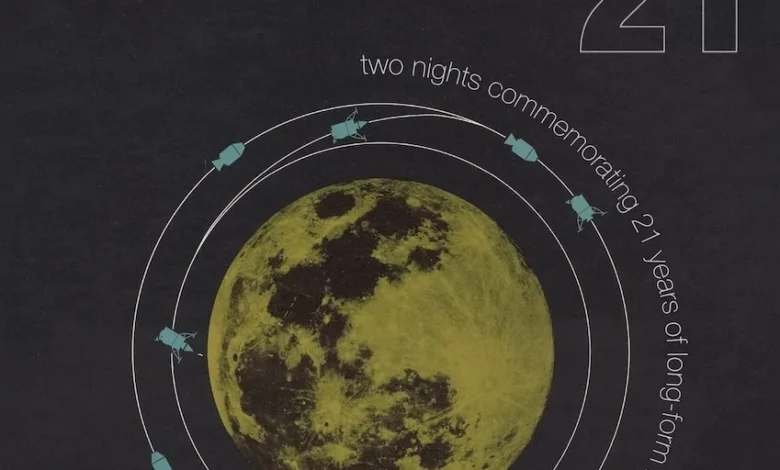
Aquarium Drunkard, a prominent voice in music journalism and curation, is set to commemorate its 21st anniversary with a two-night celebration at the esteemed Teragram Ballroom in Los Angeles on June 26th and 27th. This milestone event, dedicated to "long-form listening," will feature a diverse lineup of artists and DJs that underscore the platform’s commitment to in-depth musical exploration. The anniversary signifies two decades of dedication to fostering a community around thoughtfully curated music, moving beyond fleeting trends to champion artists and sounds that resonate with depth and longevity.
The celebration aims to honor the core ethos of Aquarium Drunkard, which has consistently championed "only the good shit" – a philosophy that translates to a rigorous selection process and a deep appreciation for artists who craft meaningful and enduring musical experiences. The choice of the Teragram Ballroom, a venue known for its intimate yet impactful atmosphere and its dedication to showcasing quality live music, further reinforces this commitment. Over the years, Aquarium Drunkard has cultivated a loyal readership and a significant online presence, built on trust and a shared passion for discovering and appreciating music in its myriad forms. This anniversary event is not just a party, but a testament to the enduring power of dedicated music journalism and community building in the digital age.
A Legacy of Sonic Exploration
Founded in the early 2000s, Aquarium Drunkard emerged during a transformative period for music consumption and discovery. The internet was rapidly democratizing access to music, but it also created a cacophony of information. In this landscape, Aquarium Drunkard carved out a niche by providing a discerning editorial voice, focusing on in-depth reviews, artist features, and curated playlists that encouraged listeners to engage with music on a deeper level. The platform’s name itself evokes a sense of immersion, a place where one can get lost in the depths of sonic exploration.
Over its 21-year history, Aquarium Drunkard has witnessed and reported on numerous shifts in the music industry, from the rise of streaming services to the resurgence of vinyl. Throughout these changes, the publication has remained steadfast in its mission to highlight artists who prioritize craftsmanship, authenticity, and artistic integrity. This dedication has earned them a reputation as a trusted source for discovering new talent and revisiting overlooked gems. The anniversary celebration at the Teragram Ballroom is a natural extension of this mission, bringing the online community into a shared physical space for an immersive musical experience.
The Lineup: A Tapestry of Sound
The announced lineup for the two-night event reflects Aquarium Drunkard’s broad musical palate and its deep roots within the Los Angeles music scene. Headlining the festivities are a selection of artists who embody the spirit of "long-form listening" and the platform’s dedication to quality.
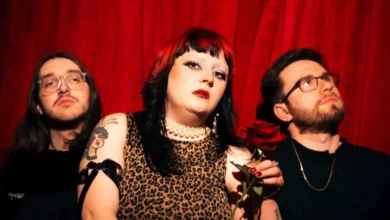
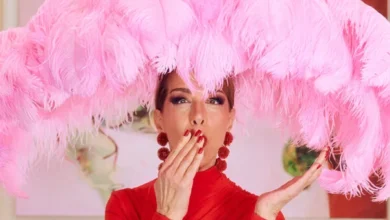
June 26th: The first night is slated to feature the acclaimed SML, known for their genre-bending sound that often draws from psychedelic rock, folk, and experimental textures. Their live performances are often described as journeys, weaving intricate musical narratives. Also performing is Fabiano do Nascimento, a Brazilian guitarist and composer whose work is deeply rooted in traditional Brazilian rhythms and infused with a contemporary sensibility. His intricate guitar work and evocative compositions offer a profound listening experience. The lineup also includes Genevieve Artadi, a vocalist and multi-instrumentalist celebrated for her unique vocal stylings and her ability to blend jazz, indie pop, and experimental elements into captivating songs. The night will be further enriched by sets from Reverberation Radio DJs, who are known for their eclectic and insightful selections that span a wide spectrum of genres, always with an eye towards the deeper cuts and the more adventurous sounds.
June 27th: The second night promises to continue the celebration with an equally compelling roster. While specific artists for the second night beyond those already mentioned were not fully detailed in the initial announcement, the inclusion of "and more…" suggests further surprises and additions that will align with Aquarium Drunkard’s curatorial standards. This approach often involves unveiling special guests or showcasing artists who have a strong connection to the publication’s history and its audience. The inclusion of Reverberation Radio DJs on both nights suggests a consistent thread of expertly curated musical interludes, bridging sets and providing a sonic backdrop that complements the live performances.
The emphasis on "long-form listening" suggests that the performances themselves may lean towards extended sets, improvisation, or a focus on albums and cohesive musical bodies of work, rather than solely a collection of singles. This approach aligns with the publication’s editorial style, which encourages a sustained engagement with music.
Community and Patronage: The Foundation of Aquarium Drunkard
A significant aspect of Aquarium Drunkard’s sustainability and its continued ability to produce content is its reliance on its community of patrons. The phrase "Aquarium Drunkard is powered by its patrons. Keep the servers humming and help us continue doing it by pledging your support" highlights a direct appeal for financial backing from its readership. This model, common among independent media outlets, allows for editorial independence and the freedom to pursue in-depth coverage without the pressures of traditional advertising models.
The anniversary event itself is likely to serve as a fundraising opportunity, encouraging attendees to not only enjoy the music but also to consider becoming patrons or renewing their support. This symbiotic relationship between the platform and its audience is crucial for its longevity. The fact that a login or membership is required to read the full article further underscores this patron-centric model. It signifies that the deeper content, the stories behind the music, and the extended narratives are reserved for those who actively invest in the platform.
Supporting Data and Industry Context
The music journalism landscape has undergone immense transformation over the past two decades. While traditional print publications have faced challenges, online platforms like Aquarium Drunkard have thrived by building direct relationships with their audience and embracing digital distribution. The average lifespan of an online publication can be precarious, with many struggling to maintain consistent content production and readership. Aquarium Drunkard’s 21-year run is a testament to its adaptability, its consistent quality, and its ability to foster a loyal and engaged community.
The music industry, in general, has seen significant shifts. According to IFPI’s Global Music Report, recorded music revenues have seen steady growth in recent years, driven by the expansion of subscription streaming services. However, this growth often benefits major labels and established artists more significantly. Independent platforms like Aquarium Drunkard play a vital role in amplifying the voices of emerging and niche artists who might otherwise struggle to gain traction in a saturated market. Their curation helps audiences navigate this vast musical landscape, providing a filter for quality and depth.
The resurgence of vinyl sales, a trend that has gained momentum in the last decade, also aligns with Aquarium Drunkard’s ethos of appreciating music in a more tangible and deliberate format. This indicates a segment of the audience that values the ritual of listening and the physical connection to music, a demographic that likely resonates with the publication’s focus on "long-form listening."
Broader Impact and Implications
The 21st anniversary of Aquarium Drunkard signifies more than just a birthday; it represents the enduring relevance of thoughtful music criticism and curation in an era of information overload. The platform’s success demonstrates that there is a significant audience eager for in-depth engagement with music, one that values authenticity and artistic integrity over fleeting trends.
The Teragram Ballroom event serves as a physical manifestation of the community Aquarium Drunkard has built. By bringing artists and fans together, it fosters a shared experience that strengthens the bonds between the publication, its contributors, and its audience. This type of event is crucial for maintaining a vibrant music ecosystem, providing a platform for artists and creating memorable experiences for fans.
The continued reliance on patron support highlights a potential model for the future of independent media, where direct financial contributions from the audience enable the creation of high-quality, editorially independent content. As the media landscape continues to evolve, the success of platforms like Aquarium Drunkard offers a valuable case study in building sustainable and impactful cultural organizations. Their commitment to "long-form listening" and "only the good shit" continues to resonate, proving that in a world of ephemeral digital content, there is a profound and lasting appreciation for music that is crafted with intention and enjoyed with depth.