Cody Jinks Braves Severe Weather to Headline Opening Night of 2026 Under The Big Sky Festival in Montana

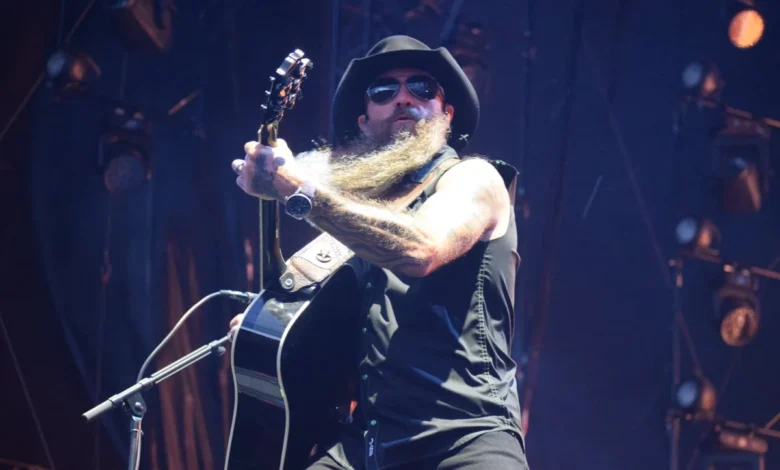
The seventh annual Under The Big Sky Festival commenced on Friday, July 17, 2026, at the Big Mountain Ranch in Whitefish, Montana, drawing thousands of fans to the Flathead Valley for a weekend of independent country, Americana, and folk music. While the event opened under the weight of an intense summer heatwave, the evening took a dramatic turn as a severe thunderstorm swept across the region, leading to a temporary suspension of the main stage activities and creating a logistical challenge for both organizers and attendees. Despite the meteorological disruptions, the night was defined by a resilient performance from headliner Cody Jinks, who managed to deliver a significant portion of his set amidst lightning and driving rain.
A High-Stakes Opening Day Lineup
The 2026 iteration of Under The Big Sky has been widely cited by industry analysts as one of the most ambitious lineups in the festival’s history. Friday’s schedule featured a diverse array of talent designed to appeal to both traditional country purists and the burgeoning "Outlaw" and Americana fanbases. The day began with performances from rising stars and established cult favorites, including the gritty songwriting of Rattlesnake Milk and the high-energy traditionalism of Kaitlin Butts.
As the afternoon progressed, the crowd gathered for Benjamin Tod, the frontman of Lost Dog Street Band, whose solo work has become a cornerstone of the modern independent scene. The energy shifted toward the eclectic with the Marcus King Band’s soulful blues-rock and the indie-folk sensibilities of the Icelandic group Of Monsters and Men. Old Crow Medicine Show, a perennial festival favorite, provided a high-octane bridge into the evening’s headline slots.
The atmosphere during the early hours was characterized by extreme temperatures, with the Montana sun pushing the mercury toward record highs for the region. However, as the sun began to dip behind the Whitefish Range, the oppressive heat was replaced by a rapid cooling and the arrival of dark, towering cumonimbus clouds—a frequent but unpredictable occurrence in the high-altitude terrain of the Rocky Mountains.
Weather Disruptions and the Main Stage Suspension
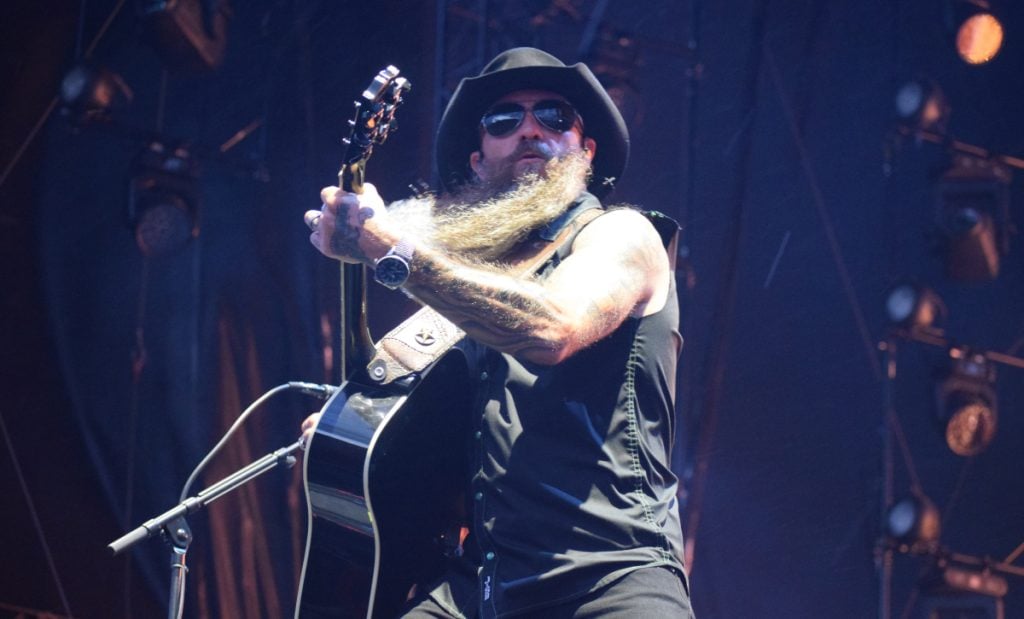
Cody Jinks, arguably the most successful independent country artist of the last decade, took the Great Northern Stage to a roar of approval. However, the timing of his appearance coincided exactly with the arrival of a cold front. As Jinks began his set, a steady rain commenced. By the third song, the festival’s safety protocols were triggered by lightning strikes detected within a ten-mile radius of the ranch.
At approximately 9:45 PM local time, the music on the main stage was abruptly halted. In a move that caused some confusion among the thousands in attendance, fans were not immediately ordered to evacuate to their vehicles—a standard procedure at many large-scale outdoor events—but were instead told to "hang tight" and remain on the grounds. This created a period of uncertainty as Cody Jinks and his band retreated backstage.
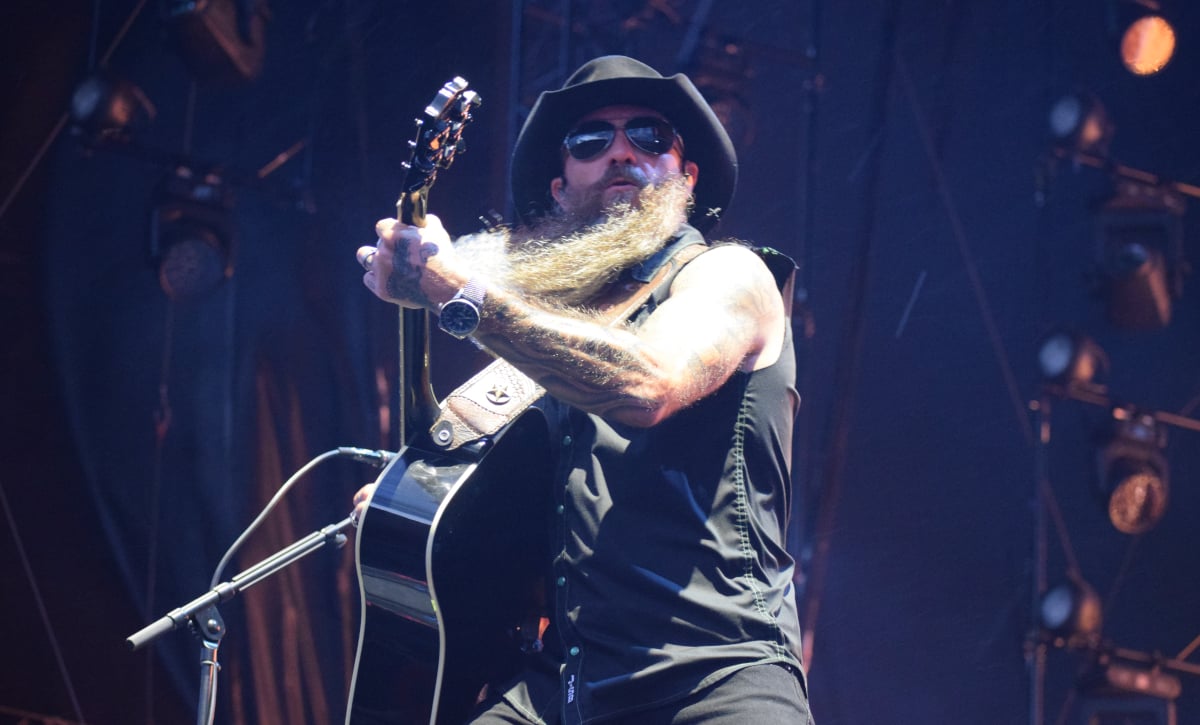
The confusion was compounded by the activity on the festival’s second stage, the Big Mountain Stage. While the main stage sat silent, singer-songwriter Chance Peña, whose set had begun thirty minutes prior to the delay, continued to perform. Fans on the main lawn observed lightning streaking across the horizon while Peña’s amplified music continued to echo across the ranch, leading to questions regarding the consistency of the festival’s weather safety enforcement across different areas of the property.
The Return of Cody Jinks
As the rain transitioned from a light drizzle to a moderate downpour, a segment of the audience began to exit the grounds, fearing a total cancellation of the evening’s remaining festivities. However, those who remained were rewarded when Jinks re-emerged on stage. The artist, who has maintained a lower profile on the touring circuit in recent months, appeared energized by the atmospheric conditions. He acknowledged the weather and his recent absence from the stage, delivering what many fans described as a "rare and spirited" performance that leaned heavily into his back catalog of blue-collar anthems.
The set continued for nearly an hour under intermittent rain. However, the reprieve was short-lived. By 10:37 PM, festival officials informed Jinks that the storm’s "core" was approaching and that the show would have to conclude immediately for the safety of the crew and the audience.
In a moment of fan interaction, Jinks asked the remaining crowd to choose the final song of the night. The consensus was overwhelming for "Hippies and Cowboys," the 2010 breakout hit that solidified Jinks’ status as an independent icon. As the final chords of the song rang out, the weather escalated into a torrential downpour, effectively ending the first night of the festival roughly 20 minutes ahead of the scheduled 11:00 PM curfew.
Logistical Challenges and Infrastructure Strain
The sudden conclusion of the concert triggered a mass exodus toward the parking lots and shuttle stations, highlighting the logistical difficulties inherent in hosting a massive event in a rural location. Under The Big Sky utilizes a complex system of off-site parking and shuttles to manage the influx of nearly 20,000 daily attendees into the small town of Whitefish.
The combination of wet terrain, limited visibility, and the concentrated surge of people led to significant delays. Reports from the "Blue Lot"—one of the primary parking areas—indicated that traffic remained stagnant for over ninety minutes following the show’s end. The "Saving Country Music Mobile Command Unit," present on-site, reported that the infrastructure struggled to handle the volume of vehicles attempting to navigate the muddy exits simultaneously. These logistical bottlenecks are a recurring point of discussion for the festival, which has grown rapidly since its inception in 2019, often testing the limits of the local road network.
Analysis: The Resilience of the Independent Circuit
The events of Friday night at Under The Big Sky 2026 serve as a microcosm of the current state of the independent country music industry. The ability of an artist like Cody Jinks to retain a massive, loyal audience through a weather delay—without the traditional backing of a major label or mainstream radio—underscores the shift in the genre’s power dynamics.
Furthermore, the festival itself represents a significant economic engine for Northwest Montana. Despite the weather challenges, the event brings millions of dollars in revenue to the Flathead Valley, filling hotels and restaurants from Kalispell to Columbia Falls. The decision to "push through" the weather to allow Jinks to finish a majority of his set reflects the high stakes involved in these large-scale "destination" festivals, where fans often travel from across the country and pay premium prices for tickets and lodging.
The disparity in safety protocols between the two stages remains a point of critique. In the modern festival era, lightning safety is typically governed by strict meteorological monitoring. The decision to allow the second stage to continue while the main stage was paused suggests either a difference in stage-specific risk assessment (such as height and grounding of the structures) or a lapse in unified communication.
Looking Ahead: Saturday and Sunday
Despite the rain-soaked conclusion to Friday, the festival is prepared to move forward with its remaining two days. The forecast for Saturday and Sunday suggests a stabilization of the weather, which will be a relief to organizers facing a sold-out crowd.
Saturday’s lineup is set to be headlined by Zach Top, a rising star who has been credited with reviving the neo-traditionalist sound of the 1990s. Sunday will feature a closing performance by Chris Stapleton, arguably the most significant crossover star in the genre today. Other highly anticipated sets throughout the weekend include appearances by Charles Wesley Godwin, Sierra Ferrell, and Wyatt Flores.
As the grounds are prepared for the second day, the focus will likely shift to remediating the mud in the high-traffic areas and refining the shuttle exit strategy to avoid a repeat of Friday night’s gridlock. Under The Big Sky continues to be a bellwether for the health of the Americana movement, and the resilience shown by both the artists and the fans in the face of Montana’s unpredictable elements suggests that the appetite for this specific brand of music remains at an all-time high.
Related posts: