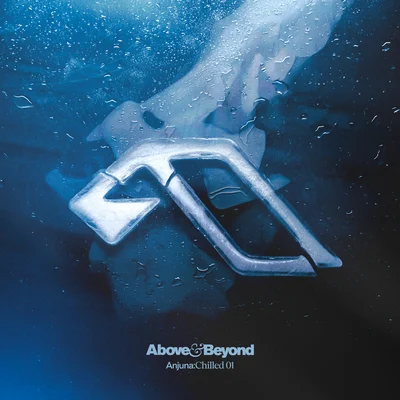
Electronic music powerhouse Above & Beyond has officially introduced Anjuna:Chilled 01, marking a monumental shift in how the storied imprint honors its illustrious history. Serving as the flagship release for a brand-new compilation series, the 16-track collection takes some of the most celebrated, floor-shaking anthems from across the extensive Anjuna catalog and strips them down into ambient, downtempo, and entirely beatless forms. Scheduled for an official release on December 3 via the Anjunachill imprint, this expansive body of work bridges generations of electronic music history, pulling together pivotal contributions from foundational heavyweights and fresh-faced signees alike.
The genesis of this ambitious project stems from Anjunachill’s highly successful Revisited series. Over the past four years, the imprint has quietly cultivated a dedicated space for neo-classical and downtempo rearrangements, proving that the underlying emotional core of electronic music can thrive just as powerfully without a driving four-on-the-floor beat. With Anjuna:Chilled 01, that conceptual framework has been dramatically widened, inviting producers from every corner of the global Anjuna family to reinterpret catalog staples through a modern, contemplative lens.
A Deep Dive Into the Tracklist and Collaborations
Spanning more than two decades of musical evolution, Anjuna:Chilled 01 is a masterclass in cross-generational collaboration. Out of the 16 tracks featured on the compilation, an impressive 13 are previously unreleased reworks and revisits. The remaining three cuts comprise beloved modern classics: Dusky’s hypnotic revisit of “Mr Man,” Planet Of Souls’ ethereal take on Jody Wisternoff and Sian Evans’ “The Bridge,” and Ryan Davis’s deeply textured interpretation of Andrew Bayer and Ane Brun’s “Hold On To You.”
Above & Beyond themselves have spearheaded the project by contributing six brand-new, exclusive reworks. Among these is a pristine, highly anticipated downtempo reimagining of their 2011 generational anthem “Sun & Moon” featuring the unmistakable vocals of Richard Bedford. Originally issued as a cornerstone of the landmark album Group Therapy, the track has accumulated over 67 million streams globally, functioning as a sacred ritual for fans during live performances. This new iteration elevates Bedford’s poignant vocal delivery to the forefront and introduces a coveted second verse previously heard exclusively during the trio’s celebrated acoustic tours.
In addition to “Sun & Moon,” Above & Beyond’s newly minted reworks include breathtaking, beatless interpretations of OceanLab’s “Sky Falls Down,” Justin Blau and XIRA’s “Tokyo,” Smith & Pledger’s “White,” Luminary’s “Amsterdam,” and PROFF’s “Deep Orange.” The broader tracklist is further enriched by contributions from elite electronic producers and avant-garde sound designers, including Jaytech, Maor Levi, Anyasa, Bawari Basanti, Tontario, Lake Jons, Powel, Dosem, and Parallel Voices.
The Chronology of a Milestone: From The Gorge to Global Streaming
The rollout for Anjuna:Chilled 01 has been meticulously timed to coincide with pivotal milestones in the Above & Beyond and Anjunabeats ecosystem. Fans received their very first comprehensive preview of the album during the Group Therapy 700 weekend at the breathtaking Gorge Amphitheatre in Washington state. The destination festival played host to an exclusive, immersive listening session of the complete compilation, giving dedicated community members an intimate environment to experience the music ahead of its commercial release.
Furthermore, the lead single, “Sun & Moon (Downtempo Version),” received a surprise, emotionally charged debut during the encore of Above & Beyond’s headline performance at the venue, instantly cementing the track as a new favorite among the global fanbase. The single officially hit streaming platforms on September 14, serving as the commercial bellwether for the broader December release.
This release directly follows a banner year for the label. Throughout 2025, Anjuna commemorated its landmark 25th anniversary with a flurry of high-profile initiatives. These celebrations included the comprehensive Anjuna25 compilation series, a massive, city-spanning venue takeover in New York City, and an ultra-limited-edition 10-vinyl box set spanning an astonishing 84 tracks cherry-picked from across the Anjunabeats, Anjunadeep, and Anjunachill ecosystems.
Contextualizing the Ambient Evolution
While Anjuna is universally recognized as a titan of trance, progressive house, and deep house, ambient and downtempo moments have quietly anchored the label’s ethos since its inception. Early foundational releases like the Tri-State and Group Therapy long-form albums frequently interspersed beatless interludes between club records. This underlying philosophy crystallized in 2019 with the release of Flow State, a dedicated album explicitly designed for yoga, meditation, and psychological reflection.
The immense critical and commercial success of Flow State directly laid the groundwork for the launch of Reflections in 2022, which has since snowballed into the fully fledged Anjunachill imprint introduced in 2025. Today, Anjunachill boasts a formidable catalog comprising more than 200 releases from 161 unique artists, collectively generating a staggering 290 million streams. By carving out a dedicated home for ambient, downtempo, and neo-classical compositions, the label has successfully provided its artists with a license to explore softer sonic textures without commercial constraint.
With Anjuna:Chilled 01, that sophisticated ethos is officially turned inward. Instead of commissioning entirely new ambient works, the label is challenging its roster to dissect, deconstruct, and rebuild its own storied history. Familiar vocal hooks, timeless synthesizer patches, and iconic melodies remain entirely intact, yet they are granted unprecedented room to breathe, completely untethered from the demands of the modern nightclub environment.
Official Statements and Creative Direction
Addressing the community regarding the launch of the new series, trio members Jono Grant, Paavo Siljamäki, and Tony McGuinness shared a joint statement reflecting on the label’s quarter-century journey.
"We’re pleased to present to you a new chapter in the Anjuna catalog: revisits and reworks of label classics, distilled and chilled for your listening pleasure," the trio stated. "Our Anjunachill imprint is now four years old, and has hosted some inspiring downtempo and neo-classical rearrangements of records we’ve loved throughout Anjuna’s 25 years. Anjuna:Chilled 01 is the first edition of a series that sees artists revisit records from the Anjuna catalog, providing fresh takes and helping us fall in love with music from the past two decades all over again."
The trio continued by highlighting the communal nature of the release, emphasizing the personal significance of returning to their catalog’s emotional roots. "The compilation features contributions from artists across the labels. And from us—a number of reworks of some of our favorites, including our new downtempo mix of ‘Sun & Moon’, which includes an unreleased second verse. We hope you enjoy."
The meticulous attention to detail extends far beyond the auditory experience, leaking directly into the physical presentation of the release. Demonstrating a hands-on approach to artistic direction, the visual identity for Anjuna:Chilled 01 was crafted, photographed, and designed entirely in-house by the label’s creative department. Rather than relying on standard digital renders or stock imagery, the team constructed physical Anjuna ice sculptures, meticulously photographing the melting process to visually encapsulate the theme of chilling, distillation, and natural transformation over time.
Broader Industry Implications and Future Outlook
The release of Anjuna:Chilled 01 arrives on the heels of another major chapter for Above & Beyond as independent artists and curators. Following the release of their acclaimed fifth studio album, Bigger Than All Of Us, the group embarked on a massive North American amphitheater tour that safely connected them with more than 130,000 live music enthusiasts.
In a broader industry context, the compilation highlights a growing trend among legacy electronic music institutions: the curation of catalog re-contextualization. As electronic music sub-genres mature and listener demographics age, independent labels are increasingly looking inward, recognizing that their historical catalogs hold immense emotional weight that can be monetized and re-presented through wellness-oriented, home-listening formats.
By translating high-energy club anthems into meditative ambient compositions, Anjuna is not only future-proofing its intellectual property but also catering to an audience that increasingly demands versatility in their listening habits. Whether soundtracking a late-night study session, a yoga flow, or a quiet moment of personal reflection, Anjuna:Chilled 01 proves that great songwriting transcends BPM, genre boundaries, and the test of time.