Myer U Clark Announces New Album Tinderbox and Releases Lead Single Healers as Bristol Indie-Folk Scene Gains Momentum

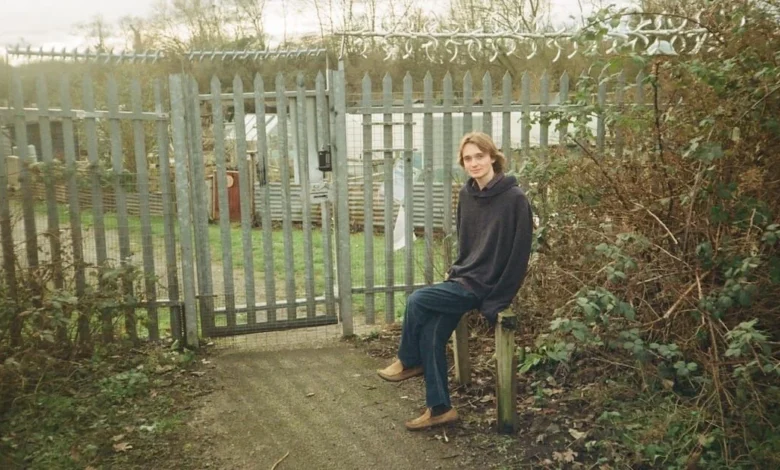
The Bristol-based indie-folk landscape is set to expand this summer with the formal announcement of Myer U Clark’s latest studio album, Tinderbox, scheduled for release on June 26 via Broadside Hacks Recordings. Accompanying the announcement is the debut of the lead single, "Healers," a track that encapsulates the artist’s idiosyncratic approach to composition and performance. This release marks a significant milestone in Clark’s career, transitioning from a collaborative member of the art-rock quartet The Scuttlers to a distinct solo voice within the contemporary British folk revival.
The production of "Healers" took place at The Crypt, a recording space known for its atmospheric output, under the guidance of producer Jack Ogborne. Ogborne’s recent portfolio, including work with The New Eves, Bingo Fury, and The Cindys, has positioned him as a key architect of the current "loose-limbed" sound emerging from the UK underground. The track is characterized by what Clark describes as "musical jank"—a deliberate aesthetic choice that prioritizes raw, wiry guitar work and a shambling, organic performance style over the polished artifice of mainstream folk-pop.
The Sonic Identity of Tinderbox and the Concept of Musical Jank
The upcoming album, Tinderbox, is described by industry observers as a synthesis of disparate influences, ranging from the melodic sensibilities of 1980s indie-pop to the foundational structures of Delta blues. Critics have already noted echoes of The Go-Betweens and Aztec Camera in Clark’s homespun melodic sense, yet these influences are filtered through a rigorous study of traditional English folk.
The term "musical jank," coined by Clark to describe his specific performance style, refers to a rhythmic and melodic looseness that avoids the rigidity of traditional studio recording. This approach aligns with a broader trend in the Bristol and London indie scenes, where artists are increasingly embracing "lo-fi" or "wonky" textures to convey authenticity. In "Healers," this is manifested through a carefree, whimsical atmosphere that mirrors the thematic content of the song.
Clark describes "Healers" as a non-linear love song, focusing on the "back and forth" of a relationship that exists in a state of perpetual potential. "It’s about two people who suspect they could be right on the edge of something special," Clark stated during the release announcement. "There’s a thread throughout the song that suggests the two individuals act as a kind of medicine for one another, providing a mutual healing that keeps the relationship afloat despite its lack of clear direction."
Production Credits and Visual Collaboration
The visual identity of the "Healers" single has been bolstered by a collaboration with the Bristol-based multimedia collective Below The Belt. The music video, directed by Sam Sterland, aims to capture the "open-armed headiness" that Clark identifies as a central theme of the Tinderbox album. The production team included editor Louis Cooper and producer Ruby Sinclair, reflecting the highly collaborative nature of the Bristol creative community.
The involvement of Below The Belt is indicative of a growing trend where independent musicians leverage local art collectives to produce high-quality visual content that competes with major label aesthetics while maintaining an underground edge. This synergy between the auditory and visual arts has become a hallmark of the Broadside Hacks stable of artists.
A Chronology of Myer U Clark’s Artistic Evolution
Myer U Clark’s journey to the release of Tinderbox began in a secluded Devonshire valley village. Developing an interest in songwriting at the age of eight, Clark’s early performances were famously staged for his Jack Russell, Albie. This early isolation fostered a unique creative perspective, free from the immediate pressures of urban musical trends.
To further refine his craft, Clark pursued a degree in English Literature, a choice made specifically to sharpen his lyrical capabilities. This academic background is evident in the narrative depth of his songwriting, which often employs complex metaphors and a structured approach to storytelling that distinguishes him from his contemporaries.
Before establishing himself as a solo artist, Clark was a member of The Scuttlers, an art-rock quartet that allowed him to experiment with more aggressive, structured soundscapes. His transition to solo work has been marked by high-profile support slots, sharing stages with acclaimed acts such as Naima Bock and Sorry. These appearances have placed Clark firmly within the "indie stage" circuit rather than the traditional folk club network, suggesting an appeal that transcends the boundaries of genre-specific audiences.
Broadside Hacks Recordings and the Modern Folk Revival
Tinderbox represents Clark’s first full-length collaboration with Broadside Hacks Recordings. The label has recently gained significant traction within the independent music industry for its curated roster of artists who are redefining folk music for a modern audience. Recent releases from Sam Grassie, Milkweed, and the upcoming debut from Brown Wimpenny have established Broadside Hacks as a pivotal player in the "New Folk" movement.
The label’s philosophy centers on the idea of folk music as a living, breathing entity rather than a museum piece. By signing artists like Clark, who integrate Delta blues and indie-pop into their folk foundations, Broadside Hacks is fostering a scene that is both historically literate and forward-thinking. Industry analysts suggest that the label’s success is part of a larger cultural shift toward acoustic-driven music that maintains the rebellious spirit of post-punk and art-rock.
The Bristol Music Scene: A Contextual Analysis
Bristol has long been recognized as a hub for musical innovation, from the trip-hop explosion of the 1990s to the contemporary post-punk revival. Myer U Clark’s emergence is part of a new wave of Bristolian artists who are moving away from electronic textures toward more organic, guitar-based compositions.
The city’s infrastructure—comprising small, independent venues and DIY collectives—provides a fertile ground for the "musical jank" aesthetic. The presence of studios like The Crypt and the support of multimedia groups like Below The Belt ensure that Bristol remains a primary exporter of avant-garde indie music in the United Kingdom. Clark’s position in this ecosystem is unique, as he bridges the gap between the rural folk traditions of his Devonshire upbringing and the urban art-rock sensibilities of his current environment.
Implications and Market Reception
The release of Tinderbox on June 26 is expected to be a significant event for the UK indie-folk market. By aligning with Broadside Hacks, Clark is positioned to reach a demographic that values lyrical integrity and sonic experimentation. The decision to release "Healers" as the lead single is a strategic move, as the song’s whimsical yet grounded nature serves as an accessible entry point into the more complex themes explored throughout the album.
The broader implications of Clark’s rise suggest a sustained interest in "homespun" music. In an era dominated by algorithmic pop and highly processed production, the "shambling, loose-limbed" performance style of Clark offers a counter-narrative that emphasizes human imperfection and emotional resonance.
Live Performances and Future Outlook
In support of the new album and single, Myer U Clark has confirmed several live dates in London, with more expected to be announced as the June release date approaches. These performances include:
- April 21: London, Morocco Bound Bookshop – An intimate venue known for hosting literary and musical events, fitting for Clark’s lyrical focus.
- June 27: London, Next Door Records 2 – A performance scheduled just one day after the official release of Tinderbox, serving as a launch event for the album.
These dates reflect a strategic focus on "tastemaker" venues that cater to dedicated music enthusiasts and collectors. By performing in spaces that double as bookshops and record stores, Clark is reinforcing his identity as an artist whose work demands close listening and intellectual engagement.
As the industry looks toward the summer of 2024, Myer U Clark’s Tinderbox stands as a testament to the enduring power of folk-inspired songwriting when combined with a modern indie sensibility. The album is currently available for pre-order via Bandcamp, a platform that has become essential for independent artists seeking to maintain direct connections with their audience. With the backing of Broadside Hacks and a growing reputation as a compelling live performer, Clark is poised to become a defining voice in the next chapter of British independent music.