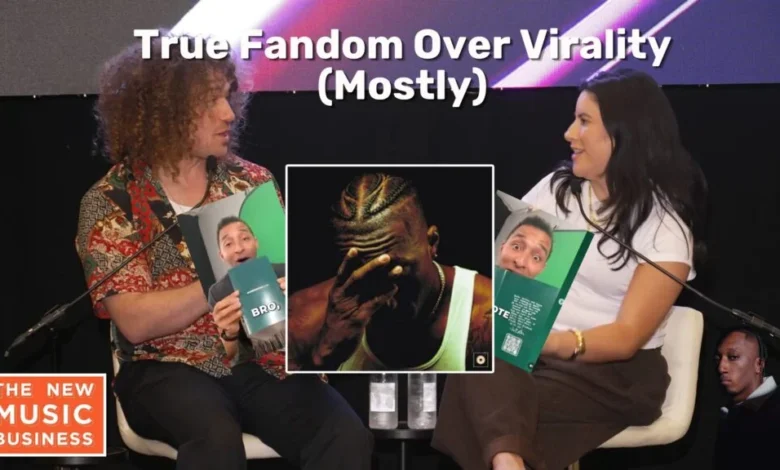
The music industry is undergoing a profound transformation, with independent artists and labels increasingly charting new paths to success by prioritizing authentic fan engagement over fleeting algorithmic trends. This strategic pivot was starkly illuminated at Indie Week 2026, where Dee Diaz, Vice President of Marketing at Reach Records, unveiled the groundbreaking direct-to-fan (D2F) strategies that propelled Lecrae’s Reconstruction album to a Billboard Top 10 debut. Her insights, shared during an interview on Ari Herstand’s "New Music Business" podcast, presented a compelling blueprint for artists seeking to cultivate deep, lasting connections with their audience in an ever-evolving digital landscape.
The Shifting Sands of Music Marketing: A New Paradigm
For years, the music industry has wrestled with the dual promise and peril of digital platforms. While services like Spotify, Apple Music, and YouTube offer unparalleled reach, the increasing reliance on algorithms for discovery has often left artists feeling disconnected from their core audience. Furthermore, the transient nature of viral trends, exemplified by platforms such as TikTok, frequently fails to convert casual listeners into dedicated, revenue-generating fans. It is against this backdrop that Reach Records, under Diaz’s leadership, made a conscious decision to re-evaluate its marketing philosophy for Lecrae’s highly anticipated Reconstruction project.
The traditional model, often characterized by large-scale digital advertising buys and algorithm-chasing content, was deemed insufficient to foster the kind of genuine connection that translates into sustained commercial success and enduring artistic impact. Diaz articulated this shift, emphasizing that "chasing algorithms became less about building community and more about momentary visibility. We wanted to build something that lasted, something rooted in authentic relationships." This philosophy underpinned every facet of the Reconstruction campaign, marking a significant departure from conventional release strategies.
Reach Records and Lecrae: A Foundation of Authenticity
To fully appreciate the innovative nature of the Reconstruction campaign, it is essential to understand the historical context of Reach Records and its flagship artist, Lecrae. Founded in 2004 by Lecrae Moore and Ben Washer, Reach Records quickly established itself as a pioneering independent label within the Christian hip-hop genre. From its inception, the label’s mission extended beyond mere music production; it aimed to create culturally relevant and spiritually resonant art that spoke to a diverse audience. This commitment to authenticity and purpose has been a hallmark of their journey, fostering a loyal fanbase long before the term "superfan" became a strategic imperative.
Lecrae, a Grammy Award-winning artist, has consistently pushed boundaries, blending faith-based lyrics with mainstream hip-hop sensibilities. His career, spanning over two decades, has seen him achieve significant commercial success while maintaining artistic integrity. Albums like Anomaly (2014), which debuted at No. 1 on the Billboard 200, demonstrated his crossover appeal and the power of his message. However, even with established success, the challenge for Reconstruction was to deepen engagement in an era of digital noise, proving that even a prominent artist benefits from direct, intentional fan cultivation. The album itself, Reconstruction, was poised to be a deeply personal and reflective work, necessitating a marketing approach that mirrored its authenticity and profound themes.
The "Reconstruction" Campaign: A Blueprint for Direct Engagement
The strategic rollout for Reconstruction was a meticulously crafted, multi-pronged approach designed to prioritize the most dedicated segments of Lecrae’s fanbase. It eschewed broad, impersonal blasts in favor of targeted, high-value interactions, demonstrating a profound understanding of contemporary fan psychology.
The 1,000 Fan Mailer Strategy: Personalized Exclusivity
One of the campaign’s earliest and most impactful initiatives was the "1,000 Fan Mailer Strategy." This involved identifying the label’s 1,000 most loyal and engaged fans – individuals who had consistently supported Reach Records and Lecrae over the years through purchases, event attendance, and active community participation. Rather than a generic email blast or social media post, these select fans received exclusive, physical mailers.
The contents of these mailers were carefully curated to offer a truly unique experience. They included personalized letters, early access to unreleased tracks, exclusive merchandise, and sometimes even handwritten notes or signed memorabilia. The goal was to create a tangible connection, making these superfans feel seen, valued, and intimately involved in the album’s journey. This strategy tapped into the psychological principle of reciprocity: by investing heavily in these core fans, Reach Records cultivated an unparalleled level of loyalty and advocacy. As Diaz explained, "We wanted to reward the people who have been with us from day one. They are the true backbone of our movement, and they deserved to be treated as such." The immediate impact was palpable, generating organic buzz and a strong sense of ownership among this influential group, who then became enthusiastic evangelists for the project.
"The Workshop": A Gamified Direct-to-Fan Ecosystem
Building upon the success of the mailer strategy, Reach Records launched "The Workshop," a bespoke, gamified direct-to-fan platform. This was not merely a forum but a dynamic, interactive digital ecosystem designed to deepen fan engagement and create a centralized hub for the Lecrae community. Within The Workshop, fans could access exclusive content, participate in challenges, earn points, unlock rewards, and directly interact with Lecrae and the Reach Records team.
Gamification played a crucial role, transforming passive consumption into active participation. Fans were encouraged to complete tasks such – sharing campaign assets, reviewing tracks, engaging in discussions about album themes, or even suggesting community service initiatives – to earn badges, climb leaderboards, and gain access to higher tiers of exclusivity. This approach fostered a vibrant, competitive, yet collaborative community where loyalty was visibly rewarded. The platform offered a direct line of communication, bypassing algorithms and allowing for unfiltered artist-fan interaction. It created a sense of belonging and shared purpose, transforming isolated listeners into a collective force.
Turning Superfans into Brand Ambassadors
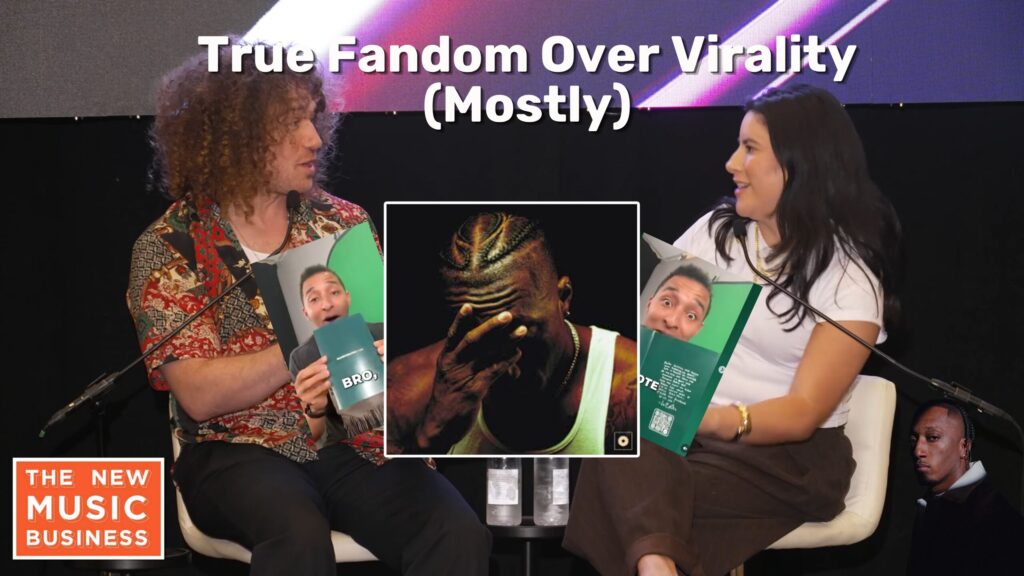
A core tenet of the Reconstruction campaign was the deliberate cultivation of superfans into active brand ambassadors. The initiatives, from exclusive mailers to The Workshop, were designed to empower these highly engaged individuals. By providing them with privileged access, early information, and a platform for expression, Reach Records effectively deputized them as extensions of the marketing team. These ambassadors, driven by genuine passion and a sense of ownership, organically amplified the album’s message across their personal networks.
This strategy leverages the inherent trustworthiness of peer-to-peer recommendations. In an age saturated with advertising, authentic endorsements from trusted friends or respected community members hold significantly more sway than traditional marketing messages. Superfans, armed with exclusive insights and a deep understanding of Lecrae’s artistry, became powerful advocates, generating authentic word-of-mouth marketing that resonated deeply with potential new listeners. The cost-effectiveness and authenticity of this approach are difficult to replicate through paid advertising, underscoring the long-term value of investing in core fan relationships.
Community Service as Music Marketing: A Unique Integration
Perhaps the most distinctive and impactful element of the Reconstruction campaign was its innovative integration of community service as a core marketing pillar. This strategy aligned perfectly with Lecrae’s longstanding commitment to social justice and faith-based activism, and the album’s thematic focus on rebuilding and renewal. Instead of solely promoting the album, Reach Records organized and encouraged fan participation in various community service initiatives tied to the album’s release.
These initiatives ranged from local volunteering efforts, charitable donations, and awareness campaigns for social causes, to specific projects related to urban revitalization or youth mentorship. Fans were invited to participate, share their experiences, and contribute to a larger mission. This approach transcended typical transactional marketing, transforming the album release into a movement. It provided fans with a tangible way to connect with the album’s message on a deeper, more meaningful level, fostering a sense of collective purpose that extended beyond music consumption. This not only generated positive media attention and reinforced Lecrae’s brand values but also created a powerful emotional bond with the audience, demonstrating that the artist and label truly stood for something beyond commercial gain. It was, in essence, marketing through shared values and collective action.
The Changing Dynamics of Digital Platforms: A Critical Assessment
Diaz’s presentation also offered a critical perspective on the efficacy of mainstream digital platforms, particularly TikTok. While acknowledging TikTok’s undeniable power in generating viral moments, she highlighted its diminishing returns in terms of converting fleeting attention into lasting fan loyalty or direct sales. This observation resonates with a growing sentiment within the music industry: the platform’s algorithm, while adept at short-term trend amplification, struggles to foster the deeper engagement necessary for sustainable artist careers.
"TikTok doesn’t convert like it used to," Diaz stated, pointing to a trend where viral sounds might generate billions of views but yield comparatively low streaming numbers on other platforms or negligible merchandise sales. The challenge lies in the nature of consumption on TikTok – often passive, short-form, and driven by an endless scroll. Users might enjoy a snippet of a song without ever seeking out the full track or the artist behind it. This contrasts sharply with the D2F strategies employed by Reach Records, which prioritize deep engagement, direct communication, and a clear path to conversion (e.g., through The Workshop or exclusive mailers). The implication is clear: while social media visibility remains important, it must be strategically integrated into a broader ecosystem that funnels casual interest into dedicated fandom.
Broader Implications for the New Music Business
The success of Lecrae’s Reconstruction campaign serves as a powerful case study for the entire music industry, particularly for independent artists and labels navigating the complexities of the digital age. It underscores several critical implications:
Reclaiming Artist-Fan Relationships: The campaign demonstrates that in an era dominated by intermediaries and algorithms, the most valuable asset an artist possesses is a direct, authentic relationship with their fanbase. By investing in these relationships, artists can build resilient careers less susceptible to the whims of platform changes or industry gatekeepers.
The Enduring Power of Superfans: The concept of the "1,000 True Fans" (a theory popularized by Kevin Kelly) is not merely theoretical but a practical roadmap to success. Identifying, nurturing, and empowering a dedicated core of superfans can provide the foundational support necessary for chart success, financial stability, and sustained artistic output. These fans are not just consumers; they are patrons, advocates, and community builders.
Authenticity as a Core Marketing Asset: In a marketplace saturated with manufactured trends, authenticity stands out. Reach Records’ willingness to integrate community service and build a campaign around shared values resonated deeply because it was genuine. This approach fosters trust and loyalty that superficial marketing tactics simply cannot achieve.
Strategic Diversification Beyond Algorithms: While social media and streaming platforms are indispensable tools, the Reconstruction campaign illustrates the importance of diversifying marketing efforts. Relying solely on algorithmic discovery is a precarious strategy. Building owned platforms (like The Workshop) and direct communication channels creates a more stable and controllable ecosystem for artists.
The Definition of "Making It" is Evolving: Diaz’s insights into "What It Means to Make It in the New Music Business" suggest a redefinition of success. It’s less about fleeting virality or massive, impersonal numbers, and more about sustainable engagement, deep connection, and the ability to monetize a dedicated fanbase directly. Success is measured not just in chart positions, but in the strength and longevity of an artist’s community.
Looking Ahead: A Sustainable Model for Artists
The Reconstruction campaign, as detailed by Dee Diaz at Indie Week 2026, offers a compelling vision for the future of music marketing. It is a future where technology empowers direct connections, where community is paramount, and where authenticity triumphs over fleeting trends. For artists and labels striving for sustained impact and genuine connection, the lessons from Reach Records’ innovative approach provide a rich blueprint. By focusing on the fans who truly matter, fostering deep engagement, and integrating purpose into their marketing, artists can not only achieve commercial success, but also build a resilient and thriving presence in the ever-evolving landscape of the new music business. The Billboard Top 10 achieved by Lecrae’s Reconstruction is not just a testament to a successful album launch; it is a beacon for a more human-centric, artist-empowered era in music.
Related posts: