Joey Valence & Brae Electrify Triple J’s Like A Version with Genre-Bending Amyl and The Sniffers Cover Amidst HYPERYOUTH World Tour


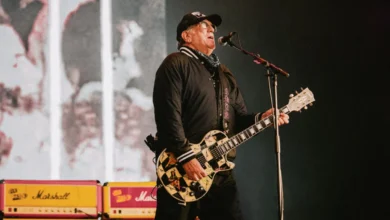
In a vibrant display of musical transformation, American hip-hop duo Joey Valence & Brae captivated audiences on Australia’s iconic triple j’s Like A Version, delivering a high-octane, synth-driven rendition of Amyl and The Sniffers’ acclaimed punk anthem, "Security." The performance, broadcast during the Australian leg of their HYPERYOUTH World Tour, saw the Pennsylvania-based artists re-imagine the 2021 track, converting its raw, pub-rock energy into a pulsating, bass-heavy dance-rap spectacle that underscored their unique genre-blending prowess.
A Cultural Institution: The Significance of Like A Version
triple j’s Like A Version stands as a cornerstone of Australian music culture, a segment on the national youth broadcaster that has, for decades, provided a unique platform for artists to showcase their versatility and creativity. Launched in the early 2000s, the segment invites prominent musicians, both local and international, into the triple j studios to perform one of their original songs and a cover version of another artist’s track. This format has evolved into a beloved tradition, celebrated for its capacity to produce unexpected interpretations, foster musical discovery, and often generate viral moments that resonate globally.
The segment’s enduring appeal lies in its ability to strip away the usual studio polish, offering listeners an intimate, often raw, glimpse into an artist’s musical influences and interpretive skills. Many Like A Version performances have achieved legendary status, becoming cultural touchstones and introducing artists to new fanbases. For international acts like Joey Valence & Brae, an appearance on Like A Version is more than just a promotional opportunity; it is an endorsement by a respected musical institution and a direct conduit to Australia’s passionate music community, frequently leading to significant boosts in profile and streaming numbers. The segment’s accompanying YouTube videos routinely amass millions of views, demonstrating its expansive global reach beyond Australian shores.
Deconstructing the Original: Amyl and The Sniffers’ "Security"
To fully appreciate Joey Valence & Brae’s reinterpretation, it is essential to understand the essence of the original track. "Security" is a standout single from Amyl and The Sniffers’ critically lauded second album, Comfort To Me, released in 2021. The Melbourne quartet, fronted by the electrifying Amy Taylor, has carved a formidable niche in the contemporary punk and garage rock scene, celebrated for their uncompromising energy, raw authenticity, and unapologetically Australian voice.
Comfort To Me itself was a watershed moment for the band. The album received widespread critical acclaim, earning nominations for prestigious awards and solidifying Amyl and The Sniffers’ reputation as one of the most exciting acts to emerge from Australia. Commercially, it achieved significant success, reaching the top 25 on the Australian albums chart and significantly expanding the group’s global profile. Tracks like "Security" embody the band’s signature sound: terse, explosive, and delivered with a visceral urgency that harks back to classic punk while remaining distinctly modern. Lyrically, "Security" delves into themes of personal safety, belonging, and the yearning for stability amidst a chaotic world, conveyed through Taylor’s distinctive, often confrontational, vocal delivery.
Amy Taylor, in particular, has become one of modern punk’s most recognizable and revered frontpeople. Her uninhibited stage presence, powerful vocals, and raw charisma have propelled Amyl and The Sniffers onto major international festival bills and extensive touring circuits, cementing their status as a global force in rock music. The band’s DIY ethos and dedication to their craft resonate deeply with audiences who crave genuine, unpolished musical expression, qualities that Joey Valence & Brae acknowledged and admired in their decision to cover the track.
Joey Valence & Brae: The Architects of "HYPERYOUTH"
Joey Valence & Brae burst onto the music scene with a distinctive sound that fuses the nostalgic aesthetics of 90s hip-hop with the frenetic energy of modern electronic music and punk rock. Hailing from Pennsylvania, the duo quickly garnered attention through viral social media presence, their infectious tracks and high-energy performances resonating with a new generation of listeners. Their sound is often characterized by rapid-fire lyrical exchanges, booming basslines, and hyperactive electronic textures, drawing comparisons to iconic acts like the Beastie Boys while forging a path distinctly their own.
Their sophomore album, HYPERYOUTH, released last year, serves as a testament to their evolving artistry and ambitious vision. The album is a meticulously crafted project, notable for its entirely DIY production; Joey Valence took on the roles of producer, mixer, and masterer from his bedroom studio. This hands-on approach imbues HYPERYOUTH with an authentic, unpolished edge that aligns with the raw energy they often seek to emulate and reinterpret. The album also features an impressive roster of collaborators, including experimental hip-hop artist JPEGMAFIA, pop innovator Rebecca Black, and genre-bending rapper TiaCorine, showcasing the duo’s broad appeal and willingness to explore diverse musical landscapes. HYPERYOUTH cemented their reputation as innovators, capable of crafting complex, multi-layered soundscapes that are both intellectually engaging and viscerally thrilling. The album’s themes often revolve around the intensity and rapid pace of modern youth culture, digital existence, and a relentless pursuit of creative expression.
The Transformation: From Punk Anthem to Dance-Rap Banger

Joey Valence & Brae’s Like A Version performance of "Security" was a masterclass in musical deconstruction and reconstruction. The duo systematically stripped away the original’s signature pub-rock guitars, replacing them with a dense tapestry of electronic production. Booming low-end frequencies formed the new rhythmic backbone, while intricate synth melodies and textures took center stage, driving the track with an almost relentless momentum. The rapid-fire vocal exchanges between Valence and Brae were deployed with precision, transforming Taylor’s singular, impassioned delivery into a dynamic, conversational rap performance that was distinctly their own.
Despite this radical sonic overhaul, the duo demonstrated a profound respect for the source material. They consciously preserved the raw intensity and urgent energy that define Amy Taylor’s original delivery. The essence of "Security"—its immediacy, its punchy impact—remained intact, albeit filtered through a new, electronic-driven lens. This ability to honor the spirit of the original while pushing it into entirely different sonic territory is a hallmark of truly memorable Like A Version performances. The cover drew heavily from their established catalog, incorporating elements of dance music, the distinctive cadences reminiscent of early Beastie Boys, and the hyperactive electronic textures that characterize their "HYPERYOUTH" sound.
Speaking during the Like A Version session, Brae articulated the duo’s rationale behind choosing "Security." He explained, "Just has so much energy. As soon as you hear it, you want to bounce off the wall." This statement perfectly encapsulates the magnetic quality of Amyl and The Sniffers’ track and the duo’s intention to harness that kinetic force within their own musical framework. They also lauded Amy Taylor’s distinctive performance style and the raw, unpolished feel of the original recording, acknowledging these as key elements that contributed to Comfort To Me‘s breakthrough international success. This appreciation for the authentic, unvarnished aspects of punk rock underscores their artistic integrity and their understanding of what makes "Security" such a powerful song.
The HYPERYOUTH World Tour: A Global Journey
The Like A Version appearance was not an isolated event but a significant highlight during the Australian leg of Joey Valence & Brae’s ambitious HYPERYOUTH World Tour. This extensive tour, launched in support of their second album, has seen the duo take their high-octane live show to audiences across the globe, solidifying their growing international fanbase.
The Australian and New Zealand leg of the tour included a series of highly anticipated dates in major cities. Kicking off in Auckland, New Zealand, the tour then traversed Australia, with stops in Melbourne, Sydney, Brisbane, and Perth. These performances provided local audiences with the opportunity to experience the duo’s explosive energy and unique sound firsthand, further cementing their connection with fans in the region. The timing of the Like A Version broadcast perfectly coincided with this tour, amplifying their presence and introducing their music to a broader segment of the Australian public who might not have been familiar with their work prior to the performance. The tour itself has been met with enthusiastic reviews, with critics and fans alike praising the duo’s dynamic stage presence and the infectious energy they bring to their live shows, mirroring the "bounce off the wall" sentiment Brae expressed.
Broader Implications and Cross-Genre Dialogue
Joey Valence & Brae’s Like A Version performance carries significant implications for both artists involved, for the triple j platform, and for the broader musical landscape.
For Joey Valence & Brae, the cover served multiple purposes. Firstly, it showcased their artistic versatility and their ability to transcend genre boundaries, proving they are more than just a hip-hop act. Their respectful yet transformative interpretation demonstrated a deep musical understanding and an openness to diverse influences. Secondly, the performance provided invaluable exposure to a vast new audience, particularly within Australia, a market that has historically embraced unique and energetic acts. The viral potential of Like A Version performances ensures that their rendition of "Security" will continue to be discovered by listeners worldwide, potentially converting new fans and expanding their global footprint. It solidifies their reputation as innovative artists unafraid to experiment and push creative limits.
For Amyl and The Sniffers, the cover is a testament to the enduring impact and adaptability of "Security." While the band already enjoys international recognition, a high-profile cover by a rapidly rising act like Joey Valence & Brae introduces their music to a demographic that might not typically engage with punk rock. It reaffirms the track’s potency and its capacity to resonate across different musical styles, highlighting its quality as a songwriting achievement. This cross-pollination of fanbases can lead to new listeners discovering Amyl and The Sniffers, further validating their contribution to contemporary music.
For triple j’s Like A Version, this performance further reinforces its standing as a premier platform for musical innovation and cross-genre dialogue. It continues the segment’s legacy of delivering memorable and often surprising interpretations, generating buzz and sustaining its cultural relevance in a rapidly evolving media landscape. Such performances underscore the segment’s role in fostering musical experimentation and celebrating the interconnectedness of different genres.
In a broader sense, this collaboration exemplifies the increasing fluidity of genres in contemporary music. It demonstrates how artists can respectfully bridge seemingly disparate musical worlds, creating new and exciting sonic experiences. The shared punk ethos of raw energy and uninhibited expression, albeit manifested differently, forms a crucial link between the two acts, proving that authentic passion can transcend stylistic boundaries. The performance serves as a powerful reminder that musical creativity thrives on unexpected connections and bold reinterpretations, signaling a future where genre labels become increasingly porous and artists are encouraged to explore the full spectrum of their influences.
As Joey Valence & Brae continue their HYPERYOUTH World Tour, their electrifying take on "Security" will undoubtedly remain a talking point, a powerful testament to their innovative spirit and their growing influence on the global music stage. It stands as a vibrant example of how a compelling cover can not only honor an original but also inject it with new life, expanding its narrative and reaching new generations of listeners.