Frank Turner Announces Indefinite Touring Hiatus Following Milestone Lost Evenings Festival in 2027

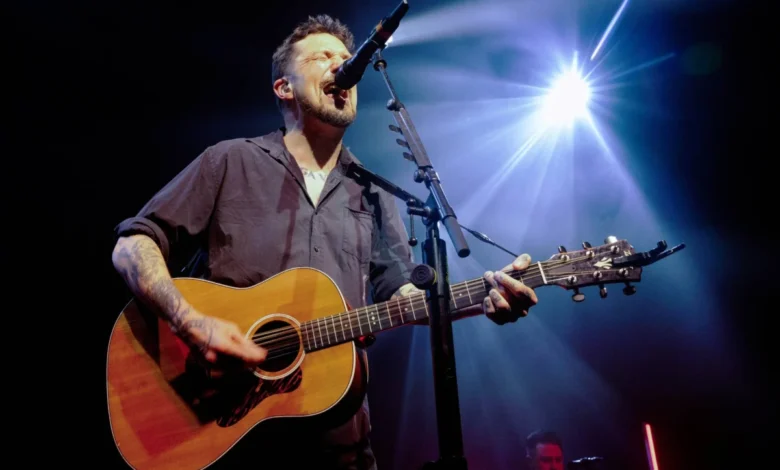
British singer-songwriter Frank Turner has stunned the global music community by announcing an indefinite hiatus from live touring. The decision will culminate in a four-night residency at London’s OVO Arena Wembley in November 2027, marking the 10th and final installment of his self-curated Lost Evenings festival. Turner, who has spent nearly three decades relentlessly performing across the globe, admitted that he genuinely does not know when he will return to the stage once the final curtain falls in late 2027.
The announcement brings to a close one of modern punk and folk-rock’s most enduring and punishing touring schedules. With over 3,000 shows, 10 studio albums, and a reputation as one of the hardest-working artists in the independent music sector, Turner’s decision signals a monumental shift in a career defined by perpetual motion.
The End of an Era at Wembley
The grand finale of Turner’s touring career is scheduled to take place from November 4 to November 7, 2027, at the OVO Arena Wembley. This venue holds particular significance for the artist, as it was the site of his first-ever headline arena concert back in 2012.
Lost Evenings X will serve not only as the final iteration of his festival—which previously traveled to international cultural hubs including Boston, Berlin, Anaheim, Toronto, Edinburgh, and Dallas after its 2017 inception at London’s Roundhouse—but also as a comprehensive retrospective of his career. Turner and his long-standing backing band, The Sleeping Souls, are slated to headline all four nights, with each evening featuring a completely unique setlist.
True to the festival’s community-driven ethos, the event will host the Nick Alexander Stage to showcase emerging musical talent, alongside a comprehensive daytime programme of panels, workshops, and industry discussions. In line with his long-standing philanthropic efforts, £1 from each weekend ticket sold will be donated via PLUS1 to charitable organizations, including The Ally Coalition, The Nick Alexander Music Trust, and Way Out Arts.
A Career Built on the Road: Chronology and Milestones
To understand the weight of Turner’s decision, one must examine the staggering scale of his dedication to live performance. Emerging from the ashes of the influential post-hardcore band Million Dead in 2005, Turner forged a successful solo career characterized by acoustic folk-punk storytelling, socio-political commentary, and an unyielding commitment to the road.
- 2005: Following the breakup of Million Dead, Turner embarks on his solo career, playing grassroots venues, pubs, and punk clubs across the United Kingdom and Europe.
- 2008–2013: Releases breakthrough albums such as Love Ire & Song and Tape Deck Heart, steadily building an intensely loyal international fanbase and performing hundreds of shows annually.
- 2012: Reaches a major career milestone by headlining his first arena concert at Wembley Arena.
- 2017: Launches the inaugural Lost Evenings festival at London’s Roundhouse, creating a multi-day celebration of independent music that would eventually go global.
- May 2024: Sets a Guinness World Record by performing 15 live shows across 15 different towns and cities within a 24-hour period, raising awareness and funds for independent music venues and record shops.
- May 2024: Releases his 10th studio album, Undefeated, which marks his return to the independent label Xtra Mile after a decade-long tenure with a major label.
- September 2027: Announces the final Lost Evenings festival and subsequent indefinite touring hiatus.
Industry Pressures, Personal Well-Being, and Evolving Priorities
In a comprehensive and reflective statement released following the initial festival announcement, Turner detailed the multifaceted reasoning behind his departure from the road. The decision stems from a combination of personal introspection, physical toll, and systemic shifts within the wider music business.
"After 28 years on the road, 10 albums and well over 3,000 shows, it’s time for a change," Turner wrote. "I’ve been on the road most of my life… and I want to try new things. I want to recharge, spend more time with my friends and family, and explore other ways of life. I’m excited to pursue other ideas and projects."
Beyond the desire for personal rejuvenation, Turner addressed the increasingly precarious economic landscape of modern touring. Rising operational costs, logistical hurdles, and the corporatization of music consumption have drastically altered the industry since he began his career.
Furthermore, he candidly addressed the cultural shift brought on by digital platforms. "The economics of touring have gotten harder, the music industry has been swallowed by social media in a way that doesn’t really interest me, and as I get older my physical and mental health could do with some care," he noted.
Despite these candid admissions, Turner emphasized that his departure is entirely voluntary and forward-looking. Rather than bowing out due to exhaustion or professional decline, he expressed a desire to "leave the stage with my head high," viewing the upcoming Wembley residency as a celebratory milestone rather than a somber farewell.
Gratitude and Acknowledgments
As he prepares for his final chapter of live performances before the hiatus, Turner took time to express profound gratitude to the people who sustained his career. He explicitly thanked his backing band, The Sleeping Souls, his independent record label Xtra Mile, his tireless touring crew, and the countless industry professionals who brought his vision to life over the decades.
However, his warmest sentiments were reserved for his fanbase—a community that has grown alongside him from sweaty underground clubs to major festival stages.
"There are many friends I’ve made, many faces I know, but truly, to every single person who ever cared — thank you," Turner stated. He reiterated that while the hiatus is indefinite, it does not represent a permanent retirement from music creation itself, leaving the door open for future studio work or isolated, unexpected projects once the dust settles.
Grassroots Advocacy and Legacy
Throughout his career, Turner has positioned himself as more than just a touring artist; he has been an active, vocal advocate for the health of the broader musical ecosystem. His advocacy has been particularly pronounced within the UK’s grassroots live sector, which has faced severe economic pressures in the wake of the COVID-19 pandemic, Brexit, and soaring inflation.
In 2024, Turner became a prominent voice calling for structural change within the live entertainment industry, publicly advocating for a £1 voluntary levy on arena and stadium tickets to directly support struggling grassroots music venues. He backed his rhetoric with action by committing £1 from every ticket sold on his subsequent UK tours to the Music Venue Trust. His record-breaking 24-hour blitz of 15 intimate gigs further cemented his reputation as a champion of independent art spaces.
The implications of Turner’s hiatus for the wider indie-punk community are significant. As one of the genre’s most reliable and prolific ambassadors steps away from the stage, independent venues and promoters lose a high-profile ally who regularly drove significant cultural and economic traffic to smaller rooms.
Nevertheless, his legacy as a tireless advocate and an exceptional live performer remains secure. As tickets for Lost Evenings X go on general sale, fans worldwide are preparing for what promises to be an emotional, joyous, and definitive celebration of a truly remarkable two-decade journey in modern music.