Flore Laurentienne and the Sonic Landscapes of Volume III: A New Era for Canadian Contemporary Composition

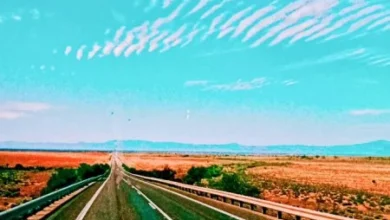
The release of Volume III marks the grand conclusion of a meticulously crafted trilogy by Mathieu David Gagnon and his ambitious ensemble, Flore Laurentienne. By drawing inspiration from the expansive, rugged, and serene vistas of the St. Lawrence River, Gagnon has synthesized the natural topography of Québec into a sophisticated musical language. The project, which utilizes a rich instrumentation of a string quartet, dual keyboardists, synthesizer, and percussion, represents a significant contribution to the intersection of contemporary classical music and ambient electronic soundscapes. As the ensemble prepares for a series of highly anticipated performances across the United States this August and September, the release offers an opportune moment to analyze the evolution of Gagnon’s work and its standing within the modern minimalist canon.
The Genesis of a Trilogy
Mathieu David Gagnon began this musical exploration with the explicit intent of mapping the Québec landscape through sound. The trilogy was conceived not merely as a collection of tracks, but as a long-form narrative arc that traces the life cycle of nature. The final installment, Volume III, serves as the definitive synthesis of these ideas.
The opening composition, "Fleurs," acts as an overture to this final chapter. It employs delicate, pizzicato-driven string arrangements that evoke the imagery of a blooming meadow, while the underlying sweep of the orchestration suggests the atmospheric shifts of the changing seasons. Gagnon’s use of synthesizers—often a point of contention in classical purist circles—is handled with restraint. Rather than overwhelming the organic textures of the harp, violin, viola, cello, and double bass, the synthesizer acts as a spiritual bridge, grounding the acoustic instruments in a contemporary, ethereal space.
Philosophical Underpinnings and Artistic Intent
Gagnon has frequently described his work as a meditation on the concept of "light." In recent discussions regarding the thematic structure of the trilogy, he noted that the central essence is the cyclical nature of life. "It is the seed in the ground that becomes a plant and then a flower, blooming at its peak and then inevitably wilting so that the cycle can begin again," Gagnon remarked. This philosophical framework provides the audience with a clearer understanding of the dissonance and resolution found within the album.
The music is an intentional quest for beauty within chaos. By balancing the rigid, structured traditions of classical string arrangements with the fluid, often unpredictable nature of minimalist electronic textures, Gagnon seeks to create a harmonic resolution that transcends the inherent tension of the composition. This approach echoes the works of minimalist pioneers like Hans-Joachim Rodelius, while simultaneously tipping its cap to the complex, progressive structures of King Crimson and the foundational counterpoint of Johann Sebastian Bach.
Chronology of the Project
The journey of Flore Laurentienne has been a methodical one, unfolding over several years of composition and recording:
- Initial Conception (Pre-2020): Gagnon begins formalizing the idea of a trilogy focused on the geography of the St. Lawrence River.
- Volume I Release: The debut established the ensemble’s signature sound—a blend of chamber music and subtle electronics. It received critical acclaim for its atmospheric depth and geographic specificity.
- Volume II: The middle chapter expanded the ensemble’s palette, introducing more complex percussion and exploring the darker, more introspective textures of the Canadian landscape.
- Volume III (2026): The final installment completes the cycle. It represents a more mature, refined approach to the themes introduced in the first two volumes, focusing on the transient nature of beauty.
Technical Composition and Instrumentation
The success of Volume III lies in the precise balance of its instrumental layers. The ensemble configuration is deliberate:
- The String Core: A standard quartet supplemented by a double bass, providing the foundational gravity of the music.
- Keyboard and Synthesizer Integration: Two keyboardists allow for intricate layering, with the synthesizer often providing the "atmospheric weather" of the pieces.
- Percussion: Used sparingly to emphasize key movements or transitions within the compositions, moving away from traditional rhythmic beats in favor of textural accents.
This arrangement allows the music to inhabit a space between chamber music and film score—a "cinematic minimalism" that has found a growing audience in both the jazz-adjacent and contemporary classical markets.
U.S. Tour and Live Implications
Following the album’s release, Flore Laurentienne is scheduled to bring its live show to major U.S. cultural centers in August and September. The tour includes high-profile dates in New York City, San Francisco, and Chicago.
These performances are expected to be pivotal for the ensemble’s international reputation. Translating the dense, studio-layered textures of Volume III to a live environment presents a unique challenge, requiring the ensemble to recreate the nuances of the recordings in real-time. Industry observers note that the tour will likely serve as a barometer for the demand for avant-garde, nature-inspired compositions in the U.S. market, where "neo-classical" music has seen a steady rise in popularity over the last decade.
The Broader Impact on Contemporary Composition
The implications of Gagnon’s work extend beyond his own discography. As a representative of the contemporary Québec music scene, Gagnon is part of a broader movement that is re-examining the role of traditional instrumentation in the digital age. By integrating electronic elements without sacrificing the tactile quality of acoustic strings, Flore Laurentienne provides a blueprint for how modern composers can navigate the tension between heritage and innovation.

Furthermore, the focus on environmental themes—specifically the St. Lawrence River—positions the music as a form of "geographical art." In an era where climate change and environmental preservation are at the forefront of public discourse, music that highlights the majesty and fragility of the natural world resonates with a growing demographic of listeners.
Analysis: The Future of the Ensemble
While Volume III concludes the trilogy, it leaves the door open for what comes next for Mathieu David Gagnon. The technical proficiency displayed in these recordings suggests that the ensemble is capable of moving into larger, more ambitious formats, such as full orchestral collaborations or multimedia immersive experiences.
Critics have noted that the "light" philosophy central to the trilogy provides a cohesive narrative that makes the three volumes feel like a singular, unified work of art. This level of intentionality is rare in contemporary music, which is often driven by single-track streaming habits. By forcing the listener to engage with a multi-volume conceptual work, Gagnon is challenging the traditional consumption patterns of the digital age.
Conclusion
As Flore Laurentienne prepares to introduce the final chapter of its trilogy to American audiences, the project stands as a testament to the power of thematic composition. Through the intelligent application of string arrangements and electronic textures, Mathieu David Gagnon has created a body of work that is as intellectually stimulating as it is emotionally evocative. Whether the listener is drawn to the technical complexity of the compositions or the serene, nature-inspired imagery, Volume III offers a comprehensive listening experience that cements the ensemble’s place in the contemporary musical landscape.
The upcoming tour serves as the final, crucial step in validating the project’s scope. If the reception in Canada is any indicator, these performances will provide a stark, beautiful contrast to the urban environments in which they will be staged, offering concertgoers a brief, profound moment of reflection on the cycle of growth, beauty, and inevitable transformation. For those following the evolution of modern composition, the conclusion of the Flore Laurentienne trilogy is not merely the end of a series of recordings, but the arrival of a significant artistic voice on the international stage.