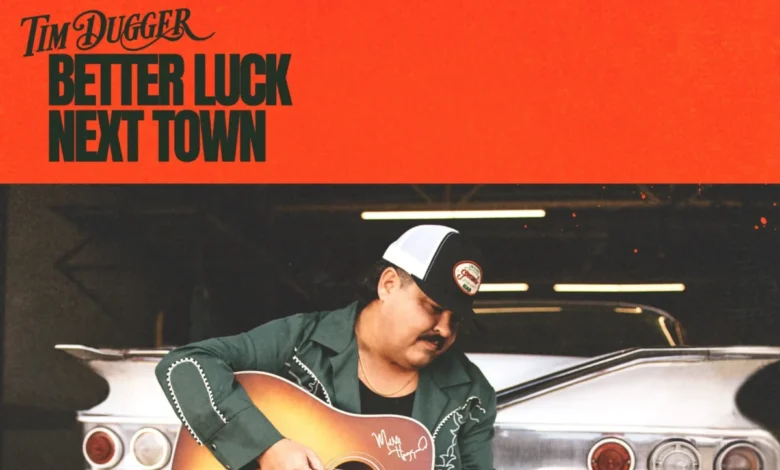
Tim Dugger’s latest single, “Better Luck Next Town,” marks another pivotal chapter in the Alabama-native singer-songwriter’s prolific musical output throughout 2026. The track captures a universal country music theme: the realization that physical distance cannot outrun emotional pain. In the song, Dugger finds that no amount of neon lights, county lines, or geographical shifts can soothe a fractured heart. No matter where he lands on the map, his memories inevitably follow. By weaving a mournful sentiment with clever wordplay and traditional instrumentation, Dugger delivers a quintessential country anthem tailored for honky-tonks and late nights.
The release of “Better Luck Next Town” coincides with a broader creative surge for the artist. It serves as a standout track from his newly released six-track extended play, My Compass. The EP represents a fresh musical and personal course for Dugger, arriving on the heels of his critically well-received 2024 full-length album, Stars Over Alabama. Produced by industry veteran Michael Knox—best known for his chart-topping work with powerhouse country acts such as Jason Aldean and Riley Green—My Compass showcases a deliberate blending of heartland grit with modern production polish.
The Making of My Compass and Artistic Evolution
Throughout My Compass, Dugger leans heavily into the traditional country sounds that shaped his upbringing in rural Alabama. The project maps out life’s defining milestones, traversing familiar territory that includes cold beer, deep-rooted heartbreak, and the glow of neon signs. Yet, beneath the traditional surface lies a reflective maturity. With a soul that he proudly notes forever points south, Dugger uses the EP to navigate themes of homecoming, endurance, and the moral compass provided by the people and places of his past.
Producer Michael Knox brought a seasoned ear to the recording sessions, helping Dugger refine a sound that bridges classic country storytelling with contemporary radio appeal. Knox’s extensive experience in crafting stadium-sized country hits is evident in the dynamic arrangements of the EP’s six tracks. Each song is carefully structured to resonate just as powerfully in a crowded arena as it does through a truck radio on a lonely highway. For Dugger, working with Knox has unlocked a new level of confidence in the studio, allowing him to push his vocal boundaries while staying true to his authentic roots.
Chronology of Releases and Promotional Strategy
The rollout for My Compass has been meticulously planned to align Dugger’s music with his longtime passions, most notably his deep ties to the world of motorsports. Unlike many contemporary artists who rely solely on traditional radio tours and digital-only marketing campaigns, Dugger has taken a grassroots, high-adrenalin approach to promoting his new material.
Throughout the summer months, the country traditionalist has been hitting the road to debut selections from My Compass live in front of tens of thousands of racing fans. This unique promotional tour is executed through an ongoing partnership with Speedway Motorsports, Inc. (SMI). By integrating his music directly into the pre-race festivities and infield events at major NASCAR tracks, Dugger has successfully exposed his traditional country sound to a dedicated demographic that shares his affinity for fast cars, tailgating, and Americana culture.
The tour schedule has placed Dugger in front of massive audiences at high-profile venues across the United States. Following a rigorous summer schedule, his momentum continues into the fall. Dugger is slated for a high-profile appearance at the historic Bristol Motor Speedway, followed by a major performance at the Charlotte Motor Speedway. These live appearances serve not only as promotional stops for My Compass but also as a testament to Dugger’s ability to connect with working-class audiences through songs that mirror their own lifestyles.
Industry Implications and Cultural Resonance
The release of “Better Luck Next Town” and the broader success of My Compass carry significant implications for Dugger’s career trajectory within the modern country music landscape. In an era where the genre is frequently pulled between pop-country crossovers and ultra-traditional revivals, Dugger occupies a distinct middle ground. He maintains the storytelling integrity and instrumental honesty demanded by traditionalists while embracing the polished production values required to compete on modern commercial charts.
Industry analysts note that Dugger’s unique partnership with Speedway Motorsports provides a masterclass in non-traditional music marketing. By bypassing conventional radio bottlenecks and taking his music directly to sports entertainment hubs, Dugger has cultivated a fiercely loyal fan base. This direct-to-consumer approach shields independent and mid-tier artists from the volatile nature of traditional radio airplay, ensuring steady growth in streaming numbers, merchandise sales, and ticket demand.
Furthermore, songs like “Better Luck Next Town” reinforce the enduring commercial viability of heartbreak ballads in contemporary country music. While uptempo party anthems often dominate summer playlists, mid-tempo and mournful storytelling tracks remain the lifeblood of the genre. By capturing the universal pain of displacement and unrequited longing, Dugger taps into a deeply human emotion that transcends demographics.
Broader Artistic Context and Future Outlook
As Tim Dugger looks beyond the current release cycle of My Compass, the critical and commercial reception of “Better Luck Next Town” suggests a bright future. His ability to consistently churn out authentic material without losing sight of his foundational influences has earned him the respect of both industry peers and veteran producers like Knox.
As he prepares to take the stage at Bristol and Charlotte, Dugger stands at a pivotal crossroads. With a solid catalog, a strategic partnership with SMI, and a growing reputation as a formidable live performer, he is well-positioned to expand his footprint in the country music genre. For listeners seeking a return to substance, storytelling, and steel guitar, Tim Dugger’s latest work offers a welcome roadmap—proving that no matter how many towns you leave behind, great country music will always help you find your way home.