Little Steven’s Underground Garage Cruise 2 Celebrates Garage Rock Revival and Female Pioneers Aboard the Norwegian Pearl

The second annual sailing of Little Steven’s rock-a-thon at sea, Little Steven’s Underground Garage Cruise 2, concluded its voyage on April 7, 2026, marking a significant milestone in the resurgence of garage rock and the growing popularity of immersive musical experiences. The event, which took place from April 3 to April 7, saw the Norwegian Cruise Line vessel Pearl transform into a floating sanctuary for rock enthusiasts as it traveled from the Port of Miami to the coastal destination of Cozumel, Mexico. Presented by Sixthman, the industry leader in festival-at-sea experiences, the cruise featured a curated lineup of 30 bands, emphasizing both the historical roots of the genre and its contemporary evolution.
The festival was curated by Steven Van Zandt—known professionally as Little Steven—the legendary guitarist for Bruce Springsteen’s E Street Band and the visionary behind the "Underground Garage" brand. The brand, which encompasses a widely syndicated radio show and a dedicated SiriusXM channel, has long served as a vital platform for raw, guitar-driven rock and roll. The 2026 cruise served as a physical manifestation of this mission, bringing together legendary acts like Social Distortion, Buzzcocks, and The Sonics, alongside modern torchbearers such as Rival Sons and Jesse Malin.
A Curated Experience Under the Guidance of Michael Des Barres
The event was presided over by the Master of Ceremonies, Michael Des Barres. A polymath of the entertainment industry, Des Barres brought a sense of rock royalty to the proceedings. With a career spanning decades, including fronting the bands Silverhead and Detective and appearing in iconic television series such as MacGyver and Lois & Clark, Des Barres currently serves as a prominent DJ on the Underground Garage channel. His role as host provided a narrative thread throughout the four-day event, bridging the gap between the various musical eras represented on stage.
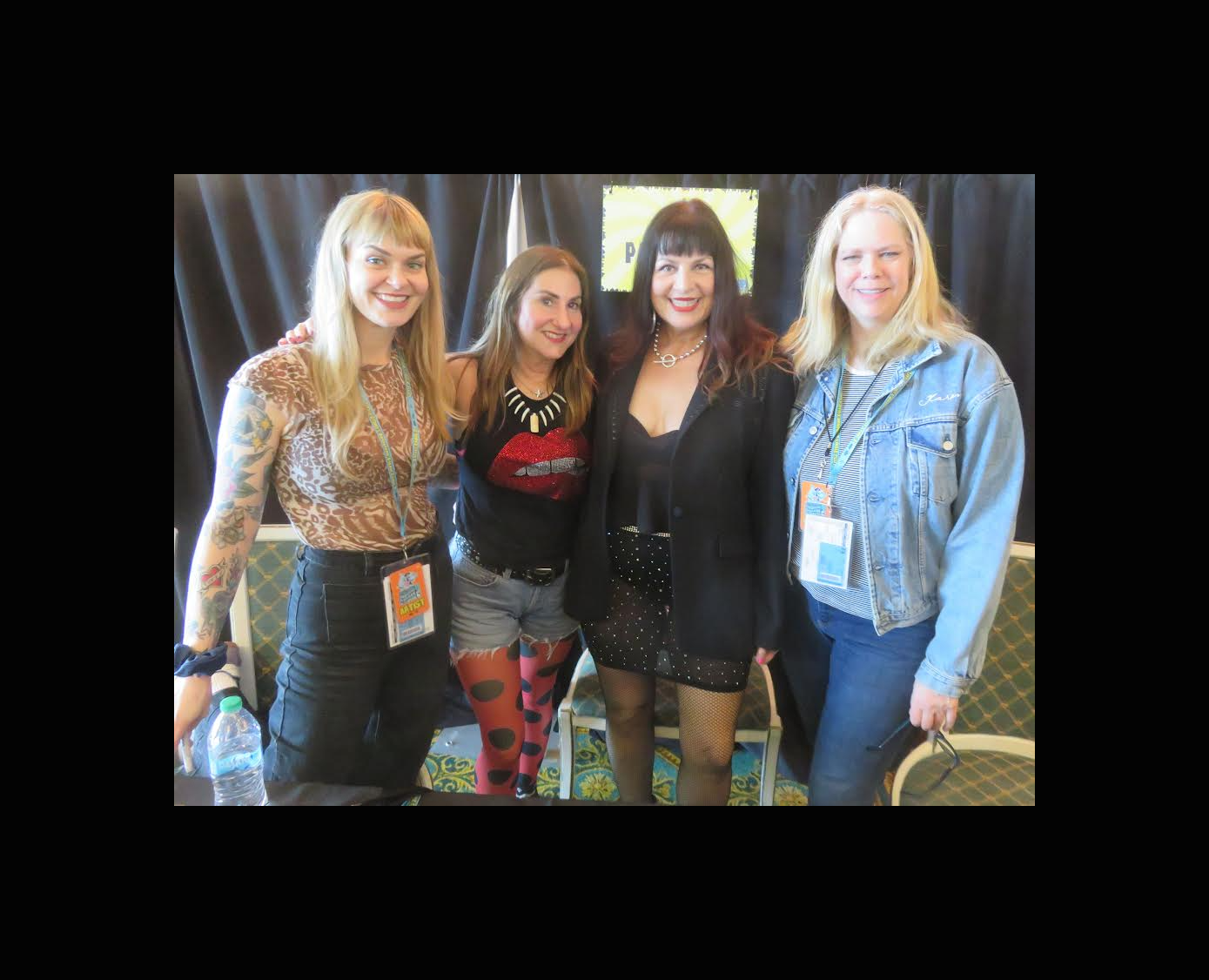
The atmosphere aboard the Norwegian Pearl was one of high-energy camaraderie. Unlike traditional land-based festivals, the cruise format allowed for intimate interactions between artists and fans. Musicians were frequently seen attending each other’s sets, participating in Q&A sessions, and engaging with the "Garage Rock" community in the ship’s common areas. This level of accessibility has become a hallmark of the Sixthman production model, which prioritizes community-building over traditional spectator-performer hierarchies.
The Dominance of Women-Led Acts
A defining characteristic of Little Steven’s Underground Garage Cruise 2 was the prominent role played by women in the lineup. While garage rock has historically been viewed through a male-centric lens, this sailing highlighted the immense contribution of female-fronted and all-female groups to the genre’s past and future. Industry analysts noted that the inclusion of these acts was not merely a matter of representation but a reflection of where the most innovative and energetic performances in the garage rock scene are currently being generated.
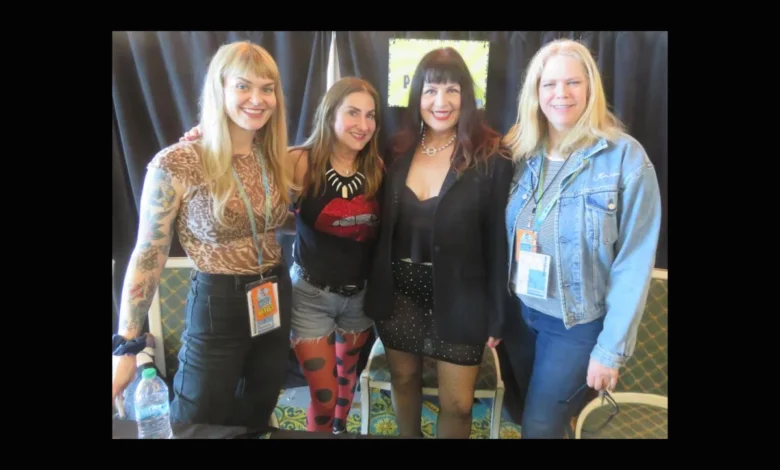
Among the most highly anticipated performances was that of The Pandoras. The group, which holds a storied place in the 1980s garage revival scene, performed multiple sets during the voyage. Their standout appearance took place in the Spinnaker Lounge, a medium-sized venue that offered an intimate setting for a historic retrospective. The band performed their seminal 1986 album, Stop Pretending, in its entirety and in its original track order.
The performance was attended by several fellow musicians, including The Mighty Manfred of the Woggles, who was seen observing as the band navigated the album’s aggressive yet melodic tracks. Highlights included "In and Out of My Life (In a Day)" and the biting critiques "You’re All Talk" and "You Don’t Satisfy." Melanie Vammen, the band’s guitarist and keyboardist, added a layer of bluesy grit to "Let’s Do Right" by incorporating a harmonica solo. During the set, the band confirmed that Wicked Cool Records—Van Zandt’s independent label—would be rereleasing Stop Pretending as a deluxe 2-LP set featuring bonus tracks and expanded archival material. This announcement underscores the label’s commitment to preserving the heritage of the genre.
Chronology of the Voyage: From Miami to Cozumel
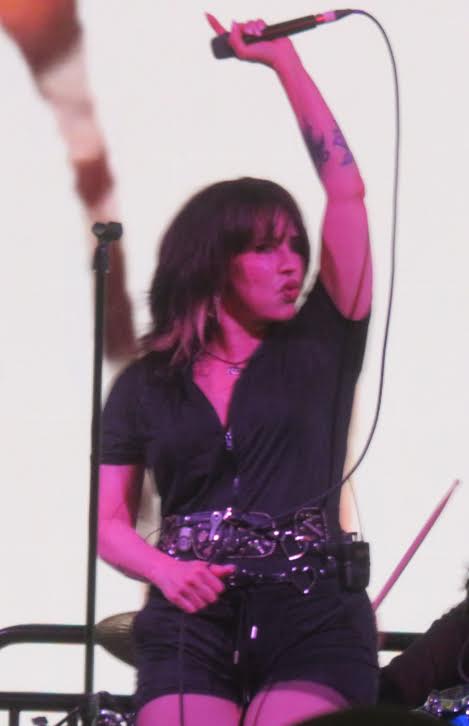
The musical programming began immediately upon departure from Miami. The first official show of the cruise took place on the ship’s Atrium Stage, featuring the Philadelphia-based band Soraia. Led by the charismatic ZouZou Mansour, Soraia has become a staple of the Wicked Cool Records roster. Their opening set established a high bar for the rest of the voyage, featuring tracks such as "So Holy," "Monster," and the fuzz-drenched "Body in the Backyard." Mansour’s stage presence was a highlight for many attendees, blending punk-rock intensity with a classic rock sensibility.
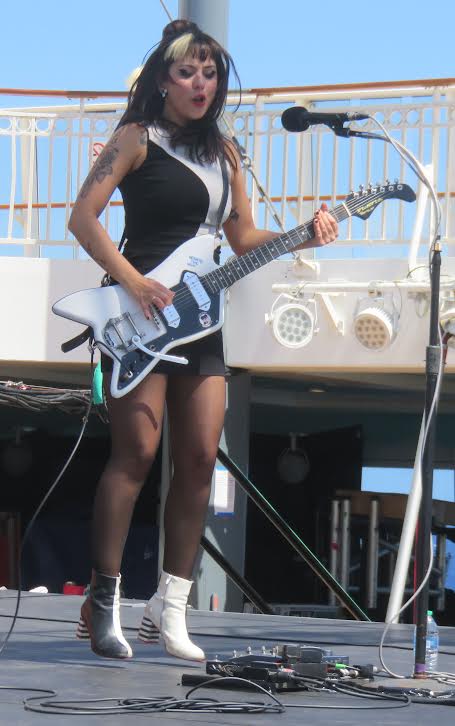
As the Norwegian Pearl entered the Caribbean Sea on the second day, the focus shifted to the outdoor Pool Deck Stage. The Surfrajettes, an all-female instrumental surf rock quartet from Toronto, provided a thematic soundtrack for the tropical setting. Dressed in coordinated 1960s-inspired attire, the band delivered a set of "sparkling" instrumental tracks that showcased their technical proficiency and deep understanding of the surf-rock subgenre.
The Pool Deck also hosted The Courettes, a Danish-Brazilian duo consisting of singer/guitarist Flavia Couri and drummer Martin Couri. Their sound, a blend of ’60s girl-group melodies and Wall of Sound production with garage-punk distortion, resonated strongly with the audience. Their setlist included "You Woo Me" and the haunting "Until You’re Mine." The duo’s presence was felt even off-stage, as they engaged with local culture during the ship’s stop in Cozumel, where Flavia Couri was noted for attending a traditional Lucha Libre performance.
Final Performances and Genre Analysis
The final day of the cruise, as the ship began its return journey to Miami, featured a high-octane performance by The Dollyrots in the Stardust Theater. The pop-punk duo, led by bassist and vocalist Kelly Ogden, maintained the event’s momentum with a career-spanning set. Songs like "Get On This Ride," "Feed Me, Pet Me," and "Attention Span" demonstrated the band’s ability to blend infectious hooks with raw energy.
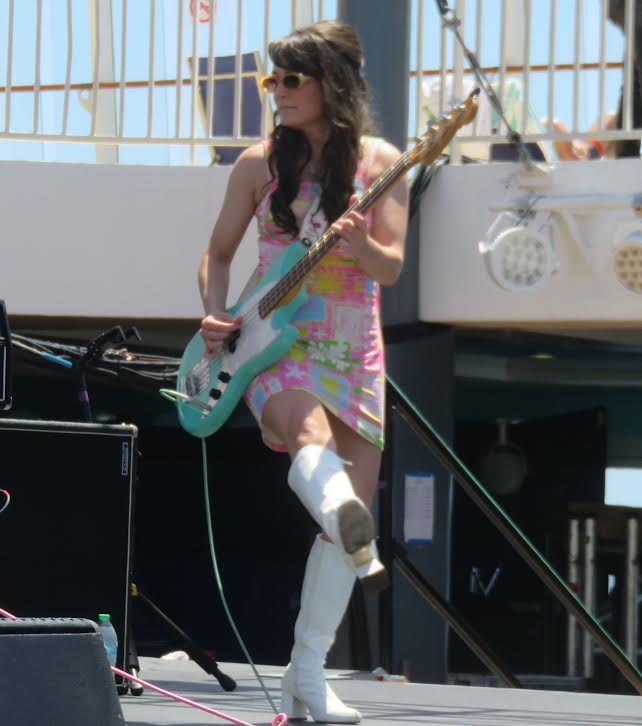
A notable moment in The Dollyrots’ set was their cover of "Brand New Key," originally a 1971 hit for the folk artist Melanie. Ogden shared a personal anecdote regarding her obsession with the track, noting how its themes of female independence—encapsulated in the lyric "Some people say I done alright for a girl"—resonated with the experience of women in the music industry. The performance served as a fitting tribute to the late singer-songwriter and a commentary on the enduring strength of female voices in rock.
From a broader industry perspective, Little Steven’s Underground Garage Cruise 2 represents the continued viability of "niche" music festivals. While large-scale, multi-genre festivals like Coachella or Glastonbury often struggle with identity and rising costs, themed cruises like those produced by Sixthman offer a sustainable model by catering to a dedicated, loyal fan base. The "Underground Garage" brand has successfully leveraged its radio presence to create a physical destination that serves as both a vacation and a cultural pilgrimage.
Economic and Cultural Impact of the Underground Garage Brand
The success of this second sailing is a testament to the brand equity built by Steven Van Zandt over the past two decades. By providing a platform for bands that might otherwise struggle for mainstream radio play, Van Zandt has fostered a self-sustaining ecosystem. Wicked Cool Records plays a crucial role in this, acting as a pipeline for talent that then populates the lineups of these cruises.
Data from the event indicates a high rate of return for attendees, with many passengers having attended the inaugural cruise in 2024. The economic impact on the host city of Miami and the destination of Cozumel is also significant, as thousands of travelers contribute to the local hospitality and tourism sectors. Furthermore, the cruise provides a unique revenue stream for the participating bands, offering them a guaranteed fee and the opportunity to sell merchandise to a captive and enthusiastic audience.
Looking Ahead: Cruise 3 and the Future of the Festival
As the Norwegian Pearl docked back in Miami on April 7, organizers were already looking toward the future. The announcement of Little Steven’s Underground Garage Cruise 3 has already generated significant interest within the rock community. The third iteration is scheduled to sail from April 24 to April 28, 2027.
The next voyage will see a change in itinerary, departing from Miami and traveling to Puerto Plata in the Dominican Republic. The initial lineup for 2027 has already been teased, with legendary punk band The Damned and Los Angeles roots-rock icons X set to headline. This shift in destination and the continued caliber of the headliners suggest that the Underground Garage Cruise is poised to remain a fixture of the annual music calendar for years to come.
The legacy of the 2026 sailing will likely be remembered for its strong emphasis on female leadership and its successful integration of classic and contemporary sounds. As the music industry continues to grapple with the digital age, events like Little Steven’s Underground Garage Cruise 2 provide a necessary reminder of the power of live, communal experiences and the enduring appeal of the "garage" spirit—raw, unrefined, and undeniably loud.