FirstOntario Performing Arts Centre Unveils Art in Action Climate Festival Featuring Edward Burtynsky and Kaha:wi Dance Theatre


The FirstOntario Performing Arts Centre (PAC) in St. Catharines has officially announced the launch of Art in Action: Climate (AiA), an ambitious multi-disciplinary festival designed to merge the worlds of artistic expression, environmental science, and industrial innovation. Scheduled to run from January 30 to February 8, 2026, the festival marks a significant milestone in the cultural landscape of the Niagara Region, coinciding with the tenth anniversary of the FirstOntario PAC. The event aims to serve as a regional hub for climate-related discourse, featuring a curated selection of world-class performances, multimedia exhibitions, and academic symposia that address the pressing realities of the global ecological crisis.
The festival’s programming is anchored by a diverse array of high-profile contributors, including internationally acclaimed photographer Edward Burtynsky, the Niagara-based Avanti Singers, and the Kaha:wi Dance Theatre. By integrating Indigenous knowledge, scientific inquiry, and the creative arts, Art in Action: Climate seeks to move beyond traditional environmental advocacy, fostering a space where the community can engage with complex climate issues through a lens of cultural reflection and collective action.
Strategic Vision and Leadership
The inception of Art in Action: Climate is rooted in the FirstOntario PAC’s commitment to utilizing its platform for social and environmental relevance. As the venue enters its second decade of operation, its leadership has identified climate change as the defining challenge of the era, requiring a response that is both imaginative and pragmatic.
Colleen A. Smith, CEO of the FirstOntario Performing Arts Centre and Executive Producer of Art in Action, emphasized that the festival was designed to provide institutional support to artists and experts whose work is dedicated to environmental themes. "We designed the first Art in Action festival as part of our tenth anniversary season to offer our attention, support and resources to inspiring artists and experts whose work focuses on the environment," Smith stated. She further noted that the initiative is intended to be a "catalyst for connection and conversation concerning local and global climate issues," aiming to bridge the gap between abstract data and purposeful community action.
Key Artistic Pillars: Burtynsky, Kaha:wi, and Avanti
The festival is structured around several marquee presentations that explore different facets of the human-environment relationship.

Edward Burtynsky: In the Wake of Progress
A central feature of the festival is the multimedia exhibition In the Wake of Progress by Edward Burtynsky. A native of St. Catharines, Burtynsky has achieved global renown for his large-format photographs documenting the scale of human industrial impact on the planet. His work often captures the "sublime" nature of industrial landscapes—mines, quarries, and recycling yards—that are simultaneously awe-inspiring and devastating.
In the Wake of Progress serves as a retrospective of Burtynsky’s forty-year career. Co-produced by legendary music producer Bob Ezrin, the 22-minute experience combines high-definition cinematography and photography with a powerful musical score. The soundtrack features compositions by Phil Strong, vocals by Cree Métis artist iskwē, and performances by musicians from The Glenn Gould School at The Royal Conservatory of Music. By bringing this work to the Robertson Theatre, the festival provides a visceral look at the "Anthropocene"—the current geological age dominated by human activity.
Kaha:wi Dance Theatre: SKÉN:NEN
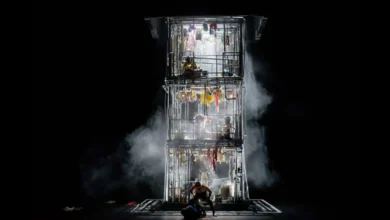
Opening the festival on January 30 is SKÉN:NEN, a production by the Kaha:wi Dance Theatre under the direction of Santee Smith. The title is derived from the Kanyen’kéha (Mohawk) word for peace and balance. The performance is a multi-layered, immersive experience that utilizes choreography and storytelling to depict a post-apocalyptic world.
The narrative follows Niyoh, a young Kahnyen’keháka girl, and other climate survivors as they navigate a landscape altered by ecological collapse. By centering Indigenous knowledge and perspectives on land stewardship, SKÉN:NEN offers a counter-narrative to Western industrial views of nature, suggesting that the path to a sustainable future lies in restoring the spiritual and physical balance between humanity and the earth.
Avanti Singers: Creation/Extinction
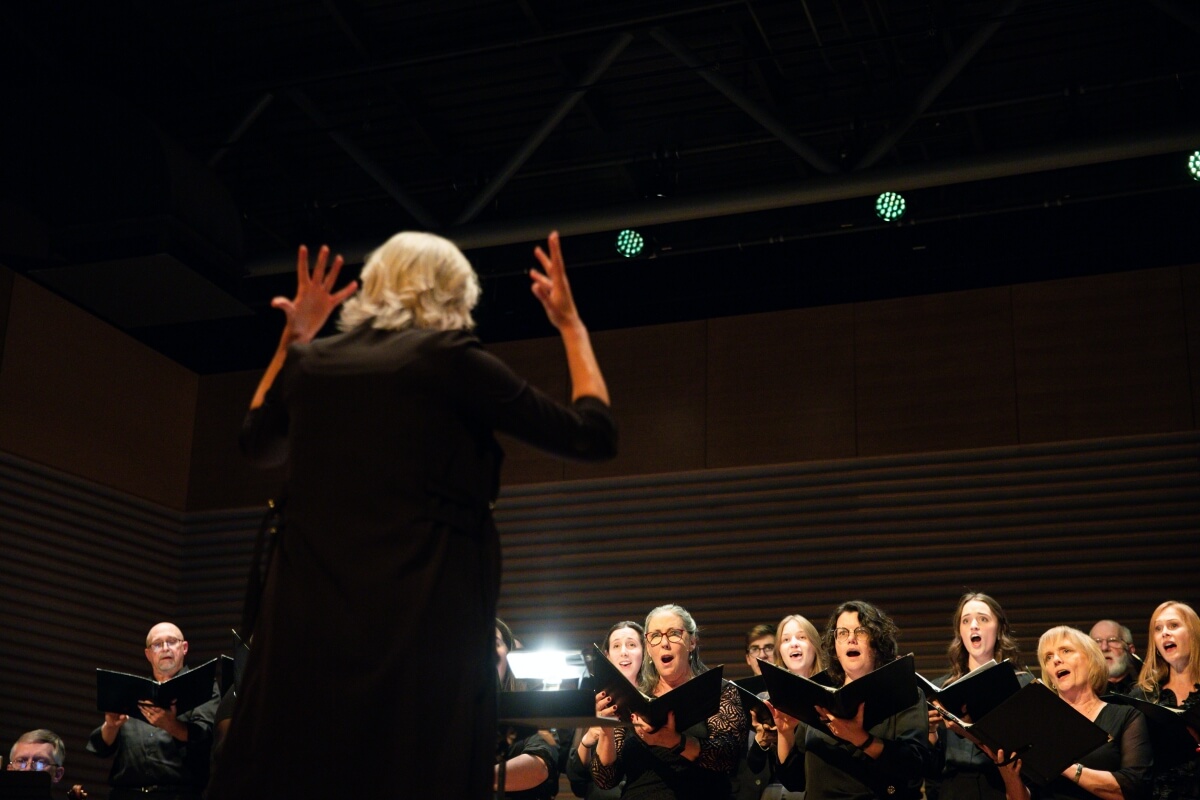
On February 7, the Avanti Singers, a premier community chamber choir in the Niagara Region, will present Creation/Extinction. Led by Artistic Director Dr. Rachel Rensink-Hoff, the program is a musical juxtaposition of environmental optimism and modern loss.
The concert features excerpts from Joseph Haydn’s 18th-century oratorio The Creation, which celebrates the natural world as a place of divine order and abundance. This is contrasted with Christopher Tin’s The Lost Birds, a contemporary memorial to bird species driven to extinction by human activity. Dr. Rensink-Hoff noted that while data and science are crucial for understanding climate change, choral music allows the public to "give voice" to the difficult emotions associated with environmental degradation. The performance will include a full orchestra and soloists Claire de Sévigné (soprano), Yanik Gosselin (tenor), and Tyler Duncan (bass).
A Multi-Dimensional Chronology of Events
The festival is organized into several distinct streams to ensure engagement across different demographics, from industry professionals to school-aged children.
- Climate Symposium (January 31): A one-day intensive event featuring panels on energy science, water sovereignty, and the role of Generative AI in climate modeling. This symposium aims to bring scientists and policymakers into direct contact with the public.
- Fireside Chat with Edward Burtynsky (January 31): An intimate discussion at Partridge Hall where Burtynsky will discuss his global travels and the specific environmental vulnerabilities of the Niagara Region.
- Niagara Sustainability Exchange (January 31): A free public forum where local entrepreneurs and "climate innovators" from the construction, energy, and food sectors will showcase sustainable technologies and practices.
- AiA Film Festival (January 31 – February 8): Hosted at The Film House, this series will screen documentaries and feature films that explore ecological themes, followed by talkback sessions with filmmakers and environmentalists.
- imPACt Education Series (February 2 – 6): A dedicated week for regional school groups to engage with Burtynsky’s work through hands-on activities and age-appropriate discussions on sustainability.
- Youth in Action: Next Gen Speaks (February 7): A showcase for "Youth Ambassadors" who will present their findings and reflections on the climate crisis, highlighting the perspectives of the generation most likely to be impacted by current policy decisions.
Regional Integration and Economic Impact
Art in Action: Climate extends beyond the walls of the FirstOntario PAC, involving a network of "satellite" locations and regional partners. This distributed model ensures that the festival’s impact is felt throughout the Niagara Peninsula.
Participating arts organizations include Femmes du Feu Creations in Welland, the Rodman Art Institute and Niagara Artists Centre in St. Catharines, the RiverBrink Art Museum in Niagara-on-the-Lake, and The Exchange in Niagara Falls. These partners will host specialized exhibitions, tours, and cabarets that complement the main festival themes.
The festival also incorporates the region’s renowned hospitality and viticulture sectors. Local partners such as Southbrook Vineyards—a pioneer in organic and biodynamic winemaking—along with restaurants like Fat Rabbit, Treadwell Cuisine, and Wellington Court, will offer culinary experiences that emphasize local sourcing and sustainable food systems. Accommodations are supported by Heart of Niagara Hotels and White Oaks Resort & Spa, positioning the festival as a significant draw for cultural tourism during the winter season.
Contextual Analysis: The Intersection of Art and Science
The launch of Art in Action: Climate comes at a time when "Artivism"—the use of art as a tool for activism—is increasingly recognized by the scientific community as a vital component of climate communication. Research suggests that while scientific data provides the necessary evidence for climate change, it often fails to motivate behavioral change due to its abstract and overwhelming nature. Art, conversely, can translate these complexities into emotional and sensory experiences, making the crisis feel personal and urgent.
By hosting a Climate Symposium alongside dance and choral performances, the FirstOntario PAC is adopting a holistic approach. The inclusion of topics such as "Generative AI and Climate Change" reflects a forward-looking perspective, acknowledging that technology will play a dual role as both a contributor to energy consumption and a potential tool for mitigation.

Furthermore, the focus on the Niagara Region is significant. As an area defined by the Great Lakes and the Niagara Escarpment, the region is home to unique ecosystems that are increasingly threatened by extreme weather patterns and urban expansion. The festival serves as a localized response to these global pressures, encouraging residents to view their immediate environment as a site of both vulnerability and resilience.
Conclusion and Future Implications
Art in Action: Climate represents a sophisticated evolution of the performing arts centre’s role in society. By moving away from a traditional "presenter" model toward a "catalyst" model, the FirstOntario PAC is asserting that cultural institutions have a responsibility to address the sociopolitical realities of their time.
As the festival concludes on February 8, its success will likely be measured not only by ticket sales but by the enduring connections formed between the diverse groups involved—Indigenous leaders, scientists, artists, and business owners. The initiative sets a precedent for how regional arts hubs can leverage their tenth-anniversary milestones to foster long-term community dialogue and inspire tangible action in the face of the global climate emergency. Through the lens of Burtynsky’s industrial vistas and the haunting melodies of the Avanti Singers, Art in Action: Climate challenges the Niagara Region to envision a future defined by balance rather than depletion.
Related posts: