Dave Chappelle’s Riyadh Comedy Festival Performance Ignites Heated Debate Over Artistic Freedom, ‘Artwashing,’ and Saudi Arabia’s Human Rights Record.

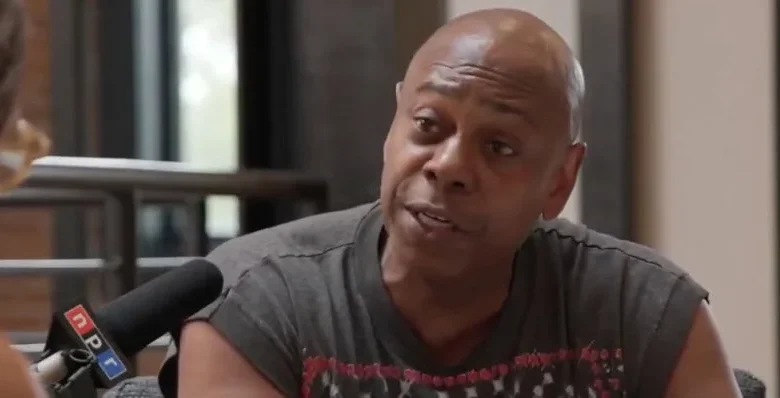
Comedian Dave Chappelle has found himself at the epicenter of a swirling controversy following his headlining performance at the 2025 Riyadh Comedy Festival, a move that has drawn sharp criticism and accusations of helping to "artwash" Saudi Arabia’s global image amidst persistent human rights concerns. Chappelle, known for his provocative and often polarizing humor, has vociferously defended his decision, framing the backlash as selective outrage and highlighting the broader economic engagement between Western entities and the Kingdom.
Saudi Arabia’s Vision 2030 and the Rise of Entertainment Diplomacy
The Riyadh Comedy Festival, part of Saudi Arabia’s burgeoning entertainment sector, is a key component of Crown Prince Mohammed bin Salman’s ambitious Vision 2030 plan. This sweeping economic and social reform agenda aims to diversify the Kingdom’s oil-dependent economy, foster new industries, and project a more modern, moderate image on the global stage. Under Vision 2030, the Public Investment Fund (PIF), Saudi Arabia’s sovereign wealth fund, has deployed hundreds of billions of dollars into global sports, entertainment, and technology ventures. The PIF, which controls assets exceeding $700 billion, has made significant investments in companies like Live Nation, Endeavor Group Holdings (a major player in sports and entertainment), and has sponsored numerous high-profile events, including major golf tournaments, boxing matches, and concert series.
This strategic pivot towards entertainment and cultural events, often termed "soft power" diplomacy, seeks to attract international tourism, create jobs for a young population, and, critics argue, distract from the nation’s human rights record. The Riyadh Comedy Festival, featuring a roster of international comedians, stands as a prime example of this strategy in action, aiming to position Saudi Arabia as a cultural hub in the Middle East.
Chappelle’s Evolving Stance and the Khashoggi Shadow
Chappelle’s decision to perform in Riyadh marks a notable shift from his previous stance. In a recent interview with NPR, the comedian revealed that he had previously declined invitations to perform in Saudi Arabia, specifically in the aftermath of the 2018 assassination of Saudi journalist Jamal Khashoggi at the Saudi consulate in Istanbul. Khashoggi, a critic of the Saudi government, was murdered and dismembered in an operation that U.S. intelligence later assessed was approved by Crown Prince Mohammed bin Salman. This brutal act sent shockwaves across the globe, severely damaging Saudi Arabia’s international reputation and leading to widespread condemnation.
However, Chappelle explained that his perspective evolved as he observed a significant increase in business and diplomatic ties between the United States government and major American corporations with Saudi Arabia. He cited examples ranging from continued U.S. arms sales and strategic partnerships to the expansion of corporate investments in Saudi sports leagues, film production, and streaming service partnerships. This broader engagement, Chappelle argued, rendered the singular focus of criticism on entertainers like himself disingenuous.
The "Double Standard" Argument and "Money Off the Plantation" Metaphor
During his defense, Chappelle forcefully asserted that the outrage directed at him felt "selective" and indicative of a "double standard." He provocatively suggested that criticism intensifies particularly when Black entertainers engage in these international deals. In a widely circulated tweet from ‘The Vigilant Fox,’ Chappelle was quoted saying, "no one ever had a problem with Saudi money until ‘a black man’ made ‘money off the plantation.’" This powerful metaphor, drawing on historical racial exploitation in the United States, aimed to highlight what he perceived as hypocrisy, implying that certain segments of society are only comfortable with Black individuals earning substantial income if it aligns with their predetermined moral frameworks, particularly when that income comes from sources deemed controversial by Western critics.
He further underscored his point by stating, "The United States government does business with the Saudis. Netflix does business with Saudis, everyone…" This argument posits that if governmental bodies and multinational corporations, which wield immense economic and political power, are freely engaging with Saudi Arabia, then the moral burden placed disproportionately on individual artists or entertainers is unfair and hypocritical. Chappelle framed his performance not just as a financial opportunity but also as a chance to connect with an audience genuinely eager for live comedy, suggesting a cultural exchange rather than mere endorsement.
Performance Restrictions and the "Easier to Talk Here" Controversy
The controversy was further fueled by reports surrounding the Riyadh Comedy Festival indicating that performers were expected to adhere to certain material limitations. These restrictions reportedly included avoiding jokes about the Saudi Royal Family, the nation itself, or religious topics. Such stipulations immediately raised concerns among free speech advocates and fellow comedians, who viewed them as antithetical to the very essence of stand-up comedy, which often thrives on challenging authority and social norms.
Adding significant fuel to the fire, Chappelle himself made a remark during his set that quickly went viral: "It’s easier to talk here than it is in America." This statement, widely circulated online, drew immediate and sharp reactions. Many interpreted it as a dismissive comment on legitimate censorship concerns in Saudi Arabia, while simultaneously drawing a controversial comparison to "cancel culture" in the United States. Critics argued that equating the consequences of state-imposed censorship, which can include imprisonment or worse for dissenters in Saudi Arabia, with the social and professional repercussions of "cancel culture" in a democratic society with constitutionally protected free speech was a profound mischaracterization and an insult to those genuinely facing repression.
Reactions from the Comedy Community and Beyond
The decision by Chappelle and other comedians to perform at the festival elicited strong reactions from various quarters. Several prominent comedians publicly voiced their disapproval. David Cross was among the most direct and outspoken, accusing performers of supporting a "totalitarian fiefdom" for financial gain. Cross’s criticism resonated with many who believe that financial incentives should not override ethical considerations, especially when dealing with regimes accused of severe human rights abuses.
Other notable comedians, including Marc Maron, host of the popular "WTF with Marc Maron" podcast, and Shane Gillis, also expressed their disapproval, though perhaps in more nuanced terms. While not all criticisms were identical, a common thread was the concern that participating in such events lends legitimacy and a veneer of normalcy to a government accused of suppressing free expression, targeting dissidents, and maintaining a restrictive social environment. Human rights organizations like Amnesty International and Human Rights Watch have consistently documented arbitrary arrests, unfair trials, restrictions on women’s rights, and the ongoing use of the death penalty in Saudi Arabia. In 2023, Saudi Arabia reportedly executed a significant number of individuals, many for non-violent offenses, highlighting the severity of its judicial system.
The "Artwashing" Debate and Ethical Dilemmas
The debate surrounding Chappelle’s performance is emblematic of a larger, ongoing tension between global business realities and the ethical lines artists are expected to draw when stepping onto international stages. The term "artwashing" has emerged to describe situations where cultural events or artistic endeavors are used by states or corporations to improve their public image, distract from controversial practices, or legitimize their rule. It is a cultural parallel to "sportswashing," a term often applied to Saudi Arabia’s extensive investments in professional sports.
Supporters of Chappelle and other performers argue that the criticism often overlooks the broader economic involvement between Saudi Arabia and Western industries. They contend that isolating entertainers for moral scrutiny while governments and corporations continue to engage in multi-billion-dollar deals is hypocritical. They might also argue that cultural exchange, even in restrictive environments, can subtly open avenues for dialogue or change, or that denying audiences access to cultural events is counterproductive.
Detractors, however, counter that entertainers, particularly those with the global reach and influence of Dave Chappelle, carry a unique cultural weight and thus a heightened responsibility. They argue that accepting payment from and performing under the auspices of a government with a documented history of human rights abuses, and especially under conditions of censorship, implicitly normalizes and legitimizes that regime. For these critics, the ethical imperative for artists to use their platform responsibly transcends mere financial opportunity or the argument of "everyone else is doing it." They believe artists should be held accountable for the choices of where and for whom they perform, given their role in shaping public discourse and perception.
Broader Implications and the Future of Global Entertainment
The controversy surrounding Dave Chappelle’s Riyadh performance underscores a complex and evolving landscape in global entertainment and international relations. As emerging economies, particularly those in the Middle East with substantial financial resources, seek to diversify and project a new image, they are increasingly investing in cultural events and attracting global talent. This trend forces artists, their management, and event organizers to grapple with difficult ethical questions that extend beyond artistic merit or financial gain.
The incident highlights the growing scrutiny on the intersection of commerce, culture, and human rights. It challenges the entertainment industry to consider its role in international diplomacy and the potential for cultural events to be utilized for geopolitical ends. For audiences, it prompts a critical examination of the sources of their entertainment and the moral compromises that may be inherent in its global production and consumption. The debate over Chappelle’s performance is not just about one comedian’s choice; it is a microcosm of the intricate ethical dilemmas facing artists and global society in an increasingly interconnected, yet morally fragmented, world. The tension between artistic freedom, commercial opportunity, and human rights accountability is likely to remain a central theme as cultural exchanges continue to bridge diverse and often conflicting political landscapes.