In the contemporary landscape of digital audio production, the pursuit of commercial-grade sound quality often drives engineers and musicians to look beyond the stock processing tools bundled with their Digital Audio Workstations (DAWs). While native plug-ins have evolved significantly in computational efficiency and basic functionality, high-end third-party processors continue to dominate professional recording studios. These specialized tools—ranging from meticulous analog hardware emulations to advanced harmonic saturation units—offer distinct sonic characteristics, nonlinear behaviors, and musical cohesion that elevate a mix from merely clean to undeniably expensive.
Industry professionals frequently attribute the "expensive" sound to the preservation of transients, complex harmonic generation, and the emulation of physical circuitry found in legendary mixing and mastering hardware. As software developers refine component-level modeling techniques, engineers now have access to digital facsimiles of multi-thousand-dollar studio hardware that impart warmth, depth, and spatial dimension. Current promotional pricing and seasonal sales across major audio retailers have made several of these industry-standard processors more accessible to independent producers aiming for professional loudness and clarity.
The Evolution of Analog Emulation in Modern Mixes
The demand for vintage hardware emulations stems from the inherent limitations and pleasing imperfections of analog gear. Unlike digital systems, which strive for clinical transparency, vintage mixing consoles, tape machines, and outboard compressors introduce subtle saturation, phase shifts, and harmonic distortion that humanize digital audio.
Throughout the history of recorded music, specific pieces of hardware became synonymous with the sonic signatures of entire eras. The introduction of component-level modeling software has allowed developers to capture not just the frequency response of these devices, but their dynamic, voltage-dependent behaviors. When applied across instrument groups, sub-mixes, and master busses, these processors introduce a sense of "glue" that binds disparate elements together into a cohesive sonic image.
Universal Audio Ampex ATR-102: Tape Warmth and Mix Bus Cohesion
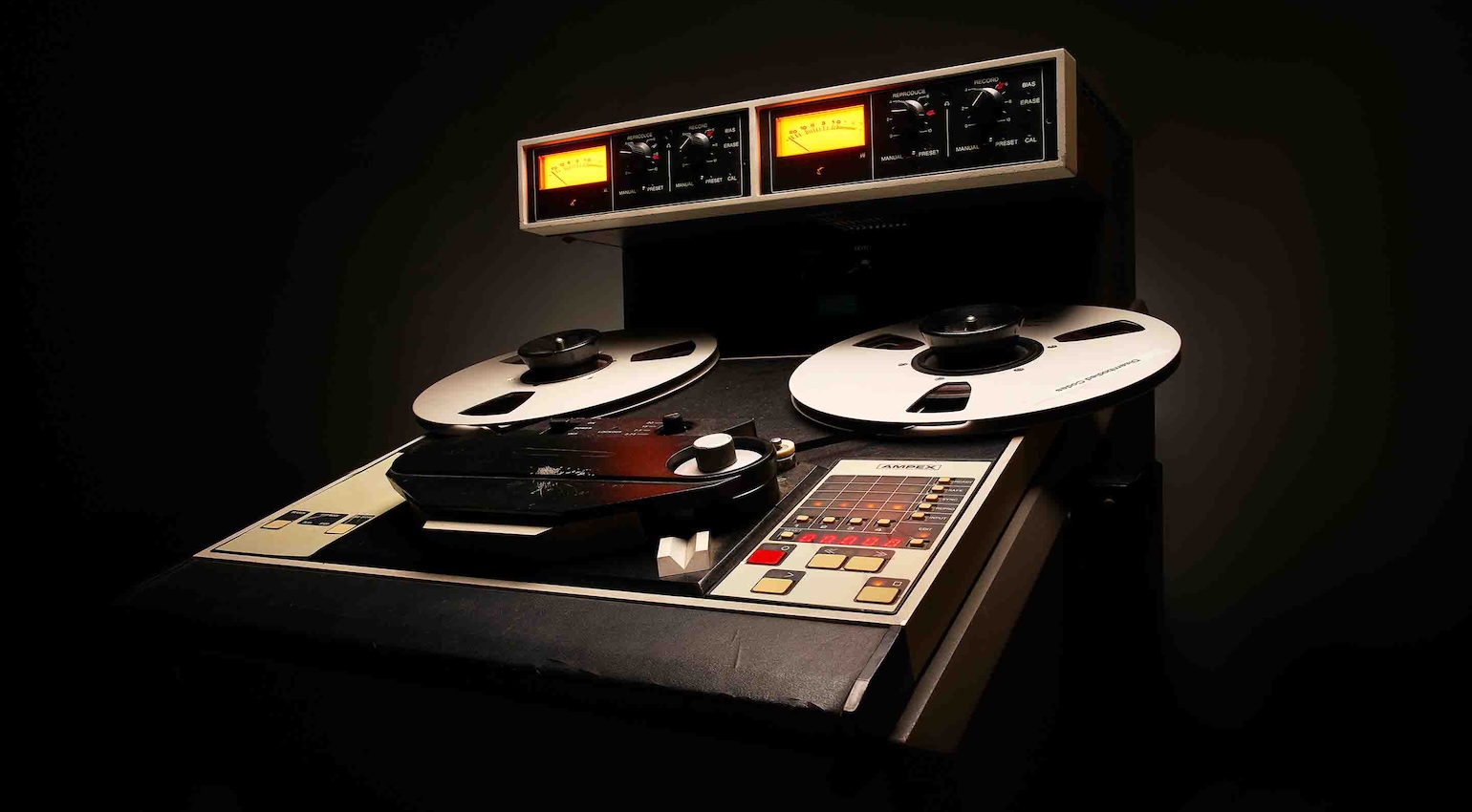
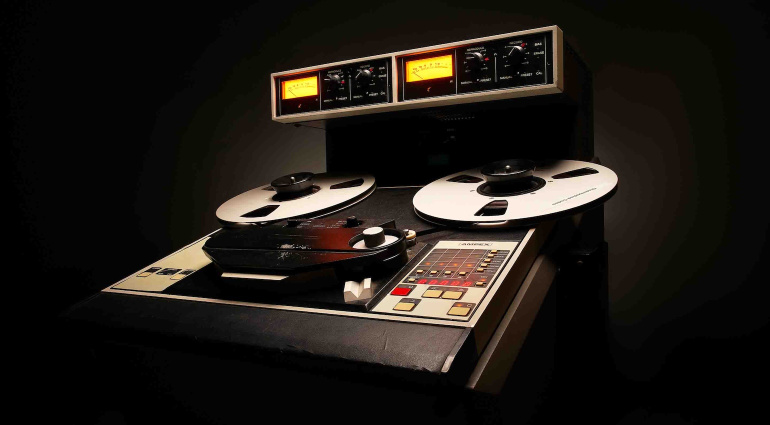
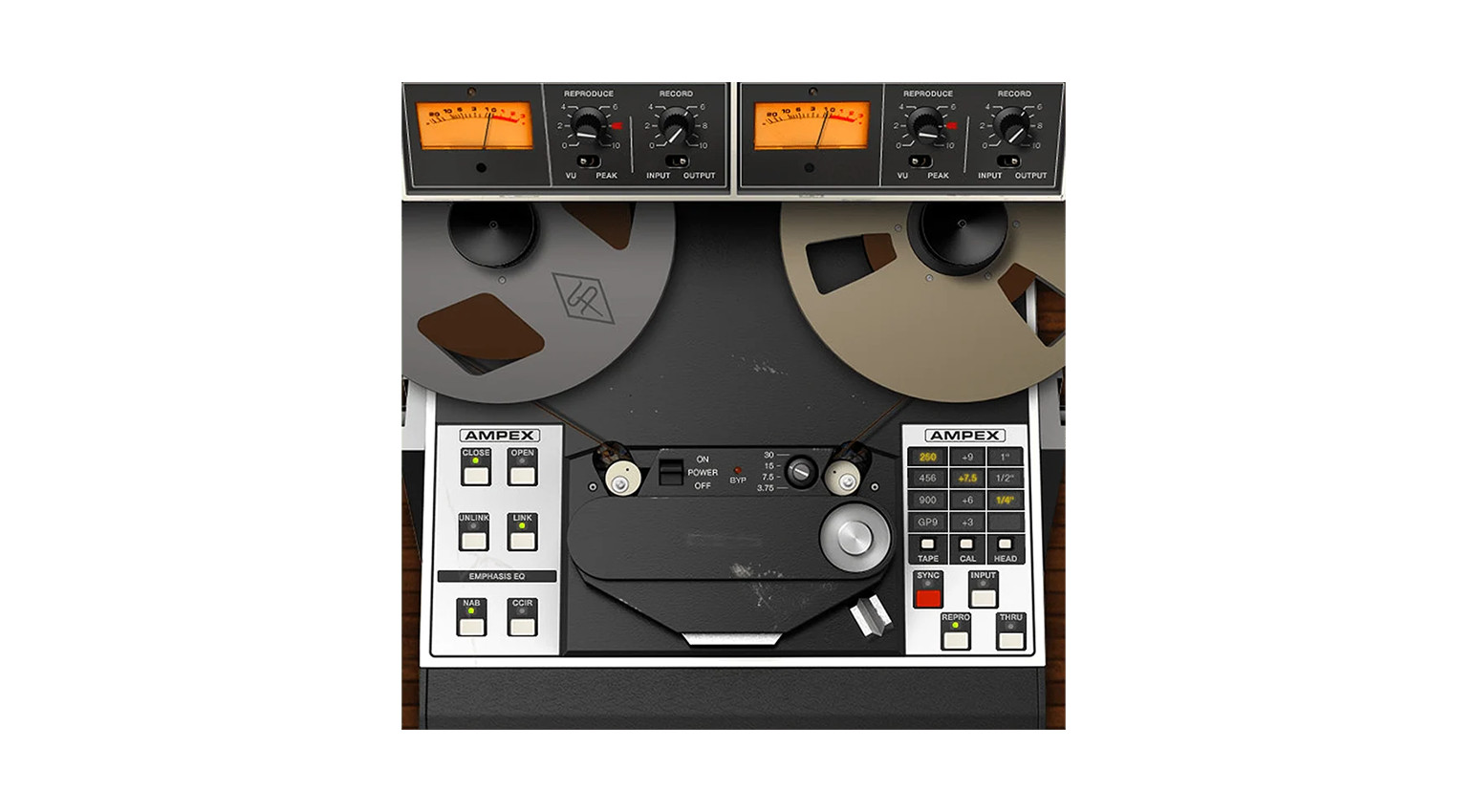
At the forefront of analog tape emulations is the Universal Audio Ampex ATR-102, an officially authenticated software recreation of the iconic 1970s two-track master recorder. Originally utilized in professional studios worldwide for final mix-downs and mastering duties, the physical ATR-102 became legendary for its ability to sweeten audio signals with organic tape compression and subtle saturation.
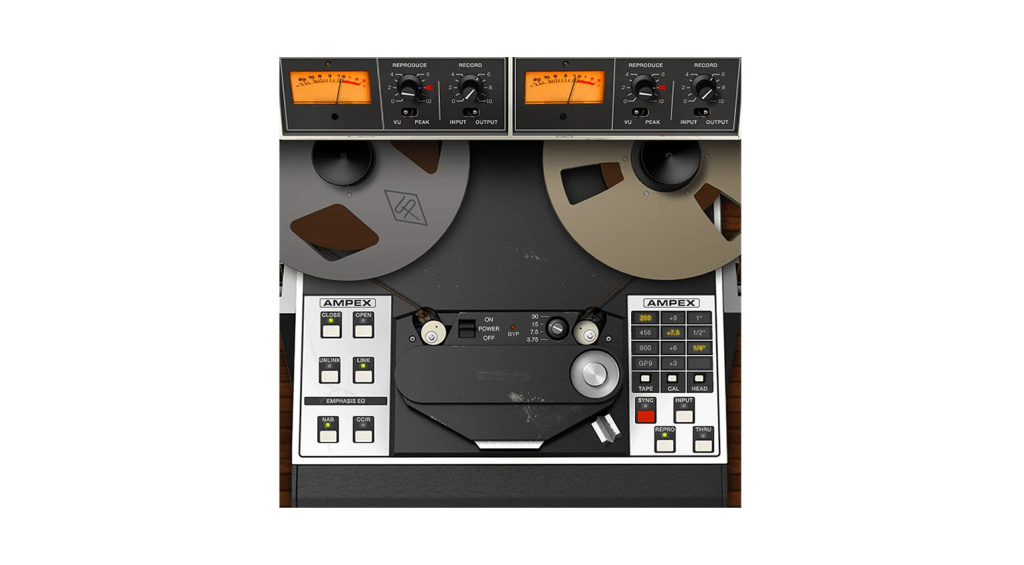
The software implementation models every critical circuit component of the original hardware. Producers utilize the ATR-102 on master busses and instrument sub-groups to impart analog warmth, transient smoothing, and stereo image enhancement. The plugin offers selectable tape speeds, providing crisper, high-frequency fidelity at higher velocities, while slower speeds introduce substantial low-end weight and body. Furthermore, users can select from various tape formulations and head configurations to fine-tune the degree of coloration, alongside adjustable calibration parameters such as wow, flutter, crosstalk, and tape hiss.
Softube Chandler Limited Zener Limiter: Vintage EMI Heritage
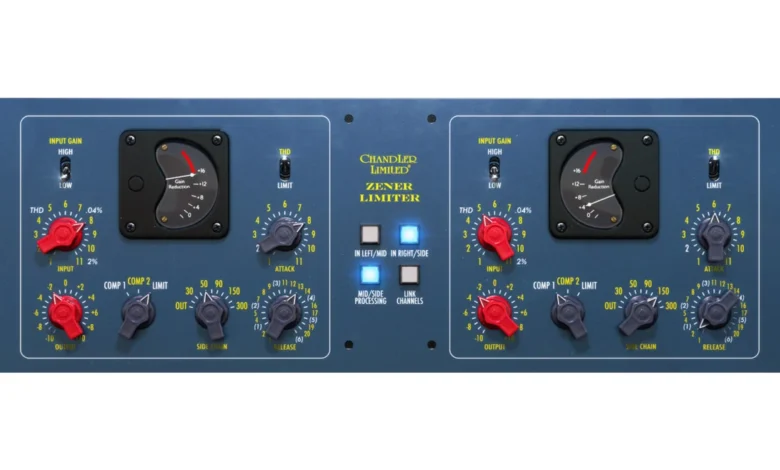
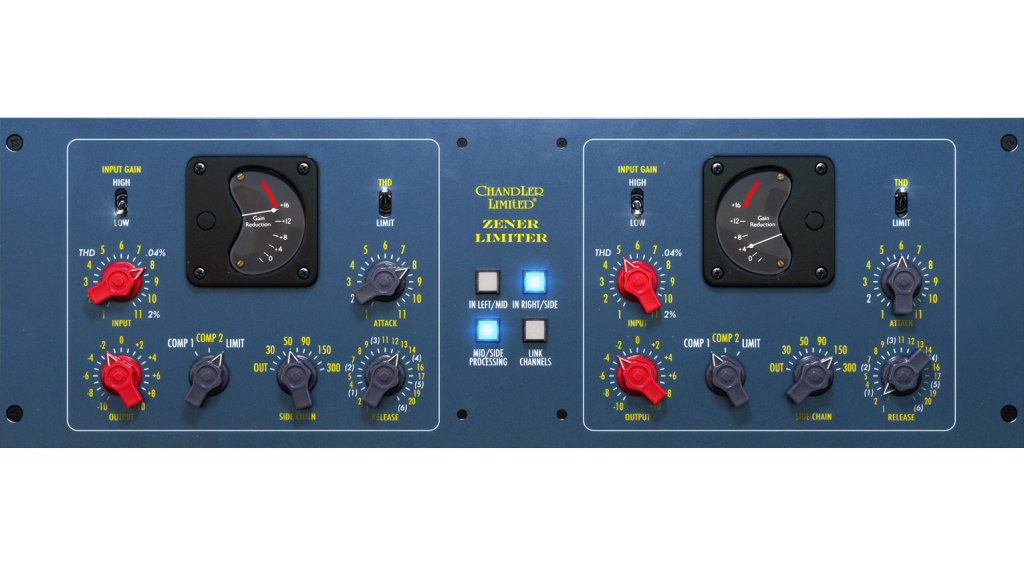
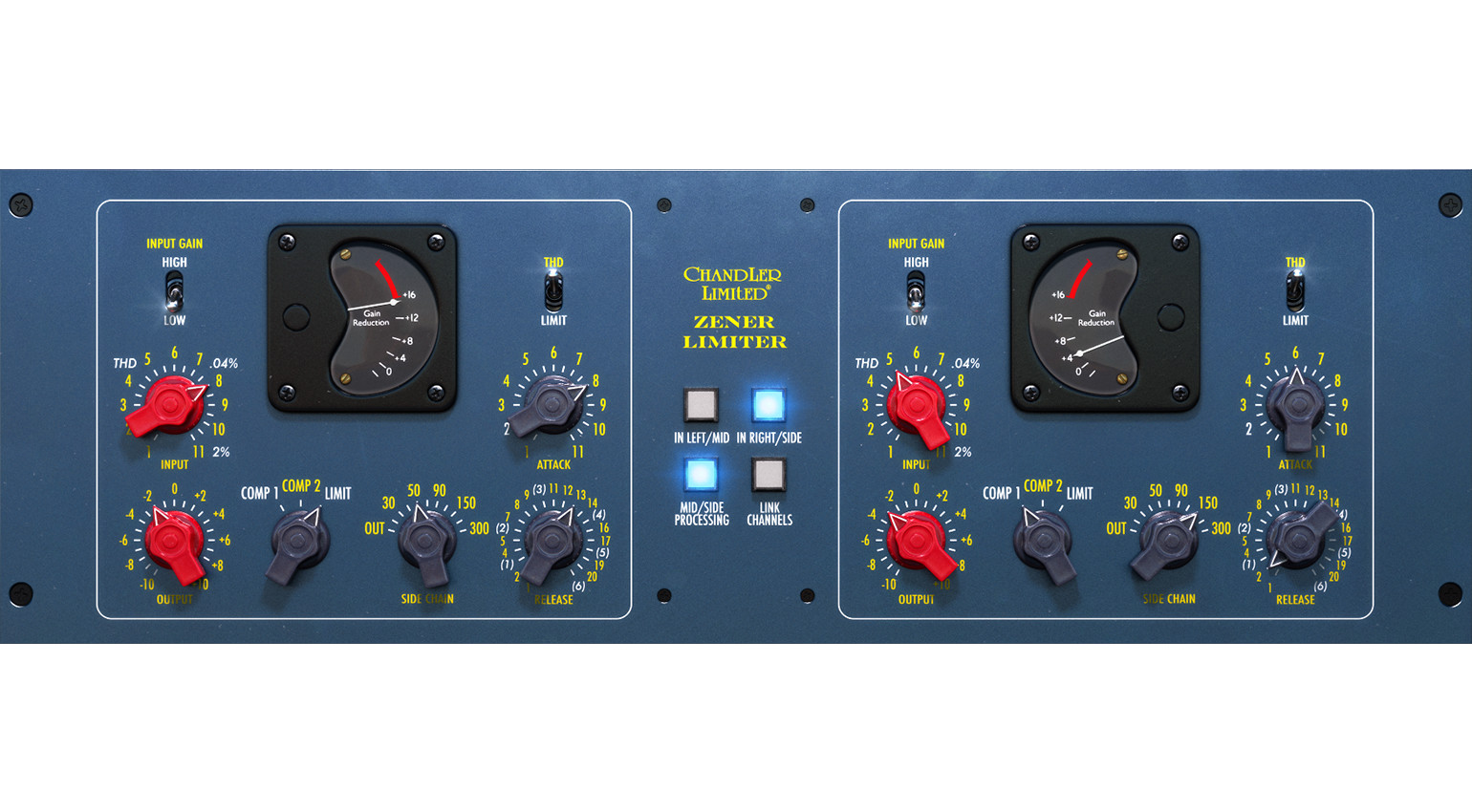
For dynamic control and harmonic saturation rooted in British studio history, the Softube Chandler Limited Zener Limiter brings the distinct topology of 1960s EMI recording consoles into the DAW environment. Developed in collaboration with Chandler Limited, this processor mirrors the vintage Zener-diode circuitry famously deployed during the classic rock era.
The limiter provides multiple operational modes that cater to diverse production requirements. Its primary compression ratio offers a gentle, musical character reminiscent of vintage leveling amplifiers, while more aggressive modes effectively tame unruly transients for modern genres. Additional flexibility is achieved through variable attack and release parameters, dual input impedance settings, a sidechain filter, and mid-side processing capabilities. This combination of vintage lineage and modern routing flexibility makes it a staple for glueing drum busses and driving master outputs.
Brainworx Shadow Hills Mastering Compressor Class A: Dual-Stage Precision
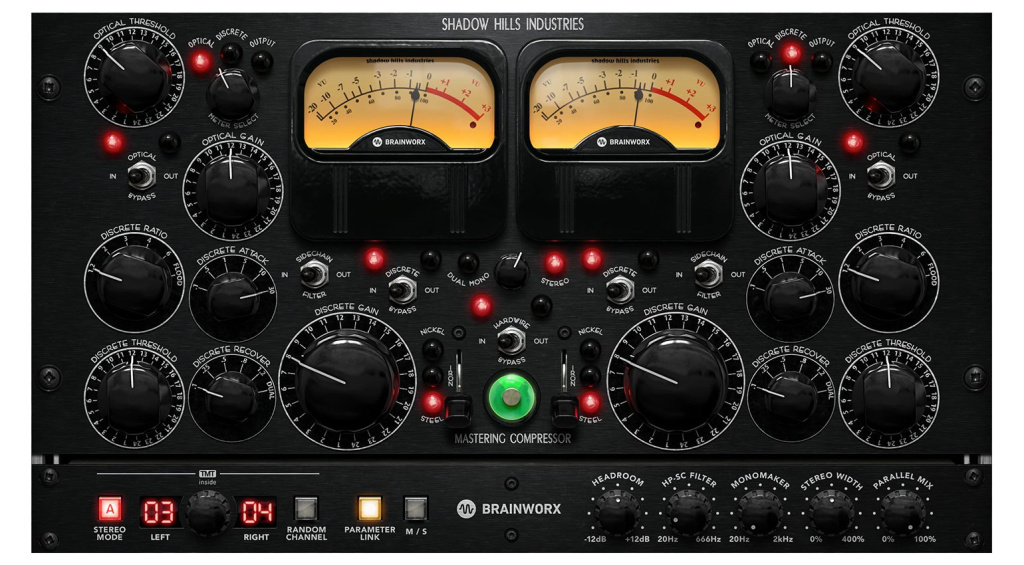
Expanding on the concept of high-end dynamic control, the Brainworx Shadow Hills Mastering Compressor Class A is a digital recreation of a limited-run hardware revision featuring discrete Class-A circuitry, Lundahl transformers, and premium internal wiring. This iteration departs slightly from the standard optical-compressor design by offering a punchier, highly responsive transient response.
The architecture relies on a two-stage compression topology. The optical section delivers transparent, program-dependent leveling, while the discrete VCA section provides precise, fast-acting control over peaks. Engineers can further tailor the frequency response and harmonic profile by switching between nickel, iron, and steel transformer settings. Brainworx has integrated modern studio workflows into the plugin by incorporating Tolerance Modeling Technology (TMT), sidechain high
-pass filtering, headroom controls, and parallel wet/dry mixing options.
Sonnox Oxford Inflator: Maximizing Loudness and Presence
Achieving commercial loudness standards without compromising dynamic range remains one of the primary challenges in modern music production. The Sonnox Oxford Inflator approaches this challenge through advanced digital signal processing rather than traditional peak limiting.
Utilizing a proprietary harmonic synthesis algorithm, the Oxford Inflator increases the perceived loudness and overall presence of individual tracks or complete mixes. By generating higher-order harmonics, the processor creates the psychological impression of greater signal density and volume without triggering heavy gain reduction. Its simple user interface features an intuitive "Curve" parameter, which allows engineers to transition from transparent low-end enhancement to vintage tube-style warmth and aggressive midrange focus. Band-split capabilities further enable precise control over complex multi-instrument arrangements.
Relab Development Sonsig Rev-A: Spatial Depth and Modulation
Completing the signal chain are spatial processors capable of defining the physical dimensions of a mix. The Relab Development Sonsig Rev-A offers multi-algorithm reverb processing, combining emulations of modern spatial algorithms alongside vintage digital classics like the Lexicon 224 and unique hardware units such as the Quantec room simulator.
Beyond standard spatial decay and reflection controls, the Rev-A features an integrated modulation section inspired by analog ensemble circuits. This adds width, thickness, and movement to vocals, guitars, and synthesizer lines, ensuring they sit comfortably within a dense mix without masking other frequencies. Comprehensive tone-shaping tools, including tilt EQ filters and tempo-synced pre-delay, provide precise control over the temporal and tonal characteristics of the simulated space.

Industry Implications and Commercial Impact
The widespread adoption of high-end emulation plugins reflects a broader shift in the economics of music production. As physical studio infrastructure becomes less accessible to independent creators due to spatial and financial constraints, advanced DSP technology democratizes access to historically significant hardware.
Producers operating entirely "in-the-box" can now achieve a level of mix polish, harmonic complexity, and dynamic control previously restricted to top-tier commercial facilities. However, industry veterans emphasize that the efficacy of these tools relies heavily on proper gain staging and arrangement decisions. While plugins that "sound expensive" can significantly enhance a project, their ultimate value lies in complementing well-recorded source material and balanced foundational mixing practices.