Miranda Lambert Thanksgiving Halftime Show Sparks Debate on Authenticity and Spectacle in Live Music

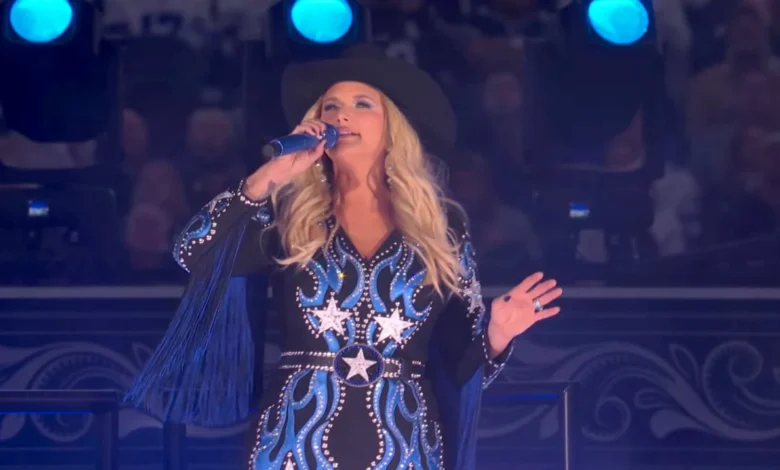
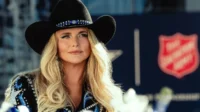
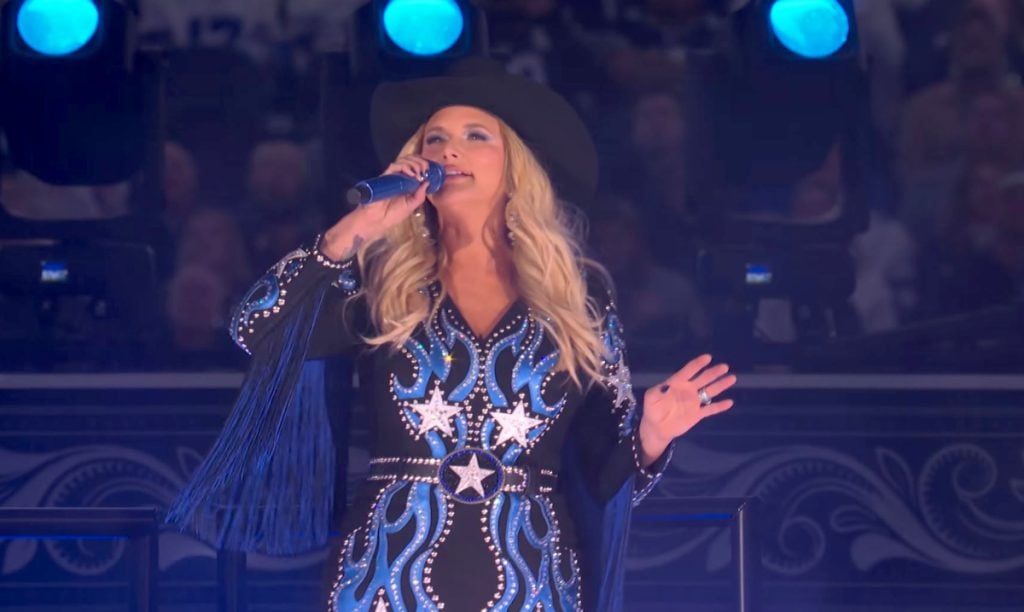
Country music star Miranda Lambert took to the field at AT&T Stadium in Arlington, Texas, delivering a high-profile, six-minute medley during the traditional Thanksgiving Day halftime show. As the Dallas Cowboys hosted the Philadelphia Eagles, Lambert’s performance kicked off the Salvation Army’s annual Red Kettle Campaign, a staple of American holiday football traditions. Featuring a string section, a backing band, and visual elements like a glitter ball and a saddle, the set included fan favorites such as "Snakeskin Boots," "Kerosene," "Gunpowder & Lead," "Mama’s Broken Heart," and "Little Red Wagon."
Despite the festive atmosphere and the high visibility of the event, the performance ignited a polarized reaction across social media and among sports and music commentators. While some viewers praised the decision to feature unadorned, live musicianship, others criticized the production for lacking the explosive theatricality typically associated with modern televised sporting spectacles. The mixed reception has once again highlighted a broader cultural conversation regarding what audiences expect from major live musical events, contrasting the desire for grand visual overproduction with the increasing demand for raw, authentic performance.
Chronology and Event Context
The Thanksgiving Day halftime show has long served as a major promotional platform for the Salvation Army’s Red Kettle Campaign, a fundraising drive that has partnered with the NFL and the Dallas Cowboys franchise since 1997. Over the decades, the slot has hosted a wide array of prominent musical acts representing various genres, ranging from pop and rock to traditional and contemporary country music. In recent years, the stage has welcomed high-profile artists such as Eric Church in 2021 and Dolly Parton in 2023, each bringing distinct stylistic approaches to the mid-game presentation.
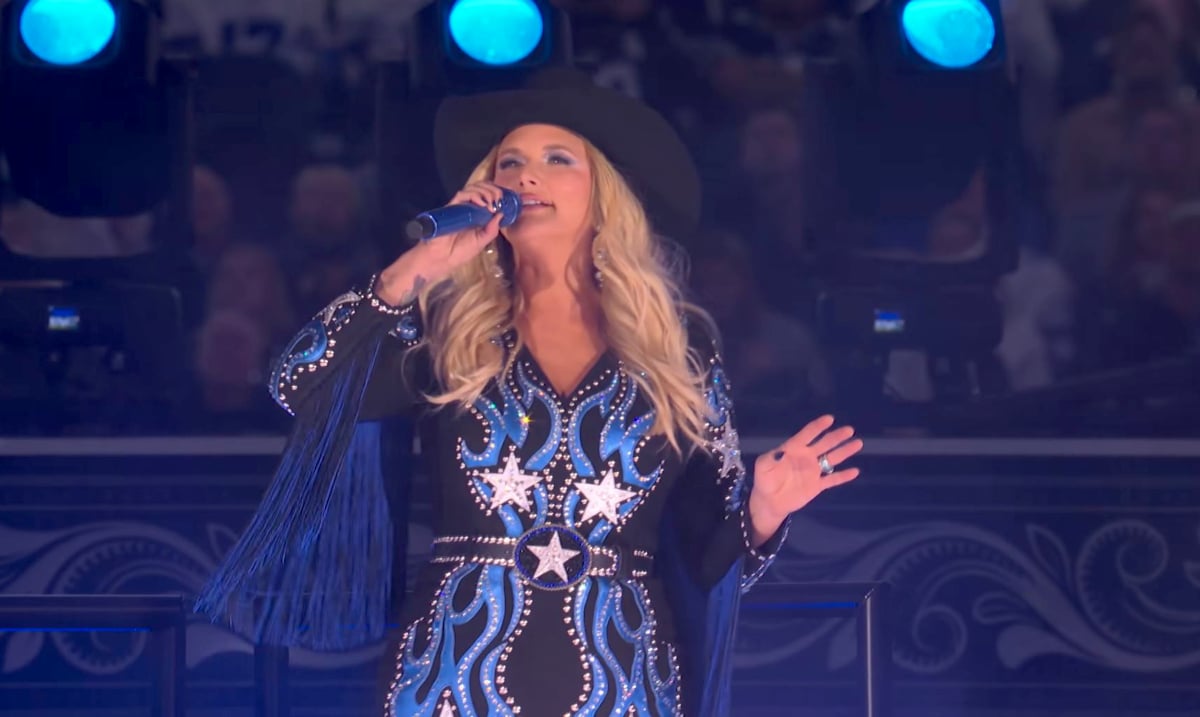
Miranda Lambert’s appearance followed a tightly coordinated rehearsal schedule leading up to the November 27, 2026, matchup. Performing live alongside her touring band and a supporting string arrangement, Lambert chose to focus primarily on her vocal delivery and instrumental accompaniment. While the Dallas Cowboys Cheerleaders executed the intricate choreography traditionally embedded in the production, Lambert maintained a more restrained physical presence on stage, largely stepping back from heavy dance routines to concentrate on the musical execution of her catalog.
The Live Music Debate: Spectacle Versus Authenticity
A central point of discussion surrounding Lambert’s performance was its adherence to live instrumentation and vocals. In an era where many televised sporting events rely heavily on pre-recorded tracks and vocal enhancement to ensure seamless broadcast quality, Lambert and her band performed the set live. This approach drew favorable comparisons to previous years, noting that even legendary acts like Dolly Parton occasionally utilized pre-recorded elements during their respective halftime appearances to manage the acoustic complexities of open-air stadiums.
However, the choice to prioritize musical integrity over visual pyrotechnics drew criticism from viewers accustomed to the high-concept, highly choreographed halftime shows popularized by events like the Super Bowl. Detractors labeled the performance as understated or unengaging, pointing to the absence of massive stage props, complex formations, or pyrotechnics. This divide underscores a fundamental tension in contemporary entertainment: audiences frequently demand authenticity and genuine musicianship, yet simultaneously expect the grand, sensory-overload spectacle of a stadium-sized production.
Fan Reception and Cultural Implications
Public reaction to the performance was further complicated by the on-field action of the football game itself. As the Dallas Cowboys surrendered a substantial lead to the Philadelphia Eagles in the second half, frustration among the home crowd appeared to bleed over into the critical reception of the halftime entertainment. Some commentators utilized the lukewarm response to question whether country music acts are well-suited for massive stadium platforms, reigniting a long-standing debate regarding the absence of country headliners from major events like the Super Bowl halftime show—a stage that has not featured a primary country music act in over three decades.
Furthermore, industry observers noted a persistent double standard in how male and female performers are evaluated regarding stage performance. Critics pointed out that male artists who have historically undertaken the Thanksgiving halftime slot without participating in complex dance choreography, such as Eric Church, rarely faced similar critiques regarding their physical engagement on stage. Conversely, female artists are frequently subjected to rigorous expectations regarding both vocal delivery and elaborate visual presentation, creating a narrow window for critical approval.
Ultimately, Miranda Lambert’s Thanksgiving halftime appearance serves as a notable case study in modern broadcast entertainment. It illustrates the ongoing challenges artists face when balancing traditional musicianship against the relentless demand for hyper-produced visual spectacle. As audiences continue to navigate an entertainment landscape increasingly saturated with digital manipulation and pre-packaged presentation, the desire for genuine, unpolished human performance remains a powerful, if frequently debated, artistic choice.
Related posts: