“There are only so many notes. Only so many chords. Only so many ways of putting them together”: Robbie…

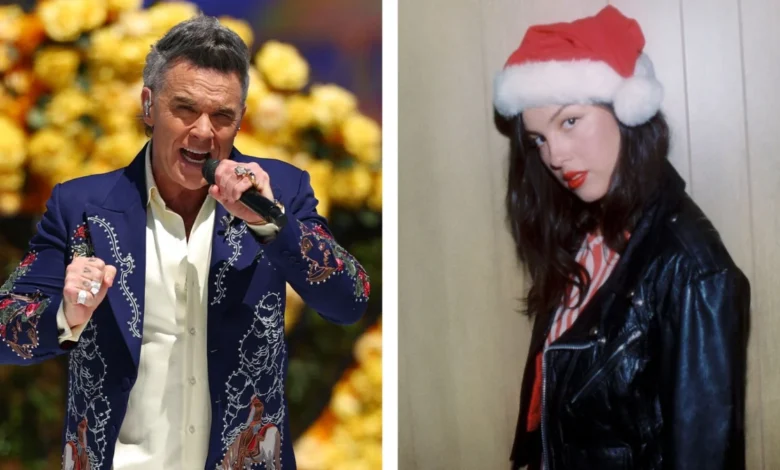
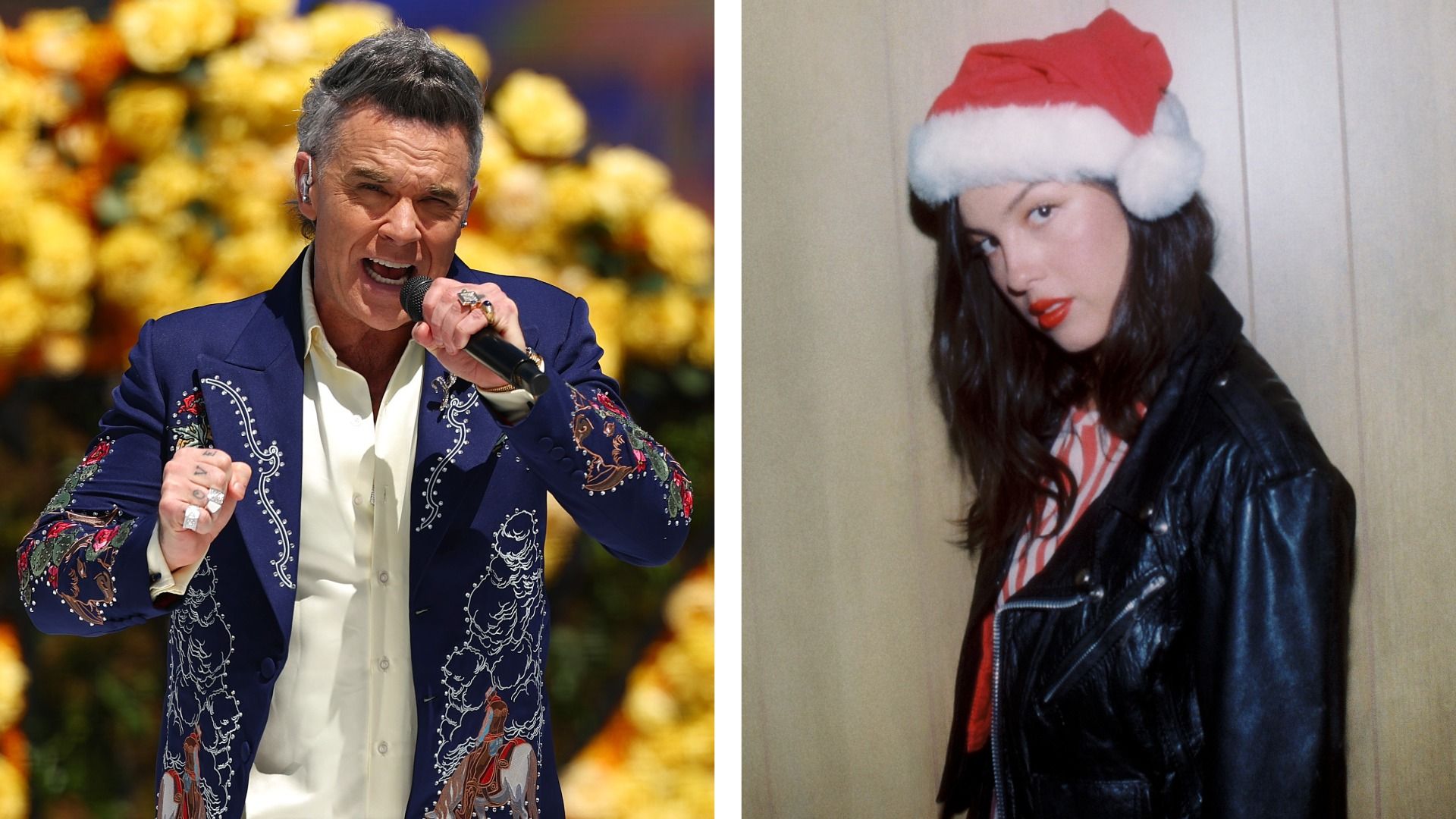
The controversy began shortly after the release of the festive track, with listeners and online commentators highlighting perceived melodic and stylistic similarities between the two songs. As social media discourse intensified, Robbie Williams, a veteran of the music industry, took to Instagram to address the accusations directly. Rather than fueling the flames of a potential copyright dispute, the British singer-songwriter issued a robust dismissal of the current trend of litigation and accusation that has become a defining—and, in his view, toxic—feature of the modern music business.
The Landscape of Modern Music Litigation
Williams’ intervention underscores a growing frustration among established artists regarding the litigious nature of the contemporary industry. He argued that the propensity for fans and rights holders to "come after" younger artists for incidental similarities is often unjustified and counterproductive to the creative process.
"There’s something about the music industry that’s been bothering me for a while," Williams wrote. "People coming after people because they’ve spotted a similarity between two songs. Some of it I completely understand. Some of it is absolutely justified. Most of it, I think, is complete bollocks."
His argument rests on the finite nature of music theory. With a limited number of notes, chords, and rhythmic structures available, songwriters are bound to occasionally arrive at similar destinations. This reality, he posits, does not constitute theft or plagiarism, but rather the inevitable overlap of musical language.
A History of Scrutiny for Olivia Rodrigo
The accusations against Olivia Rodrigo regarding "Take Me Home (4 Christmas)" are merely the latest in a series of copyright-related hurdles the young artist has faced since her meteoric rise in 2021. Rodrigo, whose debut album Sour became a global phenomenon, has frequently found herself at the center of discussions regarding songwriting credits and "musical echoes."
The timeline of these disputes is extensive:
- 2021: Shortly after the success of "Good 4 U," Paramore’s Hayley Williams and Josh Farro were retroactively added as co-writers due to similarities with their 2007 track, "Misery Business."
- 2021: Taylor Swift and Jack Antonoff were credited on "1 Step Forward, 3 Steps Back," which sampled "New Year’s Day." Additionally, a controversy erupted over "Deja Vu," with allegations that its bridge mimicked the structure of Swift’s "Cruel Summer."
- 2021: Comparisons were drawn between "Brutal" and Elvis Costello’s "Pump It Up." However, unlike other claimants, Costello famously dismissed the notion, noting that such influences are the natural byproduct of rock and roll evolution.
By the time the controversy over "Take Me Home (4 Christmas)" surfaced, the narrative surrounding Rodrigo had become one of "predatory" copyright claims, where legal teams and legacy artists are accused of over-policing the creative output of younger performers.
The "Vibe" Argument and Creative Influence
Interestingly, the most notable comparison for "Take Me Home (4 Christmas)" has not been to a Robbie Williams track, but to the 1982 classic "Christmas Wrapping" by The Waitresses. Unlike the vocal critics who have sought to monetize the perceived similarities in Rodrigo’s work, the original songwriter of that track, Chris Butler, has taken a vastly different approach.
In a recent disclosure, it was revealed that Rodrigo had reached out to Butler months before the release of her single, proactively inviting him to listen to the track. When followers on social media suggested that Butler should seek a writing credit, he flatly rejected the suggestion.
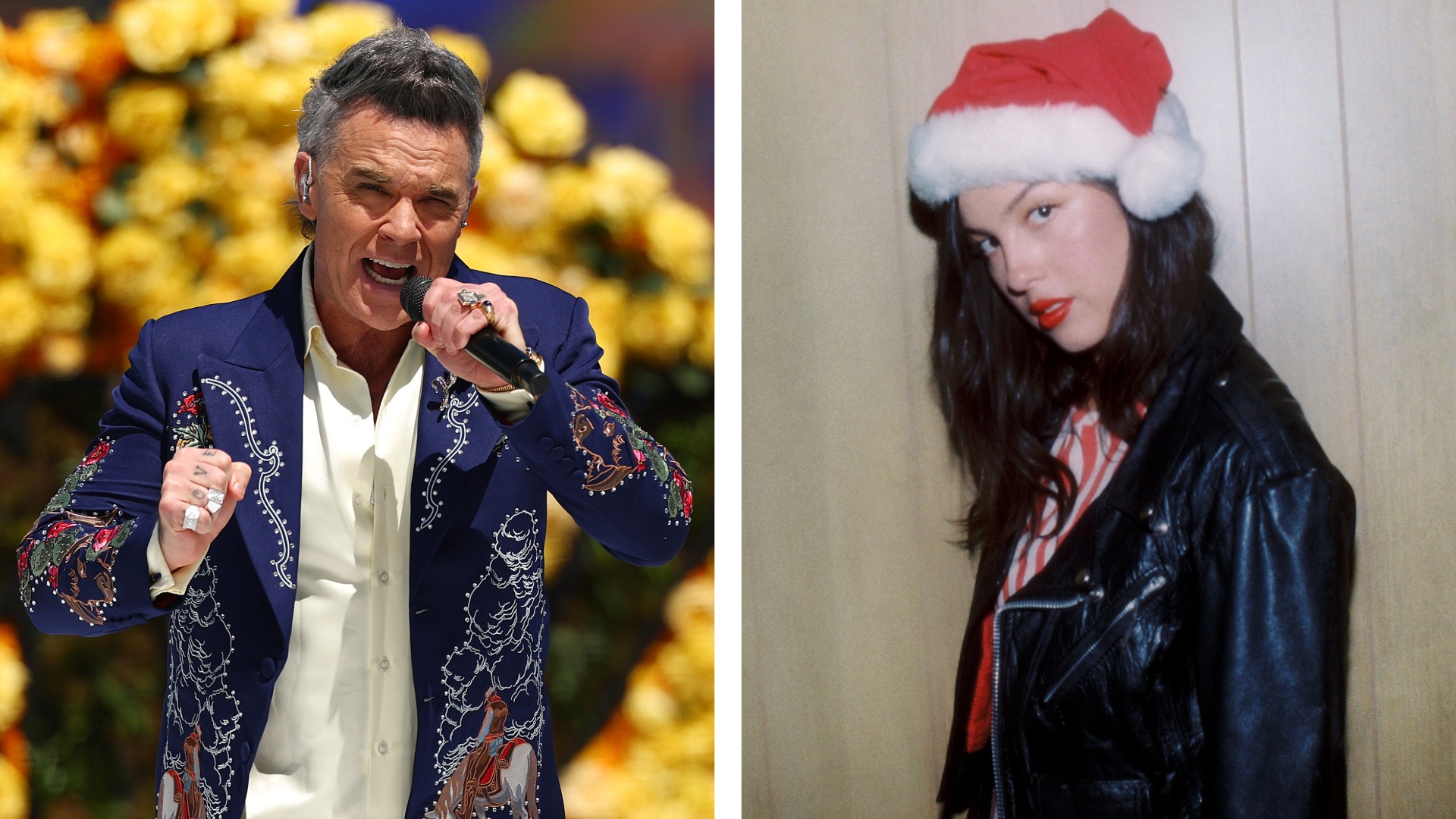
"Can’t copyright a vibe," Butler remarked on Facebook. "Her song has no copy of melody or chord progression—nothing to justify a claim. I’ll take flattery for the win!"
Butler’s stance highlights a crucial distinction in music copyright law: the difference between an actionable infringement of melody and lyrics, and the stylistic mimicry of a "vibe" or aesthetic. While legal frameworks exist to protect the former, they are often strained by attempts to litigate the latter.
Expert Analysis: Where Does the Law Stand?
From a musicological standpoint, the claim that "Take Me Home (4 Christmas)" plagiarizes "Candy" remains weak. While both songs feature a syncopated, conversational vocal delivery—a technique popular in pop and rap-infused tracks—this does not constitute a copyrightable element. Music copyright generally protects specific sequences of notes (melody) and lyrics, rather than general rhythmic delivery or "feel."
The implications of this trend are significant. Musicologists and industry experts have long warned that the "chilling effect" of constant copyright litigation could stifle innovation. If artists become too afraid to borrow stylistic elements or "vibrations" from their predecessors for fear of ruinous legal action, the evolution of popular music may slow.
Furthermore, the rise of "retro-pop," where modern artists intentionally evoke the sounds of the 70s, 80s, and 90s, necessitates a more nuanced approach to credit. When an artist like Rodrigo references the past, it is often a deliberate homage rather than an attempt to deceive. As Elvis Costello noted regarding his own work, "It’s how rock and roll works. You take the broken pieces of another thrill and make a brand-new toy."

The Industry’s Changing Reaction
Robbie Williams’ public defense of Rodrigo is indicative of a shift in how some veteran artists view the new generation. Rather than viewing younger stars as competitors or threats to their intellectual property, figures like Williams and Costello are increasingly positioning themselves as mentors or, at the very least, proponents of artistic freedom.
By stating that he "couldn’t care less" about whether there is a technical publishing issue, Williams is effectively signaling that he will not authorize his legal team to pursue the young singer. This "sanity," as he describes it, is a call for the industry to return to a focus on the song rather than the lawsuit.
Broader Implications for Songwriting
The resolution of this situation—or rather, the lack of a dispute—serves as a case study for how the music industry might handle future accusations. As AI tools and data-driven analysis make it easier to compare millions of songs for "similarities," the number of potential copyright claims is likely to rise.
If the industry follows the lead of artists like Costello and Williams, the focus may shift back to the creative intent behind a work. However, if the trend of retroactive credit-seeking continues, songwriters may find themselves forced to navigate an increasingly complex minefield of "accidental" infringements, potentially leading to a homogenization of music where artists avoid any sound that could be remotely traced back to an existing catalogue.
For now, the defense of Olivia Rodrigo by one of the UK’s most successful pop stars provides a rare moment of clarity in a murky debate. It highlights that in the world of professional music, there is a substantial difference between legitimate copyright protection and the litigious policing of artistic inspiration. As the dust settles on the "Take Me Home" controversy, the prevailing sentiment from industry veterans appears to be one of creative grace—a recognition that music is a continuum, and that to build something new, one must inevitably draw from the echoes of what came before.
Related posts: