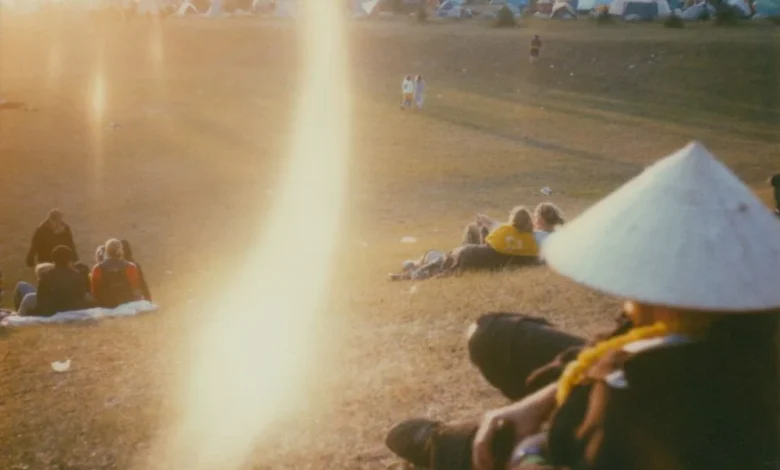
Beyond the sprawling, often corporate-dominated landscape of the festival-industrial complex, a vibrant and resilient ecosystem of independent music gatherings is quietly thriving. These are not the behemoths that dominate mainstream headlines, but rather meticulously curated experiences that prioritize artistic integrity, genuine community, and a palpable sense of risk. This article delves into the ethos and operational realities of three such fiercely independent events: Ghost Canyon, Fly Around Fest, and Open Melody, exploring their approaches to curation, the cultivation of their respective communities, the inherent risks involved in their ventures, and the enduring appeal of festivals that feel less like content farms and more like beautifully assembled mixtapes.
The music festival landscape has, in recent decades, become increasingly characterized by large-scale productions, often driven by commercial interests and a focus on broad audience appeal. Major events frequently feature headliners with significant drawing power, drawing tens of thousands of attendees and necessitating complex logistical operations. While these festivals offer undeniable spectacle and access to globally recognized artists, a counter-movement has emerged, driven by a desire for more intimate, artist-centric, and community-focused experiences. This movement is exemplified by the rise of DIY (Do-It-Yourself) festivals, which, while operating on a significantly smaller scale, often foster deeper connections between artists, organizers, and audiences.
The Philosophy of Curated Intimacy: Ghost Canyon
Ghost Canyon, a festival that has carved out a distinct niche for itself, operates on a foundational principle of "only the good shit." This succinct mantra encapsulates a commitment to highly selective curation, prioritizing artistic merit and a certain sonic or thematic coherence over broad commercial appeal. The organizers behind Ghost Canyon emphasize a deep understanding of the artists they book, often drawing from a pool of musicians who share a similar independent spirit and a dedication to their craft. This approach allows for the discovery of emerging talent alongside established, yet perhaps less mainstream, artists, creating a dynamic and engaging lineup.
The origins of Ghost Canyon can be traced back to a desire to create a more personal and engaging festival experience than was readily available. Frustrated by the perceived commodification of music festivals, the founders envisioned an event where attendees could connect with the music and with each other on a more profound level. This often translates to a more manageable attendee capacity, allowing for a more intimate atmosphere and a greater sense of shared experience. The logistical challenges of such an approach are significant, requiring meticulous planning and a deep understanding of the venue and its limitations. However, the reward is an environment where the music takes center stage and genuine human connection can flourish.
Supporting data from recent years in the independent music scene suggests a growing audience for niche festivals. While precise attendance figures for DIY events are often not publicly disclosed, anecdotal evidence and the consistent demand for tickets indicate a dedicated following. Furthermore, the continued success of platforms that champion independent artists, such as the one hosting this article, points to a significant segment of the music-listening public that actively seeks out and supports these smaller-scale ventures. The financial risk for organizers of DIY festivals is inherently higher due to lower attendance numbers and often tighter budgets. Unlike larger festivals that can leverage economies of scale and significant sponsorship deals, DIY events often rely on a combination of ticket sales, small grants, and dedicated volunteer labor. This financial precarity, however, can also be seen as a testament to the organizers’ commitment to their vision, as they often pour personal resources and immense amounts of time into making these events a reality.
Cultivating Community: Fly Around Fest
Fly Around Fest, another example of this independent spirit, places a significant emphasis on building and nurturing a strong community around its events. This is not merely about gathering attendees for a weekend of music; it’s about fostering a sense of belonging and shared ownership. The organizers of Fly Around Fest often engage directly with their audience, seeking input on programming, encouraging volunteerism, and creating opportunities for attendees to interact beyond simply watching performances. This participatory approach ensures that the festival remains a reflection of the community it serves, rather than an imposed experience.
The background context of Fly Around Fest likely involves a group of individuals passionate about a particular genre or scene, seeking to create a platform for artists within that sphere and for fans to connect. This could range from a specific subgenre of rock or electronic music to a broader celebration of independent artistry across various disciplines. The timeline of such a festival would typically involve months, if not years, of planning, from securing a suitable venue and booking artists to coordinating logistics and marketing the event. The inherent risk for Fly Around Fest, like many independent events, lies in its reliance on a dedicated but potentially smaller audience. A downturn in attendance, unforeseen expenses, or issues with artist availability could significantly impact the festival’s viability. However, the strong sense of community can also act as a buffer, with loyal attendees often willing to go the extra mile to ensure the festival’s success.
Reactions from artists who have performed at Fly Around Fest often highlight the supportive and appreciative nature of the audience and the organizers. Many independent musicians express a preference for playing at festivals where they feel valued and understood, rather than simply being another name on a large bill. This can lead to more inspired performances and a greater sense of artistic fulfillment. The implication of a strong community for Fly Around Fest is a sustainable model. When attendees feel invested in the festival’s success, they are more likely to return, spread the word, and even contribute through volunteering or direct financial support. This organic growth, driven by genuine enthusiasm, is a powerful counterpoint to the often transactional nature of larger commercial festivals.
The Art of Risk and Reward: Open Melody
Open Melody represents another facet of the independent festival movement, one that embraces a certain degree of artistic risk in its programming. This could manifest in booking experimental artists, showcasing emerging and unproven talent, or presenting music in unconventional formats or venues. The organizers of Open Melody are not afraid to challenge audience expectations, believing that this willingness to take risks is essential for the evolution of music and for providing truly unique and memorable experiences.
The timeline for Open Melody would involve a continuous cycle of research and development. Organizers would be constantly scouting for new talent, exploring innovative performance concepts, and seeking out venues that can accommodate their vision. The financial risk for Open Melody is arguably the most pronounced, given the potential for experimental programming to have a less predictable audience draw. However, this risk is balanced by the potential for significant artistic reward. When an experimental performance resonates with an audience, it can create a profound and lasting impression, contributing to the festival’s reputation for pushing boundaries.
Statements from artists who have been given a platform at Open Melody often express gratitude for the opportunity to present their more challenging or unconventional work to an engaged audience. This can be a crucial stepping stone for musicians developing their artistic voice. The broader impact of festivals like Open Melody extends beyond their immediate attendees. They serve as incubators for new ideas, pushing the envelope of what a music festival can be and influencing the broader cultural landscape. By providing a space for experimentation, they contribute to the ongoing vitality and innovation within the music industry, demonstrating that artistic integrity and a commitment to discovery can be powerful drivers of success.
The Mixtape Ethos: A Lasting Appeal
The enduring appeal of these fiercely independent gatherings lies in their ability to capture the essence of a perfectly curated mixtape. In the digital age, where music is often consumed in fragmented playlists and algorithmic recommendations, the deliberate sequencing of artists and the creation of a cohesive sonic journey are increasingly valuable. DIY festivals offer this tangible experience, where the selection of each act contributes to a larger narrative and where the entire event feels like a carefully considered statement.
Unlike "content farms" that prioritize sheer volume and broad appeal, these independent festivals are built on a foundation of passion, meticulous planning, and a deep respect for the art form. The organizers are often fans themselves, driven by a genuine desire to share music they love with others who will appreciate it. This authenticity resonates with attendees, creating a sense of shared purpose and fostering a loyal following.
The implications of this DIY festival model are significant. They demonstrate that the music industry can thrive on models that prioritize artistic integrity and community over sheer scale and commercial exploitation. They offer a vital counterpoint to the homogenization of cultural experiences, providing spaces for diverse voices and experimental art to flourish. While the financial risks are undeniable, the rewards – in terms of artistic innovation, community building, and the creation of truly memorable experiences – are equally profound. As the festival landscape continues to evolve, these independent gatherings serve as essential reminders of what makes live music truly special: the human connection, the thrill of discovery, and the power of a shared passion. The commitment to "only the good shit," the cultivation of genuine community, and the embrace of artistic risk are not just operational strategies; they are the very soul of what makes the best music festivals feel like beautifully assembled mixtapes, offering a richer, more meaningful experience than any algorithm can replicate.