In the intricate world of audio engineering, few challenges are as universally frustrating as the dreaded "muddy mix." Whether an aspiring producer spends countless hours refining a single electronic track or a seasoned professional tackles a raw, basement-recorded garage punk EP, the phenomenon of audio congestion remains a persistent hurdle. Mud—typically characterized by an unwanted buildup of low-mid frequencies roughly between 200 Hz and 500 Hz—can rob a production of its commercial clarity, punch, and spatial depth. Achieving a balanced, transparent mix is an art form that traditionally takes years of acoustic training and critical listening to master. However, contemporary software advancements have introduced specialized plugins designed to cut through the frequency chaos, allowing engineers to restore definition and structural balance to their sessions.

The Evolution of Frequency Management in Modern Production
To understand how modern tools combat audio muddiness, one must examine the historical context of mixing methodologies. For decades, engineers relied almost exclusively on static equalization (EQ) and hardware compression to separate instruments. While these traditional techniques remain foundational, they often force compromises; cutting a frequency band to eliminate mud on one instrument can inadvertently strip away its core body and emotional resonance. As digital audio workstations (DAWs) evolved, developers began exploring dynamic processing—algorithms that respond in real-time to the audio signal’s changing characteristics. This shift transformed how mixers approach frequency masking, paving the way for intelligent sidechaining, spectral repair, and psychoacoustic balancing tools that target clashing elements without sacrificing overall mix integrity.

Targeting Low-End Concurrency with Wavesfactory Trackspacer
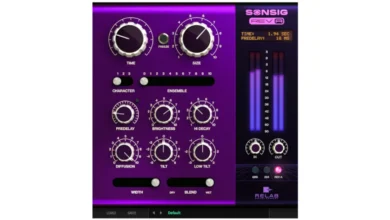
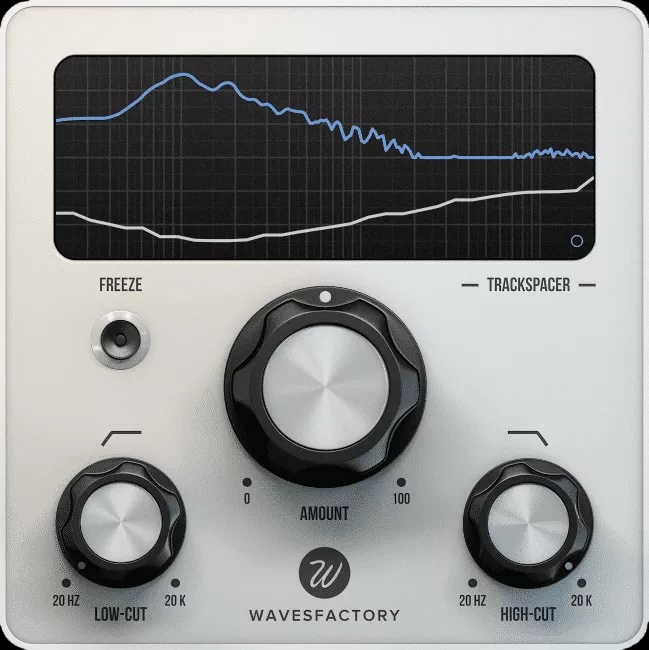
One of the most common battlegrounds for frequency clutter occurs in the low-end spectrum, specifically in the delicate relationship between the kick drum and the bass guitar, as well as the clearance required for lead vocals. Wavesfactory Trackspacer has emerged as a staple solution for this exact problem through its sophisticated 32-band dynamic processing engine. Operating across the entire frequency spectrum with an optional mid-side mode for precision targeting, Trackspacer analyzes a sidechain input signal and applies an inverted EQ curve to the main track.
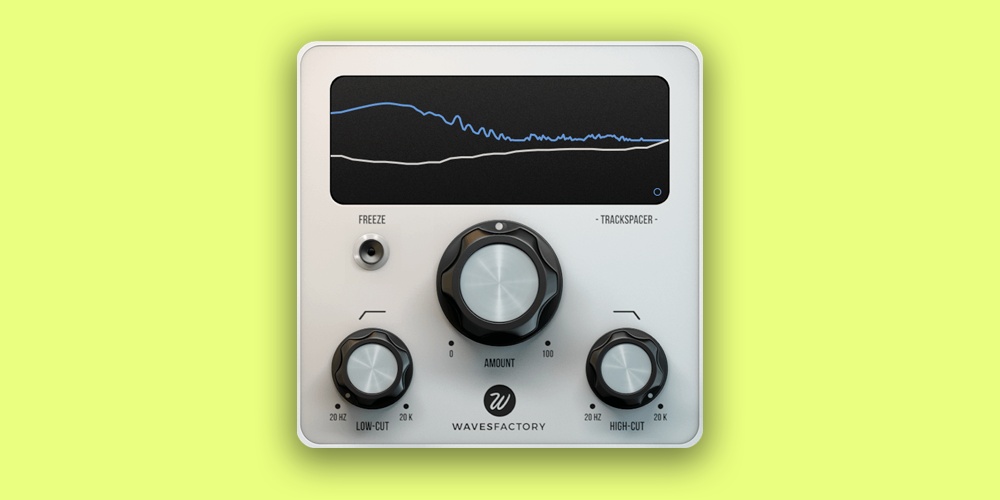
Rather than executing a total volume ducking maneuver reminiscent of traditional sidechain compression, Trackspacer ensures that only the specific frequency areas experiencing a clash are attenuated. This surgical approach preserves the natural dynamics of the primary instrument. Furthermore, integrated high- and low-cut filters allow users to isolate the ducking range, while adjustable attack and release controls tailor the processor’s transient response to suit diverse genres, ranging from punchy electronic dance music to expansive ambient compositions.
Advanced EQ and Workspace Overview with FabFilter Pro-Q 4
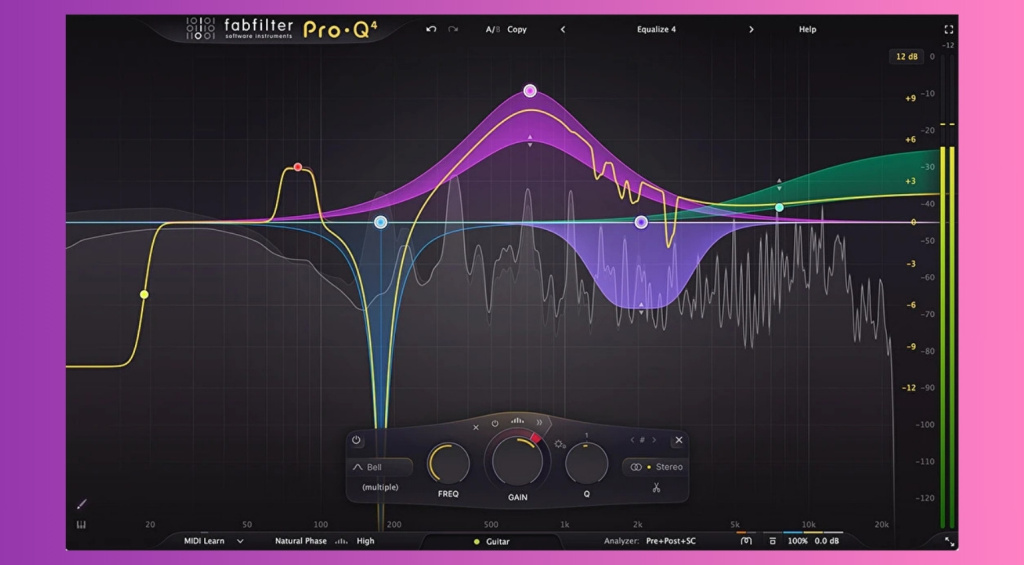
When it comes to universal spectral balancing, high-end equalization remains the cornerstone of any mixing session. FabFilter Pro-Q 4 has cemented its reputation as an industry benchmark not merely through pristine sound quality, but via workflow innovations designed to manage complex DAW sessions. Offering up to 24 frequency bands, Pro-Q 4 bridges the gap between classic analog modeling and modern processing by incorporating per-band dynamic and spectral modes. This functionality enables engineers to address transient frequency buildups precisely when they occur in a performance, rather than permanently carving away valuable audio material.
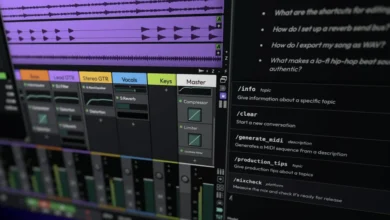
Beyond individual channel processing, Pro-Q 4 introduces comprehensive session management capabilities through its Instance List feature. This centralized overview displays every active instance of FabFilter’s flagship processors—including dynamic and gating modules—across the entire DAW project. By providing engineers with a bird’s-eye view of their processing chain, the platform drastically reduces the time required to diagnose systemic frequency congestion and re-establish a cohesive sonic balance.
Psychoacoustic Balancing via Soundtheory Gullfoss
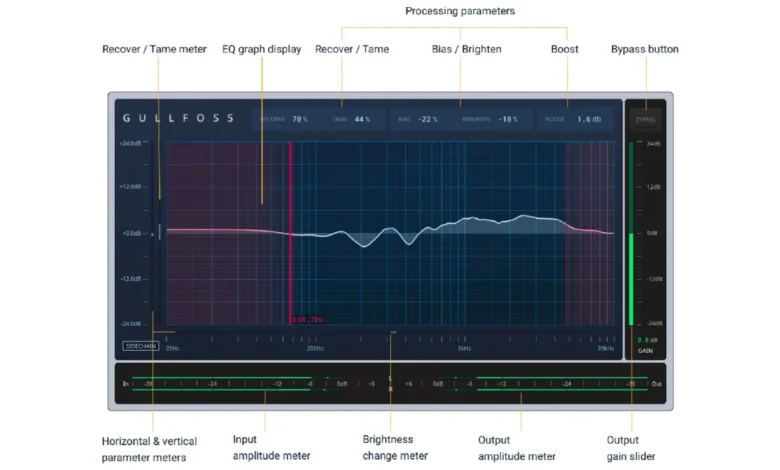
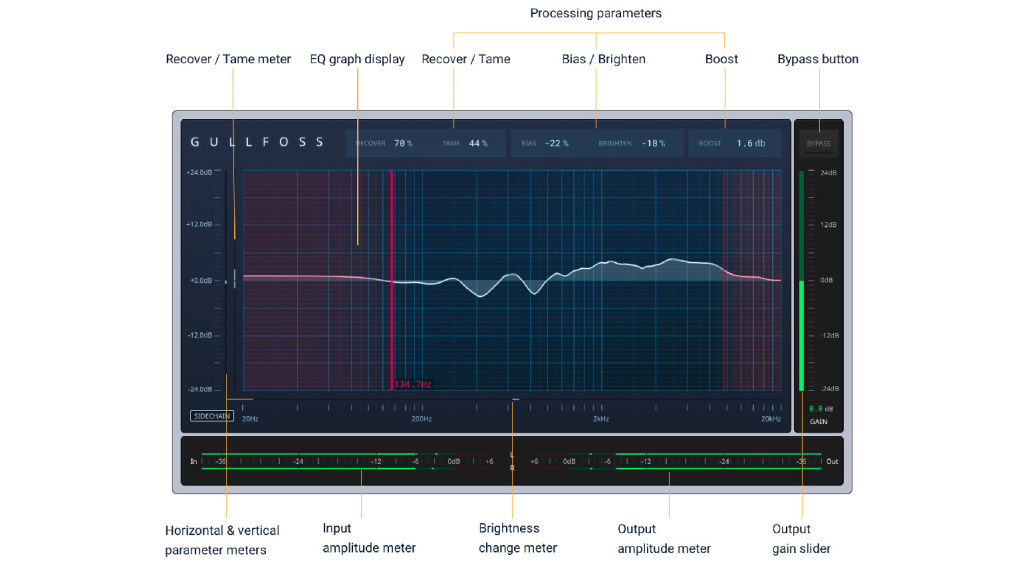
For mixes suffering from deep-seated phase anomalies, masking, and spatial imbalance, advanced algorithmic processors offer an alternative to conventional manual EQ. Soundtheory Gullfoss approaches audio clarity through a proprietary algorithm grounded in the scientific principles of human hearing and psychoacoustics, bypassing traditional machine learning or neural network models.

Gullfoss abandons static frequency boosts and cuts in favor of macro-driven spatial rebalancing. The plugin utilizes five primary controls to reshape the audio landscape. The Recover parameter reinstates elements that have been perceptually buried by competing tracks, while the Tame function suppresses harsh, domineering frequencies. Users can balance these opposing forces using the Bias control and further refine the overarching spectral tilt. Trusted by professional mixing and mastering engineers worldwide, Gullfoss provides an automated yet transparent framework for translating complex multi-track recordings into commercially viable, high-definition audio files.
Dynamic Resonance Suppression with oeksound Soothe3
Layering multiple virtual instruments, synthesizers, and vocal takes often introduces harsh resonant frequencies that fatigue the listener’s ear. oeksound Soothe3 addresses this issue directly as a premier dynamic resonance suppressor. Designed to identify and mitigate harsh buildups in real time, Soothe3 applies dynamic filtering that neutralizes problematic frequencies while maintaining the original character and transient snap of the source material.
The software features distinct soft and hard processing modes tailored to different production tasks. The transparent soft mode excels on delicate sources like lead vocals and acoustic instruments, whereas the hard mode functions aggressively, making it well-suited for heavy synth leads, distorted electric guitars, and complex sidechain routing. Advanced user parameters, including adjustable Detail controls for bandwidth filtering, Max Cut ceilings, and multi-band Tilt attack and release times, give engineers granular authority over unruly audio frequencies.
Audio Restoration and Spectral Surgery with Steinberg SpectraLayers Pro
In many professional scenarios, mixing engineers receive stems that possess immense artistic merit but suffer from suboptimal acoustic environments during tracking—such as field recordings, untreated bedroom vocal booths, or fluctuating microphone distances. When standard DAW plugins prove insufficient, dedicated spectral editing suites act as an audio intensive care unit.

Steinberg SpectraLayers Pro utilizes advanced AI-powered spectral processing to visualize audio as a multi-dimensional map, enabling engineers to isolate, manipulate, and remove unwanted artifacts with microscopic precision. Primarily engineered for high-level post-production and dialogue editing, SpectraLayers excels at eradicating clicks, pops, excessive room ambience, and digital clipping artifacts before the stems ever reach the mixing console. By cleaning up problematic source material at the spectral level, producers can establish a pristine foundation that inherently prevents muddiness from developing later in the signal chain.
Broader Implications for the Modern Music Industry

The proliferation of advanced anti-mud and spectral processing plugins reflects a broader shift in the modern music production landscape. As the barrier to entry for recording music lowers, bedroom producers and independent artists frequently generate dense arrangements outside of professionally treated acoustic spaces. Consequently, the demand for software that can intelligently parse, clean, and balance complex frequencies has skyrocketed.
While these technological aids offer unprecedented control and speed up the mixing workflow, industry veterans emphasize that they should complement—rather than replace—fundamental mixing skills, gain staging discipline, and acoustic awareness. Ultimately, mastering these tools empowers engineers to transform chaotic, congested sessions into polished, professional mixes that translate effortlessly across all consumer playback systems.