Ableton Live 13 is now in limited public beta signaling a major evolution in professional music production software

Ableton has officially launched the limited public beta for Live 13, marking a significant milestone in the evolution of the industry-standard digital audio workstation (DAW). The update introduces a suite of long-requested features, including native ARA 2 support, overhauled preset management, and sophisticated multi-band Rack configurations. This release represents a strategic shift for the Berlin-based company, focusing on workflow refinement, deep integration with external hardware, and the expansion of internal sound-design capabilities. Notably, the update avoids the integration of generative artificial intelligence, opting instead to double down on human-centric creative tools.
The announcement follows a multi-year development cycle that prioritized user feedback from professional producers and live performers. While previous iterations focused on broadening the software’s sonic palette, Live 13 shifts the focus toward the "plussing" of existing architecture—improving how users interact with Devices, Racks, and third-party plug-ins to minimize technical friction during the creative process.
A Chronology of Innovation and User-Driven Updates
Since its inception, Ableton Live has defined the intersection of live performance and studio production. The path to Live 13 has been marked by a transition from a simple loop-based sampler to a comprehensive production environment. Following the successful reception of Live 12, which focused on MIDI transformation and browser improvements, Live 13 addresses specific structural requests that have been at the top of community wish lists for over a decade.
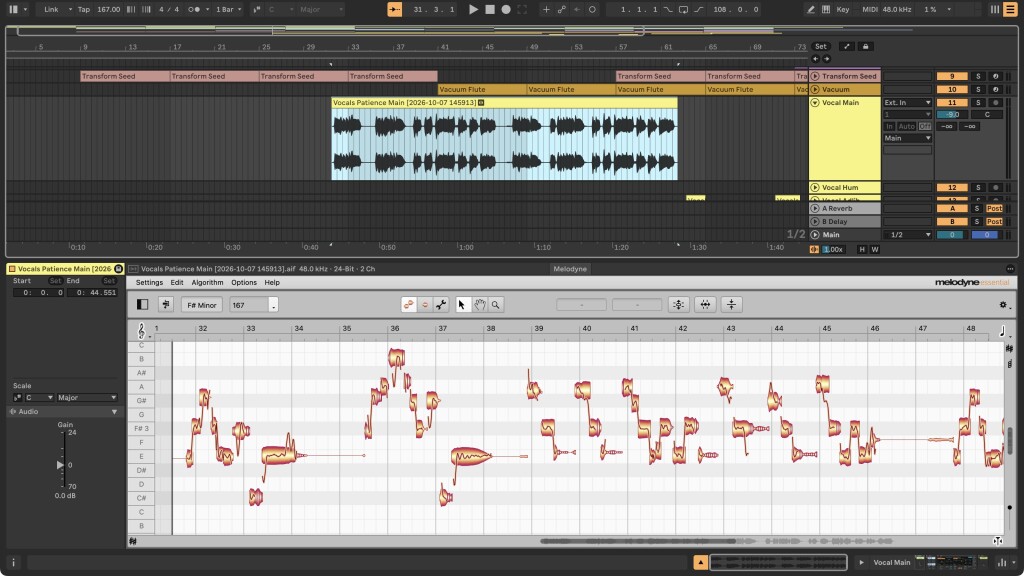
The inclusion of ARA 2 (Audio Random Access) support is perhaps the most consequential change for industry professionals. By allowing plug-ins like Celemony Melodyne and Steinberg SpectraLayers to communicate directly with the host DAW, users can now perform complex pitch and spectral edits without the cumbersome "transfer" processes that historically plagued the workflow. This change effectively removes a primary barrier for producers transitioning from competing DAWs like Logic Pro or Cubase, where ARA integration has been standard for years.

Redefining the Drum Synth and Sequencing Workflow
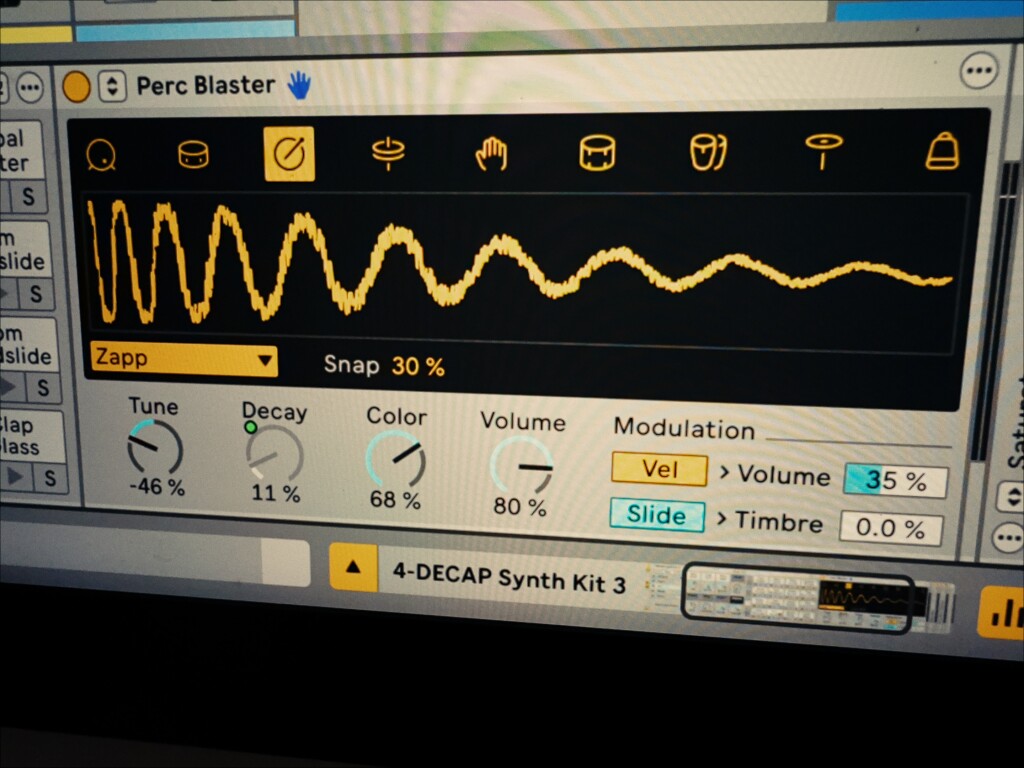
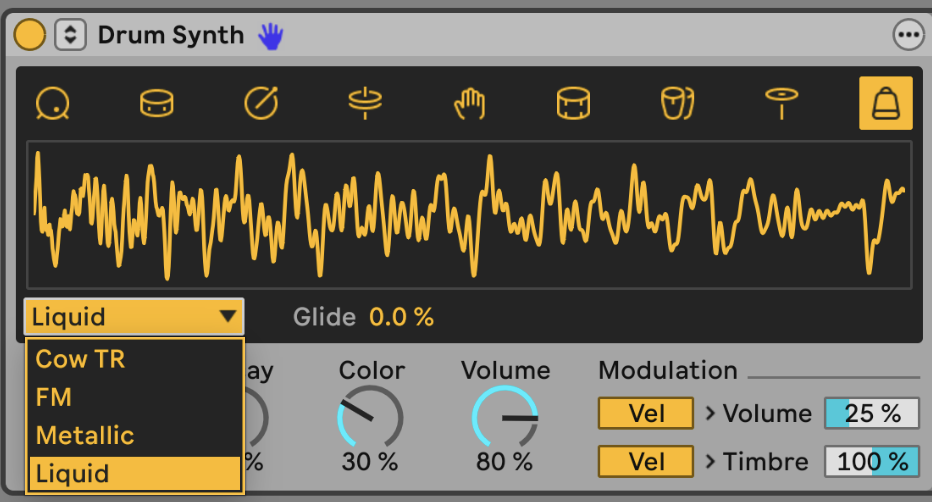
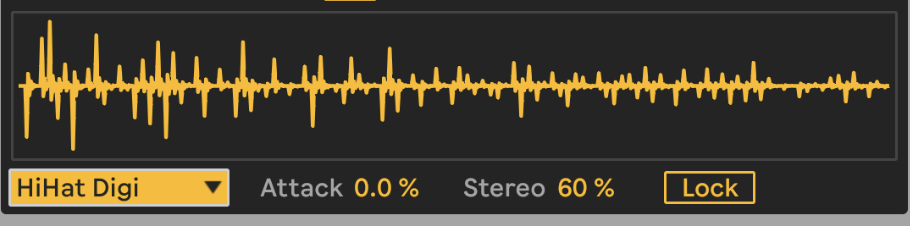
The new Drum Synth in Live 13 is not merely an incremental update but a complete re-engineering of the previous module. Designed as a native, highly responsive instrument, it features a wide range of engine models—including Kick, Snare, Hi-hat, and Percussion—each capable of deep modulation. The inclusion of model-specific parameters, such as noise-floor manipulation and attack transients, allows for a level of sound design previously reserved for specialized hardware.
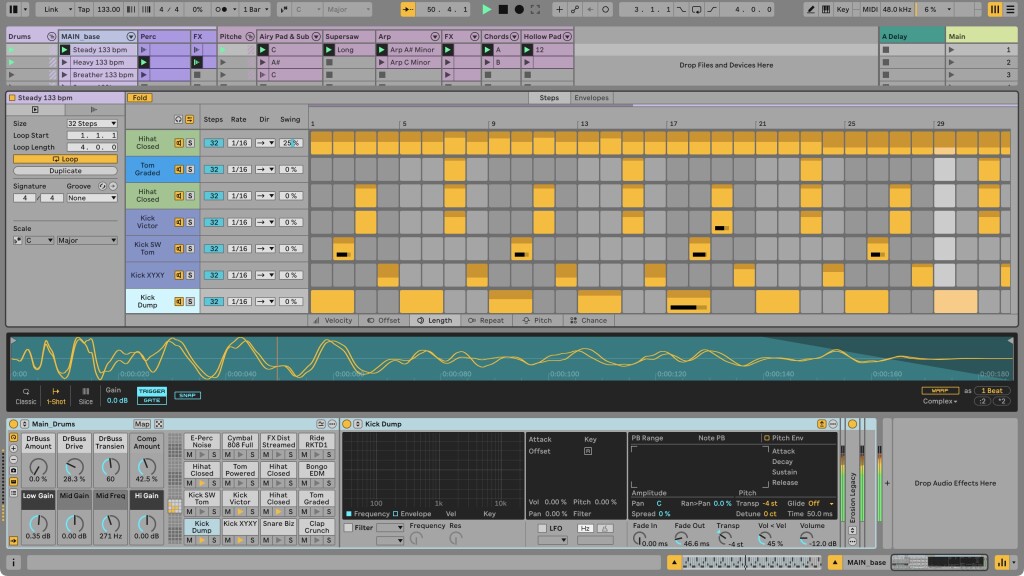
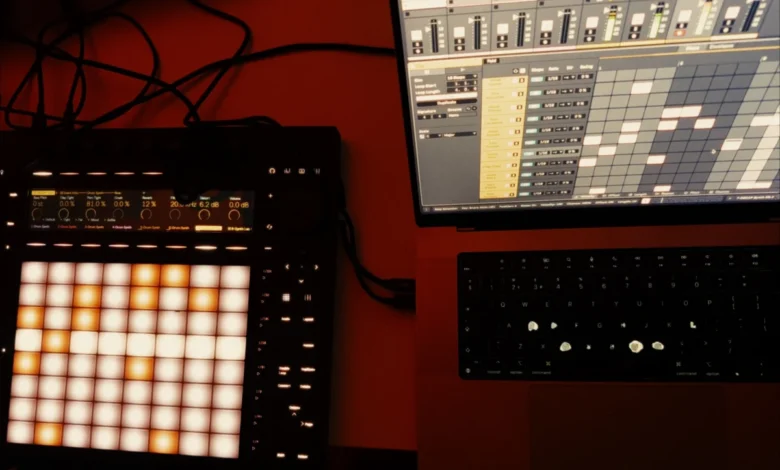
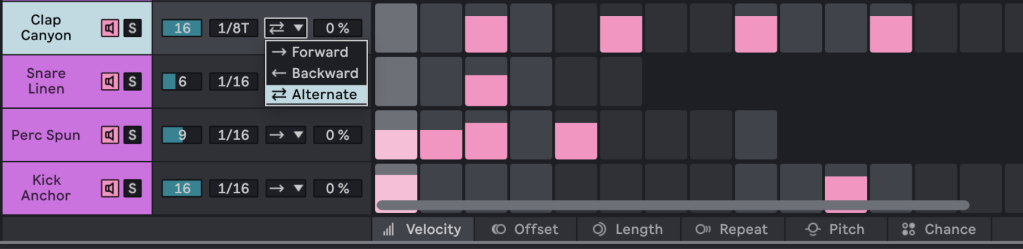
Complementing this is the introduction of a native step sequencer for Clips. For the first time, users can move beyond the piano roll, utilizing a step-based interface that allows for granular control over pitch, velocity, and MPE (MIDI Polyphonic Expression) slide on a per-step basis. This interface is fully integrated with the Ableton Push controller, providing a seamless hardware-to-software workflow. Each lane in the sequencer can be configured for up to 128 steps, enabling complex, polyrhythmic compositions that were previously difficult to manage in real-time.
Architectural Improvements: Racks, Automation, and The Mixer
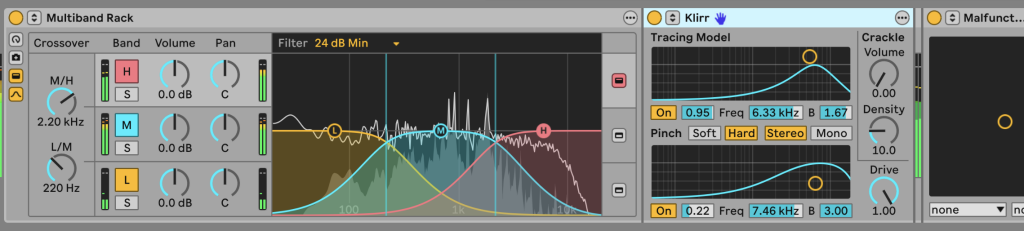
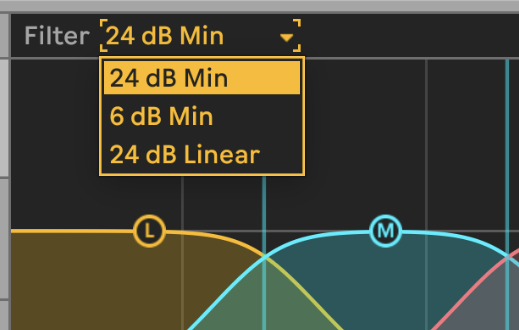
The expansion of Racks into multi-band and mid-side configurations provides producers with a powerful new way to manage frequency-dependent processing. By allowing users to split signals within a single device chain, Ableton has effectively baked complex parallel processing workflows directly into the software. This reduces the need for complex internal routing, saving CPU cycles and maintaining a cleaner project interface.
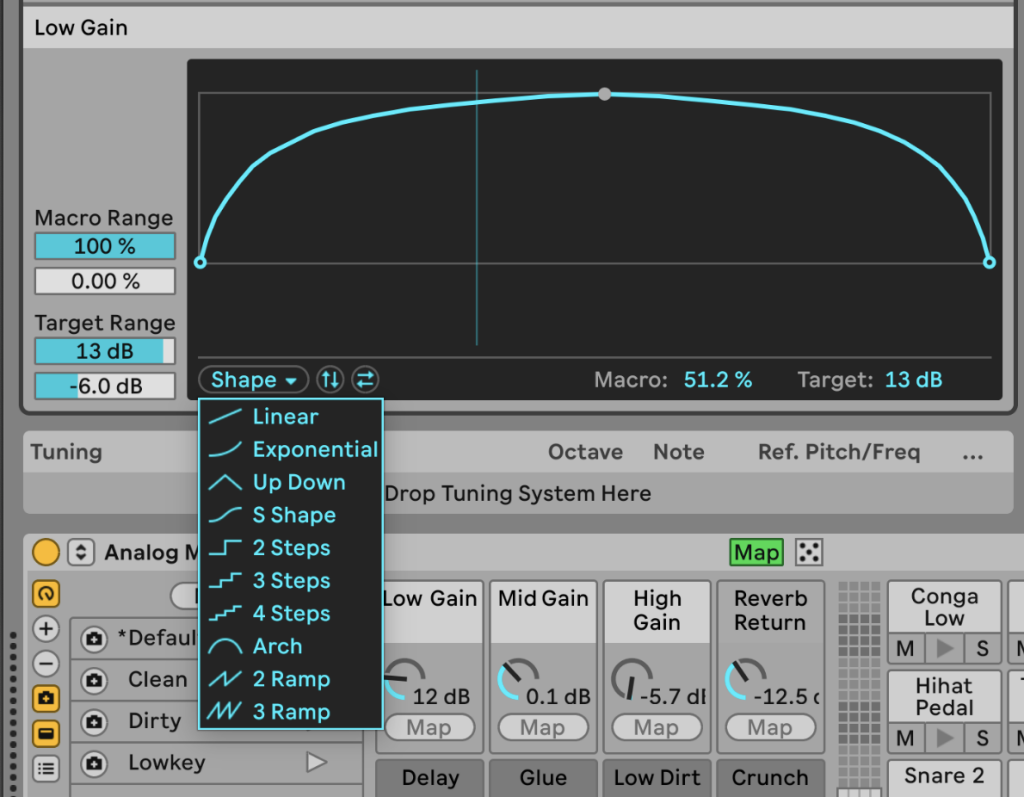
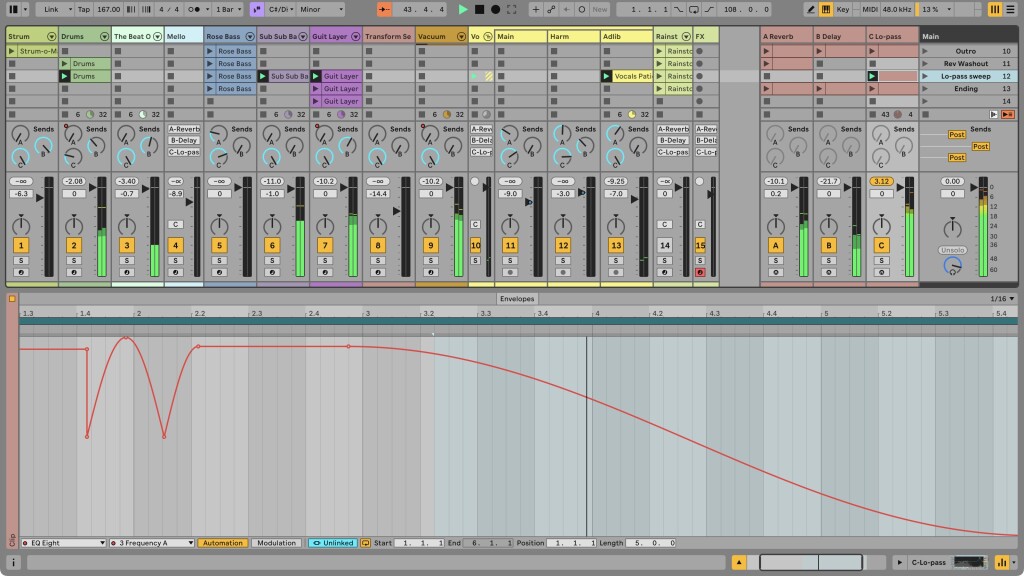
Furthermore, the "Envelope Clips" feature on Return tracks transforms the mixer into a performance instrument. Users can now automate effects parameters on Return tracks using independent clips, effectively turning the mixer itself into a source of generative movement. This, combined with the ability to view device chains directly within the mixer view, represents a significant leap forward in user interface design. Producers can now toggle, reorder, and access plug-in interfaces without navigating away from their primary mixing workspace, significantly reducing the "menu diving" that can disrupt a creative session.
Supporting Data and Industry Implications
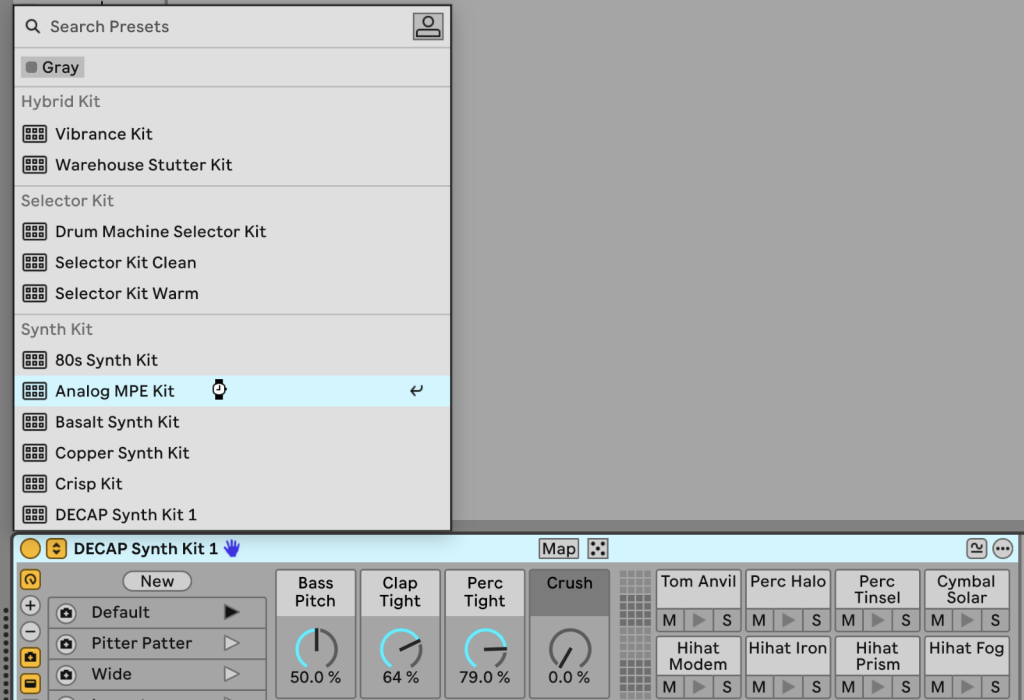
The decision to focus on workflow efficiency rather than AI-driven automation reflects a growing sentiment among professional audio engineers. Recent industry surveys indicate that while AI tools for mastering and composition are gaining traction, there is a sustained demand for "transparent" software—tools that function predictably and allow for granular control. By focusing on ARA 2 support, improved preset navigation, and custom layout capabilities for the Push controller, Ableton is positioning Live 13 as a tool for "surgical" production rather than automated content generation.
The inclusion of Softube-modeled effects—featuring FET and optical compression as well as British console-style EQ—suggests that Ableton is moving to capture the market share of "in-the-box" analog emulation. By building these UIs in Max for Live, the company ensures that these effects remain lightweight while offering the sonic character that producers have historically sought from high-end third-party plug-ins.
Official Response and Public Beta Access
Ableton has maintained a controlled rollout for the beta, utilizing the Centercode platform to manage feedback from a limited pool of existing Live 12 users. This cautious approach ensures that the stability of the software remains high, especially given the fundamental changes to the core engine and automation systems.
"The goal with Live 13 is to remove the obstacles between the idea and the sound," an internal spokesperson noted during the announcement. "By listening to the core needs of our users—better navigation, deeper integration, and more flexible routing—we have created a platform that feels both familiar and fundamentally more powerful."
For users currently operating on Live 12, the transition to the new version is incentivized by a 20% discount on current licenses and a guarantee of a free upgrade to Live 13 upon its full commercial release. This move is designed to minimize the cost of entry for new users while rewarding the loyalty of the existing base.
Broader Impact on the Production Landscape
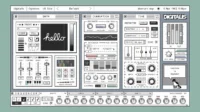
The introduction of Looplet, a new Max for Live device, serves as a testament to Ableton’s commitment to experimental sound design. By utilizing four virtual tape playheads to scrub through audio in real-time, the tool bridges the gap between traditional sampling and granular synthesis. It is a clear signal that even as the software matures, Ableton remains interested in providing tools that encourage non-linear, unpredictable creative outcomes.
The cumulative effect of these changes is a DAW that is more "performance-ready" than ever before. Whether it is the ability to map MPE slide to timbre in the new Drum Synth or the implementation of capture-automation for live parameter tweaks, Live 13 is clearly optimized for users who view their software as an extension of their instrument.
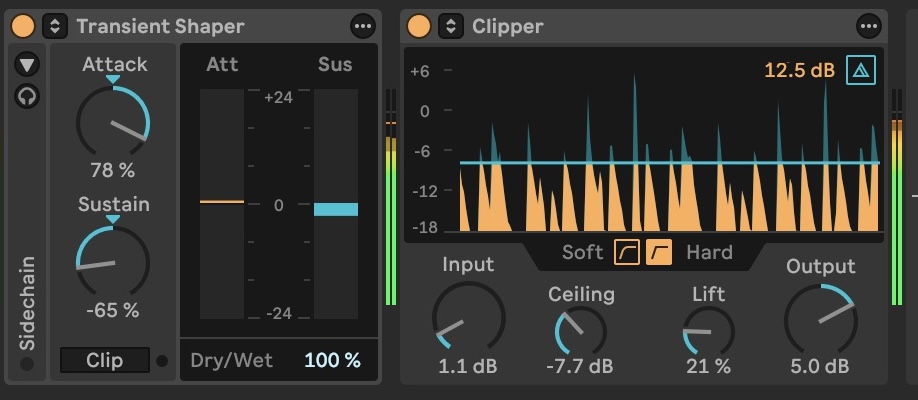
As the industry continues to debate the role of automation and algorithmic assistance, Ableton’s path remains clear: provide the most efficient, transparent, and flexible environment possible. By refining the interaction between the user and the device, Live 13 serves as a robust update that prioritizes the user’s creative agency. For the professional producer, the upgrade is not just about new sounds, but about the democratization of complex routing and the acceleration of the creative workflow. With the public beta now underway, the focus shifts to how the community will leverage these new capabilities to define the next generation of sound.
Related posts: