“We were with Rick Rubin, drinking vodka and grapefruit juice, and we wrote that song in about five…

The Genesis of a Mock-Anthem
The origins of the track are rooted in the collaborative chemistry between the Beastie Boys—Adam "MCA" Yauch, Michael "Mike D" Diamond, and Adam "Ad-Rock" Horovitz—and their visionary producer, Rick Rubin. Contrary to its status as an unbridled celebration of hedonism, the song was conceptualized as a satirical piece. The lyrics were designed as a tongue-in-cheek critique of the hyper-masculine, party-obsessed culture prevalent on MTV during the mid-1980s.
According to Mike D, the songwriting process was remarkably swift, fueled by an atmosphere of focused intensity rather than the chaos often associated with the song’s subject matter. The trio was stationed at the Palladium in New York City with Rubin, working in the Michael Todd Room. The initial draft was composed on paper napkins, a testament to the impulsive, raw energy that defined the group’s early creative output. The goal was clear: to craft a track that could compete with the aggressive, guitar-driven sounds of the era while simultaneously parodying the very demographic that would eventually embrace it as a legitimate anthem.
The Architect of Crossover: Rick Rubin’s Influence
The sonic architecture of (You Gotta) Fight For Your Right (To Party!) was heavily influenced by Rick Rubin’s strategic push to merge hip-hop with the visceral power of heavy metal and punk rock. Rubin, who had previously achieved massive success by bridging the gap between Run-DMC and Aerosmith on the 1986 remake of "Walk This Way," sought to replicate this formula for the Beastie Boys.
This production philosophy is evident throughout the Licensed to Ill album, which extensively utilized samples from iconic rock acts, including Led Zeppelin, Black Sabbath, AC/DC, and The Clash. By integrating these aggressive riffs into a hip-hop framework, Rubin helped dismantle the genre barriers that had previously confined rap music to urban radio and club circuits, effectively ushering in the era of rap-rock fusion.
Slayer’s Unlikely Contribution
One of the most intriguing footnotes in the song’s history is the involvement of thrash metal legends Slayer. In 1986, while producing the Beastie Boys, Rick Rubin was also helming Slayer’s seminal album, Reign in Blood. Seeking a specific lead guitar texture for the Beasties’ debut, Rubin reached out to Slayer guitarist Kerry King.
King, reflecting on the experience in later years, noted the absurdity of the situation. He initially recalled that Rubin approached Jeff Hanneman, the band’s other guitarist, who declined due to the creative disconnect between the project and his personal artistic sensibilities. King, however, saw the opportunity differently, agreeing to contribute for a fee of $200. He viewed the project as a way to gain exposure for Slayer, even while acknowledging that the song itself was a parody. King’s solo on the track is notably restrained, lacking the breakneck speed of his work with Slayer, yet he infused it with his signature whammy-bar techniques to ensure it felt authentic to the heavy metal genre he was effectively mimicking.
Cultural Reception and the Irony of Success
The song’s reception highlights a fascinating divide between the artists’ intent and the audience’s interpretation. While the Beastie Boys intended the song to be a sarcastic commentary on fraternity culture and teenage rebellion, many listeners took the lyrics at face value.
In a 1987 interview, Mike D expressed frustration regarding this disconnect, noting that the group felt uncomfortable seeing their work co-opted by the very demographic they were mocking. "The only thing that upsets me is that we might have reinforced certain values of some people in our audience when our own values were actually totally different," he stated. He pointed out that while the group reveled in the irony, much of the audience remained oblivious to the joke, turning a satirical critique into a genuine party standard.
The Iconic Music Video and Its Legacy
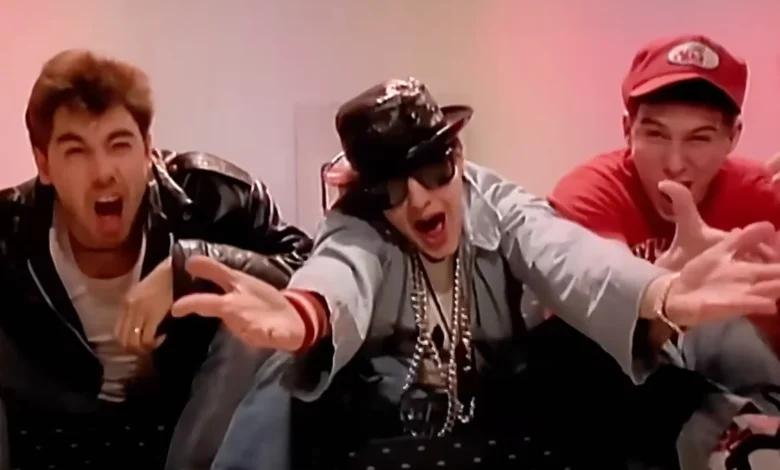
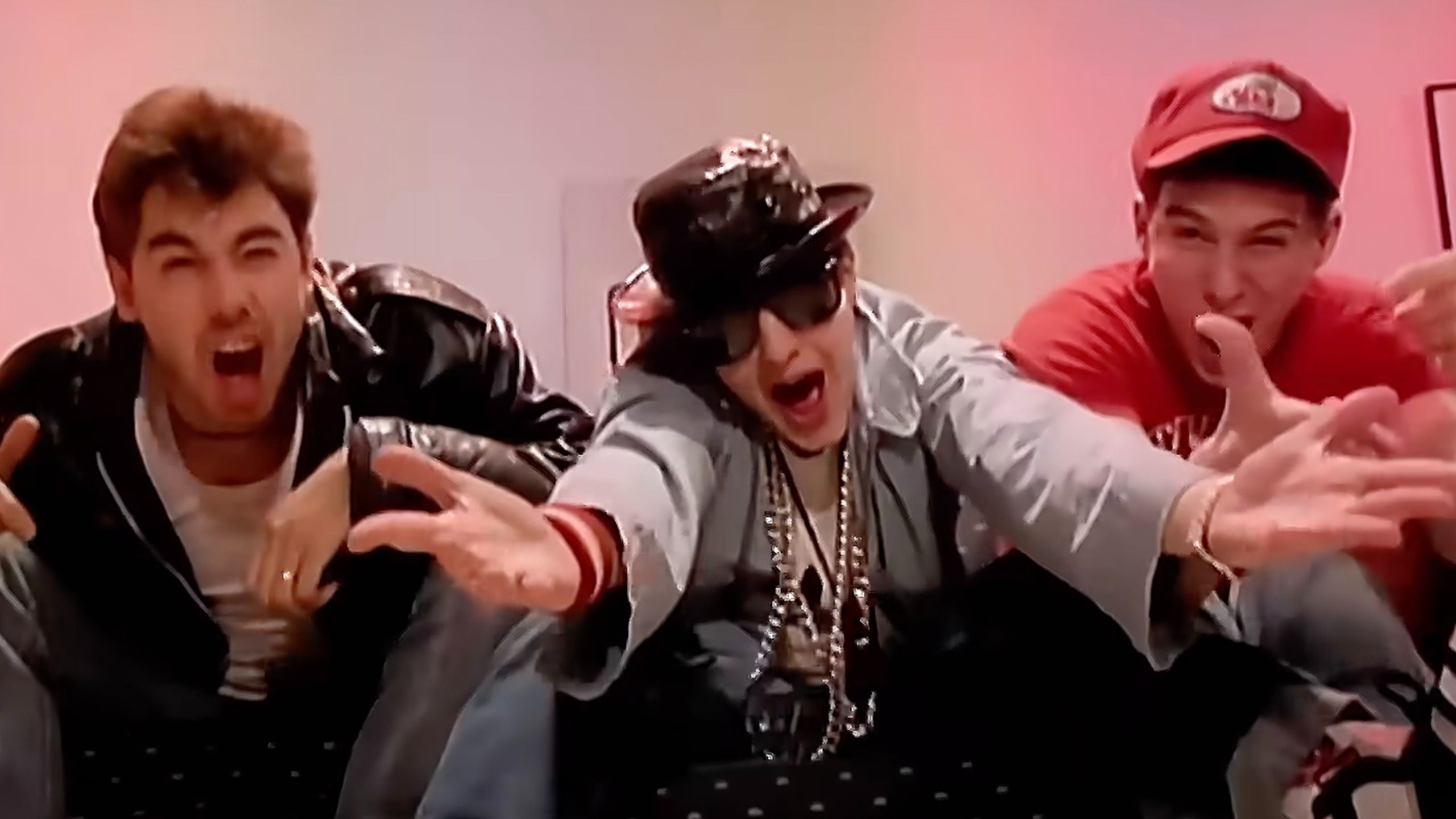
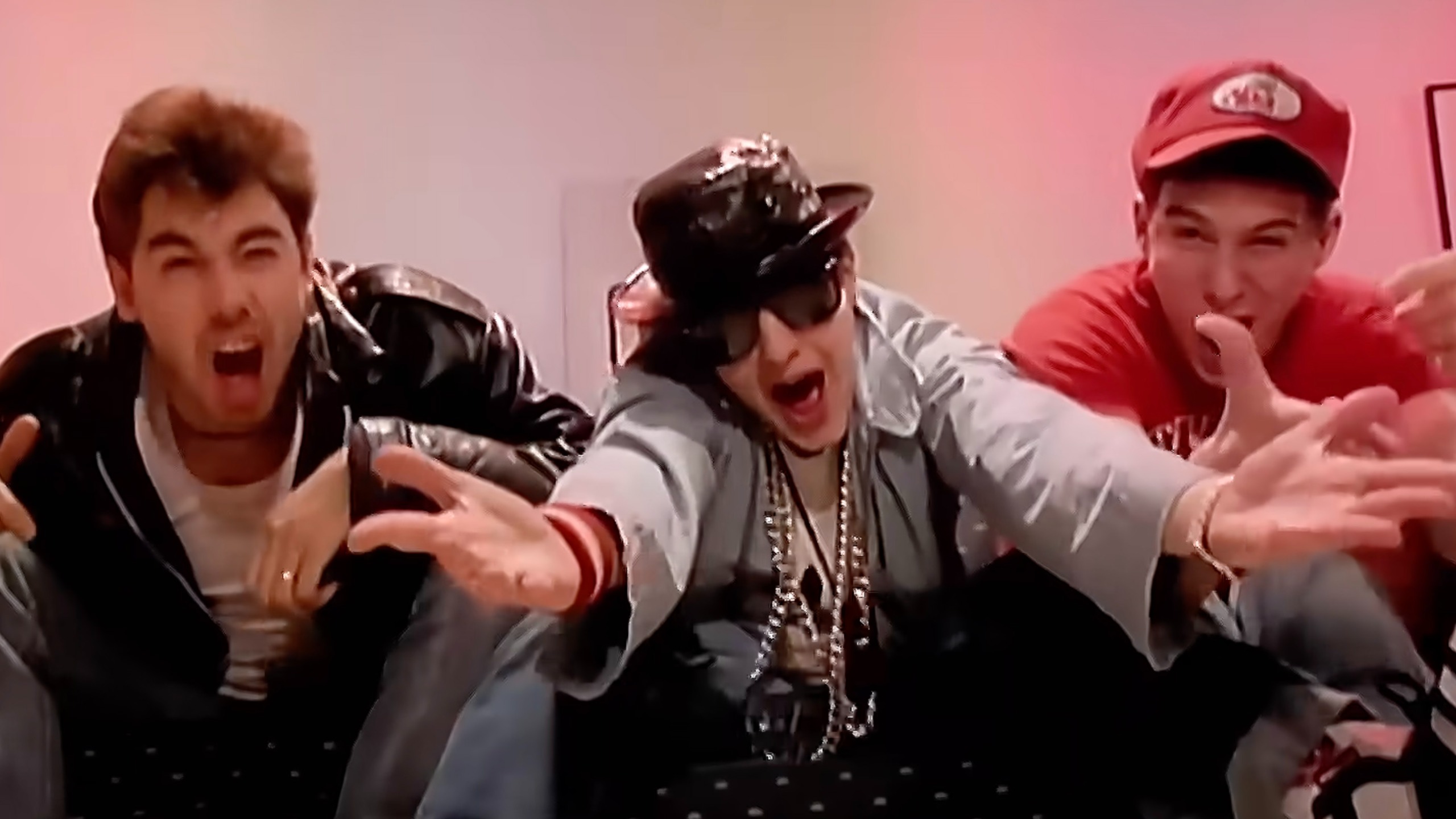
Complementing the track’s success was its music video, directed by Ric Menello and Adam Dubin. The video’s narrative—featuring two suburban teenagers whose party is hijacked by the boisterous Beastie Boys—became a hallmark of MTV’s golden age. The chaos depicted, involving pie fights and general destruction, was underscored by a less-than-glamorous reality.
Tabitha Soren, who appeared in the video long before her tenure as a prominent broadcast journalist, later shared that the "whipped cream" used for the pie-throwing scenes was sourced from supermarket waste bins to stay within the production budget. This cost-cutting measure resulted in an overwhelming, unpleasant odor on set, adding a layer of physical endurance to the performance that viewers would never have suspected.
Broader Implications and Historical Context
The impact of (You Gotta) Fight For Your Right (To Party!) on the landscape of popular music cannot be overstated. It was instrumental in establishing hip-hop as a dominant force in the mainstream, proving that the genre could successfully intersect with rock and pop sensibilities.
Chronologically, the song’s rise marked a shift in the mid-80s musical zeitgeist. Between 1985 and 1987, the industry saw a significant blurring of lines. The success of Licensed to Ill paved the way for future genre-bending acts and established the Beastie Boys as musical chameleons who would go on to reinvent themselves through later projects like Paul’s Boutique and Check Your Head.
From a musicology perspective, the track remains a masterclass in the use of simplicity. The rhythm guitars, played half a step down with basic power chords on the third and fifth frets, provided a massive, stadium-ready sound that demanded audience participation. This accessibility, combined with the group’s charismatic, bratty delivery, ensured the song would remain a staple of radio and party playlists for decades.
A Legacy of Rebellion
Despite the band’s eventual move away from the "frat-boy" persona that defined their early years—a transition that saw them embrace social activism and more complex, experimental soundscapes—the legacy of their 1986 hit remains intact. It has been covered by a diverse array of artists ranging from Coldplay to Mötley Crüe, further cementing its status as an enduring anthem.
In retrospect, (You Gotta) Fight For Your Right (To Party!) serves as a snapshot of a specific moment in time when the boundaries of American music were being aggressively challenged. While the Beastie Boys themselves may have grown to view the song as a product of their youth, its role in breaking down genre barriers and its place in the history of music video production remain significant. The track stands as a testament to the power of irony in art and the ability of a "goof" to leave an indelible mark on the global cultural consciousness. As the music industry continues to evolve, the song serves as a reminder of the raw, unfiltered energy that defined the 1980s and the enduring influence of the Beastie Boys on the evolution of modern sound.