Erneute Kritik am Habitat Festival: Hamburger Antisemitismusbeauftragte verlangt Ausladung von Sama‘ Abdulhadi

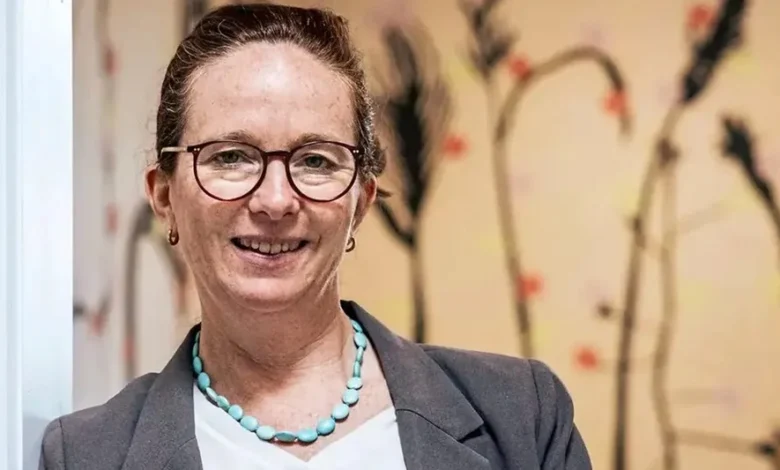
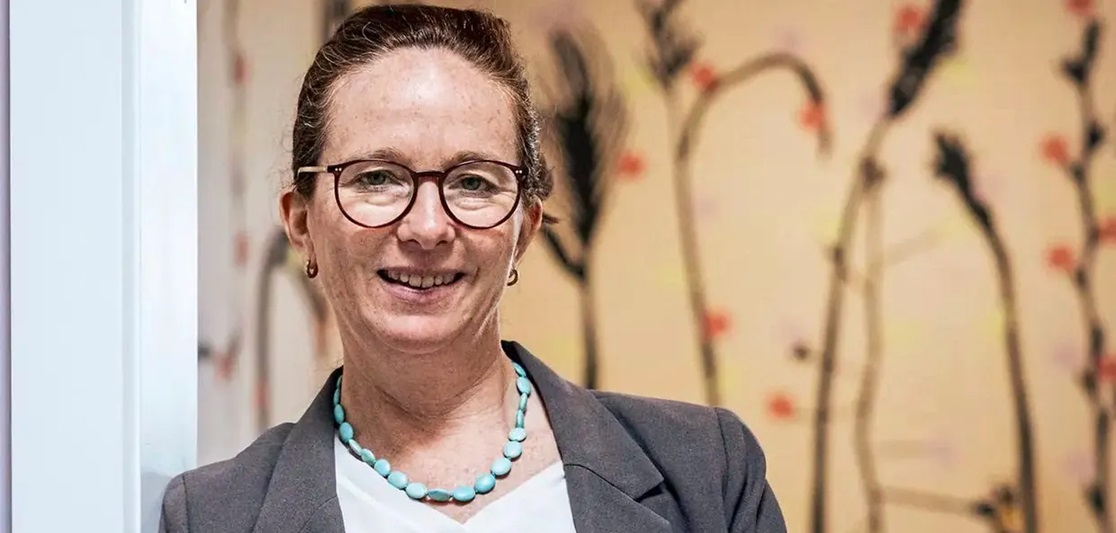
Hamburg, Germany – A significant controversy has erupted in Germany’s cultural sector following an urgent demand by Anna von Villiez, Hamburg’s Antisemitism Commissioner, to cancel the upcoming performance of acclaimed Palestinian techno DJ Sama’ Abdulhadi at the Habitat Festival. The festival, slated for this coming weekend in Hamburg, has found itself at the center of a heated debate concerning the boundaries of artistic expression, political statements, and the robust German stance against antisemitism, particularly in the wake of the October 7, 2023, attacks in Israel. Von Villiez asserts that Abdulhadi has engaged in glorifying the brutal attacks perpetrated by Hamas, which resulted in the murder of over 1,000 individuals, by framing them as a "liberation struggle," and has disseminated antisemitic positions through her social media channels.
The core of the accusation stems from an Instagram post made by Abdulhadi on October 7, 2023, the very day Hamas launched its unprecedented assault on southern Israel. In this post, Abdulhadi reportedly characterized the Hamas attack as an integral part of "Palestinian resistance" and, conversely, described Israel’s subsequent military actions in the Gaza Strip as "one of history’s cruelest genocide campaigns." Von Villiez underscored the profound irony and tragedy of the situation by pointing out that many of the victims on October 7 were themselves attendees of a music festival – the Supernova Sukkot Gathering – emphasizing the stark contrast between the celebratory nature of such events and the horrific violence that unfolded. According to the Antisemitism Commissioner, a last-minute cancellation of Abdulhadi’s performance remains feasible and would serve as a critical statement against antisemitism, aligning with Germany’s unwavering commitment to combating such prejudice.
A Recurring Controversy: Previous Calls for Cancellation
This is not the first instance of official condemnation regarding Abdulhadi’s scheduled performances in Germany. Back in April, Felix Klein, the Federal Government Commissioner for Jewish Life and the Fight Against Antisemitism, issued a sharp critique concerning Abdulhadi’s planned appearances. Speaking to the Berliner Morgenpost, Klein explicitly stated that Abdulhadi propagates a "highly polarizing, antisemitic worldview." He too urged festival organizers, including those of the Habitat Festival, to rescind their invitations. At that time, Klein expressed his belief that the Habitat Festival had missed a crucial opportunity to unequivocally signal its opposition to antisemitism by failing to act on his earlier call. The repeated calls from high-ranking German officials highlight the seriousness with which these allegations are being treated within the German political and cultural establishment.
The Habitat Festival’s Stance: Artistic Freedom vs. Political Endorsement
In response to the escalating pressure, the organizers of the Habitat Festival have firmly rejected the demands for Abdulhadi’s disinvitation. In a public statement, they articulated their commitment to fostering a "diverse, open, and international music and culture scene." While unequivocally stating that antisemitism has "no place" at their festival, they drew a distinction between inviting an artist and endorsing all of their political viewpoints. The organizers posit that Abdulhadi’s inclusion on the lineup is part of a pluralistic cultural landscape where diverse voices can be represented. Their statement clarified their core mission: "Our festival is not a political platform, but a music festival. This does not absolve us of responsibility, but it does mean that we evaluate the performance for what it is in this specific context: an artistic, musical performance." This position reflects a common argument in the cultural sphere, where proponents of artistic freedom often resist what they perceive as political litmus tests for performers.
Sama’ Abdulhadi: A Profile in Music and Activism
Sama’ Abdulhadi, born in Jordan in 1990 and raised in the West Bank city of Ramallah, has risen to international prominence as one of the most recognized techno DJs from Palestine. Often hailed as the "Queen of Palestinian Techno," she has garnered a global following for her distinctive sound and energetic performances, gracing stages at major festivals and clubs worldwide. Her career trajectory is particularly significant given the challenging geopolitical context of her upbringing. Beyond her musical endeavors, Abdulhadi has been a vocal and consistent advocate for the Palestinian cause, utilizing her platform to raise awareness and express her views on the Israeli-Palestinian conflict. This outspokenness, while central to her public identity and appreciated by many of her fans, has simultaneously made her a contentious figure in contexts where her political statements are interpreted as crossing lines into antisemitism or the justification of violence.
The Broader German Context: Historical Responsibility and Cultural Policy
The intensity of this debate is deeply rooted in Germany’s unique historical responsibility concerning the Holocaust and its resultant unwavering commitment to combating antisemitism and supporting Israel’s right to exist. This historical legacy profoundly shapes public discourse and policy in Germany, making any perceived glorification of attacks against Israelis or expressions deemed antisemitic particularly sensitive and subject to stringent scrutiny. German cultural institutions, many of which receive significant public funding, operate under an implicit, and often explicit, expectation to uphold these values. The controversy surrounding Abdulhadi is not an isolated incident but rather indicative of a broader and ongoing struggle within the German cultural landscape to reconcile artistic freedom with political responsibility, especially when it concerns the Israeli-Palestinian conflict. This tension has previously manifested in debates over the Boycott, Divestment, Sanctions (BDS) movement, which German parliament overwhelmingly condemned as antisemitic in 2019, leading to controversies over artists and cultural figures who express support for it. Cultural institutions are frequently pressured to adopt anti-BDS clauses or to disinvite artists whose views are perceived to align with the movement.
Timeline of Key Events:
- October 7, 2023: Hamas launches its unprecedented multi-pronged attack on Israel, resulting in the deaths of over 1,200 people and the abduction of hundreds. On the same day, Sama’ Abdulhadi posts on Instagram, characterizing the attack as "Palestinian resistance" and Israel’s response as a "genocide campaign."
- April 2024: Felix Klein, the Federal Government Commissioner for Jewish Life and the Fight Against Antisemitism, publicly criticizes Abdulhadi’s scheduled performances in Germany, labeling her worldview as "highly polarizing, antisemitic," and calls for cancellations.
- June 2024 (Days leading up to the festival): Anna von Villiez, Hamburg’s Antisemitism Commissioner, issues a renewed and urgent public call for the Habitat Festival to cancel Abdulhadi’s upcoming performance, reiterating accusations of glorifying the October 7 attacks.
- This Weekend: The Habitat Festival is scheduled to take place, with Sama’ Abdulhadi currently still on the lineup, unless a last-minute decision is made.
Diverging Perspectives: A Clash of Principles
The controversy highlights a fundamental ideological divide within the public discourse. On one side are those who argue vehemently that individuals who relativize, justify, or celebrate acts of terrorism, particularly those as heinous as the October 7 attacks, should not be afforded a public platform in a country committed to democratic values and the fight against antisemitism. Proponents of this view often emphasize the moral imperative to protect vulnerable communities and uphold a clear ethical standard in the cultural sphere. They contend that platforms confer legitimacy, and therefore, festivals have a responsibility to ensure their artists do not promote hatred or violence. This perspective often aligns with the understanding that certain forms of political expression can indeed cross the line into hate speech or incitement, necessitating intervention.
Conversely, others caution against what they perceive as a dangerous trend towards the political restriction of the cultural sector. They argue that conflating an artist’s political positions with their artistic work risks stifling creative expression and fostering a climate of censorship. Advocates for artistic freedom maintain that festivals should remain spaces for diverse viewpoints, even controversial ones, and that judging artists solely on their political statements, especially those made outside the context of their performance, can lead to a chilling effect on cultural production. They often draw a distinction between political speech and artistic performance, suggesting that a DJ’s set, for example, is primarily a musical act and not necessarily an endorsement of all their political views. This perspective is rooted in the belief that art can and should challenge norms, provoke thought, and offer different perspectives, and that censoring artists based on their political affiliations undermines the very essence of a vibrant cultural landscape.
Implications and Broader Impact
The outcome of this particular dispute at the Habitat Festival will have broader implications, not just for the artists involved but for the German cultural scene as a whole. For the Habitat Festival, proceeding with the performance despite official calls for cancellation could lead to reputational damage among some segments of the public and political scrutiny, potentially impacting future funding or partnerships. Conversely, a cancellation could draw accusations of censorship and alienate parts of its audience and artistic community who champion artistic freedom.
For Sama’ Abdulhadi, the ongoing debate further complicates her standing in the European cultural circuit, potentially affecting future bookings and her public perception, even as it solidifies her image as a politically engaged artist for her supporters. The controversy also underscores the increasing pressure on cultural institutions in Germany to navigate the complex and often contentious intersection of geopolitical events, national historical responsibilities, and the principles of artistic freedom and open dialogue. As Germany continues to grapple with its role in addressing global conflicts and combating antisemitism, the cultural sphere remains a critical arena where these fundamental tensions are played out, shaping the future landscape of artistic expression and public discourse.