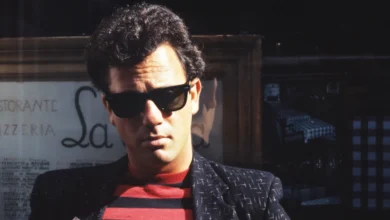
Billy Joel’s "Pressure": A Deep Dive into a Song Born from Writer’s Block and Accidental Genius

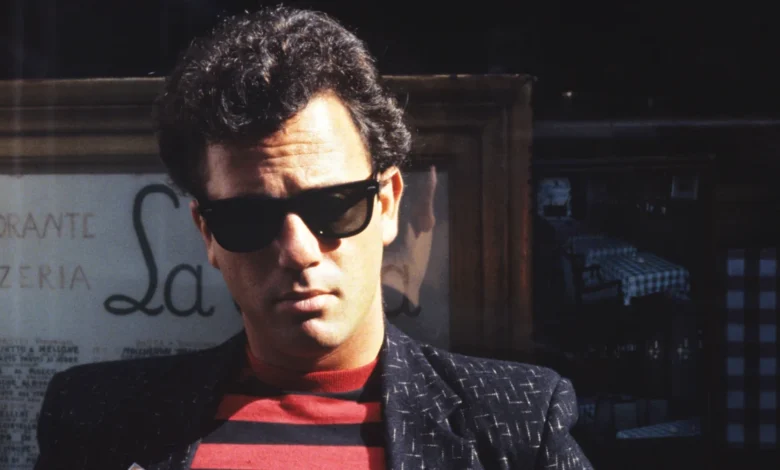
Billy Joel, a figure synonymous with masterful songwriting and piano-driven melodies, cemented his iconic status early in his career with the enduring 1973 hit "Piano Man." His dominance throughout the 1970s was a testament to his profound musical talent, both lyrically and technically, with the acoustic piano serving as the cornerstone of his extensive recorded and live repertoire. However, after a prolific output across seven studio albums, Joel found himself grappling with a formidable challenge by the early 1980s: severe writer’s block. This creative drought, while understandable given his considerable output, marked a significant turning point, leading to the unexpected genesis of one of his most compelling and analytically rich tracks, "Pressure."
The Genesis of "Pressure": Battling the Blank Page
By the early 1980s, Billy Joel, a musician known for his consistent output, faced a creative impasse. The pressure to follow up his successful 1970s albums was immense, but the wellspring of ideas seemed to have run dry. This internal struggle, rather than external industry demands, became the catalyst for a new song. Joel himself reflected on this period in an interview with MTV’s Night School, explaining, "The pressure I was writing about in this song wasn’t necessarily music business pressure, it was writing pressure. At the time, I was saying, ‘Well, I gotta write some more stuff for the album’; I was about halfway through, and I said, ‘Well, what am I gonna do? I don’t have any ideas, it’s gone, it’s dead, I have nothing, nothing, nothing. There’s nothing.’"
It was a seemingly casual observation from his secretary that inadvertently broke the creative dam. She noticed his distress and remarked, "Wow, you look like you’re under a lot of pressure. I bet you that’d be a good idea for a song." This simple, almost throwaway comment, sparked an idea that would transform his creative block into a celebrated track. The irony was profound: the very feeling of being under pressure to create was what ultimately unlocked his ability to write again.
"The Nylon Curtain" and Evolving Soundscapes
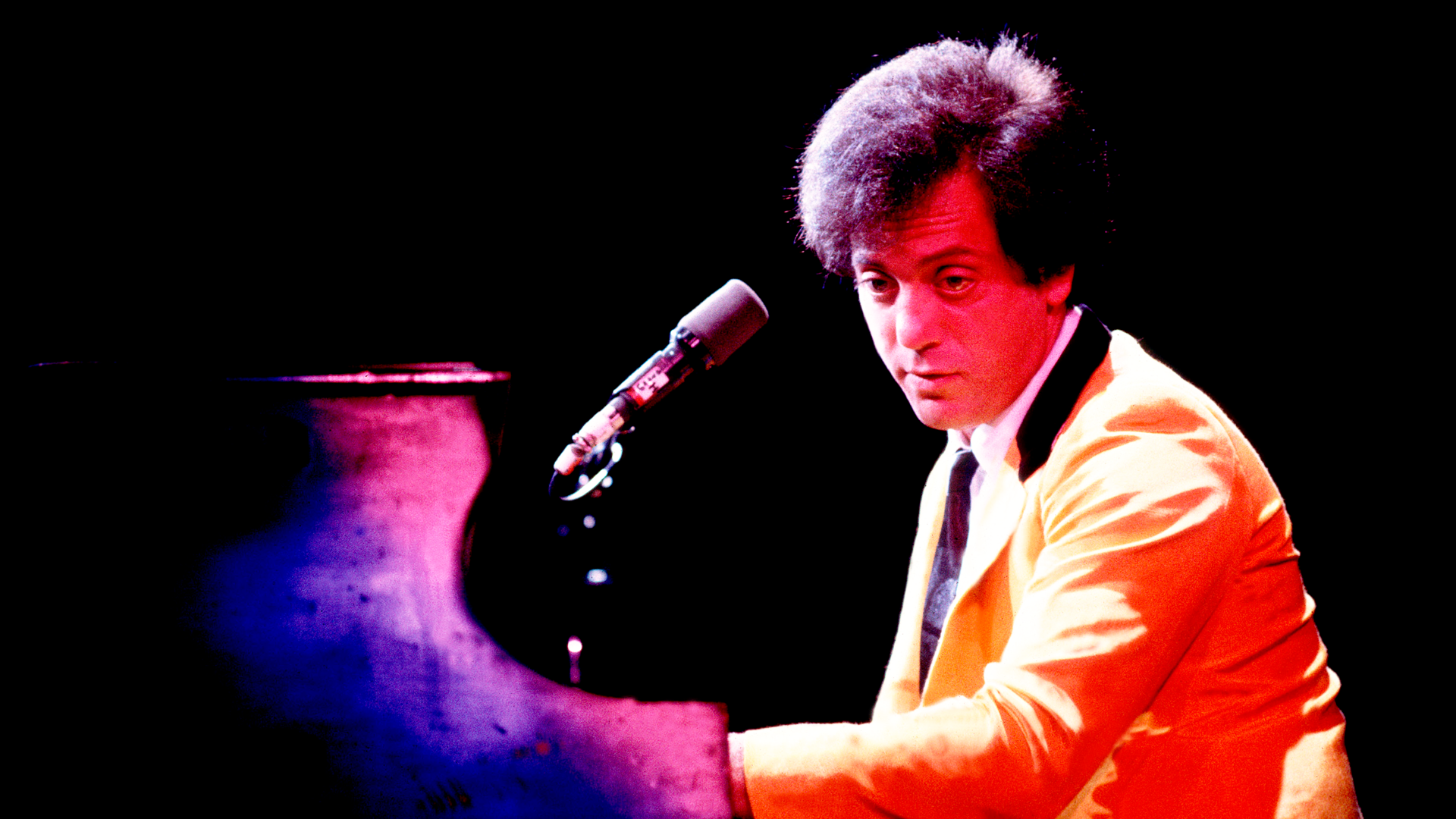
The song "Pressure" was ultimately featured on Joel’s eighth studio album, "The Nylon Curtain," released in 1982. This album marked a departure in several ways, not only in its lyrical themes, which often delved into more complex and harder-hitting narratives, as exemplified by the track "Allentown," but also in its embrace of emerging production technologies. While the piano remained a central instrument, it was increasingly complemented and sometimes supplanted by electronic keyboards. Joel, who had previously utilized instruments like the Minimoog and Rhodes electric piano, found himself at the cusp of a new sonic era.
"The Nylon Curtain" was one of the first albums to extensively incorporate the Emulator, an early sampler that allowed musicians to incorporate pre-recorded sounds into their compositions. This innovation opened up new avenues for sonic experimentation. The track "Allentown," for instance, famously employed industrial sounds for its percussive elements. Producer Phil Ramone, a seasoned collaborator with Joel, encouraged this experimental spirit, leading to groundbreaking techniques such as sampling Joel’s own voice. This resulted in the slightly unsettling, synthesized vocal interlude that characterizes the latter part of "Pressure." The song also showcases a rich layering of synth brass textures alongside the piano, forging the iconic hook that defines the track.
Deconstructing "Pressure": A Masterclass in Musical Structure and Innovation
"Pressure" is a fascinating study in musical composition, blending traditional piano prowess with cutting-edge studio techniques of the early 1980s. The song’s structure and harmonic language reveal a deliberate artistry that belies its spontaneous genesis.
Harmonic Duality: Major and Minor Interplay
A key characteristic of "Pressure" is its dynamic shift between major and minor tonalities. The introduction and verse sections are firmly rooted in D major, establishing a familiar and accessible foundation. However, the chorus dramatically pivots to D minor, creating an immediate emotional contrast and underscoring the song’s thematic tension. This intentional juxtaposition of keys is a powerful tool, drawing the listener into the song’s narrative of internal conflict and external strain.
The Iconic Riff: A Tonic Pedal Masterpiece
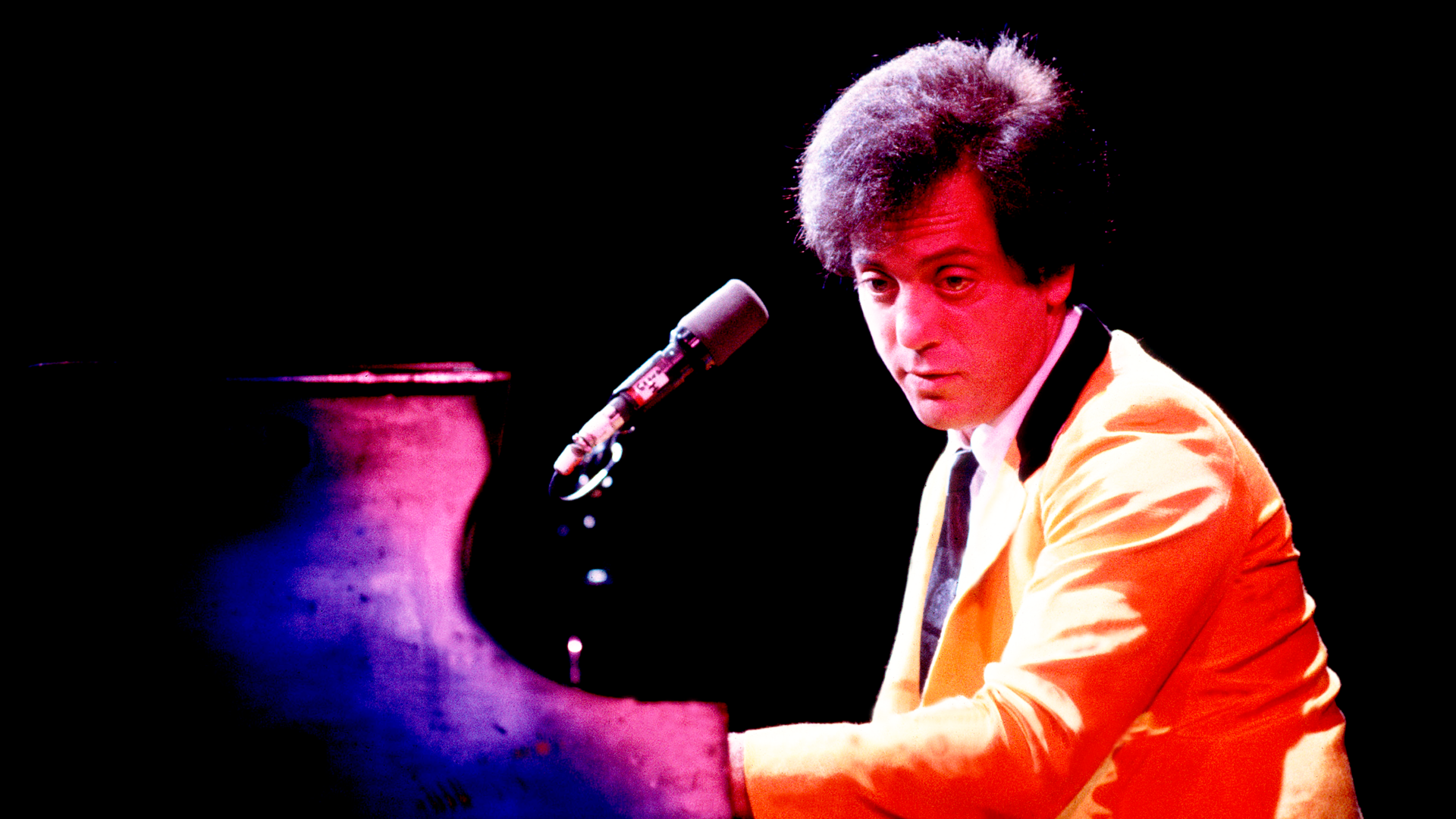
The signature synth brass and piano riff, which serves as both a prelude to the verses and a central element of the chorus, is a prime example of Joel’s sophisticated songwriting. It is built upon a classic musical device known as a tonic pedal, where the bass note remains constant – in this case, the note D. Over this unmoving foundation, the synth brass and piano engage in a complex interplay, moving in thirds. This intricate melodic and harmonic movement would not be out of place in the works of Baroque masters like Vivaldi, demonstrating Joel’s ability to weave classical sensibilities into contemporary pop.
The harmonic progression within the riff itself is noteworthy for its relatively quick changes. It typically follows a pattern of:
- Dm for 2 beats
- C#dim/D for 4 beats
- Dm for 2 beats
However, Joel cleverly avoids exact repetition, introducing variations that add depth and prevent predictability. The subsequent iteration features a slightly altered sequence:
- Bmb5/D for 2 beats
- Gm/D for 2 beats
- A7/D for 2 beats
- Dm for 2 beats
It’s important to note that these are simplified representations. The highly melodic nature of the riff, played in thirds, incorporates passing notes and resolving chords that don’t always adhere strictly to a rigid 2-beat-per-chord structure. A direct transcription of this section would reveal a more nuanced and complex harmonic tapestry, a testament to Joel’s improvisational genius within a structured framework.
The Verse: A Return to D Major and Rhythmic Stabs
In contrast to the minor-key tension of the chorus, the verse sections of "Pressure" are anchored in the warmth of D major. The song opens with a Gsus2 chord held for two bars, before transitioning to D major. A distinctive feature of the verse is the use of sharp, interrupting chord stabs on C/D and D, precisely timed with Joel’s emphatic pronunciation of "Presh-arr." This rhythmic punctuation adds a sense of urgency and accentuates the lyrical theme.
Following a repeat of this sequence, the song embarks on a journey towards the chorus, with chords changing at an accelerated pace. The progression here builds momentum:
- Gm for one bar
- C and A for two beats each
- Dm for two bars
The build-up culminates with a sequence of Bb, F, and G7, each held for one bar, before concluding with Asus(4) and A, each for two beats, leading directly into the chorus. This carefully constructed harmonic movement creates a palpable sense of anticipation and release.
The Halftime Feel and Rhythmic Crescendo
A significant element contributing to the song’s unique character is its pervasive halftime feel. This rhythmic approach is largely dictated by the drummer, who places the snare drum on the third beat of the measure, deviating from the more common placement on beats two and four. This subtle shift in rhythmic emphasis imbues the song with a driving, yet somewhat laid-back, quality.
However, in a masterful stroke of arrangement, the drumming shifts to a conventional time signature as the song progresses towards the chorus. The snare drum’s return to beats two and four acts as a powerful tempo-based crescendo, mirroring the escalating intensity of the song’s theme and lyrics. This dynamic rhythmic shift amplifies the song’s emotional arc, creating a sense of gathering momentum and release.
Innovative Vocal Sampling and the "Happy Accident"
The introduction of sampled vocals on "Pressure" was a pioneering move for its time and added a distinctive, almost unsettling, layer to the song. Joel’s own voice, processed and manipulated, takes on a new persona, mirroring the synthesized brass riff but this time set against the verse chords.
Joel elaborated on this process in Phil Ramone’s book, "Making Records: The Scenes Behind The Music." He described how he recorded every note in his repertoire and then fed this into an Emulator. The resulting sound, combined with his vocalizations, created a unique effect. He recalled singing notes and then overdubbing his exclamation, "PRESH-AR!" with a commanding inflection reminiscent of a Royal Air Force captain issuing an order. This treated vocal, with its slightly out-of-tune quality (potentially due to analog recording limitations or intentional editing), contributes significantly to the song’s unsettled atmosphere, perfectly complementing the intense subject matter.
Perhaps the most dramatic and serendipitous moment in the creation of "Pressure" occurred during the final mixing stages. In a surge of inspiration, while experimenting with different vocalizations of the word "pressure," Joel impulsively struck all the buttons on the tape machine during the playback of the master tape. This action, intended to create a dramatic effect, resulted in the accidental erasure of all tracks except for the vocalizations.
Ramone’s initial reaction was one of shock: "’God! What did you do? You erased part of the song!’" he exclaimed. However, the unintended consequence was precisely what the track needed. For a brief segment, all the instrumentation cut out, leaving only Joel’s voice shouting "Presh-aaarrrrr!" This sudden, stark silence, followed by the isolated vocal, created a moment of intense vulnerability and dramatic impact that perfectly encapsulated the song’s theme. Both Joel and Ramone eventually recognized the brilliance of this "happy accident," a testament to the unpredictable nature of the creative process.
Wider Impact and Enduring Legacy
The inclusion of "Pressure" in the second season premiere of the popular superhero drama "The Boys" in 2020 introduced the song to a new generation of listeners. This placement brought renewed attention to a track that, while a staple for dedicated Billy Joel fans, might have been overlooked by a broader audience. The song’s use in the show underscored its thematic resonance and its ability to evoke a sense of intense emotional and psychological strain, making it a fitting soundtrack for dramatic narratives.
"Pressure" stands as a compelling example of how creative challenges can forge artistic triumphs. Born from writer’s block and shaped by technological innovation and serendipitous studio accidents, the song is a testament to Billy Joel’s enduring talent and his willingness to experiment. It showcases not only his mastery of the piano and songwriting craft but also his keen understanding of production and his ability to harness unexpected moments to create something truly impactful. The track’s enduring appeal lies in its intricate musicality, its relatable thematic core, and the fascinating story of its creation – a story that proves that sometimes, the greatest inspiration can be found in the very act of battling against it.
Related posts: