Drake Returns to the MTV Video Music Awards Spotlight with Nominations for ICEMAN and Janice STFU

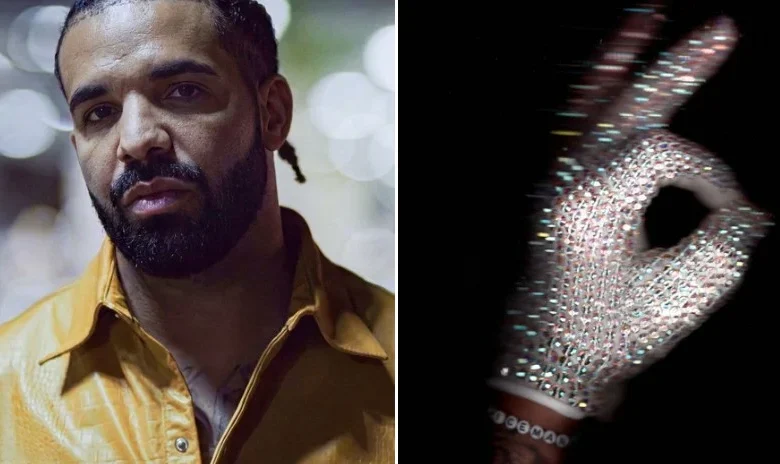
The intersection of streaming dominance and award show recognition once again places Drake at the center of the pop culture conversation, as the multi-platinum recording artist secures two major nominations for the upcoming MTV Video Music Awards. Broadcast live from the Peacock Theater in Los Angeles, the ceremony—hosted by West Coast hip-hop icon Snoop Dogg—brings together some of the most influential names in contemporary music. Drake’s dual nominations, featuring his acclaimed full-length project ICEMAN for Best Album and the chart-topping single Janice STFU for Best Hip-Hop, highlight a career defined by longevity, shifting musical landscapes, and a persistent ability to capture public attention long after release week has passed.
The stakes for this year’s ceremony are elevated by the competitive nature of the categories and the evolving methods by which winners are determined. For Drake, these nominations serve as both a validation of his recent creative output and a fresh opportunity to add to a surprisingly modest collection of Moonperson trophies accumulated over a career spanning well over a decade.
The Main Facts: Categories, Competitors, and the Los Angeles Ceremony
The 2026 MTV Video Music Awards at the Peacock Theater have drawn intense industry scrutiny, largely due to the star-studded lineups in categories that bridge pop, hip-hop, and album artistry. Drake’s nomination for Best Album places ICEMAN in direct competition with a formidable roster of global superstars, including Madonna, Taylor Swift, Sabrina Carpenter, Olivia Rodrigo, and Bruno Mars. This category represents a diverse cross-section of the music industry, uniting artists who command exceptionally dedicated fan bases and historic streaming numbers.
Adding to the competitive atmosphere, the Best Album race utilizes an interactive voting mechanism hosted on MTV’s Instagram Stories. This approach transforms a traditional critical or academy-voted category into a real-time popularity contest, directly engaging the digital communities that drive modern music consumption. For Drake, a victory in this category would cement ICEMAN’s cultural footprint, giving the project a prominent moment in front of an audience deeply familiar with its hooks and thematic resonance, even if casual listeners do not track every movement on weekly consumption charts.
Simultaneously, Drake’s presence in the Best Hip-Hop category with the track Janice STFU underscores his enduring dominance within the genre. The field features a powerful collection of peers and contemporary hitmakers, including Cardi B alongside Kehlani, Don Toliver, Megan Thee Stallion, Travis Scott, and Tyler, the Creator. This lineup functions as a clear snapshot of the current state of rap music: a genre defined by established veterans, distinct regional and stylistic sounds, and fiercely loyal listeners eager to advocate for their preferred artists.
Chronology of a Legacy: Drake at the MTV Video Music Awards
To understand the significance of Drake’s current nominations, industry analysts often look back at his historical relationship with the MTV Video Music Awards. Despite being one of the most commercially successful recording artists of the 21st century, Drake’s actual win count at the VMAs has historically lagged behind his chart achievements.
His first major VMA victory arrived in 2012, when he secured an award for HYFR, a collaboration with hip-hop heavyweight Lil Wayne. Four years later, in 2016, Drake achieved his most dominant VMA showing to date, winning two awards for the cultural phenomenon Hotline Bling. Across a career that has yielded dozens of Billboard records, multi-platinum albums, and billions of streams, holding just three Moonperson trophies on his shelf stands in stark contrast to his ubiquitous presence in global pop culture.
The release and subsequent dominance of the ICEMAN era, punctuated by the viral and streaming success of Janice STFU, arrive at a pivotal moment in this timeline. The track’s journey to the top of the charts demonstrated the unique mechanics of modern music consumption. Earlier in the release cycle, Genius officially reported that Janice STFU had climbed to the number one position on the US Apple Music charts in a display of self-competition, dethroning Drake’s own track Ran To Atlanta. Such milestones emphasize the sheer volume of material the artist generates and the ability of his catalog to dominate consumer attention spans simultaneously.
Supporting Data: Commercial Performance and Industry Metrics
The commercial metrics underpinning Drake’s 2026 VMA nominations reveal an artist operating at a sustained peak of consumer engagement. While award show voters and academy members historically weigh critical acclaim, visual artistry, and cultural impact, streaming data provides the foundational proof of an album’s reach.
ICEMAN was designed to transcend the traditional seven-day release cycle window that dictates modern album marketing. Rather than relying solely on first-week numbers, the project maintained consistent chart positioning through a combination of strategic single releases, high-profile features, and organic social media amplification. Janice STFU, in particular, became an immediate streaming powerhouse, anchoring the album’s rollout and driving listeners back to the full-length project.
The competitive landscape of the Best Hip-Hop category further contextualizes these metrics. Artists like Travis Scott and Tyler, the Creator continue to push conceptual boundaries in their visual media, while Megan Thee Stallion and Cardi B maintain rigorous touring and chart schedules. Within this elite tier, Drake’s ability to swap positions at the top of streaming charts—such as the aforementioned instance where Janice STFU replaced Ran To Atlanta at number one—illustrates a level of market saturation few contemporaries can replicate. The real-time voting format of categories like Best Album heavily favors fan bases capable of mobilizing digital infrastructure within seconds, a demographic in which Drake historically maintains an advantage.
Broader Impact and Industry Implications
The implications of the 2026 MTV Video Music Awards extend beyond individual trophies, offering a window into how major networks and award ceremonies are adapting to shifting media consumption habits. By integrating Instagram Stories voting into major categories like Best Album, MTV acknowledges that modern fandom operates primarily in digital, decentralized spaces rather than traditional living room viewing environments.
For Drake, securing nominations for both a comprehensive body of work (ICEMAN) and a localized viral hit (Janice STFU) bridges the gap between album-oriented artistry and single-driven streaming culture. In an era where many critics argue that the traditional album format is losing ground to curated playlists and standalone tracks, an artist competing simultaneously for Best Album and Best Hip-Hop demonstrates the viability of executing both strategies successfully.
Furthermore, the backdrop of Snoop Dogg hosting at the Peacock Theater in Los Angeles adds a layer of West Coast hip-hop heritage to an event celebrating global pop culture. As the ceremony unfolds, the industry will be watching to see whether fan-driven digital voting mechanisms will correct what many supporters view as a historical under-representation of Drake’s visual and recorded work on the VMA stage. With two distinct opportunities to add to his tally, tonight represents not just a celebration of current chart successes, but a potential recalibration of his awards pedigree for an era defined by continuous streaming dominance.