Erdrutschsieg der Linken in Serbien: EXIT Festival und Clubs feiern Raveland

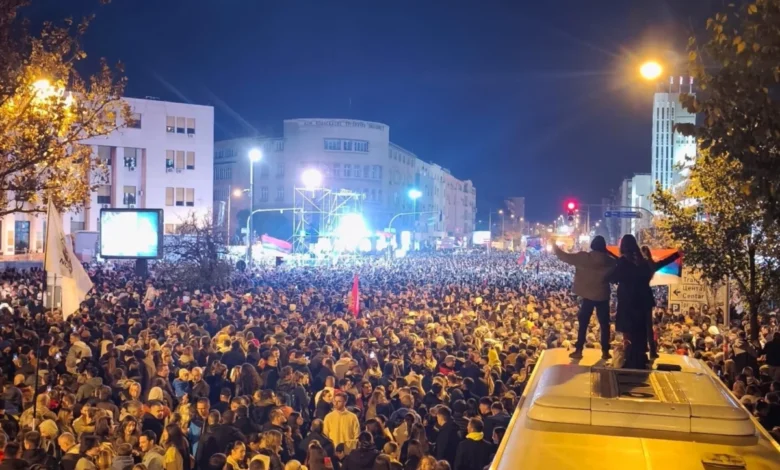
The political landscape of Serbia has undergone a seismic shift following the results of the national parliamentary elections this past weekend. In a historic turn of events that has reverberated far beyond the halls of parliament, the opposition alliance—led by a coalition of student-driven movements—secured an absolute majority, effectively ending the long-standing tenure of the right-wing nationalist Serbian Progressive Party (SNS). As the results were finalized, major urban centers including Belgrade and Novi Sad transformed into spontaneous hubs of celebration, with the country’s vibrant nightlife and electronic music scene at the forefront of the festivities.
The Catalyst: From Tragedy to Political Awakening
The origins of this political metamorphosis can be traced back to November 2024, a month marked by profound national grief. A catastrophic structural failure at the railway station in Novi Sad resulted in significant loss of life, sparking a nationwide outcry that transcended mere political discourse. The collapse, which was widely perceived by the public as a direct consequence of systemic negligence and deep-seated corruption within infrastructure management, served as the breaking point for a population long weary of political stagnation.
Following the tragedy, a wave of civil disobedience began to build. What started as local vigils and demands for accountability evolved into a cohesive, youth-led resistance movement. Students, who had previously been characterized as politically disengaged, occupied the epicenter of the protests, successfully bridging the gap between academic activism and broader societal frustration. Over the subsequent months, this movement gained momentum, drawing in diverse demographics and eventually coalescing into the political force that would secure victory in the national polls.
The Role of the Cultural Sector
Crucially, the political shift was not confined to traditional protest squares. The Serbian cultural sector—specifically the electronic music and club scene—played an instrumental role in sustaining the morale and visibility of the opposition. Institutions such as the internationally acclaimed EXIT Festival, as well as iconic Belgrade nightlife pillars like Drugstore and the Karmakoma collective, aligned themselves with the student-led movement.
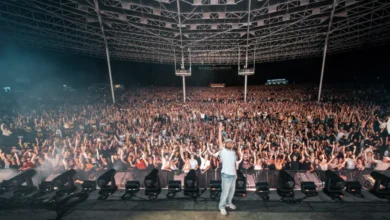
Throughout the months of uncertainty, these venues provided more than just space for entertainment; they became conduits for civic engagement. By hosting debates, offering platforms for activists, and utilizing their social media reach to challenge the narratives pushed by the state-controlled media, these cultural actors became vital components of the opposition’s outreach strategy. When the election results confirmed the victory, the sense of liberation was palpable. In the early hours following the vote, the streets of Belgrade were repurposed as an open-air dancefloor, with the club Drugstore famously documenting the scenes as "Raveland," signaling a shift in the nation’s cultural identity from one of suppression to one of reclaiming public space.
Chronology of the Movement
- November 2024: A tragic railway station roof collapse in Novi Sad triggers nationwide mourning and public anger, highlighting systemic corruption.
- December 2024 – February 2025: The "Student-Led Resistance" emerges, organizing consistent peaceful protests and sit-ins across major cities.
- Spring 2025: The cultural sector formally integrates into the protest movement, with major clubs and festivals providing logistics and communication support.
- Summer 2025: Political pressure mounts on the SNS government as independent media outlets and grassroots organizers coordinate a unified strategy for the upcoming elections.
- October 2026 (Election Weekend): The student-backed opposition alliance achieves an unexpected absolute majority, signaling a formal end to years of nationalist dominance.
Analytical Perspectives: What the Shift Means for Serbia
Political analysts point to the "Raveland" phenomenon as a case study in modern political mobilization. By moving beyond traditional party politics and incorporating the aesthetic and communal values of the youth and creative sectors, the opposition succeeded in activating a demographic that had historically abstained from the electoral process.
The economic implications of this victory are also significant. The creative industry in Serbia, which contributes significantly to the national GDP through tourism and event-based economics, has long struggled under the weight of bureaucratic obstacles and state-imposed restrictions. The incoming administration has signaled a pivot toward "Freedom is back," a slogan that reflects a desire to deregulate the cultural sector and foster a more open environment for artistic expression. This is expected to stimulate the local economy by encouraging international investment in the arts and improving the environment for local entrepreneurs.
Institutional Reactions and Future Outlook
While the celebrations continue, the reality of governance awaits the new coalition. The SNS, which has maintained a tight grip on state institutions for years, now faces a transition period that is expected to be complex. International observers have noted that the stability of this transition will depend on the new government’s ability to maintain the support of the diverse coalition that elected them.
From a cultural standpoint, the expectations are high. The organizers of the EXIT Festival and various independent collectives have already issued statements calling for a formal revision of the laws governing public gatherings and funding for cultural initiatives. "For years, we were treated as a nuisance or a threat to be managed," said one anonymous club organizer in a recent press statement. "Now, we are finally being treated as partners in the development of a modern, European Serbia."
Data and Socio-Political Context
The election results represent a statistically significant deviation from recent polling trends, which had consistently favored the status quo. Data suggests that voter turnout among the 18–30 demographic reached an all-time high, driven by the digital-first campaign strategies employed by the student organizations. This surge in participation effectively neutralized the traditional voter base of the incumbent party, which had relied on older, more rural demographics.
Moreover, the influence of social media cannot be overstated. By bypassing state-controlled television and print media, the opposition utilized decentralized digital networks to spread information, organize protests, and ultimately mobilize voters on election day. This shift in media consumption habits represents a permanent change in how political power is contested in the region.
The Road Ahead: Balancing Reform and Stability
As the dust settles, the focus turns to the immediate legislative agenda. The promise of "real freedom" for the creative sector is balanced against the necessity of addressing the underlying systemic issues that led to the 2024 tragedy. Public health, infrastructure modernization, and the restoration of judicial independence are expected to be the primary pillars of the new administration’s platform.
The victory of the student-led movement in Serbia serves as a reminder of the power of grassroots mobilization. It underscores that when a cultural movement aligns itself with the tangible grievances of the populace, it can effectuate change that traditional political actors might fail to achieve. Whether this "Raveland" spirit can be sustained during the arduous process of government administration remains to be seen, but for now, the mood in Belgrade and beyond is one of cautious optimism. The path forward will undoubtedly be marked by the challenges of governance, but the electorate has clearly signaled that the status quo is no longer acceptable. The integration of the arts, student activism, and a renewed commitment to democratic principles suggests a new chapter for Serbia—one that seeks to harmonize its rich cultural history with a forward-looking, European trajectory.
Related posts: