A Sonic Evolution in the Stockholm Scene
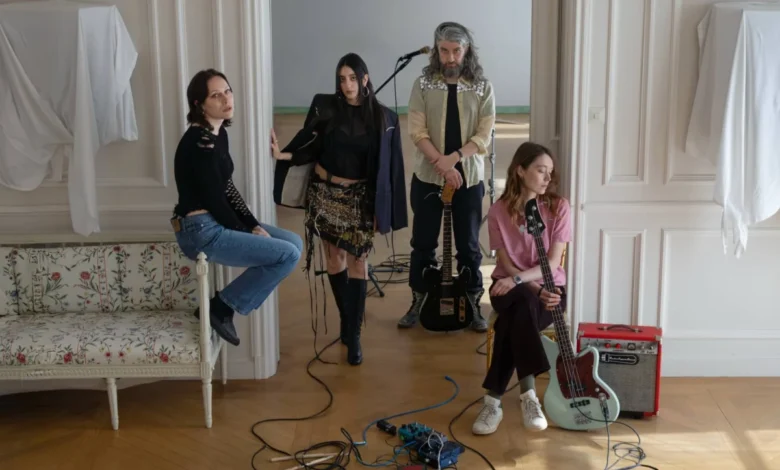
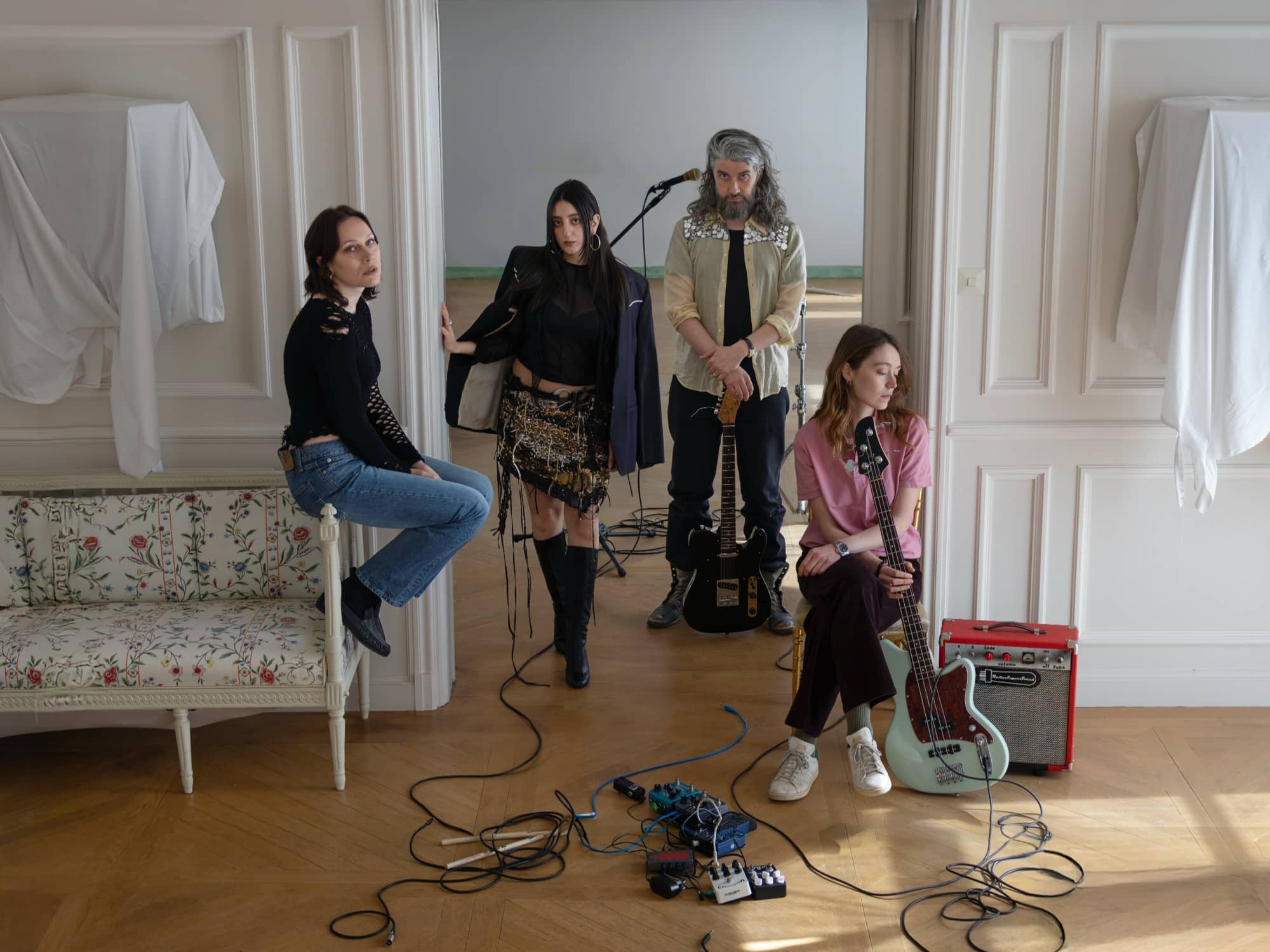
The Swedish music scene has long been a global powerhouse, consistently producing high-caliber indie acts that balance melodic sensibility with experimental production. Gone Future’s emergence within this ecosystem represents the latest iteration of the Nordic alternative sound. While their first release, Nightcap, established a baseline of swaggering, guitar-driven psych-rock, Something Else demonstrates a calculated departure. By integrating prominent synthesizer arrangements, the band aligns itself with a broader trend in modern indie-rock: the hybridization of retro-psychedelia and contemporary electronic textures.
This transition is not merely stylistic but thematic. The quartet has opted to explore the psychological toll of hyper-modernity, focusing on the intersection of technological burnout and emotional desensitization. In an era where digital saturation and the rapid turnover of cultural trends have become common points of critique, Gone Future’s latest work serves as a sonic mirror to the listener’s own potential fatigue.
Thematic Depth and Cultural Context
The band’s decision to center their narrative on the concept of post-pandemic existentialism provides a window into the current mindset of the European youth demographic. The lyrics, according to the band, function as a post-mortem of a frantic lifestyle. They characterize the track as an exploration of the "bottomless feeling of under-stimulation," despite the inherent chaos of modern urban life.
This sentiment of "under-stimulation amidst over-consumption" is supported by recent sociological studies on digital burnout. Analysts have noted that the rapid cycling of social media content and the pressure to maintain constant productivity have led to a paradoxical state of boredom paired with anxiety. Gone Future captures this tension by juxtaposing high-energy instrumentation with lyrical content that grapples with the cycle of earning and spending, the fragility of social circles, and the emotional volatility that accompanies extreme highs and lows.
The band’s internal commentary highlights a specific disillusionment: “It’s about a life constantly evolving, speeding. Making money, spending it. Making friends, and losing them. Loving so much it just turns to hate. All the while reassuring yourself, ‘I’m alright, I’m comforted.’” This narrative arc is indicative of a broader shift in indie music, where artists are increasingly prioritizing psychological vulnerability over the aloofness that characterized much of the 2010s indie landscape.
Chronology of an Emerging Act
Gone Future’s rise has been marked by a series of deliberate, high-impact moves within the Stockholm and international music circuits. Their trajectory, while brief, is illustrative of the modern path to visibility for independent artists:
- Early 2024: The band officially forms, bringing together a quartet of musicians with deep ties to the Stockholm independent circuit.
- Mid-2024: The group makes their live debut in Stockholm, quickly gaining traction within the city’s tight-knit music community.
- Summer 2024: The band secures a strategic support slot for label mates Clutter, providing them with necessary exposure to an established audience base.
- Autumn 2024: The release of their debut single, Nightcap, establishes their credentials as a psych-rock act with crossover potential.
- October 2024: The release of their second single, Something Else, marks a pivot to a more complex, synth-integrated sound.
- October 20, 2024: The band is scheduled to perform their first-ever UK show at The Social in London, marking their international expansion.
PNKSLM Recordings: A Tastemaker’s Influence
The role of PNKSLM Recordings in the promotion of Gone Future cannot be understated. As a Stockholm-based label, PNKSLM has built a reputation for cultivating artists that exist on the fringes of traditional rock and pop. By positioning Gone Future alongside acts like 7ebra and Sibille Attar, the label is effectively building a "community of interest" that allows newer bands to leverage the existing fanbases of their peers.
This "label takeover" model, which will be put into practice at The Social in London, is a proven method for introducing international artists to the competitive UK market. By packaging multiple artists together, the label reduces the logistical risks associated with international touring while maximizing the "event" status of the performance. For the London audience, this provides a curated look at the current state of Swedish indie music, rather than a singular, isolated performance.
Analysis: The Implications for Modern Indie-Rock
The shift displayed in Something Else suggests that Gone Future is not content with being pigeonholed as a genre-specific psych-rock act. Their incorporation of synths suggests a desire for broader appeal, potentially reaching audiences that prioritize production value and atmosphere over the raw, guitar-heavy aesthetics of the past decade.
Furthermore, the band’s focus on themes of burnout serves as a barometer for the industry at large. As live music returns to full capacity post-pandemic, artists are increasingly documenting the transition from isolation to the hyper-active, often overwhelming nature of the current gig economy. By articulating this "post-pandemic ash" feeling, Gone Future connects with a global audience currently grappling with the same transitionary period.
The upcoming London show will serve as a critical test for the group. The UK indie scene is historically discerning, often placing a high premium on live authenticity. Should the band successfully translate the nuanced production of their recorded work into a compelling live performance, they will likely solidify their position as one of the most promising exports from the Scandinavian region.
Future Outlook and Industry Impact
Looking ahead, the success of Gone Future will likely depend on their ability to maintain this momentum without sacrificing the critical acclaim they have garnered for their songwriting. The integration of more electronic elements into their live set will be a key differentiator in the coming months. If they can continue to bridge the gap between introspective, heavy-hitting lyrical themes and accessible, synth-forward arrangements, they are well-positioned to become a staple of the European festival circuit.
From a market perspective, the band represents a low-risk, high-reward investment for labels like PNKSLM. With production costs for indie projects remaining relatively stable and the demand for high-quality, authentic indie music remaining strong in urban centers like London, Berlin, and Paris, Gone Future has a clear path to sustainable growth.
As the band prepares for their October 20th showcase, the focus will remain on whether they can maintain the "bracing" energy that critics have identified in their latest work. Their trajectory thus far—from local Stockholm debutants to international prospects—suggests a band that is not only talented but also highly strategic in their career development. The coming weeks will determine whether they can successfully translate the existential anxiety of Something Else into a resonant, long-term connection with their international audience.
In summary, Gone Future stands at a pivotal juncture. By evolving their sound and expanding their reach to the UK, they are signaling a professional maturity that belies their short existence. Whether or not they succeed in capturing the zeitgeist remains to be seen, but their commitment to exploring the darker, more complex facets of the modern human experience ensures that they will remain a subject of interest for those tracking the evolution of independent rock. Their presence at The Social in London is more than just a debut; it is a declaration of intent for a band that clearly aims to be a significant player in the years to come.