Kim Dracula Signs With Rise Records, Unveils Ambitious New Single "Molecular Conversion"

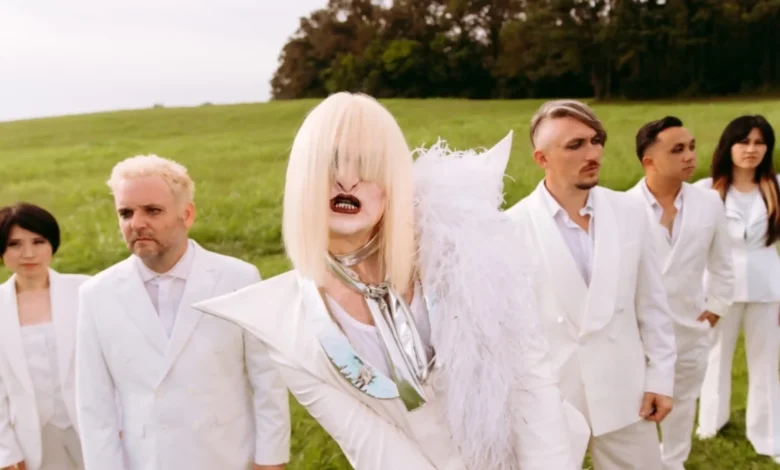
The landscape of alternative music has been irrevocably altered with the official announcement of Kim Dracula’s signing to the esteemed Rise Records roster. This landmark event is further amplified by the simultaneous release of their latest single, "Molecular Conversion," a track that serves as a powerful testament to the artist’s audacious musical vision and genre-defying artistry. The signing marks a significant new chapter for Kim Dracula, signaling a bolstered platform for their increasingly influential presence in the digital and physical music spheres.
A Symphony of Sound: Deconstructing "Molecular Conversion"
"Molecular Conversion" is not merely a song; it is an immersive sonic journey, a meticulously crafted piece that defies conventional categorization. The track masterfully navigates a complex tapestry of tempos and tensions, seamlessly blending disparate sounds and atmospheric statics. Listeners are treated to an exhilarating sonic adventure that incorporates a powerful choral arrangement, an unexpected yet masterful jazz interlude, a soaring, anthemic chorus, and a beautifully executed crescendo, all culminating in a visceral metalcore breakdown. The result is a composition that is simultaneously everything and nothing familiar, a daring and brash exploration of alternative music that boldly disregards established norms and structures.
This multi-faceted approach to songwriting underscores Kim Dracula’s commitment to pushing artistic boundaries. The track’s construction suggests a deliberate effort to challenge listener expectations, offering a rich and varied auditory experience within a single piece. The ebb and flow of "Molecular Conversion" create a dynamic listening experience, keeping the audience engaged and surprised at every turn. The integration of such diverse musical elements – from the ethereal qualities of a choir to the raw aggression of a breakdown – highlights Kim Dracula’s unique ability to synthesize seemingly contradictory styles into a cohesive and compelling whole.
The Artist’s Perspective: A New Era Dawns
In a concise yet impactful statement, Kim Dracula articulated the significance of this moment: "Finally, you will get to see the next chapter. New song. New label. New story." This declaration encapsulates the excitement and anticipation surrounding this new phase. The "new song" refers to the groundbreaking "Molecular Conversion," the "new label" is the aforementioned Rise Records, and the "new story" points towards an evolving artistic narrative and expanded reach. This statement, while brief, carries considerable weight, indicating a deliberate and strategic progression in Kim Dracula’s career.
The signing to Rise Records, a label with a proven track record of nurturing and promoting artists within the rock and metal genres, suggests a significant investment in Kim Dracula’s future. Rise Records has been instrumental in the careers of numerous prominent artists, and their partnership with Kim Dracula indicates a mutual belief in the artist’s potential for widespread success and critical acclaim. This alliance is poised to provide Kim Dracula with enhanced resources, distribution channels, and promotional support, enabling them to reach a broader audience than ever before.
A Precedent of Innovation: The Evolution of Kim Dracula’s Sound
The release of "Molecular Conversion" follows a series of impactful independent releases, notably the stand-alone track "In Threes" from the previous year. While "In Threes" also showcased Kim Dracula’s distinctive blend of aggressive and melodic elements, "Molecular Conversion" represents a clear escalation in complexity and ambition. The comparison between the two tracks reveals a discernible evolution in the artist’s sonic palette and production techniques.
"In Threes," released in 2023, garnered significant attention for its raw energy and unconventional structure, hinting at the artistic direction Kim Dracula would continue to explore. It featured a potent mix of heavy guitar riffs, intricate vocal deliveries, and an underlying sense of experimentalism that resonated with a growing fanbase. The track’s reception indicated a strong appetite for music that deviates from the mainstream, a niche that Kim Dracula has consistently occupied and excelled within. "Molecular Conversion," however, takes this experimentation to a new level, demonstrating a more refined and expansive approach to song construction. The inclusion of orchestral elements, jazz motifs, and a greater dynamic range suggests a maturation of Kim Dracula’s craft, moving beyond mere genre-bending to a more sophisticated synthesis of diverse musical disciplines.
Rise Records: A Foundation for Growth
Rise Records, founded in 2001, has established itself as a formidable force in the independent music scene, particularly within the hard rock and metal subgenres. The label is renowned for its commitment to artist development and its ability to cultivate a loyal fanbase for its roster. Over the years, Rise Records has been home to a diverse array of influential acts, including The Devil Wears Prada, Dance Gavin Dance, and Neck Deep, among many others. This history of success provides a strong foundation for Kim Dracula’s integration into the label’s ecosystem.

The label’s strategic approach often involves identifying artists with unique creative visions and providing them with the necessary support to thrive. Kim Dracula’s signing aligns perfectly with this ethos, as the artist’s distinct sound and innovative approach have already garnered a significant following. The partnership is expected to leverage Rise Records’ extensive network and industry expertise to amplify Kim Dracula’s reach, facilitating wider distribution, enhanced marketing campaigns, and increased touring opportunities. This collaboration signifies a pivotal moment for both the artist and the label, promising to yield significant impact within the contemporary music landscape.
Data and Digital Dominance: Kim Dracula’s Online Footprint
Kim Dracula’s rise has been significantly fueled by their adept navigation of digital platforms. Prior to this major label signing, the artist had cultivated a substantial online presence, amassing millions of streams across platforms like Spotify, Apple Music, and YouTube. Their social media channels have become vital hubs for fan engagement, with a consistent stream of content that includes music releases, behind-the-scenes glimpses, and direct interaction with their audience.
For instance, prior to the "Molecular Conversion" announcement, their YouTube channel had already amassed hundreds of thousands of subscribers, with individual music videos garnering millions of views. This organic growth demonstrates a powerful connection with their fanbase, a testament to the compelling nature of their music and their authentic engagement with the digital community. The successful independent promotion of tracks like "In Threes" further solidifies this digital prowess, proving their ability to generate significant traction and build momentum without major label backing. The signing to Rise Records is expected to further capitalize on this existing digital infrastructure, amplifying their reach and potentially leading to exponential growth in their streaming numbers and social media engagement.
Industry Reactions and Future Implications
The news of Kim Dracula’s signing to Rise Records has been met with considerable excitement within the music industry. While specific official statements from other artists or industry figures have not yet been widely disseminated, the consensus within online music communities and forums suggests a strong positive reception. Many see this as a validation of Kim Dracula’s unique artistic merit and a significant step forward for artists who embrace experimental and genre-bending approaches.
The implications of this signing are multifaceted. For Rise Records, it represents an opportunity to further diversify their roster and tap into a rapidly growing and engaged fanbase. Kim Dracula’s unconventional sound and digital savvy make them a compelling prospect for a label looking to stay at the forefront of evolving musical trends. For the broader music industry, this signing could serve as an indicator of a shifting landscape, where artists who prioritize creative freedom and sonic exploration can achieve significant commercial success. It may encourage other independent artists to pursue similar paths, fostering a more experimental and diverse musical ecosystem.
Furthermore, the success of "Molecular Conversion" on streaming platforms and in music charts will be closely watched as a barometer of its impact. The track’s ambitious structure and diverse influences could challenge traditional chart metrics and potentially influence how music is consumed and appreciated. The integration of such varied musical elements into a mainstream-accessible release could open doors for further innovation and cross-genre collaboration.
A Timeline of Artistic Progression
The journey to this significant milestone has been a steady ascent, marked by consistent artistic output and strategic engagement with their audience. While specific dates for early independent releases are not detailed here, the timeline can be broadly understood as follows:
- Early Independent Releases: Kim Dracula began building their fanbase through independent releases, honing their unique sound and cultivating a dedicated following. This phase was characterized by a raw, unfiltered approach to music creation and distribution.
- "In Threes" Release (Approx. 2023): The release of the stand-alone track "In Threes" served as a significant marker, showcasing a refined and ambitious artistic direction. This track garnered considerable attention and demonstrated Kim Dracula’s growing creative maturity.
- Strategic Digital Engagement: Throughout this period, Kim Dracula actively engaged with their audience across social media and streaming platforms, building a strong online presence and fostering a loyal community.
- Rise Records Partnership Announcement (Present): The official signing to Rise Records and the release of "Molecular Conversion" mark the culmination of years of independent work and represent a significant new chapter in Kim Dracula’s career, backed by a major label infrastructure.
This chronological progression highlights a deliberate and sustained effort to develop their artistic identity and build a platform for wider recognition. The signing to Rise Records is not an endpoint, but rather a strategic acceleration of a journey already well underway, promising to bring Kim Dracula’s innovative music to an even larger global audience. The industry will undoubtedly be watching closely as this new era unfolds.