American Horror Story Season 13 Set for Landmark ‘Greatest Hits’ Crossover Event Featuring Returning Icons and New Additions

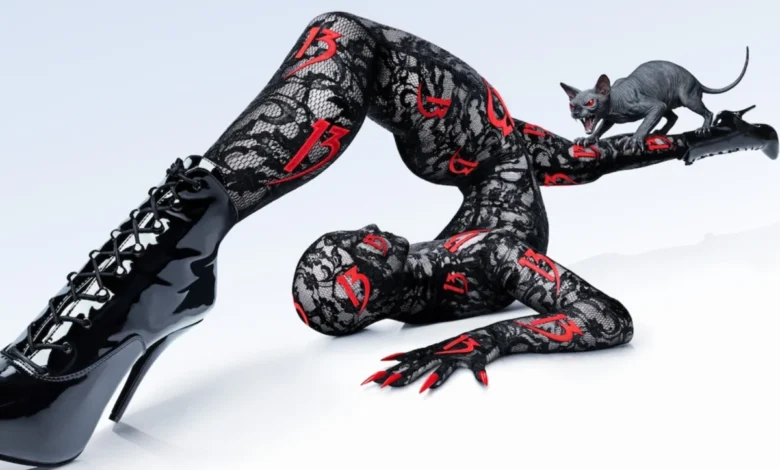
The landscape of modern television horror is bracing for a monumental shift as Ryan Murphy and Brad Falchuk prepare to unveil the thirteenth season of their groundbreaking anthology series, American Horror Story. Since its inception on the FX network in 2011, the franchise has consistently redefined the horror genre on the small screen, tackling a vast spectrum of macabre subgenres. From the claustrophobic hauntings of a Los Angeles murder house and the psychological torments of a 1960s briarcliff asylum, to the fierce rivalries of New Orleans witch covens, eerie historical freak shows, politically charged cults, and the literal end of the world, the series has cultivated a fiercely dedicated global fanbase.
Now, breaking away from the standalone seasonal format that has defined the show for over a decade, Season 13—officially titled American Horror Story: 13—is poised to upend expectations. Rather than introducing an entirely fresh narrative universe, the upcoming installment functions as a sprawling, cinematic crossover event. Co-creator Ryan Murphy has boldly likened the venture to cinematic superhero blockbusters, specifically drawing parallels to Marvel’s The Avengers, wherein disparate characters unite to confront a singular, catastrophic threat.
In a recent interview with Vogue, Murphy elaborated on the grand scale and thematic core of the new episodes, explicitly distancing the project from speculative rumors of a localized spin-off. "I didn’t want to just do a Coven reboot," Murphy stated. "Everybody thinks that’s what it is; it’s not. I was very interested in the greatest villains we’ve done." He further emphasized the overarching narrative drive of the season, noting that viewers will witness iconic figures converge as "they all come together to defeat the ultimate evil."
Chronology, Release Schedule, and Global Distribution
The rollout for American Horror Story: 13 marks a distinct departure from traditional weekly or binge-release models employed by streaming services and cable networks alike. The season consists of 13 tightly paced, half-hour episodes, a formatting choice that promises heightened narrative tension and rapid-fire pacing compared to the hour-long runtimes typical of earlier seasons.
The premiere strategy is designed to create an immediate cultural event. The first three episodes are scheduled to premiere on FX and Hulu in the United States on September 24. International audiences will not have to wait long to join the viewing experience; the opening trio of episodes will arrive on Disney+ in the United Kingdom just one day later, on September 25.
Following the initial multi-episode drop, the release schedule shifts to a structured weekly cadence. Three additional episodes will premiere on October 2. Thereafter, episodes will be released in pairs every Friday, building narrative momentum toward the grand finale, which is slated to air on October 30—just in time for Halloween. This carefully orchestrated timeline ensures that the series maintains sustained public engagement and watercooler discussion throughout its entire broadcast window.
A Mammoth Ensemble: The Return of Franchise Veterans
The primary drawing card for American Horror Story: 13 is the unprecedented reunion of the franchise’s most celebrated alumni. Over the past thirteen years, the anthology model allowed the producers to cultivate a reliable repertory company of actors who would transform into entirely new personas with each passing season. For Season 13, many of these actors are dusting off their classic wardrobes to step back into the shoes—and in some cases, multiple pairs of shoes—that made them household names.
While the definitive master list of every returning character continues to generate intense fan speculation, production details reveal a staggering logistical feat regarding performer workloads. Franchise stalwarts Sarah Paulson and Evan Peters are tasked with some of the most demanding acting challenges of their respective careers.
Murphy revealed that Paulson will portray an astonishing "six or seven" distinct characters throughout the course of the season, requiring her to navigate shifting psychological states, historical eras, and moral alignments within the same narrative ecosystem. Meanwhile, Evan Peters is slated to play five different roles, a challenge that pushed the boundaries of television production through complex technical execution.
Detailing the grueling shoot days, Murphy recounted a specific sequence that tested Peters’ dramatic range. "The person who I think had the hardest time was Evan, because in one scene he had to play Tate/Rubber Man and Kai," Murphy told Vogue. "So he had to have a conversation with himself." This level of interaction between legacy characters necessitates sophisticated split-screen technology, body doubles, and meticulous scheduling to bring iconic villains and anti-heroes into direct contact with one another.
Fresh Blood: New Cast Additions and High-Profile Departure
While the legacy characters form the backbone of the "greatest hits" narrative, American Horror Story: 13 also injects fresh energy into the ensemble by introducing a diverse array of new talent to the franchise. The roster of newcomers features a dynamic mix of rising stars and celebrated cultural figures, including Paul Anthony Kelly, Avantika, Madelaine Petsch, Joey Pollari, Orlando Jones, Alex Consani, Tig Notaro, Fedor Steer, John Waters, and Elle Chapman. The inclusion of figures such as legendary counter-culture filmmaker John Waters and comedian Tig Notaro signals that Murphy and Falchuk intend to maintain the series’ penchant for eclectic, unpredictable casting choices that transcend traditional television boundaries.
However, the path to production has not been entirely without hurdles. Earlier in the development cycle, the production generated massive headlines when pop superstar Ariana Grande was announced as a major addition to the Season 13 cast. The casting coup promised to bridge the gap between prestige horror television and global pop culture superstardom.
Plans ultimately shifted in July, when scheduling conflicts forced Grande to officially pull out of the project. The disruption stemmed from adjustments to the production timeline that directly clashed with the singer and actress’s extensive touring commitments. Industry insiders confirmed that the departure was amicable and handled well in advance of principal photography; Grande did not film any scenes for the season, allowing the production team to seamlessly pivot and reallocate resources without compromising the overarching storyline.
Broader Impact and Industry Implications
The strategic rollout and conceptual ambition of American Horror Story: 13 highlight a broader evolution in contemporary television programming. In an era dominated by endless reboots, revivals, and fragmented streaming catalogs, Ryan Murphy and FX are leveraging the deep intellectual property of a long-running anthology to create a hybrid format. By treating twelve years of standalone seasons as a shared cinematic universe, the production team is capitalizing on deep nostalgia while simultaneously offering a structural innovation that keeps viewers guessing.
Furthermore, the decision to produce 13 half-hour episodes rather than the traditional ten hour-long installments reflects changing consumer viewing habits. Shorter runtimes prioritize narrative efficiency, directly targeting audiences accustomed to fast-paced, high-impact storytelling. This format change may serve as a testing ground for how future anthology series manage sprawling legacy casts without buckling under bloated runtimes or meandering plotlines.
As the premiere date rapidly approaches, expectations among horror enthusiasts and industry analysts remain exceptionally high. By weaving together the franchise’s most memorable heroes and villains into a singular, high-stakes battle against ultimate evil, American Horror Story: 13 stands as a celebration of the genre television milestone that defined an era of cable and streaming dominance. Whether this ambitious crossover can successfully harmonize a decade’s worth of chaotic television lore remains to be seen, but the journey to October 30 promises to be an unmissable cultural spectacle.