Blue Oblivion is the final pre-release single from Grandmas House’s highly anticipated debut album, Baby You’re A Winner

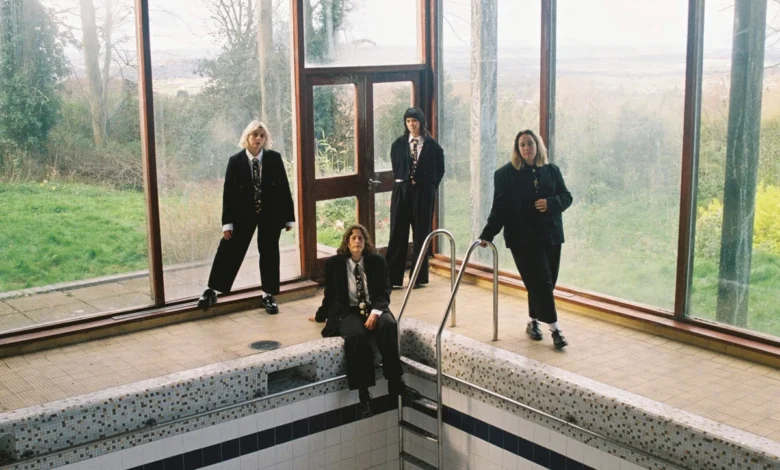
Grandmas House has officially unveiled "Blue Oblivion," the climactic pre-release single from their much-anticipated debut album, Baby You’re A Winner. This latest offering arrives with precise timing, dropping exactly one month before the album’s official release on August 21st, under the esteemed Brace Yourself Records. The announcement of "Blue Oblivion" is further amplified by the simultaneous revelation of an extensive UK record store tour, signaling a significant period of engagement with their fanbase and the wider music community.
The track itself is a masterclass in sonic tension and release. "Blue Oblivion" is meticulously constructed, beginning with verses that are characterized by a churning, yearning quality, underpinned by a guitar line that slithers with a palpable intensity. This evocative instrumentation immediately draws comparisons to the raw, visceral energy found in the early work of iconic artists like PJ Harvey, hinting at a shared lineage of uncompromising artistic expression. As the song progresses, it builds towards a chorus that erupts with an almost overwhelming, intensely physical power. This deliberate cultivation of sharp sonic contrasts is not merely an aesthetic choice; the band themselves have articulated how "Blue Oblivion" represents a profound turning point in their creative evolution.
In their own words, the band elaborated on the significance of this pivotal track: “Writing ‘Blue Oblivion’ was a pivotal moment for us as a band, as it made us realise that we didn’t have to write music within any boundaries. It opened up the way we would go on to write the rest of the album, encapsulating feelings of love and loss with a balance of light and dark.” This candid statement underscores the liberating effect the song had on their songwriting process, allowing them to explore a broader emotional spectrum and a more uninhibited sonic palette for the entire album. The implication is that Baby You’re A Winner will be an album that navigates complex emotional terrain with both vulnerability and strength, a testament to the band’s growing artistic maturity.
A Nationwide Record Store Tour to Commemorate Album Launch
To herald the arrival of Baby You’re A Winner, Grandmas House is set to embark on a comprehensive week-long UK record store tour. This initiative is designed to foster a direct connection with their supporters and celebrate the tangible experience of music consumption in independent retail spaces. The tour is scheduled to commence on the album’s release day, August 21st, with an inaugural performance at Banquet Records in Kingston. From there, the band will traverse the country, making stops at cherished independent music retailers in Southampton, Oxford, Liverpool, and Leeds. The tour will culminate in a significant hometown instore event at the renowned Rough Trade Bristol on August 27th, providing a fitting and celebratory conclusion to this intimate series of appearances.
The strategic choice of record stores for this tour is noteworthy. Independent record shops have long served as crucial hubs for emerging artists, offering a vital platform for discovery and community building. By prioritizing these venues, Grandmas House not only shows solidarity with the independent music ecosystem but also ensures that their album launch is embedded within the very fabric of the music-loving community. This approach allows for a more personal and engaging experience for fans, moving beyond traditional concert settings to foster a deeper appreciation for the album and the band’s artistry.
Hometown Celebrations and Early Album Previews
Long before the official album release and the subsequent record store tour, hometown fans in Bristol will have the opportunity to experience Baby You’re A Winner in an exclusive setting. A free-entry album listening party is slated for July 31st at the Bristol Beer Factory. This event promises a unique and immersive experience, designed to build anticipation and camaraderie. Attendees can look forward to the unveiling of exclusive Grandmas House collaborative beer cans, specially curated Pizzarova food specials, exciting prize giveaways, and a special appearance by the band’s enigmatic mascot, The Headless Man. Such events demonstrate a commitment to creating memorable moments for their fanbase, blending music appreciation with a festive atmosphere.
The inclusion of a mascot and bespoke merchandise like collaborative beer cans suggests a band that is not afraid to inject personality and a sense of playful creativity into their promotional activities. This holistic approach to fan engagement extends beyond just the music, creating a broader brand identity that resonates with a diverse audience. The listening party serves as a crucial early touchpoint, generating buzz and allowing for direct feedback and interaction before the album is widely available.
An Ambitious Headline Tour Across the UK and Europe
The UK record store instores and the hometown listening party are merely preludes to an even more expansive undertaking: a substantial headline tour that will span both the UK and Europe. Scheduled to run from September through November, this extensive tour represents a significant step up in the band’s touring career, indicating a growing demand and recognition of their live performance capabilities. The European leg of the tour is set to commence in Tromsø, Norway, showcasing the band’s commitment to reaching international audiences from the outset.
Subsequent European dates are confirmed for key musical cities including Stockholm, Sweden, Berlin, Germany, and Paris, France. These destinations are not only significant cultural centers but also have vibrant live music scenes, providing Grandmas House with the opportunity to connect with diverse audiences and further establish their presence on the international stage. Following their European engagements, the band will return to the United Kingdom for a series of landmark shows. Notable UK dates include a performance at London’s Oslo on November 17th and a highly anticipated show at Bristol’s iconic Thekla boat on November 21st.
The choice of venues for these headline dates is significant. The Oslo in London is a well-regarded space for emerging and established alternative acts, while Thekla in Bristol, a venue famously housed on a boat, offers a unique and atmospheric setting that often hosts memorable performances. These venues are likely to provide the perfect backdrop for Grandmas House to showcase the full power and dynamism of their live show, which has been honed through extensive touring and a reputation for energetic performances.
Context and Analysis of the Album and Tour Strategy
The release of Baby You’re A Winner and the accompanying promotional activities mark a critical juncture for Grandmas House. The band has been steadily building a reputation through a series of compelling singles and a growing live presence. The debut album represents their most significant artistic statement to date, and the strategic rollout – culminating in a final single, a record store tour, a hometown preview, and a major international tour – is designed to maximize its impact.
The decision to release "Blue Oblivion" as the final pre-release single is a calculated move to generate maximum anticipation. Its description as a "major turning point" in their creative process, as stated by the band, suggests it serves as a potent distillation of the album’s overarching themes and sonic ambitions. This allows listeners a glimpse into the emotional and musical depth they can expect from the full record.
The UK record store tour, a concept that has seen a resurgence in popularity, allows bands to engage with fans in a more intimate and authentic setting. For an independent band like Grandmas House, these events are invaluable for fostering loyalty, creating memorable experiences, and driving initial album sales. It also supports the vital independent retail sector, reinforcing the band’s connection to the grassroots of the music industry.
The expansive UK and European tour signifies a clear ambition for growth and wider recognition. By targeting major European cities and returning for significant UK dates, Grandmas House is positioning themselves for sustained success. The success of this tour will not only depend on their musical prowess but also on the effective promotion and marketing of their album, which appears to be meticulously planned.
Thematic Exploration and Sonic Evolution
The band’s explanation of "Blue Oblivion" being a realization that they "didn’t have to write music within any boundaries" is particularly revealing. This statement suggests a departure from any perceived limitations or expectations, allowing for a more expansive and experimental approach to songwriting. The encapsulation of "feelings of love and loss with a balance of light and dark" indicates a lyrical depth and emotional complexity that is likely to resonate with a broad audience. This thematic duality, exploring both the joys and sorrows of human experience, is a hallmark of many successful and enduring artists.
The sonic comparison to early PJ Harvey is a strong indicator of the band’s influences and their willingness to embrace a raw, powerful, and emotionally charged sound. Harvey’s early work was characterized by its unflinching honesty, visceral energy, and distinctive vocal delivery, all elements that can be inferred as inspirations for Grandmas House. The "churning, yearning verses" and "slithering guitar line" suggest a sound that is both captivating and unsettling, building a sense of unease that is ultimately resolved or amplified by the "intensely physical chorus." This dynamic interplay between restraint and explosion is a powerful tool for emotional expression in music.
The implications of this carefully orchestrated album launch and tour strategy are significant for Grandmas House. A successful debut album, supported by engaging promotional activities and a comprehensive touring schedule, can serve as a springboard for a long and prosperous career. The band appears to be making a deliberate and strategic push to establish themselves as a significant force in the contemporary music landscape, demonstrating both artistic vision and a keen understanding of how to connect with their audience in the modern era. The anticipation surrounding Baby You’re A Winner is palpable, and the release of "Blue Oblivion" has undoubtedly heightened expectations for what promises to be a landmark moment for Grandmas House.