The Lost Collaboration of John Lennon and Cheap Trick on I’m Losing You and the Making of Double Fantasy

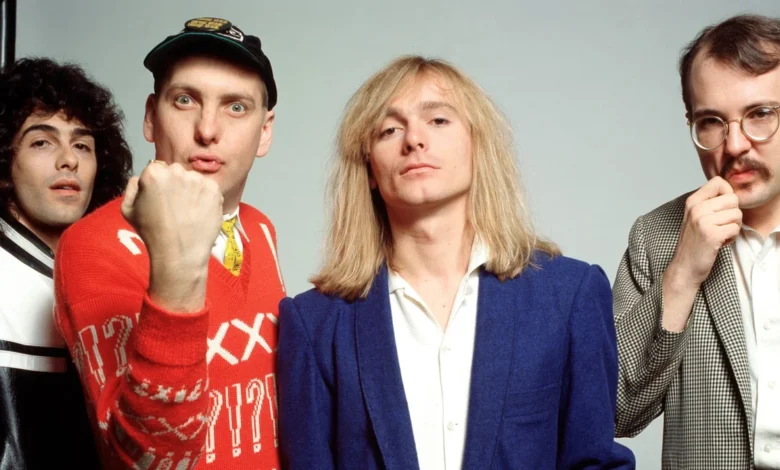
In the summer of 1980, the music world was buzzing with the news that John Lennon, the former Beatle who had retreated into a five-year "househusband" hiatus, was returning to the recording studio. The resulting album, Double Fantasy, would become a poignant final chapter in his storied career, characterized largely by its polished production and domestic themes. However, tucked within the tracklist of tender ballads and mid-tempo reflections was a raw, bluesy rocker titled "I’m Losing You," a song that originally featured a collaboration so heavy and aggressive that it was ultimately deemed a mismatch for the album’s sophisticated aesthetic. This "lost" version, featuring Rick Nielsen and Bun E. Carlos of the power-pop band Cheap Trick, remains one of the most fascinating "what-ifs" in rock history, representing a bridge between Lennon’s experimental past and the high-energy rock of the 1980s.
The Genesis of Double Fantasy and the Bermuda Sessions
To understand the sonic evolution of "I’m Losing You," one must look at the psychological state of John Lennon in 1980. After half a decade away from the spotlight to raise his son, Sean, Lennon found a sudden burst of creative inspiration during a sailing trip to Bermuda in June 1980. Navigating through a severe storm at sea reportedly reinvigorated his spirit, leading to a prolific songwriting period where he penned the majority of the material for what would become Double Fantasy.
Lennon envisioned the album as a "Heart Play," a dialogue between himself and his wife, Yoko Ono. The structure was unique: a track by Lennon would be followed by a track by Ono, creating a conversational flow that explored the complexities of love, parenting, and aging. While much of the material, such as "(Just Like) Starting Over" and "Woman," leaned into a smooth, melodic pop-rock sound, Lennon still harbored a desire for the "stark" rock-and-roll energy that had defined his 1970 debut solo album, John Lennon/Plastic Ono Band.
When Lennon returned to New York City to begin recording at the Hit Factory in August 1980, he worked with producer Jack Douglas. Douglas, who had previously worked as an engineer on Lennon’s Imagine and Mind Games, was tasked with assembling a band that could handle both the delicate ballads and the heavier rockers. The core studio band included elite session musicians: guitarists Hugh McCracken and Earl Slick, bassist Tony Levin, drummer Andy Newmark, and keyboardist George Small.
The Composition of I’m Losing You
"I’m Losing You" was born out of a moment of genuine domestic friction. While in Bermuda, Lennon attempted to call Ono in New York but was unable to reach her. The resulting feelings of isolation and paranoia triggered a flashback to the "Lost Weekend"—his 18-month separation from Ono in the mid-1970s. The lyrics were blunt and agonized, featuring lines like "The room is getting colder / You’re looking older" and "I’m losing you."
Musically, the song required a sense of "coiled tension." Lennon felt that the initial takes with the session band, while technically proficient, lacked the visceral "grit" he felt the lyrics demanded. It was at this juncture that Jack Douglas suggested bringing in members of Cheap Trick. At the time, Cheap Trick was one of the biggest bands in the world, riding high on the massive success of their live album At Budokan and the hit "I Want You to Want Me."
The Cheap Trick Sessions: August 1980
The collaboration was a collision of two different eras of rock. Cheap Trick was in the middle of recording their own album, All Shook Up, with legendary Beatles producer George Martin at AIR Studios in Montserrat. When Douglas reached out to guitarist Rick Nielsen and drummer Bun E. Carlos, the duo jumped at the chance to work with their idol.
On August 12, 1980, Nielsen and Carlos arrived at the Hit Factory. The atmosphere was reportedly electric. Nielsen, a renowned guitar collector and aficionado, immediately bonded with Lennon over equipment. He famously advised Lennon on which guitars to use, suggesting he lean into more aggressive tones. The session also included Tony Levin on bass, providing a bridge between the session pros and the rock stars.
The version of "I’m Losing You" recorded that day was significantly heavier than the one that eventually appeared on Double Fantasy. Nielsen’s guitar work was jagged and stinging, featuring a feedback-drenched solo that pushed the song into the realm of hard rock. Carlos’s drumming provided a thunderous, driving backbeat that echoed the primal style of Ringo Starr but with added 1980s power.
Lennon was reportedly ecstatic. After hearing the playback, he allegedly told Nielsen that he wished the guitarist had played on his 1969 single "Cold Turkey" instead of Eric Clapton, a high compliment considering Lennon’s respect for Clapton’s blues-rock pedigree. The group also recorded a companion track for Yoko Ono titled "I’m Movin’ On," which served as the stylistic "answer" to Lennon’s song.
The Decision to Re-Record
Despite the high energy of the session and Lennon’s initial enthusiasm, the Cheap Trick version of "I’m Losing You" was shelved. For decades, fans speculated on why such a potent recording was rejected. Several theories have emerged from those present during the sessions:
- Stylistic Consistency: Double Fantasy was being positioned as a "comeback" album for a more mature, refined John Lennon. The raw, distorted sound of the Cheap Trick session may have been seen as too jarring when placed alongside the lush, radio-friendly production of tracks like "Watching the Wheels."
- Contractual and Management Disputes: There are long-standing rumors that Cheap Trick’s management and the record label (Epic) became embroiled in a dispute with Lennon’s camp over credits and royalties. It is suggested that Ono or the legal team decided it was simpler to use the session musicians already under contract for the project.
- The "Session Band" Loyalty: Lennon had developed a strong rapport with his core studio band. When McCracken, Slick, and Newmark returned to the studio, Douglas played the Cheap Trick version through their headphones as a reference point. He told them to match that intensity but within the framework of the established studio sound.
The final version that appears on Double Fantasy features the session band. While it retains the song’s dark undertones and coiled energy, it is notably more "polished" than the Nielsen/Carlos take. The guitars are cleaner, and the overall mix is more aligned with the soft-rock trends of 1980.
Chronology of Events: The Summer of 1980
- June 1980: John Lennon sails to Bermuda; the storm at sea inspires a prolific songwriting period.
- July 1980: Lennon returns to New York with demos for over 20 songs.
- August 4, 1980: Official recording sessions for Double Fantasy begin at the Hit Factory.
- August 12, 1980: Rick Nielsen and Bun E. Carlos record "I’m Losing You" and "I’m Movin’ On" with Lennon.
- Late August 1980: The decision is made to re-record the tracks with the core session band.
- October 20, 1980: "(Just Like) Starting Over" is released as a single.
- November 17, 1980: Double Fantasy is released worldwide.
- December 8, 1980: John Lennon is tragically murdered outside the Dakota in New York City.
Posthumous Discovery and Impact
For eighteen years, the Cheap Trick version of "I’m Losing You" existed only in the memories of those in the room and on bootleg tapes whispered about by collectors. It wasn’t until the 1998 release of The John Lennon Anthology, a four-CD box set of unreleased studio outtakes and home recordings, that the general public finally heard the collaboration.
The reaction from critics and fans was overwhelmingly positive. Many argued that the Cheap Trick version was superior, capturing the "anguish" and "angst" of the lyrics far more effectively than the album version. The recording revealed a Lennon who was still capable of fronting a heavy rock band, dispelling the notion that he had entirely "gone soft" in his later years.
Rick Nielsen and Bun E. Carlos have frequently reflected on the session with a mixture of pride and melancholy. In various interviews, Nielsen has noted that working with Lennon was the pinnacle of his career, regardless of whether the track made the original album. The collaboration also sparked rumors at the time that Lennon might have toured with Cheap Trick as his backing band—a prospect that remains one of the most tantalizing "unfulfilled" tours in rock history.
Broader Implications and Historical Analysis
The story of the "I’m Losing You" session highlights the tension inherent in Lennon’s final creative period. He was a man caught between two identities: the avant-garde rock revolutionary of the 1960s and 70s, and the contented family man of the 1980s.
From a technical standpoint, the session demonstrates the influence of Jack Douglas, who acted as a bridge between the classic rock of the Beatles’ era and the emerging power-pop and hard rock sounds of the late 70s. By bringing in Cheap Trick, Douglas was attempting to give Lennon a contemporary edge. Even though the session musicians eventually replaced the Cheap Trick members, the "DNA" of the Nielsen/Carlos performance remained. The session band was forced to elevate their playing to match the "grittiness" of the earlier take, resulting in one of the most muscular performances on the album.
Furthermore, the rejection of the Cheap Trick version underscores the meticulous—and sometimes cautious—nature of the Double Fantasy production. Every element of the album was curated to present a specific image of Lennon and Ono. While the rock-and-roll purity of the Cheap Trick session was undeniable, it didn’t fit the "narrative" of the Heart Play.
Today, "I’m Losing You" stands as a testament to Lennon’s versatility. Whether in its polished album form or its raw, Nielsen-infused iteration, the song remains a powerful exploration of vulnerability and the fear of loss. The fact that Lennon was exploring such heavy, aggressive sounds just months before his death suggests that his future musical direction might have been far more experimental and rock-oriented than the soft-pop success of Double Fantasy initially indicated. The collaboration with Cheap Trick remains a vital, albeit delayed, piece of the puzzle in understanding the final months of a musical icon.