Democrats Prepare Sweeping Congressional Inquiries Into Music Industry Following Midterm Election Victory

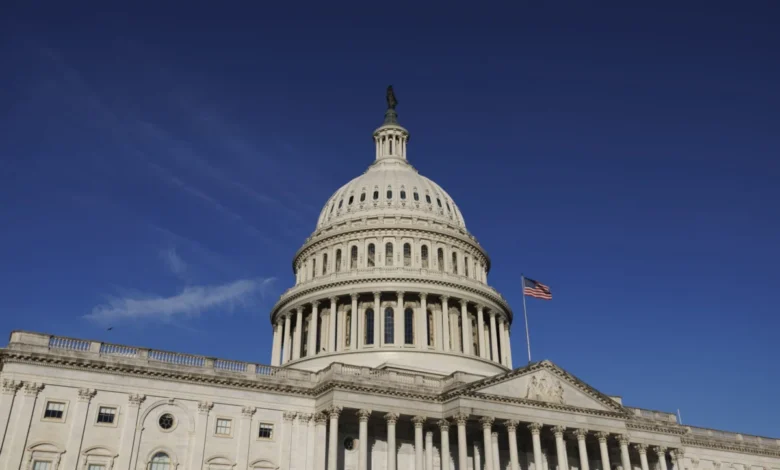
Following a historic shift in the balance of power during the November 3 midterm elections, the Democratic Party has secured control of both the House of Representatives and the Senate. This legislative sea change is poised to trigger a cascade of oversight activities across various sectors of the American economy, with the live music industry—and specifically its dominant market players—identified as a primary target for intensified congressional scrutiny. With the ability to chair committees and issue subpoenas, Democratic leadership is expected to pivot quickly in January to address long-standing grievances regarding market consolidation, ticket pricing transparency, and allegations of anticompetitive behavior.
A Legislative Pivot Toward Oversight
The transition of power effectively ends the legislative gridlock that characterized the previous session, providing Democrats with the procedural tools necessary to compel testimony and access internal corporate documentation. At the center of this impending regulatory storm is the live entertainment sector, which has been under significant pressure from consumer advocacy groups, independent promoters, and state attorneys general for several years.
Lawmakers have signaled that a top priority will be an exhaustive review of the Department of Justice’s (DOJ) recent handling of the Live Nation antitrust litigation. The settlement, which was finalized in the eleventh hour of a high-stakes antitrust trial, has drawn sharp rebuke from Democratic members of Congress. They have characterized the agreement as a "sweetheart deal" that fails to address the structural issues inherent in the Live Nation-Ticketmaster merger, which critics argue has created an unassailable monopoly in the live events space.
Chronology of the Antitrust Dispute
The tension between Washington and the live music giant has been building for years, culminating in a series of legal and political maneuvers:
- 2023–2024: A period of sustained public outcry regarding ticket scalping, dynamic pricing, and service fees leads to multiple high-profile hearings in the Senate Judiciary Committee, where lawmakers questioned the efficacy of the 2010 consent decree governing the Live Nation-Ticketmaster merger.
- May 2026: Congressional Democrats hold a "shadow hearing" to highlight deficiencies in the live industry’s business model. During these proceedings, Senator Richard Blumenthal (D-Conn.) goes on the record, stating, "We will at some point, I guarantee, enter your statements into the record in full when we control committee hearings."
- November 2026: The midterm elections result in a Democratic majority in both chambers of Congress.
- January 2027 (Anticipated): New committee chairs are expected to initiate formal investigations, potentially reviving stalled inquiries into the DOJ settlement and broader market dynamics.
The current legal landscape remains complex. While the DOJ reached a settlement allowing Live Nation to maintain its current corporate structure with only minor concessions on exclusivity practices, a number of state attorneys general opted to continue their own legal challenges. These states have petitioned the court for a total structural separation, effectively seeking to break up the Ticketmaster ticketing platform from the Live Nation promotion arm. The judge presiding over this case is currently reviewing these competing paths, but congressional pressure could influence the political climate surrounding the final decision.

The StubHub and Andro Capital Investigation
Beyond the live entertainment conglomerate, the House Oversight Committee is turning its attention toward the secondary ticketing market. Representative Robert Garcia (D-Calif.) has been at the forefront of an inquiry into the relationship between StubHub and Andro Capital, a private investment vehicle managed by StubHub CEO Eric Baker.
The core of the allegation involves potential conflicts of interest. Investigations have revealed that Andro Capital generated upwards of $5 million in profit by purchasing bulk ticket inventory and reselling it on the StubHub platform. House Democrats have been seeking detailed financial records to determine whether this arrangement constitutes a form of internal collusion that unfairly disadvantages everyday consumers. Until the election results, Representative Garcia lacked the subpoena power required to force the disclosure of these sensitive documents. With the new session, the committee is expected to use its mandate to compel the production of records that could clarify the extent of the relationship between the platform and the executive’s investment firm.
Industry Response and Corporate Positioning
In response to the shifting political winds, industry leaders have adopted a posture of defensive cooperation. A spokesperson for Live Nation issued a statement following the election results, emphasizing that the company’s recent settlement provides "meaningful, enforceable solutions." The company maintained that it is prepared to engage with policymakers from both parties to address the underlying factors that contribute to high ticket prices, suggesting that the root causes of inflation in the sector are broader than the company’s own market share.
StubHub has similarly maintained that its relationship with Andro Capital is transparent and compliant with existing financial regulations. In statements released throughout the summer, the company characterized the fund as an independent entity and a minor vendor among many others. The company remains steadfast that its business practices are above board, though it will now have to defend these assertions under the formal scrutiny of a congressional committee.
The Bipartisan Reality of Legislative Agendas
While investigative oversight is expected to be contentious and party-driven, the actual legislative agenda for the music industry remains remarkably bipartisan. Issues such as the American Music Fairness Act and the NO FAKES Act—which seeks to prohibit unauthorized AI-generated voice cloning—enjoy broad support from both sides of the aisle.
Industry advocates, including Mitch Glazier, chairman and CEO of the Recording Industry Association of America (RIAA), have noted that the music industry’s core policy goals are largely insulated from partisan volatility. During a recent appearance on the Billboard On the Record podcast, Glazier expressed optimism that the transition of power would not derail the progress of legislation aimed at protecting artists from artificial intelligence.

"This is where we are so fortunate that our issues are completely bipartisan," Glazier stated. "It doesn’t matter if the House changes or the Senate changes… this bill will be on a trajectory for quick introduction and quick movement."
The industry does, however, face a loss of institutional knowledge. The departure of Senator Marsha Blackburn (R-Tenn.), who won her bid for the governorship of Tennessee, removes one of the most prominent defenders of the music industry from the Senate floor. Blackburn had been a consistent voice for Nashville’s interests and a reliable sponsor for music-related legislation. However, industry lobbyists are already identifying "rising champions" within the incoming congressional cohort, including Representatives Nathaniel Moran (R-Tex.), Becca Balint (D-Vt.), and Laura Friedman (D-Calif.), who are expected to carry the torch for music-industry initiatives.
Broader Implications and Economic Analysis
The incoming wave of investigations carries significant implications for the entertainment economy. Should Congress move to break up major players or strictly regulate the resale market, the industry could face a radical restructuring of its revenue models. Historically, congressional investigations into industry monopolies—such as the telecommunications or banking sectors—often result in heightened regulatory requirements, increased disclosure, and, in rare instances, structural divestitures.
Economists observing the sector note that the live music market is currently characterized by high barriers to entry and extreme price elasticity. For consumers, the outcome of these investigations could result in more transparent "all-in" pricing models and potential limitations on the volume of tickets that can be held by brokers or related investment funds. However, the process is likely to be protracted. Even with the new subpoena powers, the legal hurdles associated with dismantling established corporate entities are immense.
As January approaches, the music industry is bracing for a dual reality: while the legislative path for industry-wide protections against new technologies like AI remains clear and bipartisan, the regulatory path regarding corporate structure and market conduct is about to become significantly more challenging. The coming months will determine whether these congressional hearings result in substantive policy reform or merely serve as a platform for political posturing in an increasingly complex digital economy.
Related posts: