The Ongoing Debate Over Honoring Country Music Heritage at the 60th Annual CMA Awards

As the country music industry prepares for the 60th annual Country Music Association (CMA) Awards on November 18, a significant controversy has emerged regarding the inclusion of the genre’s foundational icons. While the CMA has publicly stated that this year’s ceremony will focus on the enduring influence of the 1990s—a decade widely considered a golden era for the format—the exclusion of legendary artists from the red-carpet proceedings has ignited a debate over how the industry acknowledges its history.
The discourse began in earnest when 1990s hitmaker Sammy Kershaw announced via social media that his request to participate in the red-carpet events for this year’s ceremony was denied. The exclusion of an artist with over five decades of industry experience, dozens of Billboard-charted hits, and a lifetime membership granted by the organization in 1992 has prompted a broader conversation regarding the treatment of legacy artists by modern award institutions.
Contextualizing the 1990s Country Boom
To understand the current tension, one must look at the cultural weight of 1990s country music. During this decade, the genre experienced an unprecedented commercial explosion. According to RIAA (Recording Industry Association of America) data, country music sales surged during the 1990s as artists blended traditional instrumentation with high-production studio standards. This era saw the rise of the "neo-traditionalist" movement, which effectively bridged the gap between the outlaw country of the 1970s and the modern, stadium-filling pop-country aesthetic that dominates today.
The 1990s served as a transformative decade for the CMA Awards themselves. As the industry expanded, the broadcast became one of the most-watched non-sporting events on television, cementing the status of stars like Garth Brooks, Reba McEntire, and Alan Jackson as household names. However, the success of the era was built upon a vast ecosystem of artists who provided the backbone of radio airplay and festival circuit demand.
The Controversy: A Breach in Protocol
Sammy Kershaw’s public statement highlights the friction between the CMA’s stated goals and its logistical management. Kershaw, who received a CMA Horizon Award nomination early in his career and has consistently donated time to CMA-sanctioned events like the annual CMA Fest, argued that his request was a matter of professional respect.
"After more than 50 years in this business, many millions of records and singles streamed and sold, more than two dozen Billboard charted hits, and being a lifetime CMA member, I would hope I’ve earned the opportunity to walk the red carpet," Kershaw stated.
From an industry perspective, the denial of such a request typically stems from "credential management"—the logistical necessity of limiting access to a high-security, high-traffic red carpet area. However, critics of the decision argue that the CMA, as a trade organization, holds a responsibility to bridge the generational gap. By excluding an artist who helped fund and build the CMA’s current infrastructure, the organization risks alienating the core demographic that continues to drive the nostalgia-fueled resurgence of 90s country.
The Evolution of the CMA Awards: A Chronological Perspective
The CMA Awards were established in 1967 to recognize excellence in the country music industry. Over the last six decades, the organization has navigated the transition from a niche, Nashville-centric trade group to a global entertainment powerhouse.
- 1990–1999: The "Decade of Growth." Country music experienced a massive influx of mainstream capital, leading to the establishment of multi-platinum status as the new industry standard.
- 2000–2010: The diversification period. The influence of rock and pop production began to reshape the sound of the genre, leading to the "Bro-Country" era.
- 2011–2020: The digital transition. The rise of streaming services fundamentally altered how artists are recognized, moving away from radio-only metrics to a combination of streaming and digital engagement.
- 2026: The current era. The industry is currently contending with the loss of several key figures who defined the late 20th century, prompting a sudden, urgent desire to archive and celebrate the careers of those still living.
Defining the 1990s Legacy Artists
The CMA’s stated intention to highlight the 90s is substantiated by the fact that many of today’s chart-topping artists—including Luke Combs, Morgan Wallen, and Lainey Wilson—frequently cite the artists of that era as their primary influences. A brief analysis of the artists who defined that period reveals a depth of talent that remains culturally relevant.
The Neo-Traditionalists and Storytellers
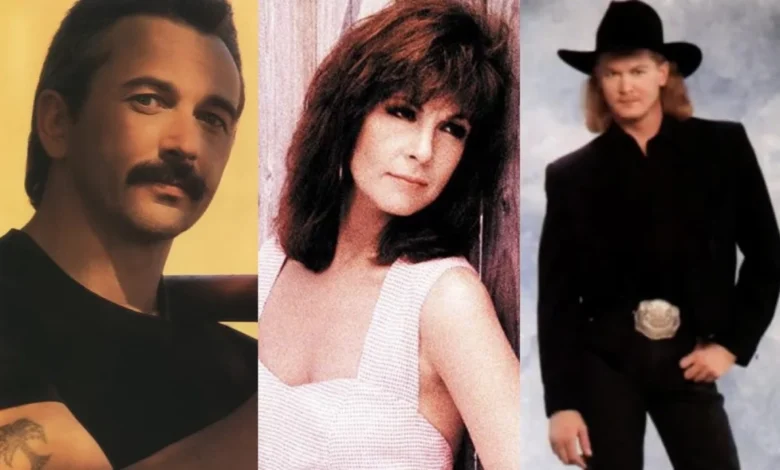
Artists such as Tracy Lawrence, Mark Chesnutt, and Clint Black brought a level of technical songwriting and traditional vocal delivery that remains the gold standard for country vocalists. Lawrence, with 18 number-one singles, and Black, a key member of the "Class of ’89," defined the sonic landscape of the early 90s. Similarly, artists like Patty Loveless and Lorrie Morgan provided a necessary emotional depth, utilizing soulful, rootsy arrangements that balanced the upbeat honky-tonk sound of the era.
The High-Energy Entertainers
The 90s were also defined by high-energy, personality-driven performances. Artists like Neal McCoy, Travis Tritt, and Aaron Tippin brought a blue-collar, high-octane energy to the stage. These performers were instrumental in the success of the touring industry, as they established the "workhorse" model of constant gigging that keeps the country genre profitable today.
The Bridge to Modern Pop-Country
Performers like Jo Dee Messina, Deana Carter, and Trisha Yearwood expanded the genre’s appeal by incorporating sophisticated production values and pop-adjacent sensibilities. Yearwood, in particular, remains a titan of the industry, having successfully transitioned from a 90s powerhouse to a multimedia personality, demonstrating the longevity that the CMA claims to champion.
Implications for the Future
The tension surrounding the 60th CMA Awards suggests that the industry is currently at a crossroads. As it looks to the future, the CMA must reconcile its reliance on modern, high-turnover streaming stars with its historical obligations to the artists who built the brand.
If the CMA fails to accommodate legacy artists during its most high-profile moments, it risks creating a narrative that the industry is "ageist" or dismissive of its own history. Conversely, if the organization creates a more inclusive policy, it could serve to strengthen the cultural continuity of the genre.
The public reaction to the Sammy Kershaw incident suggests that fans are hyper-aware of the treatment of their heroes. As the industry loses icons—such as the recent passings of John Anderson and others in 2026—the window for public acknowledgment is closing. The industry’s challenge moving forward will be to integrate these legends into the modern awards ecosystem, not just as nostalgic footnotes, but as active, respected participants in the ongoing dialogue of country music.
Ultimately, the CMA’s stated goal—to focus on the stars of the 90s as the "heroes" of today’s artists—is a sound strategic move. However, the successful execution of this goal requires more than stage time; it requires a culture of inclusion that extends from the red carpet to the boardroom, ensuring that the architects of the genre’s golden age are given the platform they earned. As November 18 approaches, all eyes will be on whether the ceremony reflects a genuine appreciation for its past or merely a surface-level exploitation of 1990s nostalgia.
Related posts: