Universal Music Group and Warner Chappell Music Settle Copyright Infringement Lawsuit Against Quavo

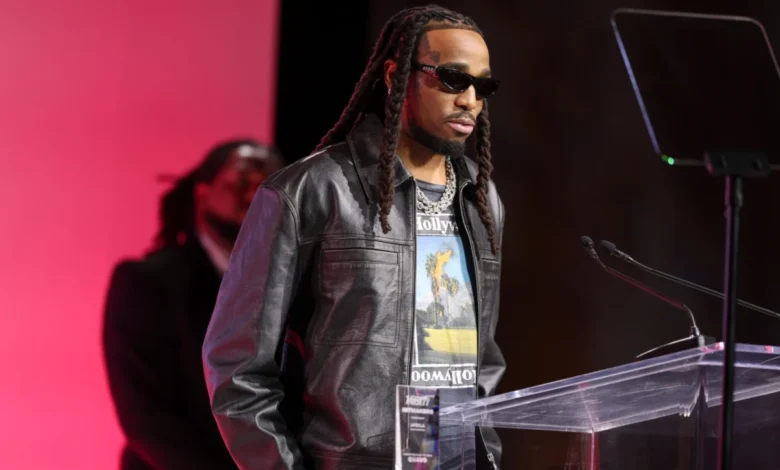
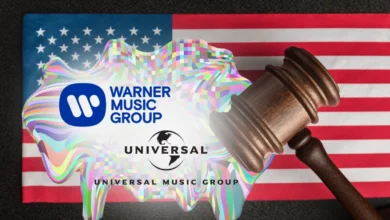
Universal Music Group and Warner Chappell Music have reached a confidential settlement in a high-stakes copyright infringement lawsuit that alleged the Migos rapper Quavo, born Quavious Marshall, misappropriated a song demo for his 2018 solo track, "Bubble Gum." The legal resolution, which was formally communicated to the court by legal counsel on Wednesday, November 11, brings a definitive end to a dispute that had been winding its way through the judicial system since 2024. While the financial specifics and non-monetary provisions of the agreement remain under strict seal, the conclusion of the case marks a significant point of closure for the parties involved, preventing a protracted trial that could have scrutinized the songwriting processes within the modern hip-hop industry.
The Origins of the Dispute
The litigation was initiated by Lamount London, a performer known professionally as L.Mont, who alleged that his intellectual property rights had been violated. According to court documents, the conflict traces back to a 2016 performance at the Saenger Theatre in New Orleans. London, who was serving as a concert opener for the Migos and 2 Chainz, claimed he provided a CD containing a demo of his original song, also titled "Bubblegum," to Quavo.
London’s legal team asserted that the demo served as the blueprint for the track released by Quavo two years later. "Bubble Gum," which appeared on Quavo’s debut solo studio album, Quavo Huncho, became a notable part of his discography. London’s complaint highlighted what he characterized as "unmistakable similarities" between the two works. The filing argued that a side-by-side comparison would reveal that the lyrics, arrangement, melody, core expression, and content were essentially identical to the point where an average listener would conclude the songs were the same piece of music.
Chronology of the Case
The trajectory of the lawsuit moved from initial claims to a settlement stage in a relatively short timeframe by legal standards.
- 2016: Lamount London performs as an opening act for Migos and 2 Chainz in New Orleans and allegedly delivers a demo CD to Quavo.
- 2018: Quavo releases his solo album, Quavo Huncho, featuring the track "Bubble Gum."
- 2024: London files a formal lawsuit against Quavo, Universal Music Group (UMG), and Warner Chappell Music, alleging copyright infringement and seeking damages.
- November 11, 2025/2026 (Reporting Date): Legal representatives inform the presiding judge that a settlement has been reached, effectively ending the litigation.
Because the case reached a resolution in its preliminary stages, the defendants—Quavo, UMG, and the publishing giant Warner Chappell—had not yet been required to file formal written responses or detailed legal defenses regarding the allegations. Consequently, the public record remains devoid of a specific rebuttal from the artist’s camp, leaving the settlement as the primary official record of the case’s conclusion.
Commercial Context and Industry Weight
The track in question, "Bubble Gum," was a significant asset within the Quavo Huncho project. The album itself was a commercial success, reaching No. 2 on the Billboard 200 chart and maintaining a presence on the charts for 27 weeks. The distribution of the album was handled by Motown and Capitol Records, both divisions of Universal Music Group, while Warner Chappell Music managed a portion of the publishing rights associated with the composition.
The inclusion of major record labels and publishing houses as co-defendants is standard procedure in music copyright litigation, as these entities are responsible for the distribution and management of the works in question. For UMG and Warner Chappell, the settlement represents a risk-mitigation strategy. By resolving the claim out of court, these companies avoid the unpredictable nature of jury verdicts, the high costs of ongoing litigation, and the potential for damaging internal documents or communications to be introduced into the public record during the discovery phase.

Broader Implications for Music Copyright
The resolution of this case underscores the ongoing challenges within the music industry regarding the protection of creative work, particularly for independent artists who engage with established stars. The "demo submission" scenario is a recurring theme in copyright litigation, often highlighting the friction between the informal nature of how music is shared in the touring circuit and the rigid legal requirements of copyright law.
For independent artists, proving that an established star had "access" to their work and that "substantial similarity" exists is a high bar. When such cases reach the settlement phase, it often suggests that the evidence of access—in this case, the claim that a physical CD was handed over at a concert—provided enough leverage to warrant a financial resolution rather than a gamble on a courtroom verdict.
Furthermore, this settlement contributes to a larger trend of high-profile copyright disputes being settled behind closed doors. In an era where digital streaming and the viral nature of music can lead to sudden, massive commercial success, the financial stakes for copyright infringement claims have soared. For labels and publishers, settling these claims quietly is often viewed as a necessary cost of doing business to protect their catalogs from the uncertainty of legal precedent.
Fact-Based Analysis
While the details of the settlement are shielded, the implications for the industry are clear. The case reinforces the importance of documentation for independent artists. Had London been able to provide more concrete proof of the exchange or a more formal agreement, his position might have been even stronger; conversely, the fact that he was able to reach a settlement suggests the presence of corroborating evidence that the court found compelling enough to avoid a public trial.
For Quavo, the settlement allows him to move past the distraction of litigation. As an artist who has transitioned from a member of the influential trio Migos to a solo star, maintaining the integrity of his creative catalog is essential. Legal disputes, regardless of their validity, can create a narrative of controversy that artists generally seek to avoid.
Conclusion and Future Outlook
As of this report, representatives for Quavo, Universal Music Group, and Warner Chappell have declined to comment, which is standard practice in cases involving confidential settlement agreements. Lamount London’s representatives have similarly remained silent. The case is now effectively closed, with the court notified that no further proceedings are required.
This incident serves as a poignant reminder of the power dynamics in the music industry. The path from a local opening act handing out a demo at a New Orleans theater to a legal battle involving multinational corporations is illustrative of how music travels and how copyright law attempts to catch up with the realities of artistic collaboration and appropriation. While this specific dispute has been quieted by a settlement, the fundamental questions regarding how artists can protect their early, unreleased works while navigating the industry will continue to be a subject of legal and professional scrutiny.
For the music industry, the conclusion of the "Bubble Gum" case serves as a cautionary tale for both creators and rights holders. As music becomes increasingly accessible through digital platforms and live performance, the lines between inspiration, sampling, and outright infringement remain as thin as ever. The legal system, through settlements like this, continues to function as the final arbiter for these complex creative disputes, ensuring that the economic value generated by hits is resolved, if not in the court of public opinion, then in the chambers of private mediation. The case of Quavo and L.Mont is now a closed chapter, but it adds to the evolving body of music copyright law that will continue to shape how future disputes are managed in the digital age.