Global Blues Scene Expands with New Releases, Historical Deep Dives, and an In-Depth Feature on Guitarist Joanna Connor


The contemporary blues and roots music community is experiencing a vibrant period characterized by archival deep dives, generational collaborations, and high-profile album releases. From international touring acts bridging traditional Delta sounds with modern sensibilities to meticulous historical scholarship shedding light on foundational figures of the genre, the latest wave of blues releases highlights an enduring global appreciation for the art form. Publications and independent labels alike are documenting a diverse landscape spanning Chicago’s legendary South Side clubs, Appalachian hollers, European festivals, and academic publishing houses.
A Generational Dialogue in Modern Blues
One of the standout releases capturing critical attention is the self-released album Presenting King Leo & Son, a collaborative effort between veteran blues artist Leo LaDell and his son, Oscar LaDell. Recorded live to tape at Surgery Studios in Wellington, New Zealand, during the winter months, the ten-track collection bridges decades of musical experience and international geography.
Leo LaDell, whose career spans decades of touring and recording across the United States and Australasia—including opening slots for luminaries such as Pinetop Perkins and Bo Diddley—reunites periodically with Oscar, who resides in Melbourne, Australia. The father-son duo blends Leo’s strident, poignant vocals and harmonica work with Oscar’s restrained, highly controlled electric guitar arrangements. Featuring a mix of original compositions penned by Leo and reimagined covers of classic blues standards by Howlin Wolf, Little Walter, and Bobby Bland, the album has been praised by critics for its minimalist authenticity and raw emotional depth. Industry analysts note that such cross-generational projects inject fresh energy into traditional acoustic and electric blues frameworks, appealing to purists and contemporary listeners alike.
Uncovering the Roots of Gertrude Ma Rainey

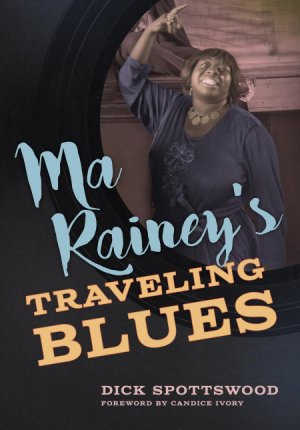
In the realm of music literature, the University Press of Mississippi has added a significant scholarly work to the canon of early blues history with Ma Rainey’s Traveling Blues by veteran musicologist Dick Spottswood. The 89-year-old researcher, widely known for his extensive liner notes and documentation of American folk, bluegrass, and ethnic music, has delivered a comprehensive biography of Gertrude “Ma” Rainey, widely celebrated as the “Mother of the Blues.”
Despite Rainey’s monumental role in shaping the recording industry between 1920 and the mid-1930s—recording numerous sides for the Paramount label that addressed love, sexuality, and racial oppression—crucial details of her life, including her birth year, have remained shrouded in mystery. Spottswood’s exhaustive research, which includes long-forgotten period interviews, contemporary accounts, and a complete discography paired with lyric transcriptions, cites a 1900 census report placing her birth in Russell County, Alabama, in 1882 rather than the commonly cited 1886.

The publication follows an introduction by 2025 Blues Music Award nominee Candice Ivory and contextualizes Rainey’s life within the complex social dynamics of race, gender, and class during the Jim Crow era. Music historians have lauded the book for expanding beyond the standard biographical narrative, offering a rigorous examination of the commercial birth of recorded blues music and its enduring cultural footprint.
Global Explorations and Cross-Cultural Collaborations

International artists continue to shape the contemporary blues ecosystem, demonstrating the genre’s worldwide resonance. In France, singer and harmonica player Julien D’Imperio—performing under the moniker JD Harmo—has released his debut full-length album, Feel So Blue. Produced by Little Victor and recorded across studios in England, France, and Germany, the 14-track collection pays homage to early electric blues and the distinctive Gulf Coast-Chicago blend popularized by bands like the Fabulous Thunderbirds. Featuring performances by prominent traditional blues musicians from across Europe and North America, the album highlights Harmo’s technical proficiency on the harmonica and his commitment to unearthing less-overplayed gems from the traditional blues catalog.
Similarly, Romanian guitarist AG Weinberger marks his golden anniversary in the music industry with the release of Sharing, issued via Bigfoot Records and Universal Music Romania. As a towering figure in Eastern European blues and jazz, Weinberger spent decades cultivating a live performance scene in Romania following the fall of the Communist regime. Produced by Kovacs Norbert, the album blends contemporary blues with European blues-rock, featuring bilingual songwriting and multi-instrumental arrangements. Industry observers view major-label distribution for veteran international artists like Weinberger as a significant milestone, indicating broader commercial viability for regional blues movements outside the traditional North American market.
In Memphis, Tennessee, guitarist and singer Jad Tariq has released his sophomore album, Precious Company, via Momojo Records. Following a critically acclaimed 2024 debut that earned him nominations for the Blues Blast Music Awards’ Sean Costello Rising Star and New Artist Debut Recording categories, Tariq draws upon his extensive immersion in the Memphis music scene—including collaborations with Charlie Musselwhite and touring stints with Bob Dylan. The album delivers a late-1950s throwback aesthetic characterized by smooth crooning, subtle horn arrangements, and classic blues instrumentation.
Chicago’s Continuing Legacy: An Interview with Joanna Connor

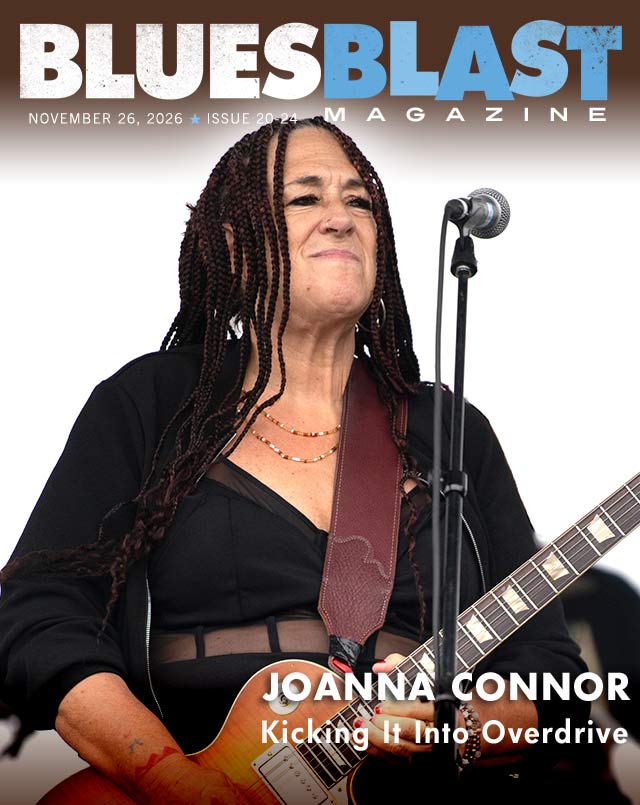
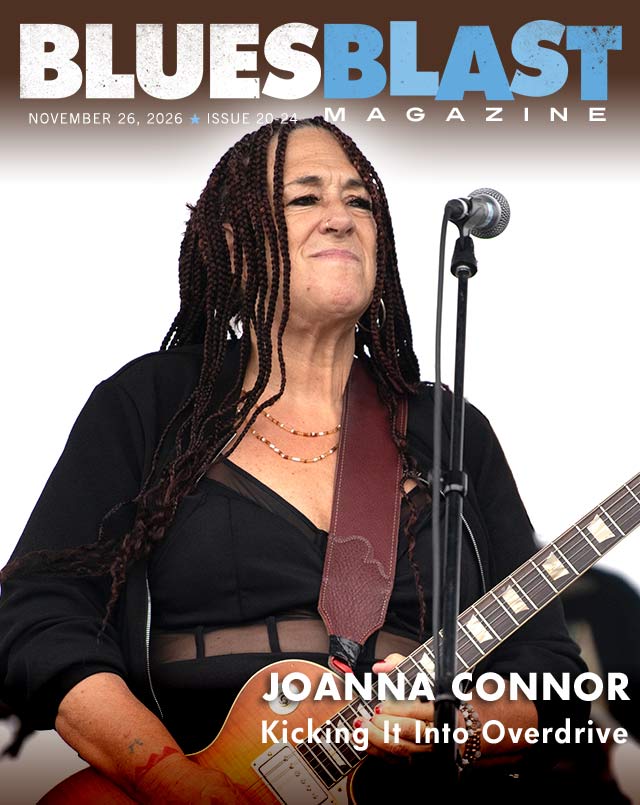
At the epicenter of modern electric blues remains Chicago, Illinois, a city whose institutional venues and storied history continue to nurture top-tier talent. Among its most enduring torchbearers is virtuoso guitarist Joanna Connor, whose career spans over four decades of performing, recording, and breaking gender barriers in a male-dominated genre.
Reflecting on her formative years, Connor traces her musical awakening to seeing blues legend Buddy Guy perform live at age ten. By age 17, she had transitioned from classical guitar lessons to performing professionally in Chicago’s historic South Side venues, including an intensive tenure at the famed Checkerboard Lounge.
"It was such an incredible meeting of local, neighborhood people on the South Side and then University of Chicago kids every weekend," Connor recalled, describing an environment where emerging musicians shared stages with foundational blues architects.
Connor’s career accelerated in the late 1980s with a regular residency at Kingston Mines, leading to her recording debut on Blind Pig Records with 1989’s Believe It. Over the decades, she has shared stages with industry giants including B.B. King, Etta James, and Jimmy Page, while maintaining a prolific recording schedule. Following her Billboard Blues Chart-topping 2021 release 4801 South Indiana—produced by Joe Bonamassa—and her 2024 album Best of Me, Connor recently released Live on 11/11, a critically acclaimed concert recording capturing the improvisational, jazz-inflected structure of her live performances.
Connor continues her annual winter residency at Kingston Mines, a strategy that avoids hazardous highway touring while providing a consistent platform for connecting with younger audiences. Music critics note that Connor’s sustained relevance underscores the vital connection between Chicago’s historical blues infrastructure and contemporary guitar innovation.
Roots, Soul, and Americana Explorations

The broader roots and Americana spectrum is further enriched by several notable releases crossing genre boundaries.
Veteran singer and songwriter Derrick Procell has issued his third studio album, My Incredible Heart, via Catfood Records. Backed by his All-Star Mojo Band and featuring production partnerships with Terry Abrahamson and label head Bob Trenchard, Procell’s latest collection blends soul-blues, driving horn arrangements, and socially conscious lyricism, highlighted by tracks such as "I Was In The Room," which features violinist Anne Harris.

Meanwhile, Los Angeles-based guitarist and singer Ali Handal explores the intersection of blues-rock grit and emotionally driven songwriting on her fifth studio album, Slow Burn. Produced by Seth Atkins Horan and featuring guest appearances by notable artists including guitarist Marc Maron and violinist Scarlet Rivera, the album leans heavily into contemporary rock and roll while maintaining roots-oriented sensibilities.
In West Virginia, Appalachian-born artist Gyasi has pivoted from glam rock to traditional mountain blues with his album Songs from the Holler, released via Alive Natural Sound Records. Recorded live to a four-track tape recorder in an Appalachian holler using minimalist equipment, the album features acoustic guitar work, slide techniques, and interpretations of foundational Delta blues standards originally recorded by Robert Johnson, Lightnin’ Hopkins, and Sleepy John Estes.
Implications and Future Outlook
The breadth and depth of these recent releases point to a resilient, globally interconnected blues ecosystem. Industry analysts observe that while traditional streaming metrics heavily favor pop and hip-hop genres, the roots and blues community continues to thrive through physical media sales, dedicated independent record labels, scholarly documentation, and robust live performance residencies.

As veteran artists pass the torch to new generations—exemplified by familial collaborations like King Leo & Son and international disciples such as JD Harmo—the genre demonstrates a unique capacity for self-renewal. The convergence of rigorous historical preservation, exemplified by Dick Spottswood’s scholarship on Ma Rainey, and forward-looking artistic experimentation ensures that the blues will continue to occupy a vital space in the global musical landscape for years to come.
Related posts: