A Disagreement Over Orchestral Seating Leads to the Cancellation of Berlin Philharmonic Concerts with Iván Fischer


The Berlin Philharmonic, an institution globally recognized for its uncompromising standards and rigid artistic excellence, faced an unprecedented administrative and creative impasse this week. The orchestra officially announced the cancellation of its concert series scheduled from November 5 to November 7, citing an irreconcilable dispute between the ensemble and guest conductor Iván Fischer. The core of the conflict, which resulted in the sudden withdrawal of a high-profile engagement, centered on the physical placement of musicians on stage during rehearsals for Gustav Mahler’s Symphony No. 5. While the Berlin Philharmonic’s internal guidelines state that conductors hold the final authority over seating arrangements, the practical application of this policy proved insufficient to bridge the gap between Fischer’s artistic vision and the orchestra’s established protocols.
Chronology of the Disputed Engagement
The cancellation represents a rare break in the Berlin Philharmonic’s schedule, an organization that prides itself on seamless operational continuity. Preparations for the November program were underway when tensions regarding the spatial configuration of the orchestra began to mount.
On Thursday, the management issued a formal press release stating that the concerts would not proceed as planned. The statement, characterized by diplomatic phrasing, noted that the decision was reached "by mutual agreement." Following the withdrawal of Fischer, the orchestra confirmed that conductor Andrés Orozco-Estrada would step in to lead the scheduled performances. The swift replacement of a conductor of Fischer’s stature with Orozco-Estrada underscores the orchestra’s determination to honor its commitments to ticketholders, despite the disruption.
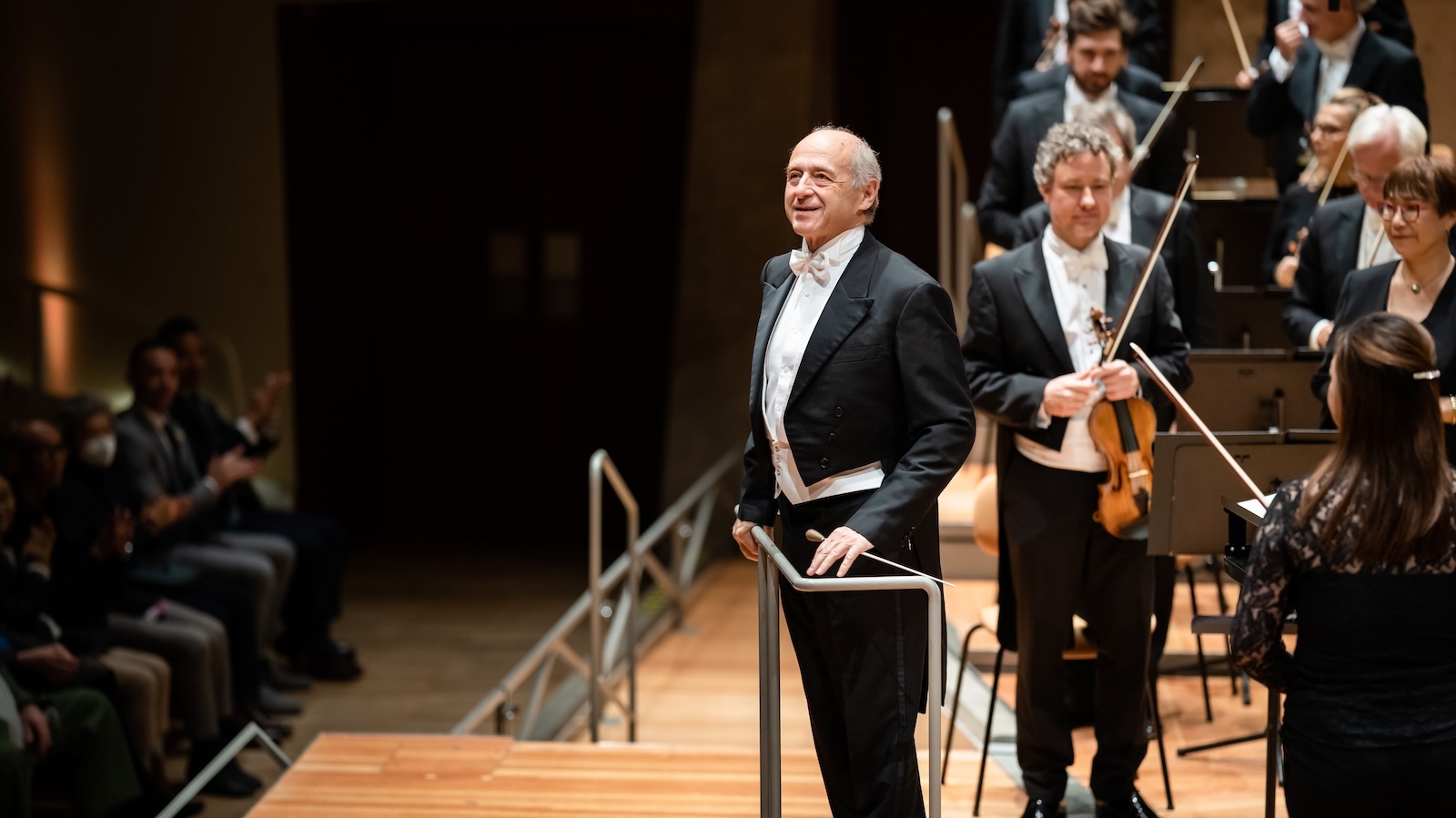
For the public, the abrupt nature of the cancellation raised immediate questions. Historically, disagreements over seating—a fundamental aspect of acoustic balancing—are settled during the early stages of rehearsal. That the conflict reached a point of total impasse suggests a significant breakdown in the collaborative process that typically governs the relationship between a guest conductor and a premier ensemble.
The Significance of Orchestral Seating
To the layperson, the seating arrangement of an orchestra might appear to be a matter of routine logistics. However, in the realm of high-level symphonic performance, seating is an acoustic and psychological instrument. Conductors frequently utilize specific configurations—such as the "American" layout (violins on the left, cellos on the right) versus the "German" or "Antiphonal" layout (violins split left and right)—to dictate how sound projects into the concert hall and how musicians interact with one another.
Mahler’s Fifth Symphony, a gargantuan work of orchestral complexity, poses unique challenges regarding balance. The brass sections, the delicate woodwind textures, and the massive string forces require precise spatial alignment to ensure clarity in a venue as acoustically refined as the Berlin Philharmonie. Iván Fischer is known for his experimental approach to orchestral spatialization; he has previously advocated for unconventional setups that he believes unearth hidden colors in standard repertoire. When such a vision encounters a world-class orchestra with deep-seated institutional habits and specific acoustic preferences, the tension is often palpable.
Institutional Governance and Artistic Autonomy
The Berlin Philharmonic’s website explicitly addresses the question of "who decides where the sections of the orchestra sit." The institution maintains that it is the conductor’s responsibility to curate the stage environment for the "best possible presentation of the music." This policy is designed to empower the conductor to imprint their interpretation upon the ensemble.
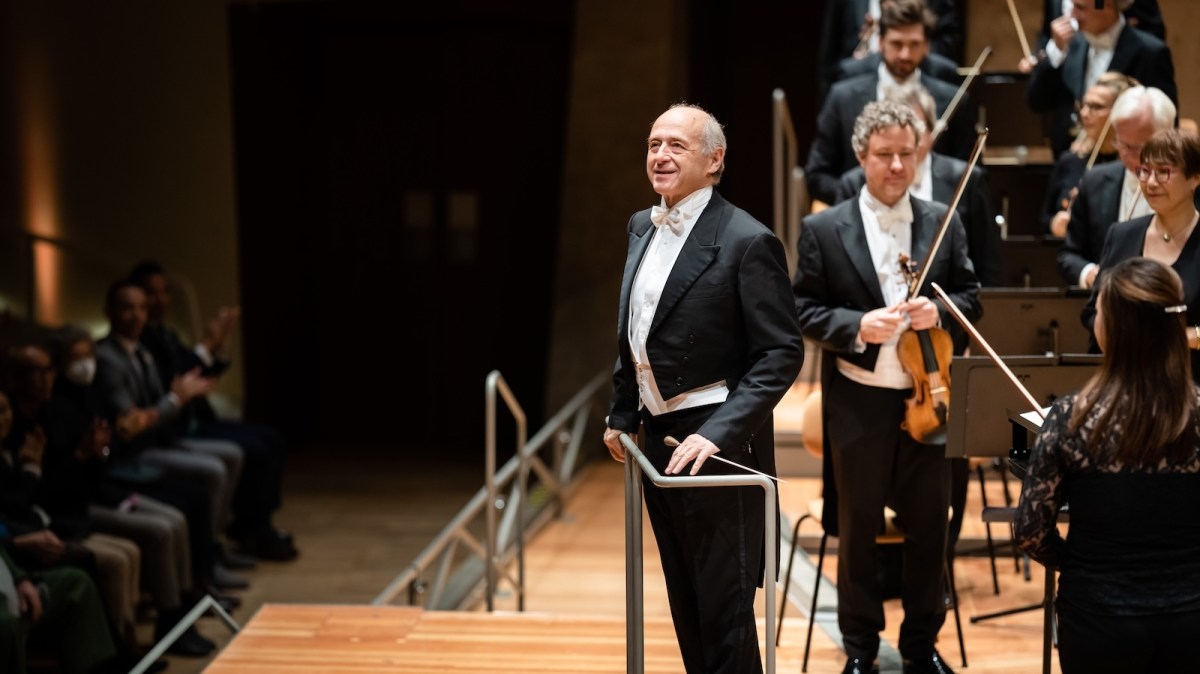
However, this policy operates within a system of democratic self-governance. The Berlin Philharmonic is a self-governing orchestra, meaning the musicians themselves hold significant influence over artistic and operational decisions. Unlike ensembles that operate under a strict top-down hierarchy, the Berlin Philharmonic functions as a collective. When a guest conductor’s vision conflicts with the collective expertise of the 128 members of the orchestra, the standard power dynamics are often challenged. The cancellation serves as a stark reminder that even in a system where the conductor is granted "final authority," the reality is a negotiation.
Analysis of the Impact and Precedents
The cancellation of a series at the Berlin Philharmonic carries significant weight, both financially and reputationally. For the institution, the logistical fallout involves ticket refunds, rescheduling, and potential contractual settlements. For the conductor, the public nature of the disagreement poses questions about future collaborations.
Historically, such public rifts are rare. In the modern era, high-profile orchestras and conductors usually resolve disputes behind closed doors to maintain an aura of professional harmony. The decision to make this dispute public, and to cancel the concerts entirely rather than compromise, suggests that the gap between Fischer and the orchestra was not merely one of aesthetic preference, but one of fundamental methodology.
From a musicological perspective, this incident highlights the tension between tradition and innovation. The Berlin Philharmonic is the guardian of a specific "German sound," characterized by a dense, rich, and historically informed orchestral texture. Disrupting the spatial patterns that facilitate this sound can be perceived by the musicians as a threat to the very quality of their performance. Conversely, conductors like Fischer often argue that changing the seating is necessary to "refresh" the music, preventing the orchestra from falling into repetitive, unthinking patterns.

Future Implications for Guest Conductors
The appointment of Andrés Orozco-Estrada as a replacement is a strategic move intended to restore stability. Orozco-Estrada, known for his precision and collaborative demeanor, is unlikely to deviate significantly from the orchestra’s established protocols, ensuring that the November concerts proceed with the expected level of technical rigor.
The broader implication of this event is a potential shift in how orchestras negotiate contracts with guest conductors. We may see a move toward more granular contractual clauses regarding artistic control, specifically concerning stage management and seating. While the Berlin Philharmonic’s mandate remains clear, the fallout from this week indicates that the "theory" of conductor-led seating is increasingly subject to the "practice" of orchestral consensus.
Iván Fischer remains one of the most respected conductors of his generation, and his work with the Budapest Festival Orchestra continues to be lauded for its innovation. Whether this incident will serve as a permanent deterrent to future engagements with the Berlin Philharmonic remains to be seen. In the immediate term, both parties have signaled a desire to maintain mutual respect, even as they diverge on the mechanics of their craft.
Conclusion
The incident underscores the delicate ecosystem of a modern symphony orchestra. It is not merely a collection of musicians under a single leader, but a complex, interdependent community. When the alignment between the conductor’s vision and the ensemble’s physical reality is severed, the result is the silence of the concert hall. As the music world moves forward, this episode will likely be cited as a case study in the limits of artistic authority and the necessity of consensus in the pursuit of symphonic excellence. The Berlin Philharmonic will continue its season, but the memory of this disagreement serves as a potent reminder that the power to conduct is contingent upon the willingness of the orchestra to be led.