The long-awaited arrival of u-he Zebra 3 marks a definitive milestone in the evolution of virtual synthesis and digital sound design.

For over a decade, the music production community has existed in a state of perpetual anticipation regarding the third iteration of u-he’s flagship synthesizer. Since the inception of the Zebra line in 2003, the software has established itself as an industry standard, favored by Hollywood composers and electronic music producers alike for its deep modular architecture and sonic versatility. The release of Zebra 3 in April 2026, following an extensive and rigorous public beta testing phase, finally brings an end to the "when will it be released" cycle that became a running joke within the industry. By refining the core code—the original foundations of which were laid 11 years ago—u-he has delivered a product that balances professional-grade complexity with a modernized, user-focused interface.
A Chronology of Development
The trajectory of the Zebra series is a study in incremental evolution. Zebra 1 began as a relatively straightforward, functional tool that set the stage for the brand’s reputation for high-quality audio processing. However, it was the transition to Zebra 2 that truly defined the platform’s identity, introducing a radical, modular interface that allowed users to rewire signal paths with unprecedented freedom.
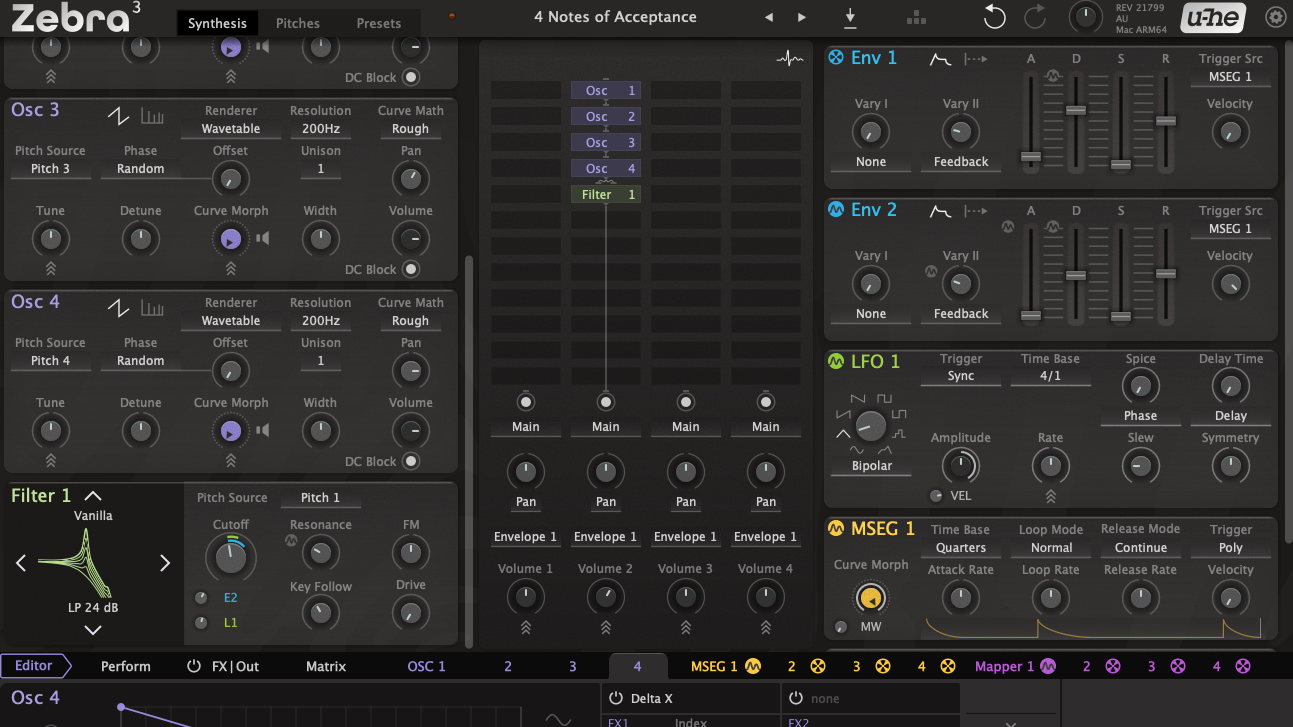
The development of Zebra 3 was not merely an update but a total architectural overhaul. According to developer Urs Heckmann and his team, the extended timeline was a strategic decision to ensure stability and feature-set maturity. By inviting the public to participate in the final stages of development, the company sought to eliminate the technical debt often associated with massive software projects. This release also mirrors the current trend in the software industry where long-gestation projects, such as high-profile video game releases like Grand Theft Auto VI, prioritize "polish over speed," reflecting a commitment to longevity in a market often saturated with disposable plugins.
Technical Architecture and Sound Engine
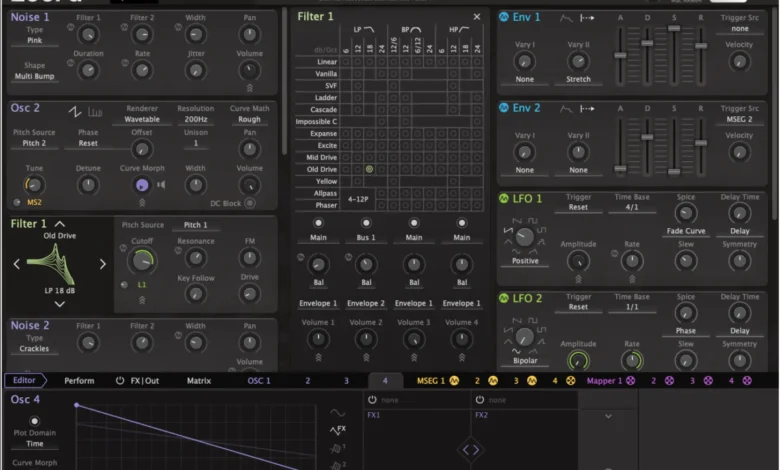
Zebra 3 represents a significant leap forward in synthesis capabilities. At its heart, the instrument remains a modular powerhouse, but the interface has been overhauled to provide clearer access to complex signal chains. The engine supports an expansive array of synthesis methods, including:
- Subtractive Synthesis: The traditional foundation for most of the instrument’s warm, analog-style tones.
- Wavetable Synthesis: Allowing for complex, evolving timbres that can be modulated over time.
- Additive Synthesis: Providing precise control over harmonic structures.
- FM Synthesis (Phase Distortion): Drawing inspiration from classic Yamaha-style architecture to create metallic, percussive, and complex bell tones.
- Physical Modeling: Utilizing modal resonators, comb filters, and exciter modules to simulate the resonance and decay characteristics of acoustic instruments.
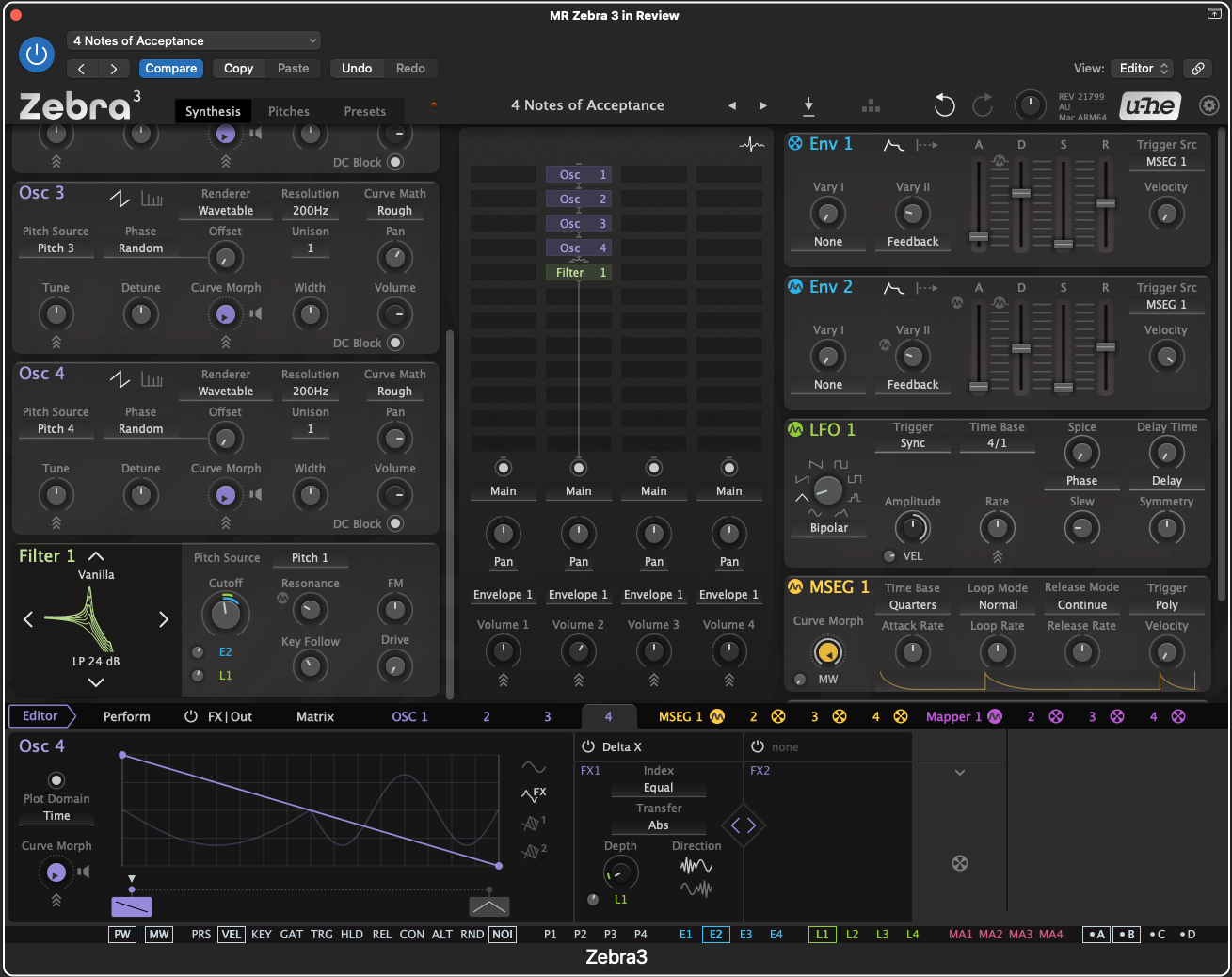
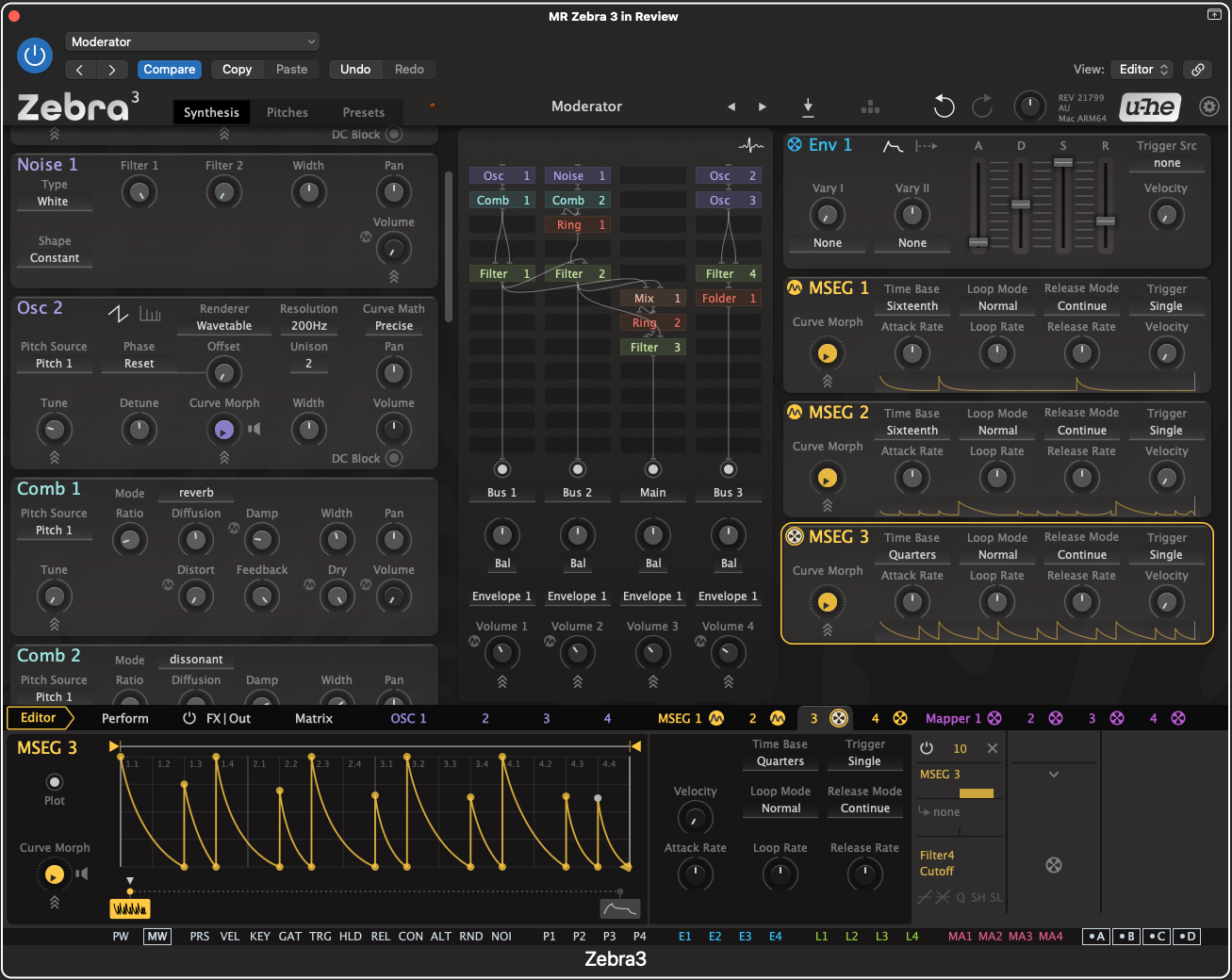
One of the most notable additions is the suite of 20 oscillator effects, which include spectral decay, phase remapping, and oscillator synchronization. These tools allow for a level of sound shaping that was previously difficult to achieve within a single plugin instance. Furthermore, the inclusion of Multi-Stage Envelope Generators (MSEGs) functions much like a high-end dedicated modulation sequencer, providing granular control over triggering, looping, and complex movement that rivals dedicated effect processors like Cableguys’ Shaperbox.
Performance and Workflow Considerations
For the end user, the immediate entry point is the library of over 1,200 factory presets. These are categorized by genre and utility, including a "Showcase" folder that highlights the capabilities of the new engine. While the synth is capable of creating "simple" sounds, the underlying complexity is always present.
A critical note for legacy users is that Zebra 2 patches are not directly importable into Zebra 3. This lack of backward compatibility is a direct result of the wholesale change in the underlying software architecture. While this may pose a challenge for producers who rely heavily on legacy sessions, it allows the new engine to operate without the constraints of older code, resulting in a more efficient and stable performance.
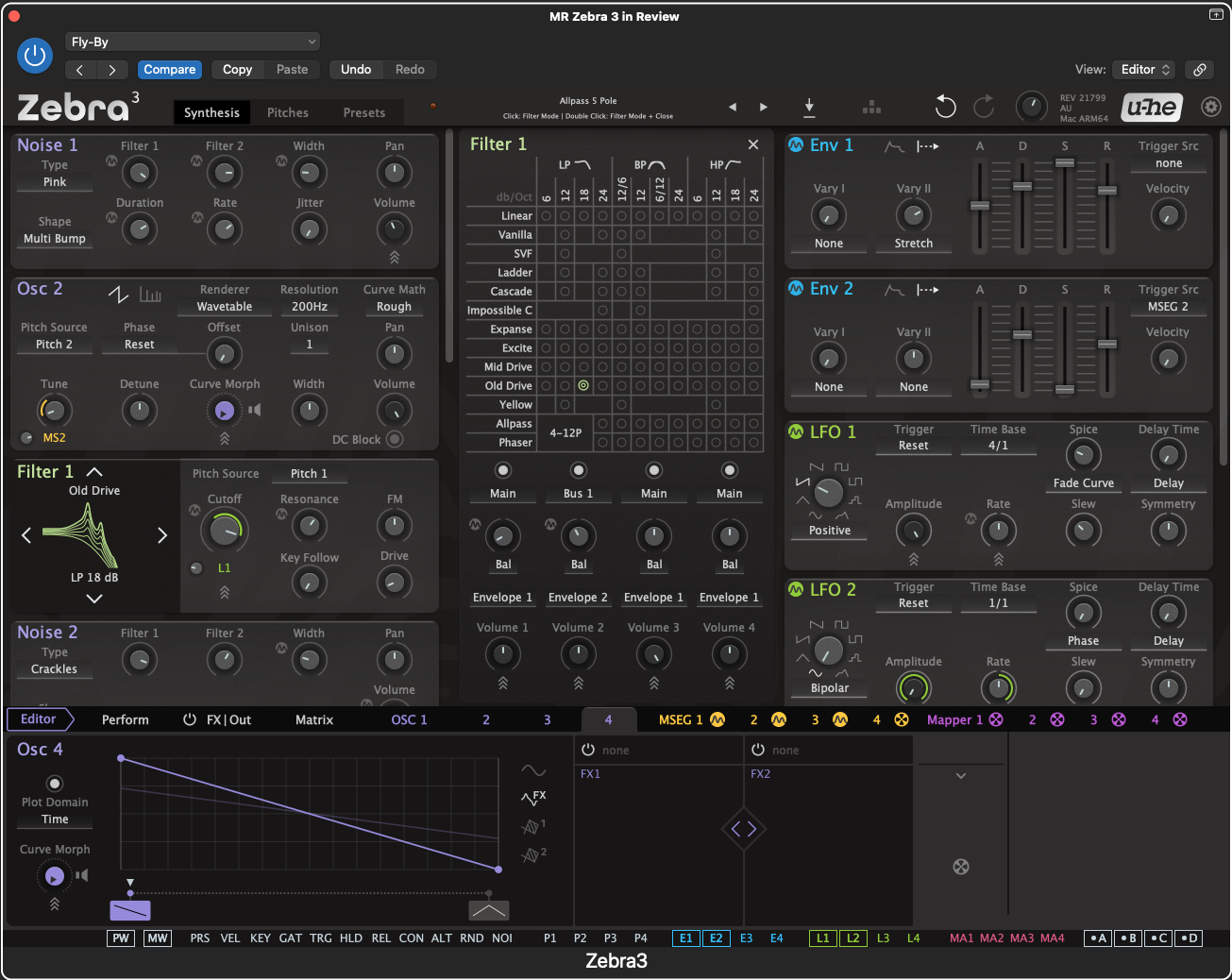
The software’s interface design emphasizes a "visual-first" workflow. The main grid provides a real-time representation of signal flow, where users can solo individual sections to troubleshoot or isolate specific sonic components. For those finding the full-blown version of Zebra 3 intimidating, the company recommends the free Zebralette 3, a stripped-down version that teaches the fundamentals of the oscillator section before the user tackles the full complexity of the modular environment.
Industry Implications and Broader Impact
The launch of Zebra 3 arrives at a time when the plugin market is increasingly dominated by subscription models and simplified, "AI-driven" tools. By remaining committed to a deep, manual-driven, and highly modular approach, u-he is staking a claim for the professional user who prioritizes creative control and sound design depth.
The software’s support for the CLAP (CLever Audio Plugin) format—a modern, open-source standard—as well as native Linux compatibility and MPE (MIDI Polyphonic Expression) support, positions Zebra 3 as a forward-looking tool. It is designed not just for current studio workflows, but for the next decade of music production.
The impact on the cinematic and electronic music sectors is expected to be significant. With the assistance of established sound designers like Matt Bowdler (The Unfinished), the preset library provides a benchmark for modern scoring. As professional producers and composers begin to integrate the instrument into their workflows, it is likely that the signature "Zebra sound"—characterized by its clean, high-resolution oscillators and deep, punchy filters—will once again become a staple in film and game soundtracks.
Comparative Analysis: The Alternatives
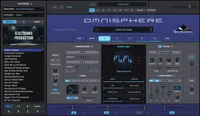
While Zebra 3 stands out for its specific modular philosophy, the market remains competitive. Spectrasonics’ Omnisphere 3 continues to lead the field in terms of sheer sample library size and global appeal, catering to a broader audience ranging from pop producers to film scorers. Xfer Records’ Serum 2 remains the standard for wavetable-based electronic music, valued for its intuitive, immediate interface and popularity in dance music production.
However, Zebra 3 occupies a unique niche: it is a "synthesizer’s synthesizer." It demands "legwork" from the user—a requirement to learn the signal flow and modulation routing—but rewards that effort with a sonic palette that is arguably more flexible and unique than its competitors.
Specifications and Compatibility
Zebra 3 is compatible with major Digital Audio Workstations (DAWs) on both Mac and PC, supporting standard plugin formats including AUv2, VST3, and AAX. The inclusion of the CLAP format ensures that users of modern, open-source-friendly DAWs are not left behind.
- Pricing: €249.
- Key Features: Modular signal routing, hybrid synthesis engines, 13 distinct filter models, and advanced MPE support.
- Development Philosophy: Focus on high-fidelity audio output and user-configurable signal paths.
Conclusion: A Legacy Secured
The transition from the beta period to the full release of Zebra 3 confirms that u-he has succeeded in updating an industry standard without sacrificing the depth that made it famous. While the learning curve remains steep—essentially acting as a virtual, non-physical modular rack—the professional utility of the instrument is undisputed.
The release is a reminder that in the world of high-end audio software, patience remains a virtue. By avoiding the temptation to release a "quick update" and instead spending 11 years refining the underlying technology, the developers have ensured that Zebra 3 is not just a temporary fad, but a lasting tool for the next generation of sound designers and composers. Whether used for simple lead patches or the construction of complex, evolving cinematic soundscapes, Zebra 3 represents the current apex of software-based subtractive and modular synthesis.