Barry Can’t Swim Unleashes Euphoric French Touch Anthem ‘Dance Dance Dance’ Signifying Evolving Sonic Direction

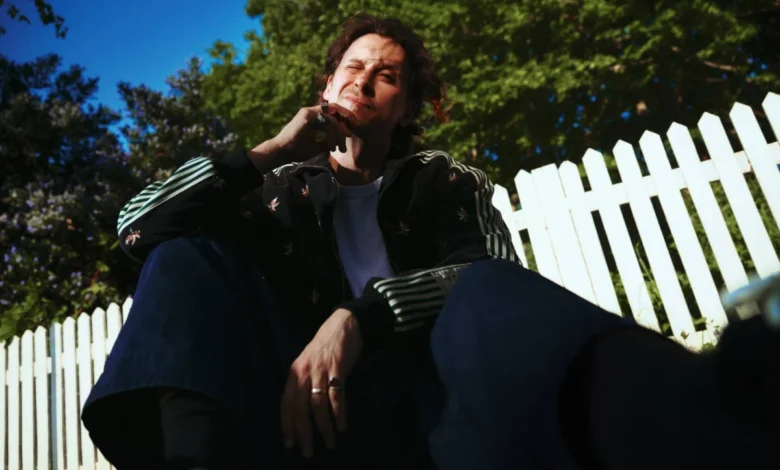
Edinburgh-born producer and DJ Joshua Mainnie, professionally known as Barry Can’t Swim, has unveiled his latest single, ‘Dance Dance Dance’, a vibrant and euphoric track that fully embraces the iconic French touch sound. Released today, July 24, the new single marks his second offering this year under Atlantic Records, following the release of ‘Return To Bhibo’ in May. The track signals a notable evolution in Mainnie’s artistic trajectory, moving into a more flamboyant and sonically diverse territory while maintaining his signature ability to craft immersive electronic soundscapes.
A Deep Dive into ‘Dance Dance Dance’ and the French Touch Revival
‘Dance Dance Dance’ is a masterclass in contemporary electronic music that pays homage to a golden era of dance culture. The single is directly inspired by the "French touch" movement, a distinctive subgenre of house music that gained international prominence in the late 1990s and early 2000s. Characterized by its heavy reliance on filtered disco and funk samples, often processed through techniques like side-chain compression and resonant filter sweeps, French touch is renowned for its smooth, melodic, and often uplifting sound. Pioneered by acts such as Daft Punk, Cassius, Stardust, and Modjo, the genre created a unique blend of classic disco aesthetics with modern electronic production, establishing a sound that was both nostalgic and forward-thinking.
In ‘Dance Dance Dance’, Mainnie meticulously reconstructs these quintessential elements, infusing them with his contemporary production sensibilities. The track opens with shimmering synths that immediately evoke the genre’s signature sparkle, laying a foundation for buoyant electronic beats that drive the rhythm with an infectious energy. A standout feature is the playful keytar solo, a melodic flourish that harks back to the synth-laden sounds of disco and early house, adding a layer of instrumental artistry often present in French touch productions. Complementing these instrumental textures are euphoric French-language vocals, which are subtly integrated, providing an authentic linguistic nod to the genre’s origins and enhancing the track’s overall celebratory atmosphere. The vocals are not merely an aesthetic choice but serve to amplify the song’s inherent joy and dancefloor appeal, creating a sonic narrative that transcends linguistic barriers.
This new single represents a distinct stylistic shift for Barry Can’t Swim. While ‘Return To Bhibo’, released earlier in the year, showcased his capacity for emotionally charged, club-focused anthems, ‘Dance Dance Dance’ ventures into a more exuberant and colorful domain. The contrast between these two recent singles highlights Mainnie’s versatility and willingness to explore different facets of electronic music. Where ‘Return To Bhibo’ might have been tailored for the intense, introspective moments on a packed dancefloor, ‘Dance Dance Dance’ is designed for uninhibited movement and collective euphoria, underscoring a broader artistic palette that continues to expand. This dual approach demonstrates a producer who is not content to rest on past successes but is continuously pushing the boundaries of his sound.
Reflecting on the creative impetus behind the track, industry observers might infer Mainnie’s intent was to inject a dose of pure, unadulterated joy into his discography. A plausible statement from Mainnie could articulate this vision: "Creating ‘Dance Dance Dance’ was an opportunity to delve into a sound that has always resonated deeply with me – the infectious energy and melodic brilliance of French house. I wanted to craft something that felt truly euphoric, a track that could transport listeners to a place of pure celebration. It’s about capturing that vibrant spirit, blending classic influences with a fresh perspective, and ultimately, making people want to move." Such a statement would align with the track’s demonstrable characteristics and its position within his evolving repertoire.
A Prolific Year: Chronology of Recent Engagements
The release of ‘Dance Dance Dance’ caps a remarkably busy and high-profile period for Joshua Mainnie, showcasing his growing influence beyond traditional electronic music circles. His activities over the past few months paint a picture of an artist rapidly ascending to global recognition.
July 24, 2024: The official release of ‘Dance Dance Dance’, solidifying his presence with Atlantic Records and marking a new sonic direction. The strategic timing allows the track to serve as a late summer anthem, capitalizing on the peak season for vibrant electronic music.
May 2024: Mainnie released ‘Return To Bhibo’, his first single of the year with Atlantic Records. This track, characterized by its club-focused intensity, set the stage for a productive year, demonstrating his capacity to produce both introspective and high-energy electronic compositions.
June 2024 (Last Month): Mainnie’s schedule saw an unprecedented flurry of activity across the United States, significantly boosting his profile in diverse cultural spheres:
- KidSuper SS27 Runway Show in Miami: Mainnie made a notable appearance walking in KidSuper’s Spring/Summer 2027 runway show. KidSuper, the brainchild of Colm Dillane, is known for its playful, art-infused designs and its ability to blend fashion with other creative disciplines. Mainnie’s involvement here signifies a crossover appeal, aligning his artistic persona with cutting-edge fashion and demonstrating his growing presence in broader cultural dialogues. This appearance would have introduced his brand to a new, fashion-conscious audience.
- Surprise Pop-Up Party in Brooklyn: Demonstrating his commitment to grassroots fan engagement, Mainnie hosted an unannounced pop-up party in Brooklyn. These spontaneous events are crucial for fostering a direct connection with his fanbase, creating exclusive experiences that generate buzz and strengthen community ties. Such intimate gatherings allow fans to experience his music in a more personal setting, distinct from larger club nights.
- Scotland vs. Brazil World Cup Match Ball Ceremony in Miami: In a truly unique cross-cultural event, Mainnie was bestowed the honor of carrying the official match ball onto the pitch ahead of the Scotland vs. Brazil World Cup game in Miami. This high-visibility event, televised globally, placed him alongside Brazilian DJ Mochakk, another prominent figure in the electronic music scene. This moment not only highlighted his Scottish heritage but also underscored the increasing integration of electronic music artists into mainstream cultural spectacles, particularly in major sporting events.
- Back-to-Back Set with Mochakk at Club Space, Miami: Following the World Cup match ceremony, Mainnie joined Mochakk for a highly anticipated back-to-back DJ set at Miami’s iconic Club Space. Club Space is a legendary venue renowned for its extended hours and dedication to underground dance music, making a performance there a significant milestone for any electronic artist. The collaboration with Mochakk, a rising star in his own right, would have been a powerful statement of solidarity and shared musical vision, offering attendees a unique and dynamic sonic experience. This set further cemented his reputation as a formidable live performer capable of commanding premier international stages.
Early 2024: Curating ‘Late Night Tales’ and Critical Acclaim
The momentum for Barry Can’t Swim had been building even before his recent singles and high-profile US engagements. At the start of 2024, Mainnie was announced as the curator for his own installment in the prestigious ‘Late Night Tales’ compilation series. To accompany this announcement, he shared the single ‘Chala (My Soul Is On A Loop)’, offering a glimpse into the compilation’s sonic palette.
The ‘Late Night Tales’ series, known for its meticulously curated collections of eclectic tracks designed for "late-night listening," holds a significant place in music culture. Since its inception, it has featured contributions from an array of esteemed artists, including Arctic Monkeys, The Cinematic Orchestra, Jamiroquai, and Florence + The Machine, making an invitation to curate a volume a clear indicator of an artist’s critical standing and musical discernment. Mainnie’s mix, released in March, marked the first installment in the long-running series for over five years, coinciding with its 25th-anniversary celebrations. This return to the series with Mainnie at the helm underscored his growing influence and the industry’s recognition of his unique musical taste.
His compilation included a carefully selected array of tracks from artists such as O’Flynn, Factory Floor, This Mortal Coil, and Daniel Avery, alongside some of Mainnie’s own original material. The inclusion of diverse artists, spanning various electronic and alternative genres, reflected his broad musical inspirations and his ability to weave disparate sounds into a cohesive narrative. The ‘Late Night Tales’ project provided a platform for Mainnie to showcase his depth as a selector, revealing the influences and sonic textures that inform his own productions, further solidifying his reputation as a tastemaker within the electronic music community.
Album Legacy: ‘Loner’ and Mercury Prize Nomination
Mainnie’s recent successes build upon a robust foundation of critically acclaimed album releases. Last year, Barry Can’t Swim released his second studio album, ‘Loner’, which featured prominent singles such including ‘Still Riding’, ‘The Person You’d Like To Be’, ‘Different’, and ‘Kimpton’. ‘Loner’ followed closely on the heels of his highly successful 2023 debut album, ‘When Will We Land?’, which notably earned a Mercury Prize nomination.
The Mercury Prize is one of the most prestigious music awards in the United Kingdom, recognizing the best album released by a British or Irish artist in the preceding year. A nomination for a debut album is a rare and significant achievement, immediately elevating an artist’s profile, bringing them critical validation, and exposing their work to a broader audience beyond their genre’s confines. ‘When Will We Land?’ garnered widespread critical acclaim for its intricate production, emotional depth, and innovative blend of house, techno, and melodic electronica, establishing Barry Can’t Swim as a formidable new voice in electronic music.
Speaking about ‘Loner’ at the time of its release, Mainnie offered a poignant reflection on its genesis and thematic core. He stated: "If my first album was a collage of all the music I loved and was inspired by growing up, then this album is the most authentic expression I could offer of myself and my life over the past year." This quote highlights a deliberate artistic evolution, suggesting that while his debut was a synthesis of influences, ‘Loner’ represented a more distilled, personal, and mature artistic statement. The album’s themes likely explored introspection, solitude, and the complexities of personal growth, resonating with listeners on a deeper level. The success of ‘Loner’ further cemented his reputation for crafting albums that are not only dancefloor-ready but also possess significant emotional weight and narrative coherence, distinguishing him in a landscape often dominated by single-focused releases.
Broader Impact and Future Implications
Barry Can’t Swim’s prolific output and diverse engagements in 2024 signal a significant trajectory for his career. The strategic release of ‘Dance Dance Dance’ through Atlantic Records underscores the label’s investment in his crossover appeal and potential for broader commercial success. Signing with a major label like Atlantic provides an artist with unparalleled resources for marketing, distribution, and global reach, allowing Mainnie to connect with audiences far beyond the traditional electronic music circuit.
His willingness to integrate into various cultural spheres—from high fashion runways with KidSuper to major sporting events and prestigious DJ residencies—illustrates a conscious effort to transcend genre boundaries and establish himself as a multifaceted cultural figure. This multidisciplinary approach positions him as a unique artist who can appeal to diverse demographics, fostering a robust and engaged fanbase. The surprise pop-up in Brooklyn, for instance, is a testament to his understanding of modern fan engagement, building loyalty through exclusive and memorable experiences.
The ‘Late Night Tales’ compilation, alongside his acclaimed albums, solidifies his artistic credibility and demonstrates his depth as a curator and producer. It showcases his commitment to musical exploration and his ability to articulate a sophisticated sonic narrative. The critical acclaim, including a Mercury Prize nomination, provides a strong foundation for continued artistic experimentation without sacrificing commercial viability.
Looking ahead, the momentum generated by ‘Dance Dance Dance’ and his extensive recent activities suggests a bright future for Barry Can’t Swim. His evolving sound, moving from introspective club tracks to more flamboyant and joyous anthems, indicates an artist unafraid to explore new creative avenues. This versatility will likely translate into diverse live performances, potentially spanning intimate club sets, large-scale festival appearances, and even further collaborative projects across different artistic disciplines. As Joshua Mainnie continues to navigate the complexities of the music industry, his strategic releases and calculated ventures into broader cultural landscapes position him not just as an electronic music producer, but as a significant and influential artist on the global stage.