The evolution of modern audio engineering has transformed the landscape of music production, shifting the baseline requirements from a deep, foundational knowledge of electronic circuitry and electro-mechanics to accessible, software-driven digital audio workstations. While contemporary bedroom producers can achieve pristine digital clarity with a laptop and a MIDI controller, recording history highlights a distinct class of hardware tools whose true operational value remains opaque to all but the most seasoned veterans. Mastering these pieces of studio equipment demands a multi-decade commitment to tactile workflows, artisanal precision, and an intuitive understanding of psychoacoustics. Unlike the instantaneous gratification offered by modern plug-ins, analog hardware and complex acoustic environments require rigorous maintenance, significant capital investments, and deep technical expertise. Examining these specialized domains reveals why certain professional tools can only be fully comprehended after twenty years spent inside the control room.
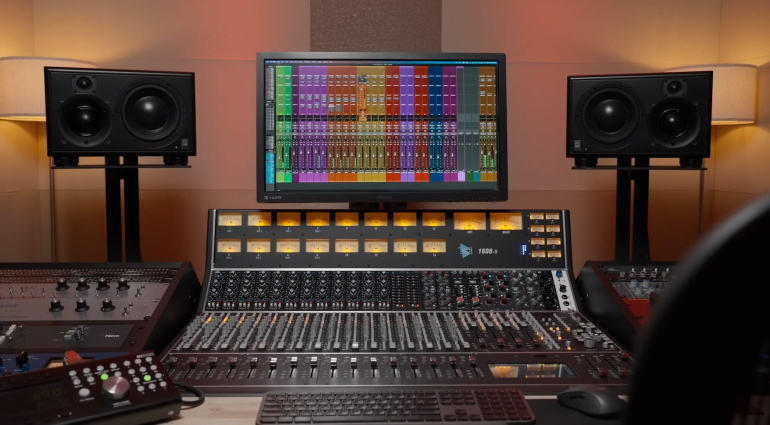
The Economic and Workflow Realities of Large-Format Mixing Consoles
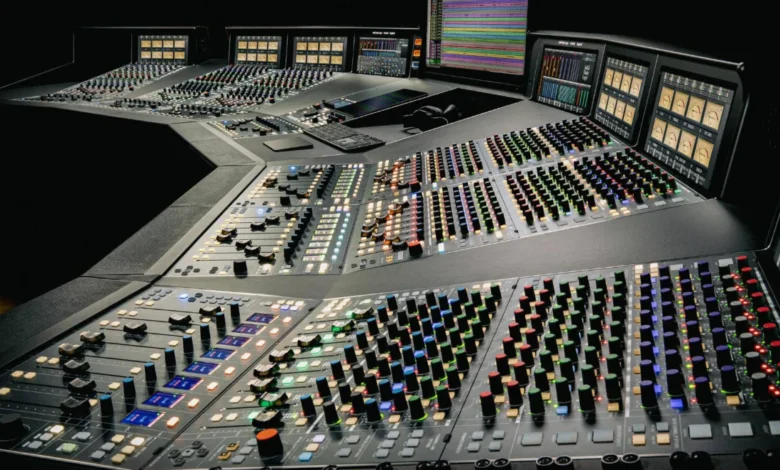
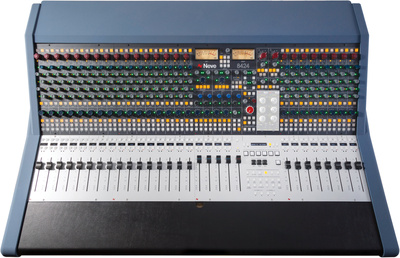
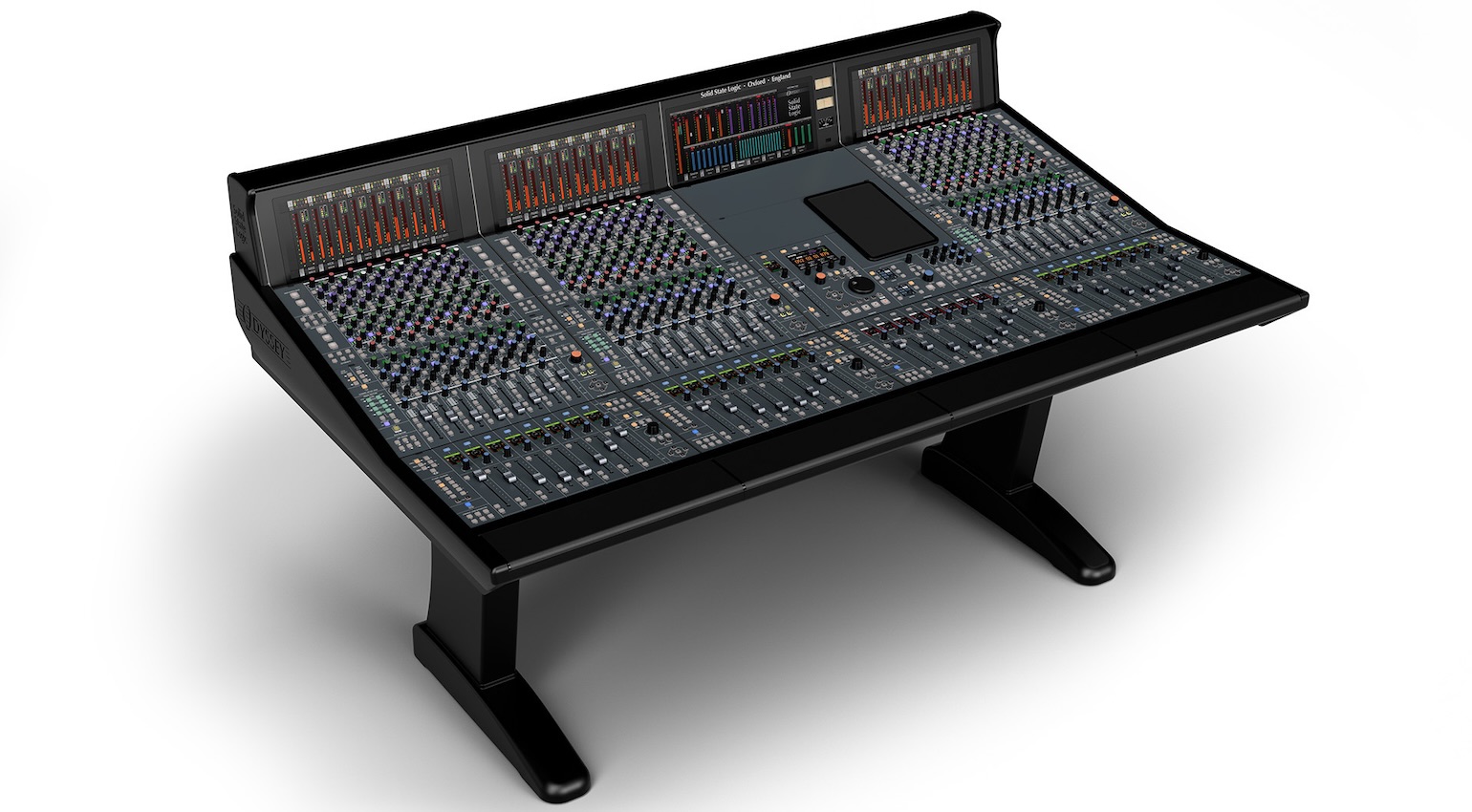
The decision to transition from "in-the-box" digital mixing to a physical mixing console represents one of the most substantial financial and operational commitments a studio owner can make. In an era where digital summing engines and total recall protocols have largely streamlined the mixing process, investing upwards of $100,000 in a hardware console is a choice that defies pure economic logic for the uninitiated. Modern engineers who opt for large-format desks, such as the SSL Odyssey or the Neve 8424, are rarely doing so for a dramatic, night-and-day leap in sonic fidelity. Instead, they are navigating a complex ecosystem of power consumption, HVAC requirements, preventive maintenance, and the imperative need to maintain a stock of rare replacement components on-site.
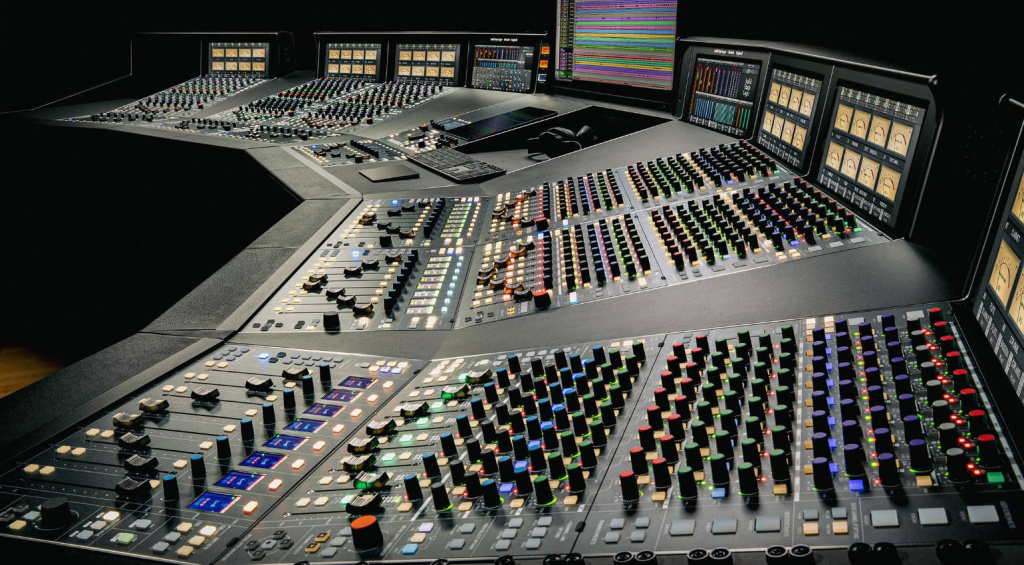
The true understanding of a mixing console emerges only when an engineer views it not merely as an audio processing tool, but as a business centerpiece and a tactile workflow catalyst. Potential clients—particularly those representing established legacy acts or budgets capable of supporting commercial studio rates—perceive physical consoles as markers of professional capability and prestige. Furthermore, historical workflow bottlenecks associated with analog desks have been systematically dismantled by modern hybrid innovations. Systems like Flock Audio patchbays, WesAudio’s ng Series, and the sophisticated recall automation found in newer SSL consoles allow engineers to bridge the gap between analog warmth and digital project recall. A seasoned engineer understands that working on a console is an exercise in muscle memory and rapid decision-making, where spatial awareness across dozens of physical faders replaces the clicking of a computer mouse, fundamentally altering how a mix is balanced and sculpted.

Microphone Preamplifiers and the Art of Tracking Chains
To the novice recording engineer, the assertion that microphone preamplifiers possess distinct sonic signatures can often sound like audiophile mythology. However, professionals with decades of tracking experience recognize that preamps, when paired correctly with specific microphones and source material, act as precision tools designed to extract unique harmonic profiles and transient responses before a signal ever hits the analog-to-digital converter. The interplay between microphone sensitivity, impedance matching, and preamp topology forms the cornerstone of professional tracking technique.
Consider traditional industry pairings that have been refined over decades of commercial studio use. A standard snare drum setup frequently employs a dynamic microphone like the Shure SM57 routed into an API-style preamplifier, leveraging its distinct mid-range punch and aggressive transient translation to cut through a dense mix. Conversely, vocal chains often pair a sensitive large-diaphragm condenser, such as the Neumann U87, with a Neve-style preamplifier to impart a dense, silky harmonic weight. For ultra-detailed, pristine sources, high-end tube microphones like the Sony C-800G are frequently matched with ultra-clean tube preamplifiers, such as those manufactured by Millennia, which offer multi-stage gain architectures. Mastering these combinations requires years of trial and error in tracking rooms, where an engineer learns to commit to a sound at the source rather than relying on corrective EQ and compression down the line in the digital domain.
The Technical Rigors of Analog Tape Machines
Few elements in recording history carry the romanticized aura of magnetic tape. From classic rock to Golden Era hip-hop, some of the most enduring recordings in modern music history were tracked and mixed onto magnetic media, inheriting tape’s characteristic harmonic saturation, gentle compression, and high-frequency roll-off. Yet, the widespread popularity of tape emulation plug-ins stands in stark contrast to the rapidly dwindling number of operational analog tape machines in active commercial use. This discrepancy is primarily driven by the intense technical demands of maintaining and operating physical tape decks.

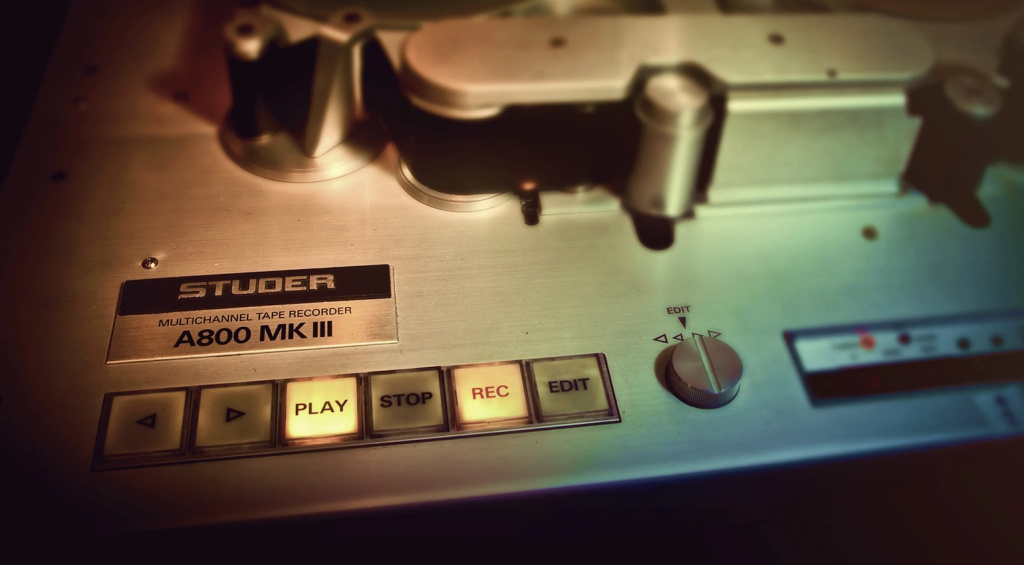
High-end tape machines, such as the legendary Studer A800, were originally engineered as high-resolution scientific and audio recording devices rather than deliberate character processors. Consequently, operating them requires a specialized skill set encompassing mechanical calibration, azimuth alignment, head demagnetization, precise gain staging, and physical tape splicing. An engineer working with magnetic tape must constantly manage signal-to-noise ratios, tape formulation variances, and calibration levels. The learning curve is notoriously steep for professionals accustomed to the non-destructive, infinitely undoable environment of a digital audio workstation. True fluency with a tape machine is earned only through years of mitigating mechanical wear, managing tape costs, and developing an ear for the exact saturation threshold of specific magnetic formulations.

Acoustic Architecture and Mobile Environment Control
While acoustic treatment is frequently associated with permanent wall panels and bass traps designed to tame problematic home studio environments, the use of movable acoustic gobos, baffles, and mobile walls introduces an entirely different dimension of spatial management. In world-class tracking rooms with already exceptional acoustic designs, mobile treatment is not deployed to fix architectural flaws. Instead, it is utilized as a dynamic tool to sculpt the micro-environment around an instrument or ensemble.

The application of mobile acoustic treatment becomes particularly critical during complex tracking sessions involving live bands, orchestral ensembles, or multi-microphone drum setups. Controlling natural ambience and managing bleed between instruments requires precise placement of acoustic shields to isolate sound sources while maintaining the cohesive interaction of a live room. Engineers with decades of experience understand how minute shifts in the distance between a baffle and a sound source can alter phase relationships, low-frequency buildup, and stereo imaging. This spatial manipulation operates hand-in-hand with microphone selection and placement, turning the physical room itself into a flexible, mutable instrument.

Mastering the Complexities of Bus Processing Chains
The processing applied to channel groups and the final stereo mix bus represents the culmination of a mix engineer’s stylistic identity and technical philosophy. Whether executed via high-end analog outboard gear or complex digital plug-in chains, bus processing requires an intricate balancing act where adjustments to dynamic range, tonal balance, and stereo width affect the entire mix holistically.
Modern bus processing extends far beyond basic compression and equalization. Contemporary mix engineers routinely integrate transient shapers, parallel saturation, multi-band dynamic EQs, specialized clippers, and mid-side processing into their master chains. Navigating these variables across different musical genres—from the transient-heavy demands of modern electronic music to the dynamic breathing room required by acoustic jazz—demands deep analytical listening skills. Furthermore, unlike software licenses, physical hardware bus processors represent significant financial assets that must be evaluated, tested, and integrated into a hybrid workflow over many years. The ability to listen to a mix bus and instantly diagnose structural imbalances or phase anomalies is a capability forged only through decades of critical listening and professional execution.

Implications for the Future of Audio Engineering
As the audio industry continues to advance along its hybrid trajectory, the gap between instant digital convenience and the deliberate friction of analog workflows is widening. While software modeling and neural network-based emulation plug-ins grow increasingly sophisticated, they cannot replicate the operational discipline, problem-solving mindset, and tactile intuition required to master legacy studio infrastructure. Ultimately, the gear that requires twenty years to truly understand serves as a vital bridge between the historical foundations of recorded sound and the future of music production. For engineers willing to embrace the steep learning curve, these traditional tools offer enduring lessons in craftsmanship, signal flow, and sonic integrity that transcend the transient trends of modern software development.